
In Andean cosmology, time does not move in straight lines, nor do months function as simple markers of progress.
Certain periods exist between worlds, when life has not fully emerged yet no longer remains hidden.

This is not a phase of transition that demands action. It is a threshold state, where different layers of reality coexist and speak to one another.
Uku Pacha: Depth That Continues to Hold February
Uku Pacha is associated with what lies beneath: soil, ancestors, memory, emotion, and the unseen processes that shape life before it becomes visible.
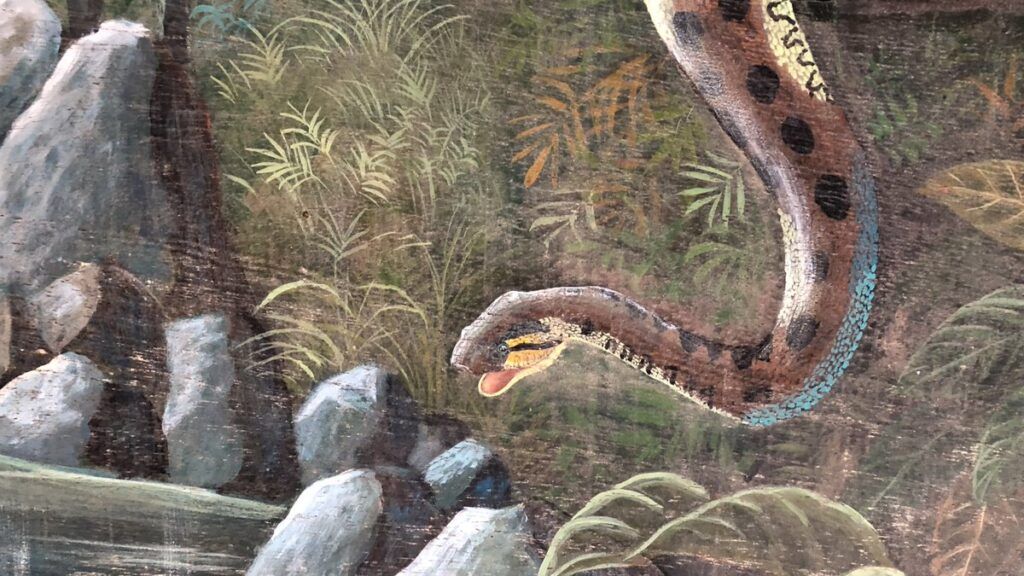
January activates this world intensely through rain, darkness, and emotional movement. By February, Uku Pacha does not recede. It continues to hold and stabilize what has been loosened.
Dreams remain present. Emotions surface without clear narrative. The body carries sensations that precede understanding. In Andean thought, these experiences are not interpreted as confusion, but as signs that life is still organizing itself below the surface.
What is forming has not yet completed its journey upward.
Kay Pacha: The First Touch of February ‘s Visibility
Kay Pacha is the world of relationship where humans, land, water, mountains, and community interact.

February marks the moment when inner processes begin to touch appearance. Shoots rise from saturated soil. Intentions feel closer to form. Presence becomes more embodied.
Yet emergence does not mean readiness. What appears in February remains fragile and responsive. It requires attention rather than control.
Andean cosmology understands that visibility is not the beginning of life, but a later phase of a much longer process (Urton, 1981). What enters Kay Pacha still depends on the depth from which it emerged.
Liminality as Sacred Space
Modern frameworks often treat liminality as uncertainty or lack of direction. In Andean tradition, liminal space is necessary and sacred.
It is within thresholds that transformation becomes possible.
February teaches that:
- Waiting is an active, relational practice
- Not knowing is part of wisdom
- Slowness preserves balance
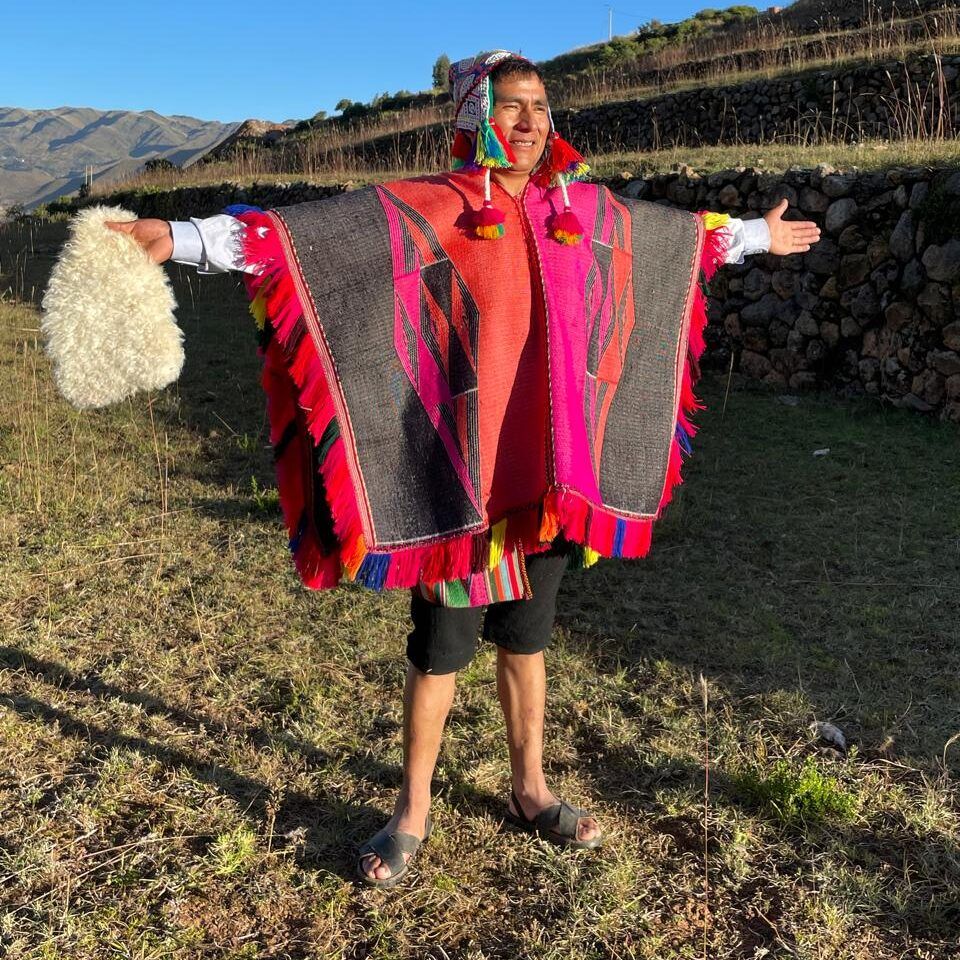
This month is not meant to resolve what January opened. It is meant to hold the tension between worlds.
The Risk of Forcing Emergence
When this liminal stage is rushed when clarity is demanded or inner processes are silenced, the result can be imbalance.

Andean traditions describe this as the accumulation of hucha, dense or stagnant energy formed when natural cycles are interrupted.
Allowing February to remain unresolved honors the dialogue between depth and appearance. It prevents premature solidification and protects what is still becoming.
Walking with One Foot in Each World
To live February consciously is to walk with awareness between Uku Pacha and Kay Pacha. Inner experiences continue to unfold while daily life begins to reorganize around them. This coexistence is not contradiction it is cosmological coherence.

As Andean ontologies emphasize, worlds are not separate layers stacked on top of one another, but relational domains that overlap and influence each other continuously (de la Cadena, 2015).
February does not ask for decisions.
It asks for presence within the threshold.
What is forming will surface fully when relationship not force allows it.
References
- Allen, C. J. (2002). The hold life has: Coca and cultural identity in an Andean community. Smithsonian Institution.
- de la Cadena, M. (2015). Earth beings: Ecologies of practice across Andean worlds. Duke University Press.
- Urton, G. (1981). At the crossroads of the earth and the sky: An Andean cosmology. University of Texas Press.
Apaza family. Oral tradition on Uku Pacha, Kay Pacha, liminality, and seasonal thresholds. Andean Highlands, Peru.
This article draws on both academic literature and oral, lineage-based Andean knowledge. Teachings that originate from living traditions are cited in recognition of their ongoing transmission within Andean communities, while scholarly sources are used to support contextual interpretation.