
In Andean cosmology, perception is not limited to what the eyes can verify or what language can clearly name. It requires the cultivation of listening. Andean cosmology recognizes life as relational, animated, and communicative beyond what the eye can see.
To live well within this worldview requires listening, not only with the ears, but with the body, the emotions, and the land itself.

February marks a subtle moment in the Andean seasonal cycle. Life has not yet fully surfaced, yet its presence can be sensed beneath the soil, within waters, and inside the human body.
Growth is underway, but it remains mostly unseen. This is not a lack of clarity; it is an invitation to refine perception.
Listening as a Form of Knowledge
In Andean traditions, knowledge does not arrive exclusively through explanation or analysis.
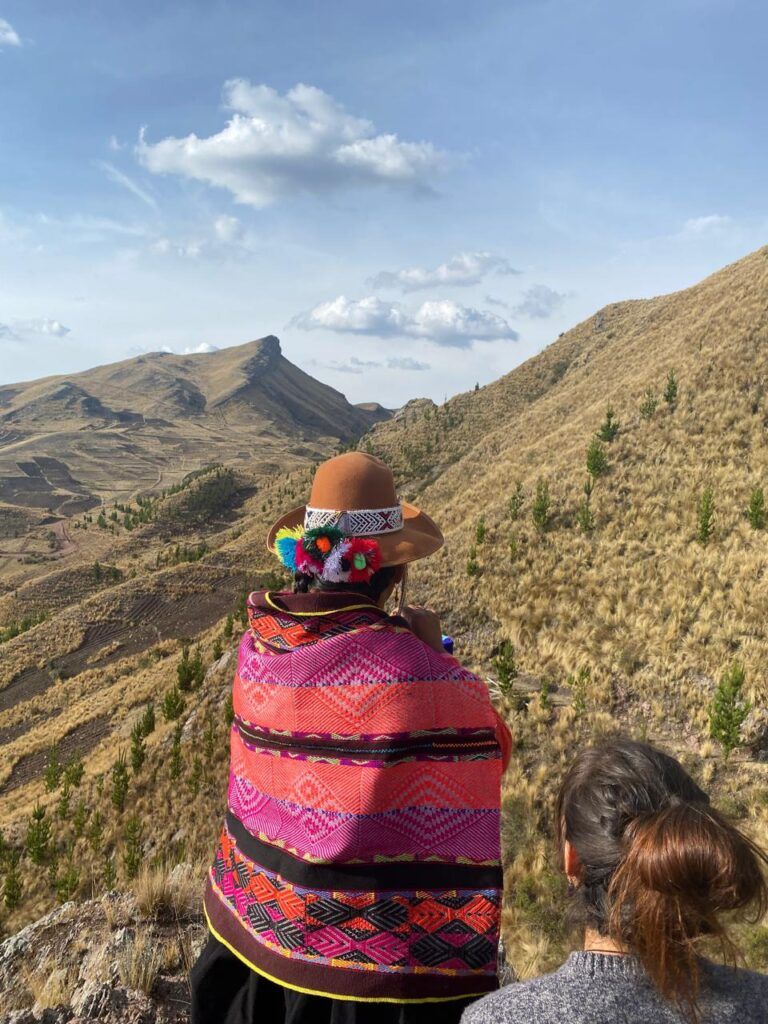
It emerges through attunement. Sensations, moods, dreams, bodily states, and environmental changes function as legitimate carriers of information.
Dominant epistemologies dismiss these perceptions as vague or subjective, yet Andean wisdom recognizes them as pre-verbal knowledge, arising before words can hold them.
The Body as an Instrument of Listening
Listening to the unseen requires restraint.
Not everything that is sensed demands immediate action. February teaches that premature movement can interfere with processes still forming in darkness.
The body registers these transitions first.
Andean traditions interpret fatigue, emotional sensitivity, withdrawal, or heightened perception not as dysfunctions, but as signs that awareness is recalibrating.
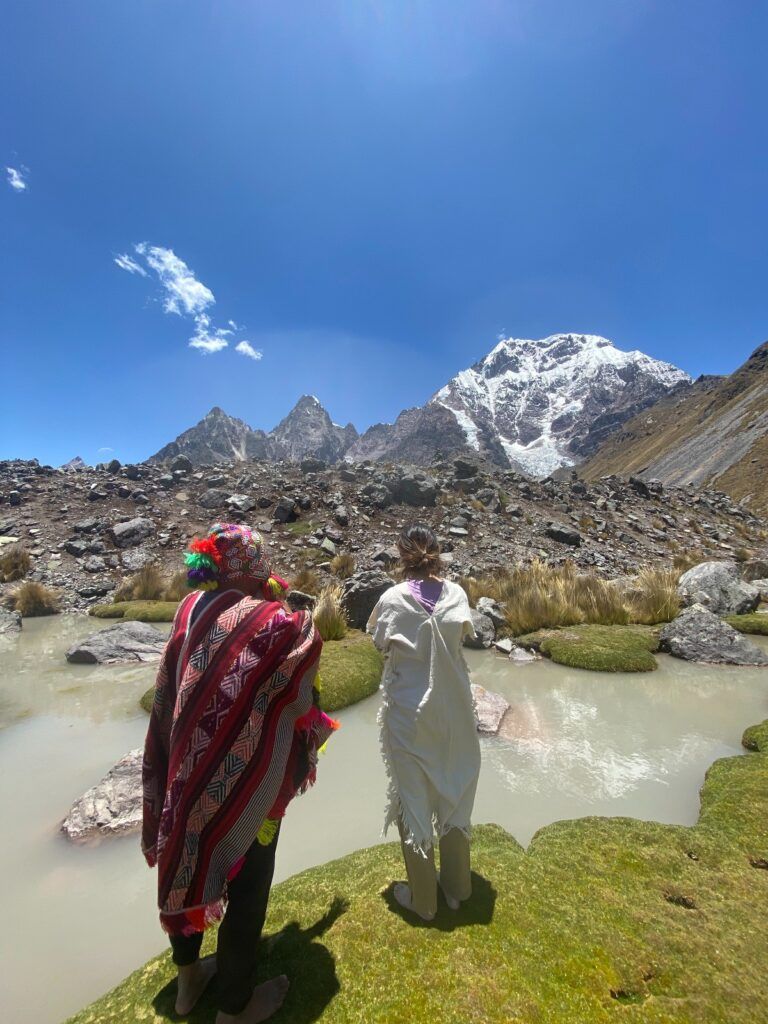
Restraint, Timing, and Relational Intelligence
Andean wisdom emphasizes that clarity emerges through right timing, not force. Listening is inseparable from relationship, with Pachamama, with water, with ancestral memory, and with seasonal rhythms.
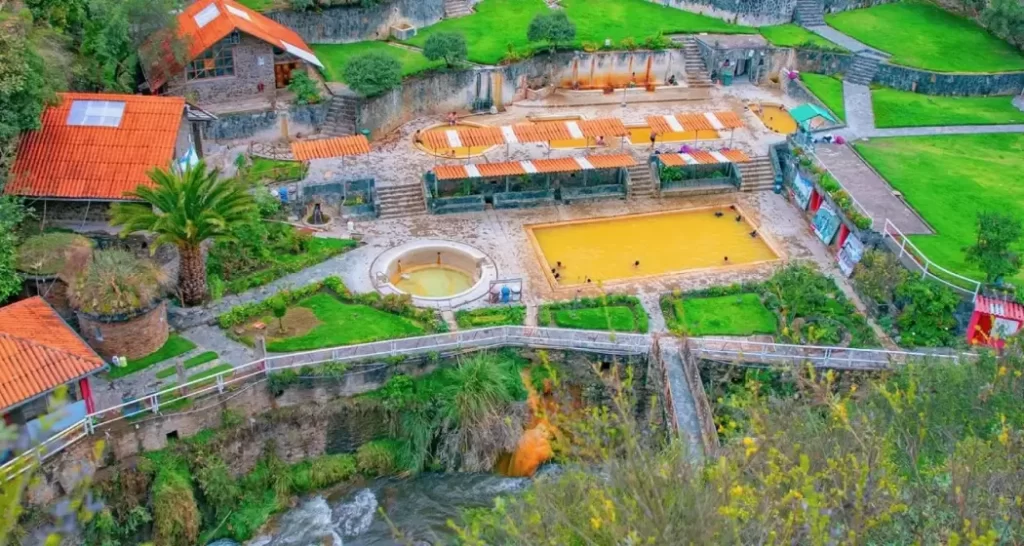
This form of listening does not seek certainty. It seeks alignment.
February does not ask for answers. It asks for attention.
References
- Apaza, A. Tradición oral de la familia Apaza, Andes del sur del Perú.
- Estermann, J. (2013). Filosofía andina: Sabiduría indígena para un mundo nuevo. Instituto Superior Ecuménico Andino de Teología.
- Rengifo Vásquez, G. (2001). La crianza de la chacra en los Andes. PRATEC – Proyecto Andino de Tecnologías Campesinas.
This article draws on both academic literature and oral, lineage-based Andean knowledge. Teachings that originate from living traditions are cited in recognition of their ongoing transmission within Andean communities, while scholarly sources are used to support contextual interpretation.