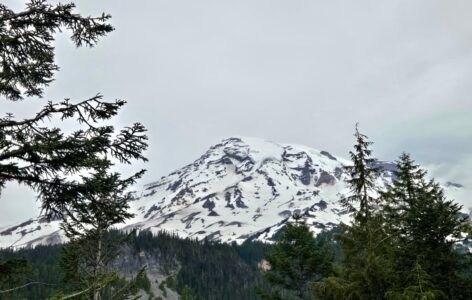
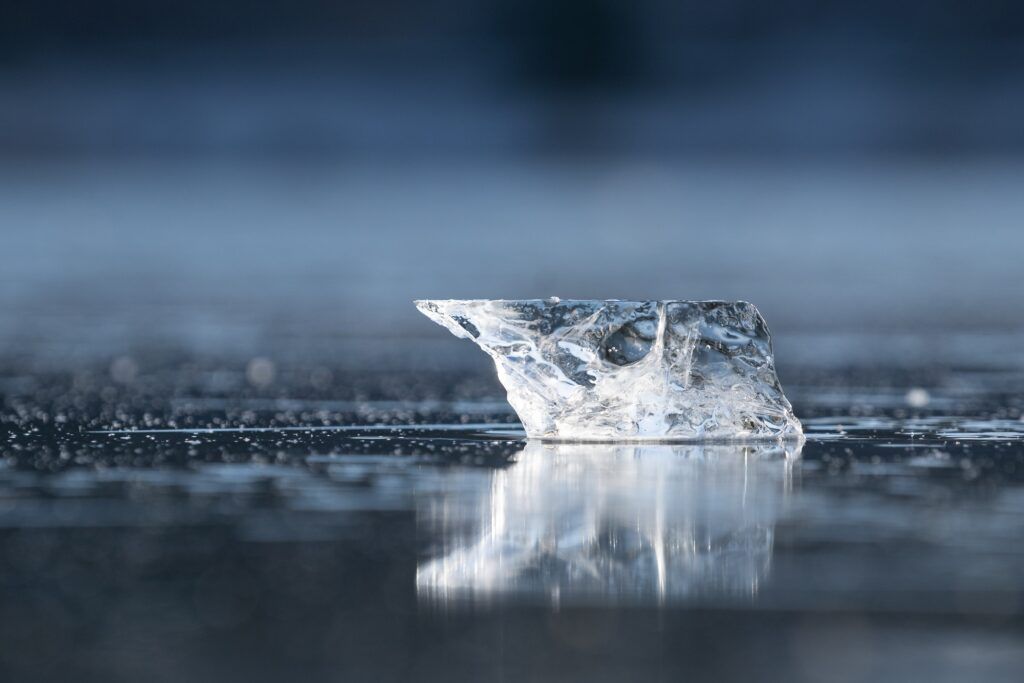
By the final week of May, the intense frost (Qasa) has turned the small mountain streams into fragile crystals of ice. To the casual observer, the water seems to be disappearing, retreating from the valleys. However, in the deep wisdom of the Andean Paqo, water never truly leaves; it merely changes its dimension. As the surface water freezes, the spiritual essence of water as rivers , the Unu Kawsay, descends into the womb of the earth. It joins the vast network of subterranean rivers that the Incas navigated both physically and mystically.

The Memory of Rivers in the Dark Season
In Andean cosmology, water is the primary medium for the transmission of memory and consciousness. It is a living thread that links the Hanaq Pacha, to the Kay Pacha (the rivers we drink from) and down into the Uku Pacha.

During the end of May, the ritual focus moves toward the Phajchas (sacred water fountains) and underground channels.
Because the surface water is low, the water that continues to flow from deep within the mountain springs is considered incredibly pure. It has been filtered through the sacred anatomy of the Apu, carrying the dense, grounding energy of the ancient stone.
Drinking or washing with this late-May water is an act of internal lubrication. We ensure that while our outer lives face the hard, rigid cold of winter, our inner spiritual channels remain alive.
This process highlights the transpersonal concept of Subconscious Flow. Just as the mountain stores its most vital water deep beneath the stone where the frost cannot reach it, the human psyche must learn to protect its core emotional and spiritual resources during challenging times. The freezing temperatures of May teach us to withdraw our energy from superficial, outward displays and anchor our true power in the deep.
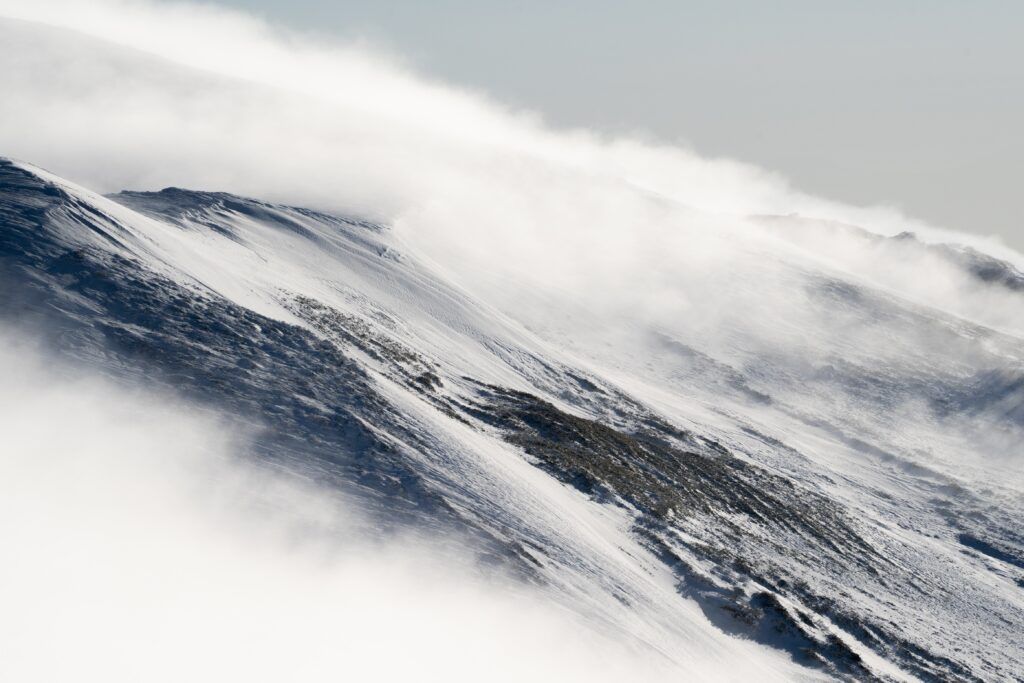
The Silent Dialogue with the Amaru
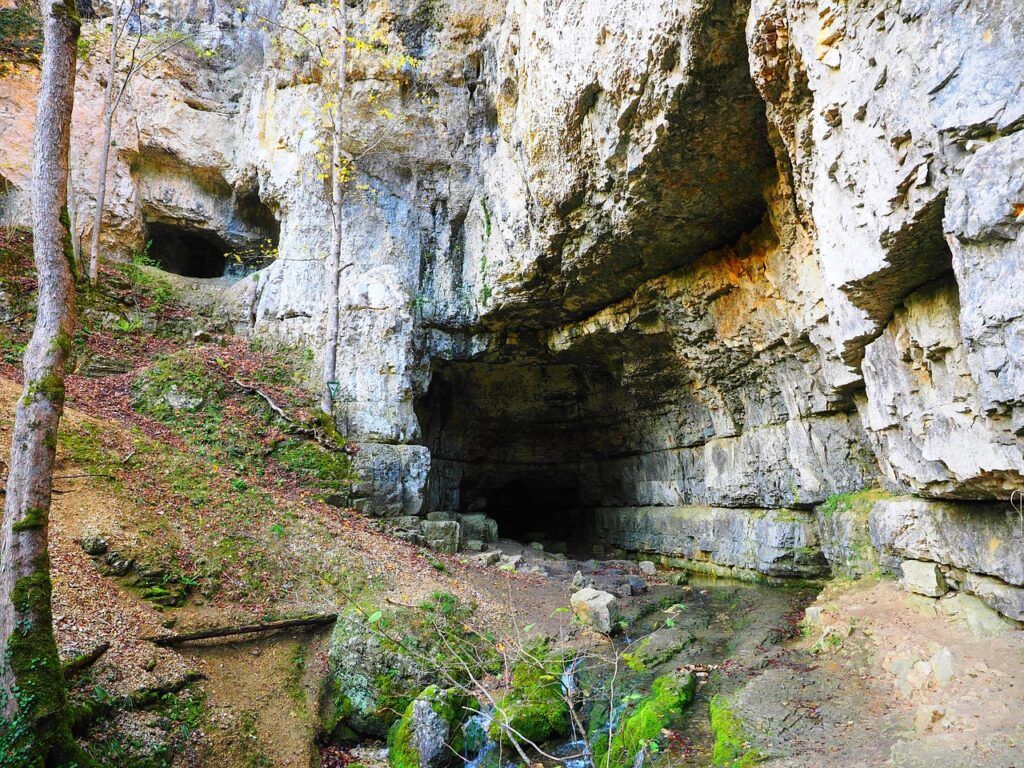
In the mythological taxonomy of the Andes, underground rivers is protected by the Amaru, the cosmic serpent that dwells in the depths of the earth. The Amaru represents sudden transformation, intuition, and the vital energy that moves quietly beneath the surface of things.
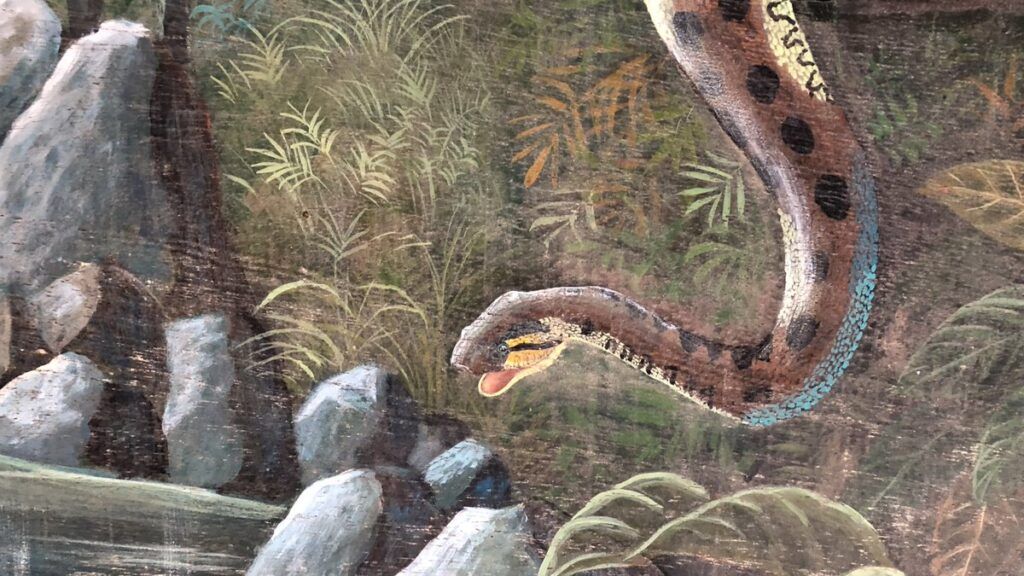
At the end of May, making an offering to a natural mountain spring (Puquio) is a direct conversation with the Amaru. It is an act of thanking the serpent for holding the vital fluids of the earth safe during the cold months. We promise that when the sun returns in its full glory during the coming months, we will be ready to work the land once more.
“When the surface turns to ice, look to the hidden spring. The true water of life does not run where everyone can see it; it flows silently through the dark veins of the mountain, waiting for the initiate who knows how to listen to the stone.”
— The Keepers of the Hidden Flow
The Rivers Consciousness
- Unu / Yaku: Water. Unu often refers to water in its sacred, ritual, or cosmic state, while Yaku refers to its physical, everyday utility.
- Puquio: A natural spring or eye of water. These are considered direct portals (Huacas) to the Uku Pacha.
- Sut’uy: The slow dripping of water. In May, this describes the rhythm of nature, deliberate, quiet, and concentrated.
The Portals of the Serpent
At the end of May, these rivers sanctuaries provide a powerful space for meditation and alignment:
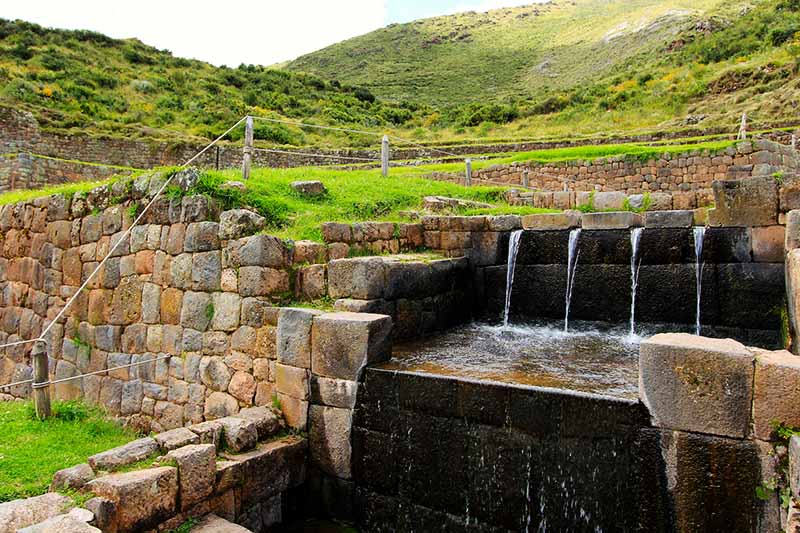
- Tipon (The Water Temple): Located just south of Cusco, the hydraulic masterpiece of Tipón channels water through perfectly carved stone terraces. A late-May visit showcases the absolute control the Incas held over water. Here, meditating by the main ritual fountain directly aligns your body’s internal fluids with the earth’s rhythm.
- The Fountains of Ollantaytambo: In the old Incan town of Ollantaytambo, water still runs through narrow channels right next to the houses. The sound of this water echoing through the cold, crisp May nights serves as a sonic reminder of the continuous, unyielding flow of life beneath the frost.
References
- Sherbondy, J. E. (1982). The Canal Systems of Hanan Cuzco. Universidad Inca Garcilaso de la Vega.
- Limón Olvera, S. (2012). The Sacred Water: Rituals and Beliefs in the Andean World. Universidad Nacional Autónoma de México.
- Lane, K. (2014). Water Technology and Ritual in the High Andes. Journal of Archaeological Method and Theory, 21(3), 451-479.
This article draws on both academic literature and oral, lineage-based Andean knowledge. Teachings that originate from living traditions are cited in recognition of their ongoing transmission within Andean communities, while scholarly sources are used to support contextual interpretation.