
The Andean calendar embodies this living relationship, offering not only a way to track days but also to align with cosmic harmony.

In the Western world, time is often measured in straight lines—seconds, minutes, hours—marching toward deadlines. In the Andes, time (pacha) is not simply a measurement but a living energy. It breathes, cycles, and interweaves human life with the rhythms of Pachamama (Mother Earth), the Apus (sacred mountains), and the heavens.
Pacha: Space-Time as Unity
The Quechua word pacha means both time and space, revealing that the two cannot be separated.

To live in alignment with pacha means to recognize that every moment exists in relationship—with place, with energy, with the natural and spiritual worlds. For the Andean people, the calendar is not abstract; it is inscribed in the movement of stars, the agricultural cycles, and ritual ceremonies.
The Agricultural Andean Calendar: Seeds, Harvests, and Rituals
Andean communities traditionally aligned their lives with the agricultural year.
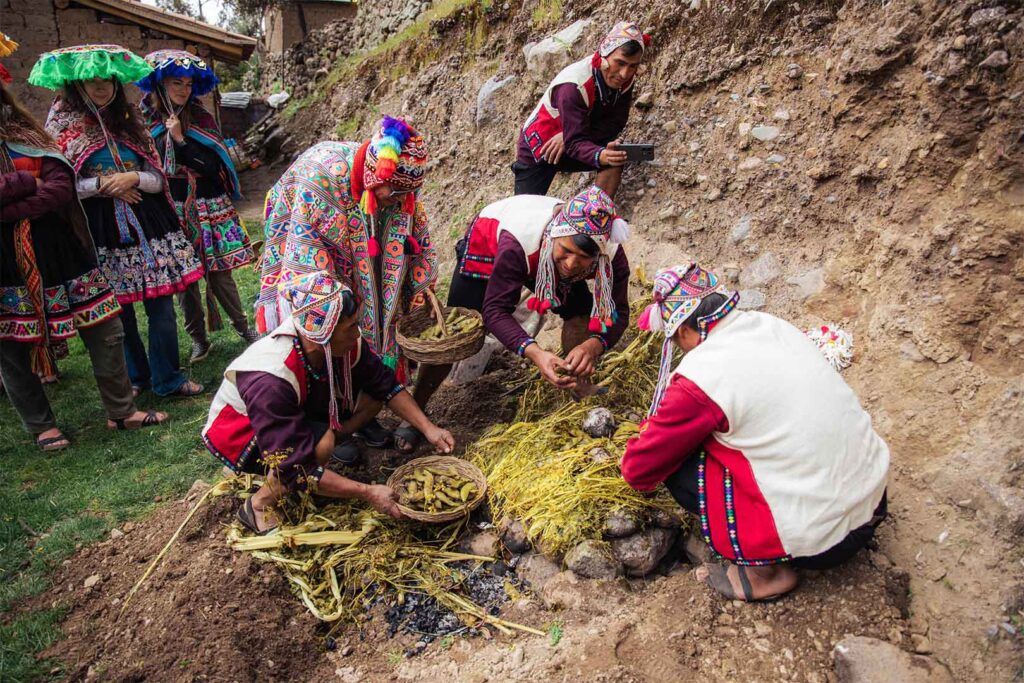
- Planting Season (Ayar Pacha): Rituals of offering coca leaves and chicha to Pachamama ensured fertile soil and protection of crops.
- Harvest Season (Coya Raymi): Gratitude ceremonies honored the abundance received, recognizing reciprocity (ayni) with the Earth.
- Time of Rest: After the harvest, communities entered a period of renewal, reflecting the cyclical nature of life itself.
These agricultural times were not merely economic—they were spiritual thresholds, marking moments to honor reciprocity with the land.
The Lunar Andean Calendar: Women’s Time
The moon (Mamakilla) structured cycles for women, guiding menstruation, fertility, and ceremonies.
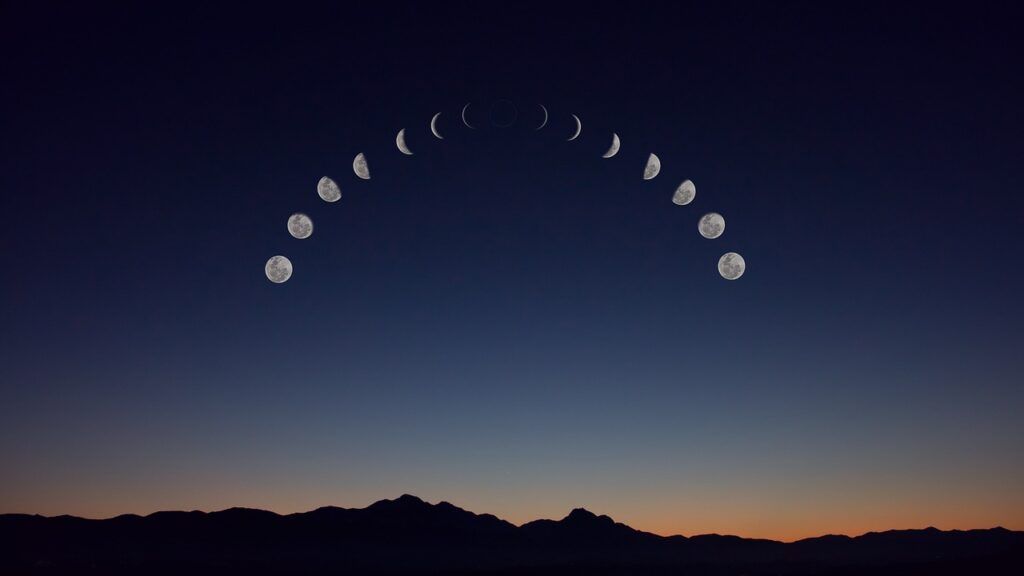
Each lunar phase carried different energies for planting, healing, and ritual.
Women, as guardians of this lunar wisdom, kept the rhythm of ceremonies tied to the feminine body and the cycles of water, reinforcing that time itself was feminine, fertile, and flowing.
The Solar Calendar: The Inti Raymi and Solstices
The sun (Inti) marked the great solstices and equinoxes.
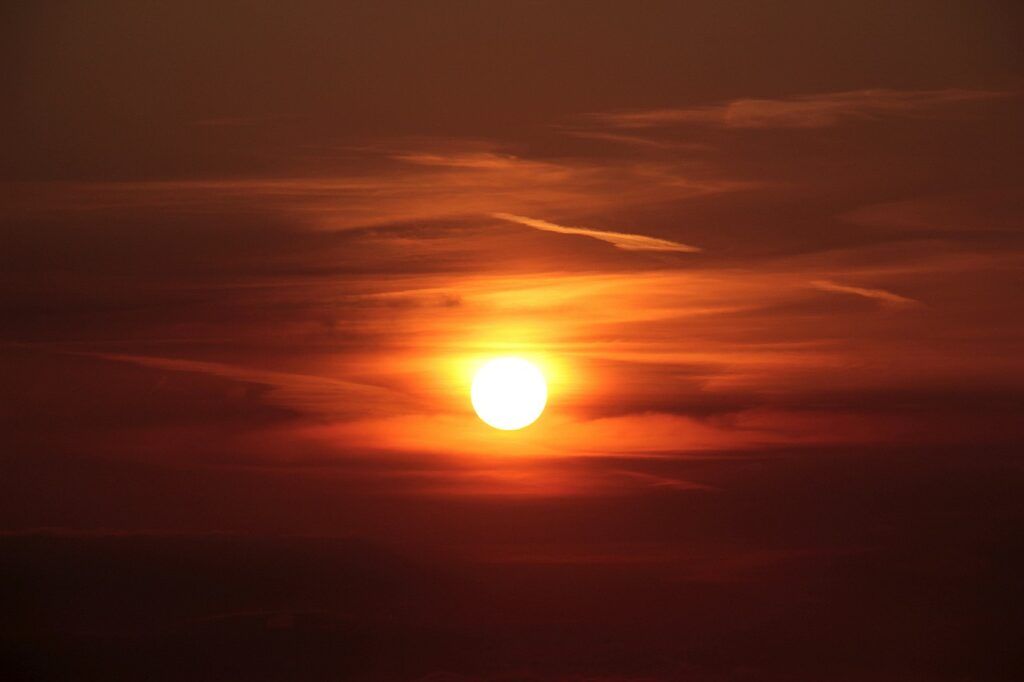
“Father Sun, my Father,”
- Inti Raymi (June Solstice) celebrated the rebirth of the sun and the renewal of life.
- December Solstice represented the balance between dark and light, reminding the people of life’s duality.
These solar markers formed sacred pauses in the year where entire communities gathered for pilgrimage, offerings, and renewal.
Time as Spiral, Not Line
Unlike the Western linear concept of progress, Andean time unfolds in a spiral.
The past (ñawpa pacha), present (kay pacha), and future (qhipa pacha) are not separate but coexisting layers.

Healing work, ceremonies, and ancestral honoring allow people to re-enter past wounds and release them, while planting seeds for the future. Thus, time is a medicine, a spiral that carries us through cycles of growth and rebirth.
Living With the Calendar Today
For Andean healers and practitioners abroad, the Andean calendar continues to offer a guide:

- Mark the solstices and equinoxes with ritual.
- Observe the moon’s phases as guidance for rest, fertility, and creation.
- Honor the agricultural cycles, even symbolically, by planting or cooking with seasonal foods.
In this way, the Andean calendar reminds us that to live fully is to walk in rhythm with the cosmos.
The Andean calendar is not a relic of the past—it is a living dialogue with time itself. By returning to its wisdom, we remember that every day carries sacred potential, every cycle holds medicine, and time is not a weight to endure but a living energy to embrace.
References
- Allen, Catherine J. The Hold Life Has: Coca and Cultural Identity in an Andean Community. Smithsonian Institution Press, 2002.
- Bastien, Joseph W. Mountain of the Condor: Metaphor and Ritual in an Andean Ayllu. Waveland Press, 1985.
- Zuidema, R. Tom. The Ceque System of Cuzco: The Social Organization of the Capital of the Inca. Brill, 1964.
- Urton, Gary. At the Crossroads of the Earth and the Sky: An Andean Cosmology. University of Texas Press, 1981.