
The global narrative frames January as a fresh start, it creates obsession and Andean cosmology offers a radically different interpretation: January is not an initiation. It is an incubation.
During this month, life retreats inward. Seeds dissolve underground. Waters saturate the soil. Nothing visible asks to be finalized yet.
Forcing momentum during this time creates friction with natural intelligence.

The Western Obsession with Clarity
Western culture associates growth with decisiveness and clarity. The Andes honor ambiguity as fertile space.
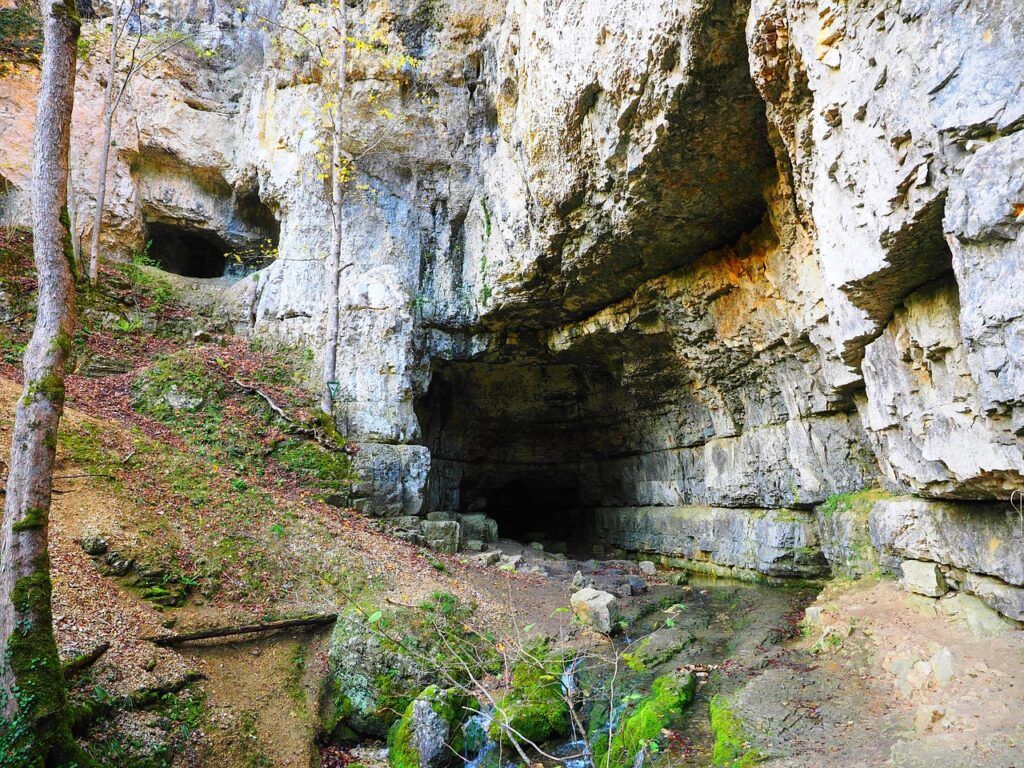
January belongs to Uku Pacha, the inner and unseen realm, where transformation occurs through breakdown and reorganization. This process requires darkness, moisture, and time.
Demanding certainty during incubation interrupts formation and creates obsession.
Incubation as a Sacred Phase
In Andean thought, incubation is not passive. It is structural preparation.
Just as seeds break apart before sprouting, identities and intentions often dissolve before reforming. Confusion, emotional sensitivity, and lack of direction signal that repatterning is underway.

Mislabeling this phase as failure generates self-judgment and hucha.
Releasing the Pressure to Begin
Releasing the pressure to begin does not mean abandoning intention or direction. It means recognizing that not every moment is designed for initiation. In the Andean calendar, January holds a different responsibility: it prepares the ground so that future beginnings can root without strain.

During January, Pachamama invites people to loosen their grip on certainty. Plans may feel unfinished. Desires may lack shape. Rather than forcing definition, Andean tradition encourages staying in relationship with what is unclear. This relationship builds resilience.
When people release the pressure to begin, the nervous system settles. Energy stops leaking into premature decisions. Attention returns to the body, to feeling, and to subtle signals that often go unnoticed when urgency dominates.
This pause also protects what is forming. Just as seeds left undisturbed develop stronger roots, intentions held gently gain coherence before expression. Beginnings that arise after incubation tend to endure because they carry structural integrity, not reaction.
Releasing the pressure to begin is, ultimately, an act of trust. It affirms that life knows how to organize itself when given time, moisture, and space. January does not ask for answers—it asks for presence.
Clarity will come.
But first, the ground must soften.
References
- Allen, C. J. (2002). The hold life has: Coca and cultural identity in an Andean community. Smithsonian Institution Press.
- Isbell, B. J. (1978). To defend ourselves: Ecology and ritual in an Andean village. University of Texas Press.