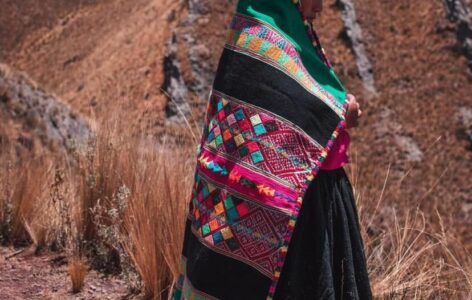
As June blankets the high-altitude valleys of Cusco in an uncompromising winter frost, a powerful cosmic tension grips the Andes. The days grow progressively shorter, the shadow of the mountains lengthens, and the Pachamama enters her deepest state of hibernation. In the Western world, winter is often viewed as a season of scarcity and withdrawal. For the Andean Paqo, however, June represents the ultimate spiritual baseline, a cosmic reset where the human spirit prepares to witness the rebirth of the sun (Inti).
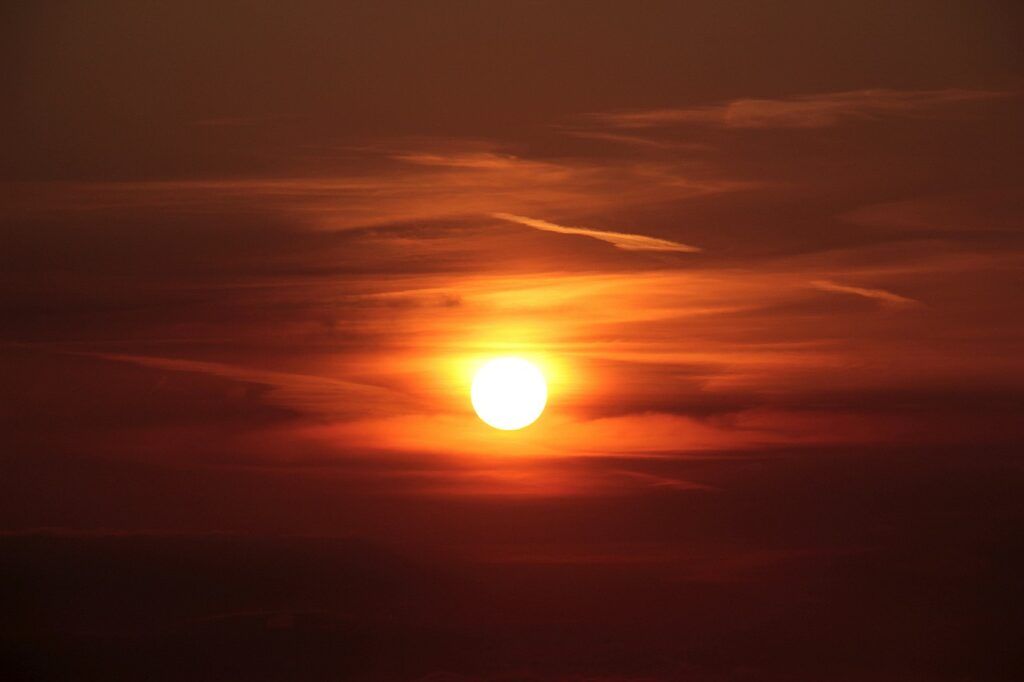
Awakening the Solstice Consciousness
This profound transition culminates during the winter solstice, the vital energetic gateway known ancestrally as the Inti Raymi.
The Metaphysics of the Cosmic Pivot
During the weeks leading up to the solstice, the sun reaches its furthest northern point from the equator.

In the pre-Columbian mind, this geometric reality sparked a deep spiritual urgency.
The Incas observed the sun moving further away each day, fearing that if they did not actively intervene through ritual, the source of all Kawsay might abandon the earth entirely.
Therefore, June does not invite passive waiting. It demands a fierce, intentional alignment of human consciousness.
The practitioner practices Tiyachikuy, the act of settling, grounding, and anchoring the self.
As the physical sun appears to stand still in the sky for three days, the initiate mirrors this stillness within.
We halt our outward projections, anchor our roots deep into the frozen soil, and offer our internal warmth to pull the solar spirit back toward the center of our lives.
“The winter solstice is the womb of the year. In the absolute darkness of the longest night, human intent acts as the spark that rekindles the solar fire. We do not just watch the sun return; our collective Munay literally pulls it back to earth.”
The Language of Sun
- Inti Raymi: The festival of the sun. More accurately, it represents the cosmic resuscitation of solar energy within the human heart and the earth.
- Chirawu: The brilliant, blinding clarity of the June winter sun. It represents uncompromised truth and absolute mental focus.
- Sunchu: A golden wild flower that blooms in June. Healers view it as a physical drop of solar gold left on earth to remind us of the sun’s hidden warmth.
The Pillars of the Sun’s Horizon
To track the early stages of this solar alignment in June, two specific power centers act as cosmic clocks:
- The Intihuatana of Pisaq: Perched high on a mountain ridge, this sacred hitching post of the sun was designed to literally “tie” the solar energy to the stone during the solstice. Standing here in early June allows you to feel the tightening of the invisible threads connecting the earth to the sky.
- The Hanan Pacha Towers: On the ridges surrounding Cusco, the Incas built massive stone pillars to track the precise sunset of the solstice. Watching the sun slide between these pillars in June aligns your physical sight with the mathematical precision of the ancestors.
References
- Zuidema, R. T. (1981). Inca Observations of High and Low Sun in the Sky. In Archaeoastronomy in the Americas.
- Dearborn, D. S., & Schreiber, K. J. (1986). Here Comes the Sun: The Astrometry of Inca Astronomy. Archaeoastronomy, 9, 15-32.
- Estermann, J. (1998). Filosofía Andina: Sabiduría indígena para un mundo nuevo. Instituto de Estudios Andinos.
This article draws on both academic literature and oral, lineage-based Andean knowledge. Teachings that originate from living traditions are cited in recognition of their ongoing transmission within Andean communities, while scholarly sources are used to support contextual interpretation.