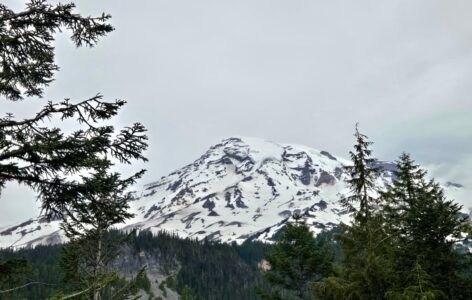
As the penultimate week of June approaches, the freezing winds of the high Punas sweep down into the Cusco valley. Survival in this extreme climate requires more than just mental focus. It requires physical resilience and insulation, a medicine for our Soul. To understand how to thrive in this environment, Andean cultural traditions turn their gaze to the Allqa (the Llama) and its cousin, the Alpaca.

Far from being mere beasts of burden, these sacred camelids represent a profound spiritual archetype of quiet strength, communal warmth, and the material weaving of our energetic protection.
The Llama as sacred gift of Ukhu Pacha
In the Western mindset, a herd animal is valued primarily for its wool and meat. In the Andes, however, the llama is a sacred gift from the Uku Pacha, sent to help humans navigate the harshness of the Kay Pacha.
The llama thrives where other animals perish. They convert the tough, sharp Ichu grass of the high altitudes into soft, insulating wool.
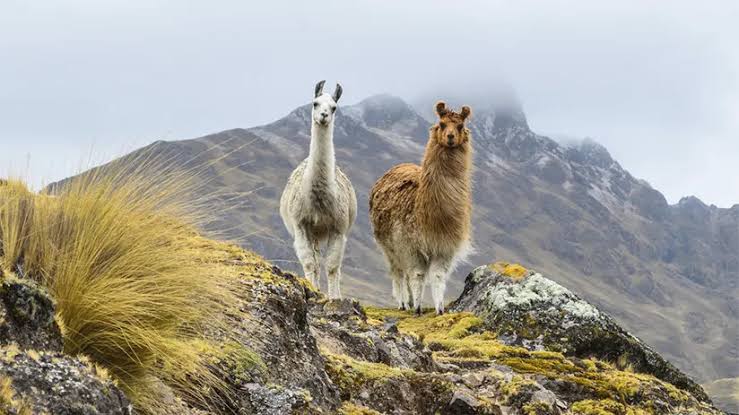
This transformation represents a core transpersonal lesson: the art of Transmutation. The llama teaches us how to take the harsh, biting realities of life, the cold winds of loss, disappointment, or isolation, and weave them into a soft, protective coat of wisdom.
During late June, communities celebrate the Ch’uyay. This is a ritual where they bless the herds with red wine and colorful wool tassels. By decorating the llamas, the community honors the animal’s Kallpa (vital force) and consciously aligns their own psyches with the llama’s quiet endurance.
The Celestial Llama
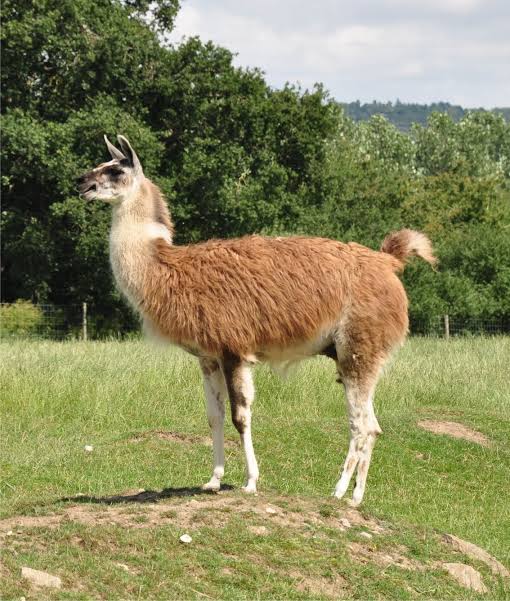
This relationship stretches far beyond the terrestrial pastures. When the Incas looked up at the dark, cloudless night skies of June, they did not just see stars; they saw the Urcuchillay, the great celestial Llama.
This is a “dark cloud constellation” formed by the black interstellar dust lanes within the Milky Way (Mayu).
The brilliant stars Alpha and Beta Centauri anchor the eyes of this cosmic llama.
In late June, as the celestial llama reaches its highest point in the night sky, it is believed to drink the waters of the earthly oceans and rain them back down, keeping the cosmic cycle of water (Unu) alive while the surface world freezes.
To align with the llama in June is to recognize that these cosmic currents directly guide our earthly survival.
“The llama walks the steep paths with a silent chest. It does not cry out against the cold; it simply grows thicker wool. We must learn from the llama how to dress our souls in beauty when the world around us turns sharp.”
The Language of the Fleece
- Allqa: The llama. Mystically, it represents the archetype of grounding, material balance, and physical stamina.
- Ch’uyay: The ritual blessing and purification of the herds, celebrating the sacred contract between humans and animals.
- Millma: Wool or fleece. In the spiritual tradition, woven wool acts as an energetic shield (Chumpi). It prevents our personal power from leaking into the cold environment.
The Pastures of the Sky
To connect with the llama archetype during the late June freeze, specific landscape nodes offer direct energetic access:
- The Terraces of Tambomachay: This water temple was historically surrounded by royal llama pastures. The stone channels here mimic the gentle, rhythmic flow of water, matching the calm, pacing energy of the camelid herds.
- The High Plains of Chinchero: Sitting at a cold, wind-swept altitude, these plains are home to master weavers who still practice ancient Andean cultural traditions.
References
- Urton, G. (1981). At the Crossroads of the Earth and the Sky: An Andean Cosmology.
- Flores Ochoa, J. A. (1979). Pastoralists of the Andes: The Alpaca Herders of Paratía.
This article draws on both academic literature and oral, lineage-based Andean knowledge. Teachings that originate from living traditions are cited in recognition of their ongoing transmission within Andean communities, while scholarly sources are used to support contextual interpretation.