
At this stage, growth depends not only on favorable inputs but on the development of strength.
In this context, it refers to the capacity of organisms and systems to persist through variability. It reflects the ability to maintain function despite fluctuations in rainfall, temperature, and soil conditions.
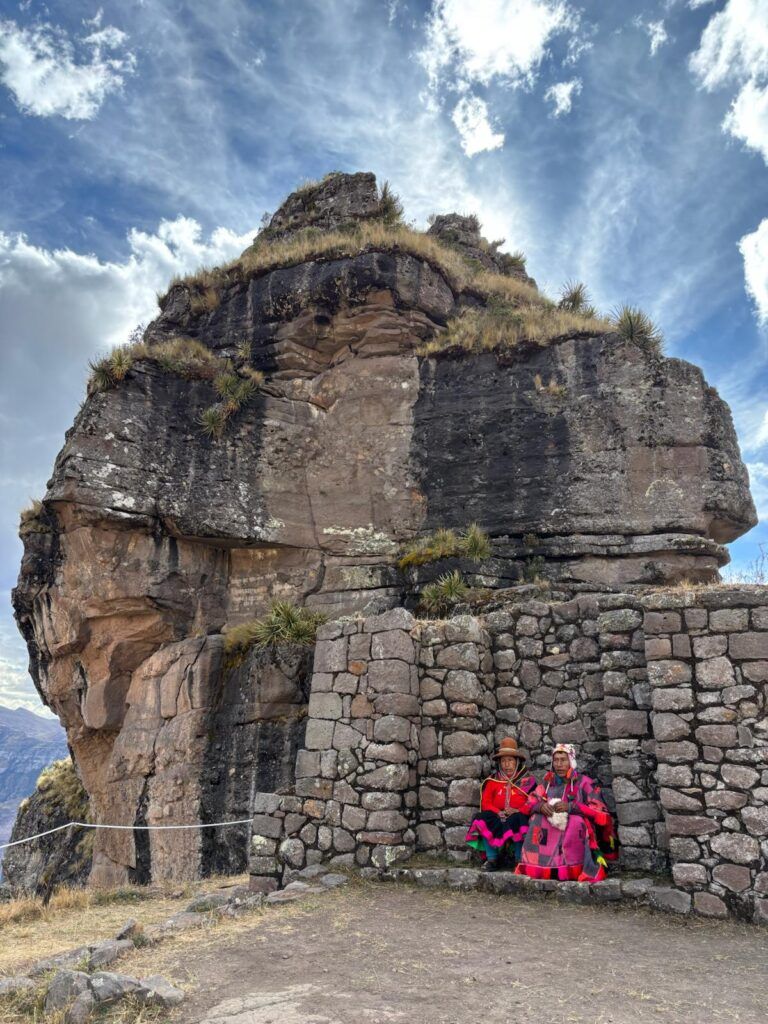


Strength as Adaptive Capacity
In Andean agroecological systems, strength does not imply rigidity. Rather, it emerges through adaptive processes. Plants respond to environmental stressors by modifying their growth patterns, deepening root systems, or reallocating internal resources.

These responses illustrate that it develops through interaction with variability.
Environmental pressures, such as irregular precipitation or shifting microclimates, do not simply threaten growth. They also contribute to the formation of resilience and stability over time. Strength, therefore, is not separate from challenge; it is shaped by it.
Ecological Knowledge and the Cultivation of Strength
Andean farmers actively support the development of strength by working with ecological conditions rather than attempting to eliminate variability. Through long-term observation, they identify patterns in plant behavior and environmental response.

This knowledge informs agricultural practices that reinforce strength.
Crop diversity, soil management, and strategic timing of interventions contribute to the capacity of plants to endure changing conditions. These practices reflect a deep understanding of how strength develops within complex ecological systems.
Strength Within Biodiverse Systems
Biodiversity plays a central role in sustaining strength. Andean agricultural landscapes often include multiple crop varieties adapted to different altitudes, soil types, and climatic conditions.
When one crop experiences stress, others may continue to thrive, maintaining overall productivity. Strength, therefore, emerges not only at the level of individual plants but within the relationships that structure the entire system.
Implications for Human Systems
The concept of strength extends beyond ecological contexts. Human systems, social, psychological, and cultural, also depend on the capacity to endure variability.
It develops through repeated interaction with changing conditions, rather than through avoidance of difficulty.
April, as a seasonal phase, illustrates that growth becomes sustainable when it acquires endurance. What began as emergence must now stabilize through adaptive strength.
In this way, it represents a critical stage in the transition from initial growth to long-term continuity.

References
- Zimmerer, K. S. (1996). Changing fortunes: Biodiversity and peasant livelihood in the Peruvian Andes. University of California Press.
- Altieri, M. A., & Nicholls, C. I. (2017). The adaptation and mitigation potential of traditional agriculture in a changing climate. Climatic Change, 140(1), 33–45.
- Brush, S. B. (2004). Farmers’ bounty: Locating crop diversity in the contemporary world. Yale University Press.
This article draws on both academic literature and oral, lineage-based Andean knowledge. Teachings that originate from living traditions are cited in recognition of their ongoing transmission within Andean communities, while scholarly sources are used to support contextual interpretation.