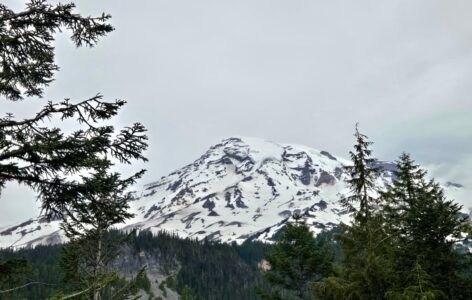
By the final week of August, agricultural labor across the highlands reaches a frantic pace. Farmers, traders, and pilgrims constantly navigate the steep, treacherous mountain paths connecting high-altitude pastures to valley fields. Along the highest ridges and wind-swept passes, travelers encounter Apachetas, monumental stone cairns built over centuries of continuous human passage.
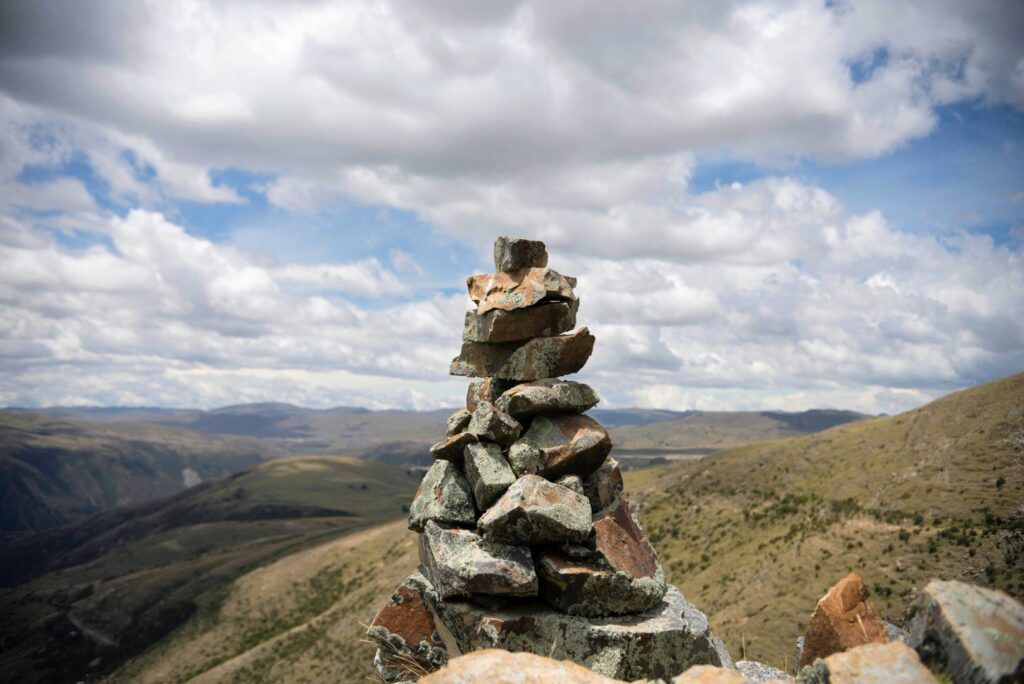
Within the living lineage of Andean tradition, stopping at an Apacheta is not merely a rest break; it is a vital somatic practice of physical rejuvenation and energetic exchange known as Saywa Churay.
The Mechanics of Physical Offloading
Climbing steep, low-oxygen mountain trails with heavy loads creates intense physical fatigue and muscular density (Hucha). When a traveler reaches the crest of a pass, custom demands that they do not simply collapse on the ground. Instead, they select a heavy stone from the trailside and carry it up to the Apacheta.
This simple action forms the foundation of Kallpa Hap’iy, the transference of exhaustion into the earth.
Stone possesses an immense capacity to absorb, digest, and refine heavy human energy. As you press your forehead against the cool stone and rest it on the cairn, you consciously transfer your physical fatigue, sore muscles, and mental worries into the rock.

The Apacheta acts as a collective spiritual transformer. It consumes the heavy weight of every weary traveler. It neutralizes it within the bedrock, and returns fresh, vibrant strength directly into your limbs.
The Ritual of the Coca K’intu in High Passes
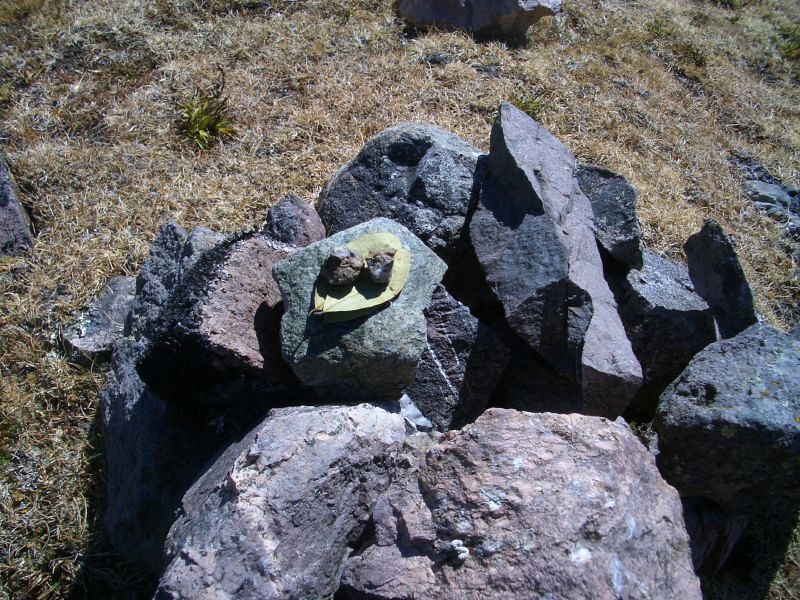
Before leaving the pass, the traveler completes the exchange by tucking a small K’intu beneath the newly placed stone or pouring a few drops of water onto the cairn base.
This gesture transforms an act of physical relief into a sacred contract with Apu.
You do not leave the high pass as a depleted wanderer; you leave as a renewed partner, stepping downward into the coming month with light legs, clear lungs, and a deep sense of ancestral protection.
“Leave your exhaustion on the mountain pass. The stone can carry what your knees cannot, and the Apu will turn your heavy breath into fresh wind.”
The Language of the Pass
- Apacheta: A sacred stone cairn erected at high mountain passes or crossroads. It honors mountain spirits, absorb fatigue, and protect travelers.
- Saywa Churay: The intentional act of placing a stone upon a cairn to mark a boundary, anchor a prayer, or complete a spiritual exchange.
- Kallpa Hap’iy: The process of reclaiming physical vitality and life force through direct contact with sacred earth elements.
The Monumental Passes of the Andes
To experience how high cairns transform physical fatigue into spiritual strength during late August, two legendary mountain passes around Cusco stand as living monuments:
- The High Pass of Salkantay (4,630m): Situated directly between the towering peaks of Apu Salkantay and Humantay, this massive Apacheta has absorbed the physical prayers and heavy stones of millions of travelers crossing from the highlands to the cloud forest.
- The Wind Pass of Lares (Willkikasa): Ancient traders crossing between the Sacred Valley and high thermal springs built this prominent pass cairn. Ancient Paqos burned offerings here on high ridges, capturing the full intensity of the late August sun.
References
- Bandelier, A. F. (1910). The Islands of Titicaca and Koati. The Hispanic Society of America.
- Sillar, B. (1996). The Personification of Things: The Animistic Value of Commodities in the Andes. Journal of Material Culture.
This article draws on both academic literature and oral, lineage-based Andean knowledge. Teachings that originate from living traditions are cited in recognition of their ongoing transmission within Andean communities, while scholarly sources are used to support contextual interpretation.