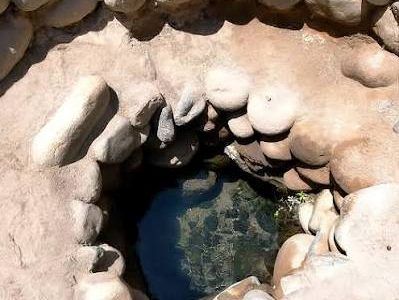
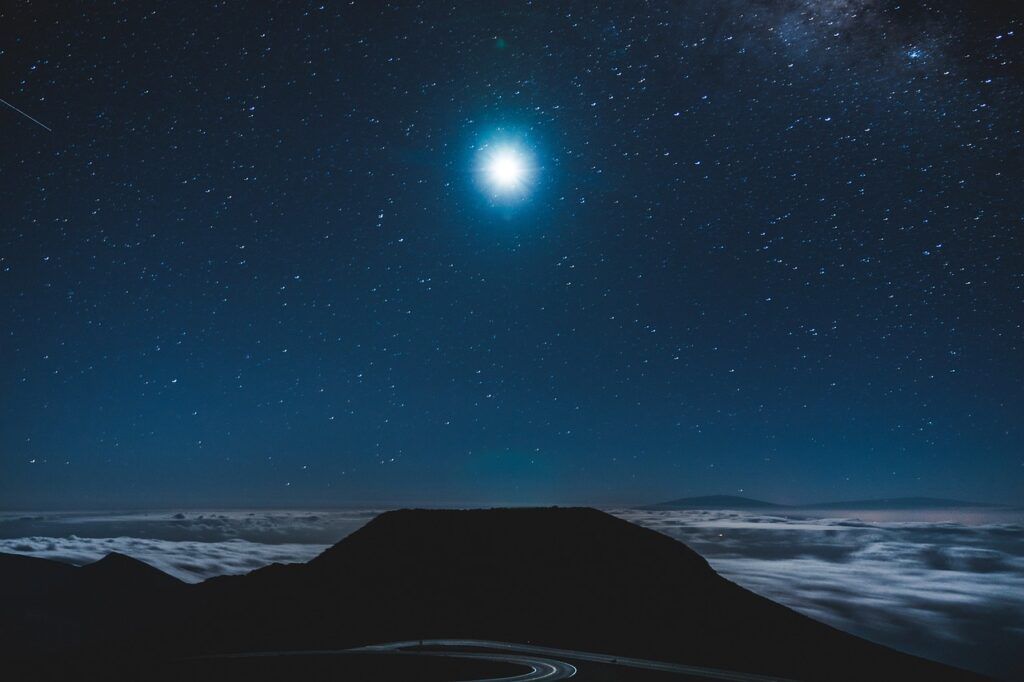
While August (Chakrayukuy) turns our gaze to the dry, dormant earth waiting to be awakened, September calls upon the waters (Yaku) to fertilize, cleanse, and nourish the soil for the planting cycle ahead. At the center of this seasonal transition stands Mama Killa (Mother Moon), the archetype of feminine protection, intuitive wisdom, and temporal rhythm. In sacred partnership with the Puquios, the natural, living springs that flow from deep within the mountains (Apus), Mama Killa’s silver light governs the waters of the earth and the fluid currents within our own bodies.
The Sacred Architecture of the Puquios
Puquios are far more than hydrological outlets in the Andes; they are understood as pacarinas (places of origin and emergence) and sacred portals through which Pachamama breathes. During September’s celebration of Qoya Raymi, women historically gathered at these springs before dawn to perform rites of energetic cleansing (Pichay).
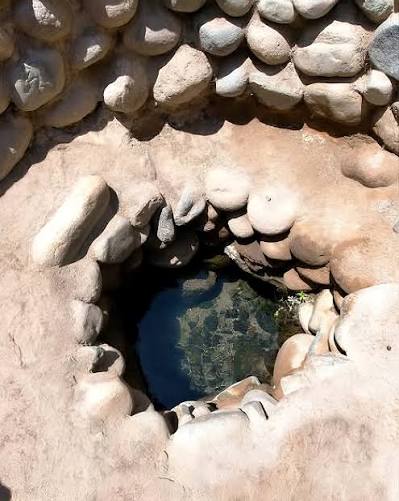
By bathing in or blessing themselves with spring water under the waning or full September moon, the community sought to:
- Clear Heavy Energy (Hucha): Wash away lingering stagnation, illness, or discord before the energetic intensity of the agricultural year begins.
- Invoke Fertility: Align internal reproductive and creative cycles with the fertility of the earth.
- Offer Gratitude (Ayni): Present flowers, coca leaves, and sweet scents to the spirit of the spring (Puquio Dueño or Yaku Mama).
Mama Killa: The Ruler of Cycles and Intention
Where Inti (the Sun) represents direct action, heat, and manifestation, Mama Killa represents the quiet, fertile space where intentions incubate. In September, her influence is especially strong as the equinox draws near:
- Restoring Emotional Balance: Just as the moon pulls the ocean tides, Mama Killa influences our emotional body. Working with water rituals during September helps soothe overactive minds and harmonizes internal tension.
- Planting with Lunar Wisdom: Traditional Andean farmers closely observe Mama Killa’s phases. Seeds sown during the waxing moon absorb moisture more effectively, ensuring strong roots as the spring sun warms the soil.

Simple Practice: Creating Lunar Water at Home
You do not need to be in the high Andes to connect with the purifying energy of Mama Killa and the springs. You can craft a simple lunar water blessing at home:
- Prepare a Glass Vessel: Fill a clean glass bowl or jar with fresh water.
- Add Natural Elements: Add a few white flower petals, a sprig of rosemary, or a drop of rosewater.
- Expose to Moonlight: Place the vessel outdoors or near a window sill where it can catch the moonlight during a September evening.
- Set Your Intention: Hold your hands over the water and silently ask Mama Killa to wash away heavy thoughts and fill your space with light energy (sami).
- Use for Cleansing: The next morning, use this water to wash your face and hands, or sprinkle it around your home to reset its energetic atmosphere.
Key Takeaways for September’s Journey
- Water (Yaku) acts as the primary medicine of September, carrying off stagnation and preparing life to sprout.
- Springs (Puquios) connect us to the deep, unseen life force of Mother Earth.
- Aligning our personal routines with lunar phases grants us natural pacing, rest, and clarity.
References
- Allen, C. J. (2002). The Hold Life Has: Coca and Cultural Identity in an Andean Community (2nd ed.).
- Baulenas i Pubill, A. (2025). El Coya Raymi y la esfera de poder femenino en el incanato. Chungará (Arica), 57, e02625.
- Gullberg, S. R. (2019). Inca astronomy: Horizon, light, and shadow. Astronomische Nachrichten, 340(1–3), 23–29.
- Urton, G. (1981). At the Crossroads of the Earth and the Sky: An Andean Cosmology.
This article draws on both academic literature and oral, lineage-based Andean knowledge. Teachings that originate from living traditions are cited in recognition of their ongoing transmission within Andean communities, while scholarly sources are used to support contextual interpretation.