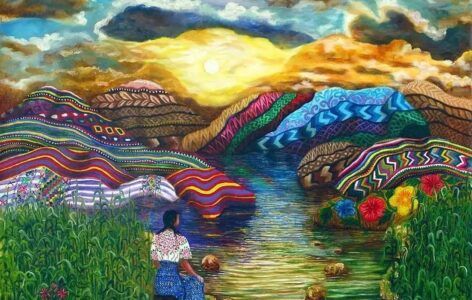
In this ninth installment of our September series, our focus turns to seed blessing rituals and Sarpay. This is sacred preparation of seeds and fields that ensures both physical nourishment and spiritual alignment for the year ahead.
The Concept of Sarpay: Preparing the Sacred Seeds
In modern industrial agriculture, seeds are often viewed as mechanical inputs designed for yield. In contrast, Andean cosmology approaches every seed (muyu) as a living, conscious entity containing latent life force (kawsay).
Before a single seed enters the ground during the planting season, it must undergo Sarpay. This is a process of energetic cleansing, blessing, and intention-setting.
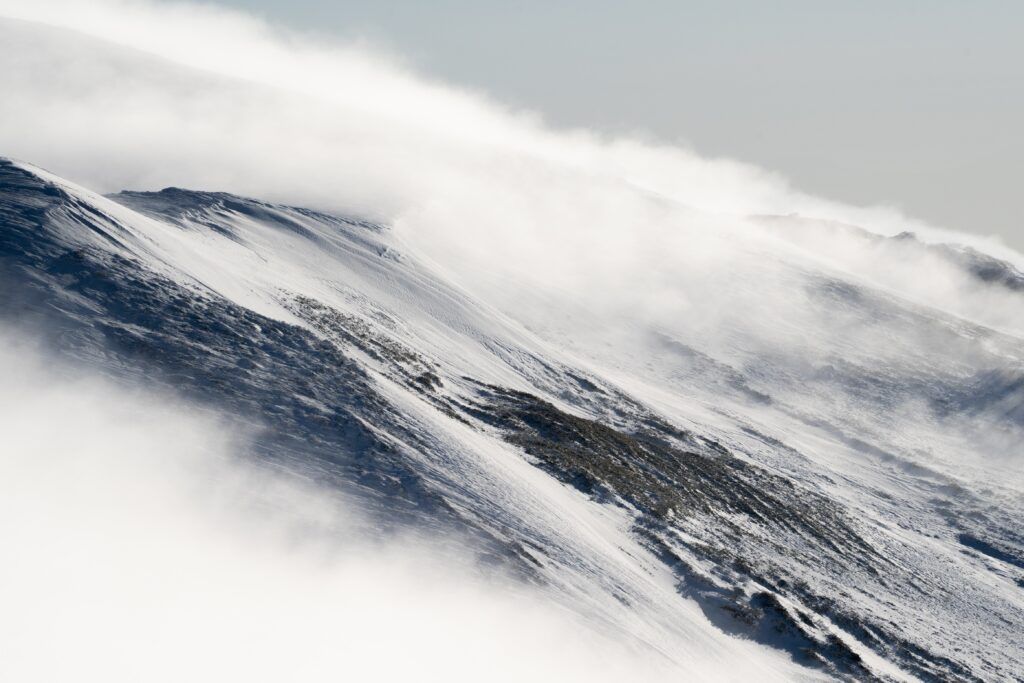
DORMANT LIFE (KAWSAY)
Seeds stored during winter in sacred unkuña cloths.

SOWING WITH INTENTION
Seeds planted into Pachamama with clear, loving intention.

Steps of the Seed Blessing Process
- Selection & Resting: The healthiest native seeds, varieties of corn, quinoa, kiwicha, and tubers. These are carefully selected and kept in handwoven unkuña cloths near family altars throughout winter.
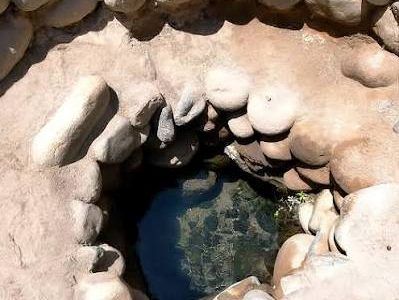
- Floral and Water Sprinkling (T’inkay): Before sowing, elders sprinkle the seeds with flower-steeped spring water (Puquio Yaku) or sacred libations to awaken their sleeping spirit.
- Breath Projection (Phukuy): Practitioners blow their warm breath through three sacred coca leaves (K’intu) over the seeds. They impart intentions of health, resilience, and community abundance.

“A seed planted without love or respect grows weak; a seed sown with sacred breath and gratitude feeds both the body and the spirit.”
Awakening Pachamama: The Earth Blessing Rites
While people prepare the seeds, they first greet the earth with respect before turning the soil. From this perspective, tilling the ground without permission disrupts the natural equilibrium and invites heavy energy into the relationship with the land.
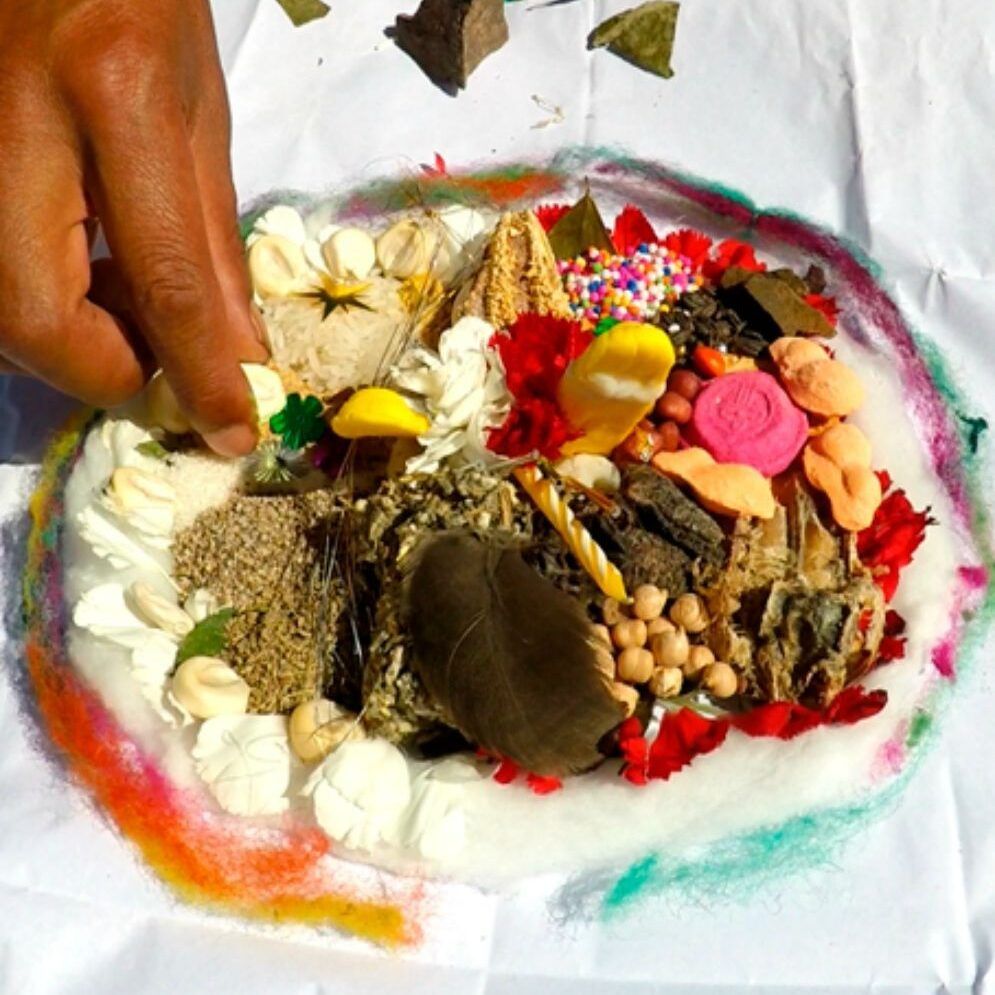
To harmonize this interaction, practitioners perform a Haywarikuy (sacred offering or despacho) dedicated specifically to the earth’s awakening:
- Offering Gratitude: Presenting coca leaves, sweet candies, red and white flowers, and seeds back to Pachamama as an initial act of Ayni (reciprocity).
- Anointing the Tools: Traditional foot-plows (chakitaklla) and hand tools are blessed with floral waters and coca leaves, ensuring that human labor moves in harmony with the soil.
- Communal Sowing (Minka): Families gather in collective work, singing traditional planting songs (Harawi) to keep the vibration light and joyful as seeds are nestled into the rows.
Practical Application: Seed & Intention Blessings for Home Practice
Whether you cultivate a full garden, tend home potted plants, or simply wish to plant metaphorical seeds of personal goals, you can adopt these principles through simple seed blessing rituals:
- Select Your Seeds or Intentions:
- Choose physical seeds for planting, or write down core personal goals on small slips of paper.
- Craft a Quiet Sanctuary:
- Place your seeds or written intentions on a natural fabric or small plate alongside a cup of clean water and a candle.
- Offer Your Breath (Phukuy):
- Hold the seeds near your heart, take three deep, slow breaths, and exhale gently over them, setting an intention of steady growth, patience, and vitality.
- Plant with Gratitude:
- As you place the seeds or intentions into the soil, offer a simple word of thanks to Mother Earth for holding and nourishing your journey.
References
- Allen, C. J. (2002).The Hold Life Has: Coca and Cultural Identity in an Andean Community (2nd ed.).
- di Salvia, D. (2018).Contribución a la ontología animista andina: Funciones, poderes y figuras en los cultos telúricos de los Andes sur-peruanos. Revista Española de Antropología Americana, 48, 219–242.
- Mayer, E. (2002).The Articulate Peasant: Household Economy and Resistance in the Andes.
- Urton, G. (1981).At the Crossroads of the Earth and the Sky: An Andean Cosmology.
This article draws on both academic literature and oral, lineage-based Andean knowledge. This work draws on teachings carried through living traditions, honoring their continued transmission within Andean communities while engaging scholarly sources to illuminate their historical and cultural context.