logo im

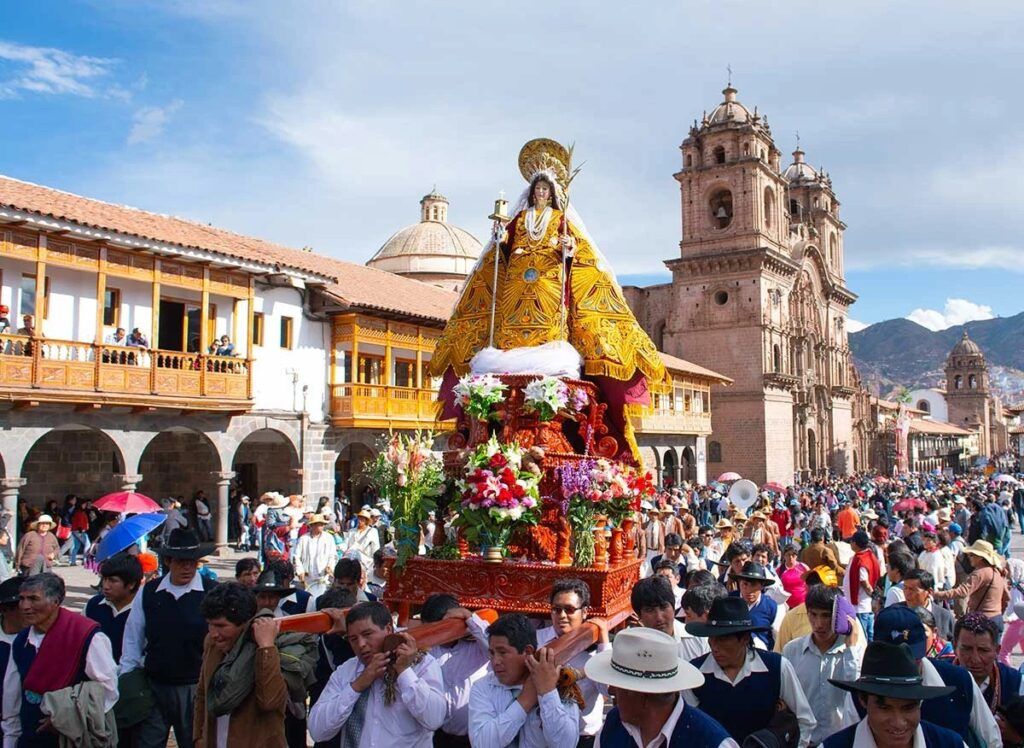
Mamacha Simona

Posted on

Location and Landscape

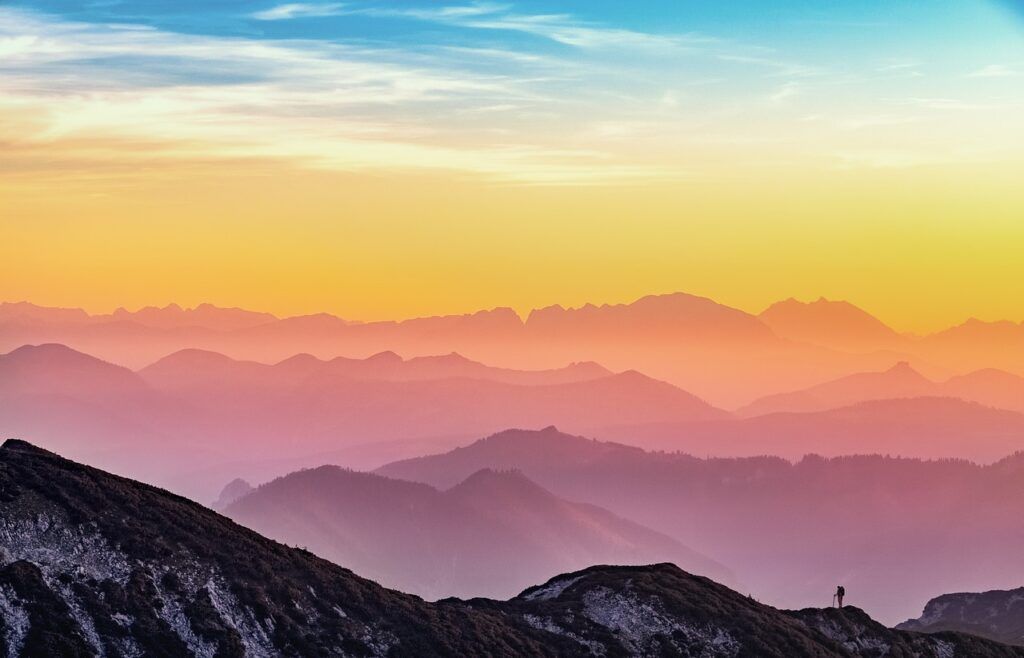
Apu Mamacha Simona stands northeast of Cusco, in the district of Ccorca. Travelers can reach it in approximately 1 hour and 30 minutes.

From a distance, its silhouette resembles a woman carrying a blanket. The slopes of this sacred mountain hold archaeological remains of the Qhapaq Ñan, the ancient inter-Andean communication route.

From its summits, visitors can admire Apu Salkantay, its counterpart Apu Huanacaure, Nevado Chicon, and other majestic peaks.

Ancestral Devotion and Oral Tradition

Master Raúl Apaza shares a story passed down by his grandfather, Santos. Each time Santos traveled from the Kiko community to Cusco—a journey lasting several days—he prayed to Apu Mama Simona (Apaza, 2025).

For the Apaza family, Mama Simona symbolizes the mother of Cusco, maintaining a sacred connection with other female mountains such as Pitusiray, Juana Wamantiklla, and Apu Veronica.

Origins of the Name Mama Simona

The name “Mama Simona” reflects Spanish influence. Before colonization, people referred to this Apu by names such as Apian and Yauriac (Bolivar, 2015).

Historians agree that in pre-Hispanic times, different rituals took place here. However, during the extirpation of idolatries, the Spanish renamed it “Simón” after a biblical figure.

Over time, the name evolved into “Mama Simona” (Bolivar, 2015).

Legends and Symbolism

Many legends about the Apus revolve around lineage conflicts. According to the inhabitants of Ccorca, both Apu Salkantay and Apu Ausangate sought Mama Simona’s love, offering her gold and silver.

To prevent conflict between them, she chose to stay with Apu Machu Quimon, who stands above her (Chávez, 2001).

Spiritual Significance and Feminine Energy of Mama Simona

People associate Mamacha Simona with the concept of a purified virgin. Many villagers believe she grants the blessing of children and visit her seeking fertility, health, and family well-being (Bolivar, 2015).

As a great mother, she offers wisdom and knowledge to those willing to listen. She serves as a channel for feminine energy and nurturing (Apaza, 2025).

Author: Joan De la colina Roman


References:

  • Bolívar Yapura Wilber (2015) Mama Simona: memoria ancestral y contemporánea, en Arqueología y Sociedad
  • Apaza Flores Raul(2024) Conversaciones con maestro Raul
  • Chávez Chávez, J.A. (2001) Investigaciones arqueológicas de alta montaña en el sur del Perú.

Huanacaure Mountain

Posted on

To the south of the valley of Cusco, is the Wanakawri or Huanacaure mountain, this huaca in the same way that Saqsaywaman are representative axes of the sacred geography of the city.
For the Mestro Alejandro Apaza this mountain is like the father of Cusco with direct relation to the Hanan Pacha (high world).

And it is not for less in time of the Incas the Hunacaure had a telluric component in addition to keeping close relationship with the Inti, sun (Ziólkowski, 2015).

At the same time, it also connected with the Rainbow and Amaru (a sacred term for the snake), in other words, the thunder as both progenitor and intermediary (Ziólkowski, 2015).

Huanacaure: The First Waka Inka and Sacred Mythical Origin

According to studies, the Huanacaure was the first Waka Inka in the Cusco region being the first site of worship that would later open space for the other wakas.

The myths related to this place indicate that one of the brothers of the first Inka, Ayar Uchu, transformed into stone to create an object of worship for his descendants, allowing communication with his father the Sun (Ziólkowski, 2015).

Another myth is related as the first settlement of the founders of Cusco coming from Paqareqthanpu (Paucartambo). According to Juan Santa Cruz Pachacuti this place would be the origin of other mythical wakas as Pitusiray and Sawasiray (Pachacuti,1613).


The same stone that transformed Ayar Uchu into a Wanka (medium monolith) was transported during wars and rituals, reaching as far as Quito. With the arrival of the Spanish, they destroyed this divinity (Zecenarro, 2003).

Currently, roads, aqueducts, terraces, and dams cover its slopes. The relationship between the Huanacaure and Cusco is also visible, with alignments between them, such as Avenida El Sol, which extends toward the mountain, and the Saphi River.


Author: Joan De la colina Roman


References:

  • Ziólkowski, M. S. (2015). Pachap Vnancha: El calendario metropolitano del estado inca (1ra edición). PTSL ; Ediciones El Lector.
  • Zecerrano,German(2003) Apus tutelares y asentamientos del Cusco Preinca
    Pachacuti Yamqui Salcamayhua J. de Santa Cruz(1993) Relacion de antiguedades deste reyno del Piru (estudio etnohistorico de P.Duvoils y C.Itier)

Hummingbird Energy Transmission in Andean Culture

Posted on

The hummingbird, known as “Kinti” in Quechua, holds deep spiritual significance in Andean cosmology. It is revered as a messenger between worlds, carrying wisdom from the spirit realm and transmitting energy that connects humans with the divine.

The concept of “Hummingbird Energy Transmission” refers to the way in which the hummingbird serves as an intermediary of high-frequency vibrations. It promotes transformation, resilience, and the pursuit of the soul’s journey.

Symbolism of the Hummingbird in Andean Traditions

In the Andes, the hummingbird symbolizes joy, perseverance, and the ability to travel between dimensions. Shamans and spiritual practitioners view this tiny yet powerful bird as a guide for those seeking enlightenment.

According to Andean wisdom keepers, the hummingbird’s flight patterns represent the weaving of energy across time and space. Much like the sacred energy lines or “ceques” that connect the ancient Inca temples and wakas (Abercrombie, 1998).

Energy Transmission and Spiritual Connection

The heart chakra, love, and divine communication often align with hummingbird energy. Shamans believe that those who resonate with hummingbird energy can receive messages from the spiritual world.

In Andean ceremonies, offerings known as “despachos” often include images or feathers of hummingbirds, invoking their energy to facilitate transformation (Villoldo, 2006).

Furthermore, this bird hovers in stillness despite rapid wing movements, serving as a metaphor for spiritual focus amidst life’s chaos. This stillness in movement is a lesson in mindfulness, reminding individuals to stay present while navigating life’s challenges.

Hummingbird Medicine and Shamanic Practices

Hummingbird energy is considered a form of spiritual medicine in Andean shamanism. Those who carry this energy, often called “hummingbird people,”. They are believed to have an innate ability to seek out the nectar of life—the beauty and sweetness that existence offers—despite hardships.

Initiates in Andean spiritual traditions may undergo rituals where they invoke hummingbird energy to strengthen their inner guidance and adaptability (Jenkins, 2013).

One such ritual involves connecting with the energy of the hummingbird through meditation, visualization, or direct encounters in nature.

Shamans may also conduct energy transmissions, using sacred sounds, feathers, or breathwork to channel the vibration of the hummingbird into a person’s energy field.

The hummingbird’s role in Andean spirituality goes beyond its physical presence—it represents an energetic transmission of resilience, beauty, and divine connection.

Those who embrace this bird energy can learn to navigate life’s challenges with grace, remaining focused on their soul’s higher purpose.

Whether through meditation, ritual offerings, or direct encounters, invoking the essence of the bird allows for profound spiritual transformation.


References

  • Abercrombie, T. (1998). Pathways of Memory and Power: Ethnography and History Among an Andean People. University of Wisconsin Press.
  • Villoldo, A. (2006). Shaman, Healer, Sage: How to Heal Yourself and Others with the Energy Medicine of the Americas. Harmony.
  • Jenkins, D. (2013). The Lost Wisdom of the Inca: Spiritual Vision and Initiations from the Andes. Bear & Company.

Feminine Energy: Andean Meaning

Posted on

In the Andean spiritual tradition, Feminine Energy is revered as a powerful force of creation, healing, and transformation. This sacred energy is deeply connected to Pachamama (Mother Earth) and manifests through nature, intuition, and the cycles of life.

Pachamama, the mother, transmits the miracle of life with intelligence and love.

Furthermore, the Ñusta Karpay, or “initiation of the Ñustas,” is a profound set of energetic transmissions that help awaken and balance this divine feminine power within individuals, regardless of gender.

Who Are the Ñustas?

The Ñustas are ancient Incan priestesses, goddesses, and feminine spirits that embody different aspects of wisdom, love, and power.

Each Ñusta represents a unique frequency of feminine energy, offering guidance and healing to those who connect with them. Some of the most revered Ñustas include:

Doña María Sakapana – Guardian of the winds and communication.

Mama Simona – Wisdom keeper of the ancestors and sacred mountains (Apus).

María Asunción – Healer of emotional wounds and relationships.

Thaña Huamán – Embodiment of strength and warrior spirit.

Tomasa Huamán – Keeper of the sacred waters and emotional flow.

These Ñustas are invoked through sacred ceremonies, meditation, and direct transmissions in the Ñusta Karpay initiation process.

The Feminine Energy Transmission

The Ñusta Karpay consists of seven energetic rites that initiate a deep healing process within an individual. These rites help cleanse limiting beliefs, emotional blockages, and imbalances between masculine and feminine energies.

Andean shamans (Paqos) have traditionally passed down the process through sacred rituals involving nature, breathwork, and energetic transmissions.

Participants experience a reconnection with their own sacred feminine essence, leading to a profound transformation in their relationships, self-awareness, and connection to the world.

Balancing Masculine and Feminine Energies

Modern society often overemphasizes masculine energy—action, logic, and productivity—while undervaluing the feminine qualities of intuition, receptivity, and nurturing.

The Ñusta Karpay helps restore this balance, allowing individuals to embrace both aspects of their being.

Moreover, this balance is not only essential for personal well-being but also for the healing of collective consciousness

As more people awaken to the wisdom of the Ñustas, there is a greater potential for harmony between humanity and nature.

For those seeking a deeper connection with their feminine essence, the path of the Ñustas offers a sacred invitation to embrace intuition, love, and harmony with all beings.


References

  • Jaramillo, A. (2018). The Andean Sacred Feminine: Connecting with the Ñustas for Spiritual Growth. Inner Traditions.
  • Wilcox, J. (2013). Masters of the Living Energy: The Mystical World of the Q’ero of Peru. North Atlantic Books.
  • Villoldo, A. (2006). Shaman, Healer, Sage: How to Heal Yourself and Others with the Energy Medicine of the Americas. Harmony.
  • Sullivan, L. (1988). Icanchu’s Drum: An Orientation to Meaning in South American Religions. Macmillan Publishing.

Important Andean Mountains: Apu Pitusiray and Sawasiray

Posted on

The Apu Pitusiray and Sawasiray, located in the Sacred Valley of the Incas, in the province and district of Calca, are the most emblematic mountains of these lands. The Andean people consider these two peaks inseparable, deeply intertwining them in their spiritual and cultural traditions.

Sacred Symbolism in Andean Cosmovision

For the Apaza family of the Qero Nation, both mountains hold a sacred presence in their prayers and spiritual geography.

The Andean people see these two peaks as symbols of loving union, fertility, and marital well-being, believing they represent a pair of spouses.

The Myth of Pitusiray and Sawasiray

Among the local inhabitants and in the broader Andean imaginary, a powerful mythology surrounds these mountains. The legend tells the story of an Ñusta (Inka princess) named Sawasiray, who falls in love with a humble farmer, Pitusiray.

However, their love is forbidden, as her father, the Inka Urqu Waranqa, has already chosen another suitor for her: Rumi Maki.

In an effort to win Sawasiray’s hand, a contest is arranged—whoever can bring water to the dry community of Urco will marry the princess.

Rumi Maki emerges victorious by constructing a canal from the Qan Qan lagoon. However, during the wedding ceremony, Sawasiray and Pitusiray flee to the snowy mountains of Lares.

In punishment, the gods turn them into stone, forever standing as the peaks of Pitusiray and Sawasiray (Thornton, 2011).

Interpreting the Myth: Cosmic Balance and Order

This tragic love story symbolizes adultery or the disruption of social order. The gods’ act of transforming the lovers into stone serves as a cosmic restoration of balance.

These snow-capped mountains continue to provide water to the land, ensuring fertility and productivity.

Their peaks, covered in snow, eventually melt under the sun’s rays, nourishing the earth below and maintaining the cycle of life (Sanchez, 1992).

Author: Joan De la colina


References

  • Thornton, Gillian, Las Montañas Respiran: La Cosmovisión de la Comunidad de Rayampata Representada a Través del Mito Pitusiray-Sawasiray (2011). Independent Study Project (ISP) Collection. 1182.
  • Sanchez Garrafa, Rodolfo (2006) Apus de los cuatro suyos: Construcción del mundo en los ciclos mitológicos de las deidades.
  • Sanchez Garrafa, Rodolfo (2006) Pitusiray y Sawasiray: mitos de alianzas y restauración cósmica.

The Fire Ceremony in Andean Cosmovision

Posted on

Fire has always been a sacred element in many spiritual traditions worldwide, and in the Andean cosmovision, it plays a crucial role in connecting the physical and spiritual realms.

The Fire Ceremony is an ancestral ritual that allows participants to offer prayers, release negativity, and seek transformation through the sacred flames.

The Role of Fire in Andean Spirituality

In Andean traditions, fire is not merely a physical phenomenon but a living entity with consciousness.

It is one of the primary Apus (sacred forces) that mediates between humans and the spiritual world. People believe the fire has the power to purify, heal, and bring clarity.

It is often invoked to cleanse energies and to communicate with Pachamama (Mother Earth), the Apus (mountain spirits), and the Taytas y Mamas (sacred ancestors).

According to paqos, fire is an ally that helps us transform our fears, limitations, and obstacles into wisdom and strength.

The ceremony provides an opportunity to align with nature and restore harmony in one’s life.

How this Ceremony is Performed

Each Fire Ceremony follows a structure that varies depending on the lineage and tradition of the paqos leading it. However, most ceremonies include the following elements:

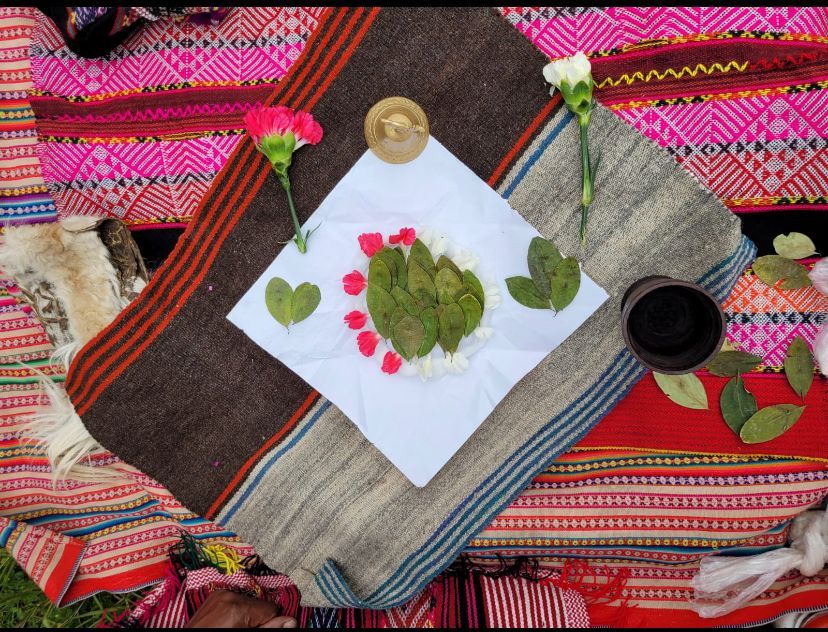
  1. Preparation and Sacred Space – The ceremony begins by setting up a sacred space, often outdoors, where participants gather in a circle around the fire. The mesa (sacred altar) may be prepared with offerings such as coca leaves, flowers, and sacred stones.
  2. Invocation of Sacred Beings – The paqo or shaman calls upon the spirits of the fire, the four directions (North, South, East, and West), and other sacred entities to bless the ceremony.
  3. Offerings and Intentions – Participants write their prayers, fears, or wishes on small pieces of paper or prepare natural offerings such as wood, resins, or medicinal herbs. These are then placed into the fire as an act of release and transformation.
  4. Chanting and Music – Participants use traditional Andean songs, drums, and chants to elevate the energy and create a connection with the spiritual world.
  5. Closing and Gratitude – After the fire consumes the offerings, participants express gratitude to the spirits and may receive personal messages or insights from the paqos.

The Meaning and Benefits of the Fire Ceremony

The Fire Ceremony serves multiple purposes, including:

  • Purification: Releasing old wounds, traumas, or negative emotions.
  • Transformation: Helping individuals embrace change and new beginnings.
  • Connection: Strengthening the bond with nature and spiritual ancestors.
  • Healing: Restoring balance to one’s emotional and energetic field.

Many who participate in Fire Ceremonies report feeling lighter, more connected, and empowered after the experience.

The ritual is not just about letting go but also about igniting new intentions and embracing personal growth.

How to Participate in Fire Ceremony

If you are interested in attending a Fire Ceremony, it is essential to do so with respect and openness. Many Andean communities and spiritual centers offer these ceremonies, guided by experienced paqos.

Here are some recommendations:

  • Seek a reputable Andean paqo or shaman who carries authentic lineage and knowledge.
  • Approach the ceremony with humility and a sincere heart.
  • Bring natural offerings such as coca leaves, flowers, or wood if required.
  • Dress appropriately for outdoor conditions, as ceremonies often take place in nature.
  • Be open to the experience and the messages that may arise.

References

  • Villoldo, A. (2006). Shaman, Healer, Sage: How to Heal Yourself and Others with the Energy Medicine of the Americas. Harmony.
  • Merlino, S. (2019). Andean Wisdom: Shamanic Teachings for Spiritual Growth and Personal Transformation. EarthSky Books.
  • Rösing, I. (2003). The Teachings of the Incas: A Guide to Andean Spirituality. University of Arizona Press.