logo im

Sacred Ausangate Mountain

Posted on

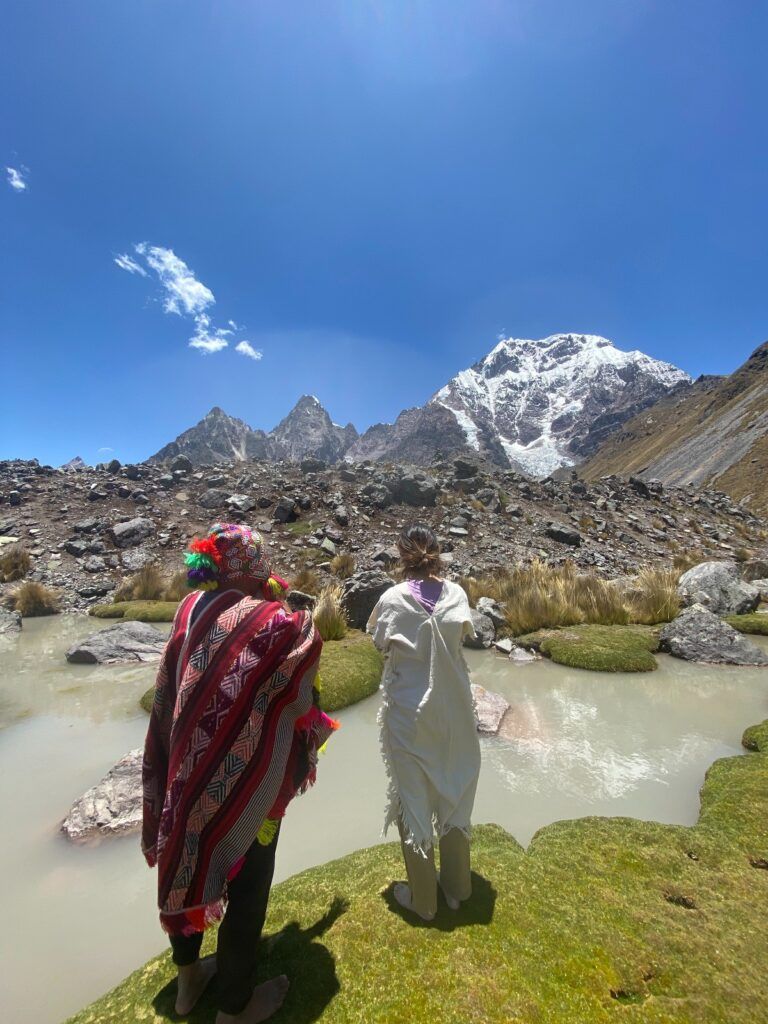
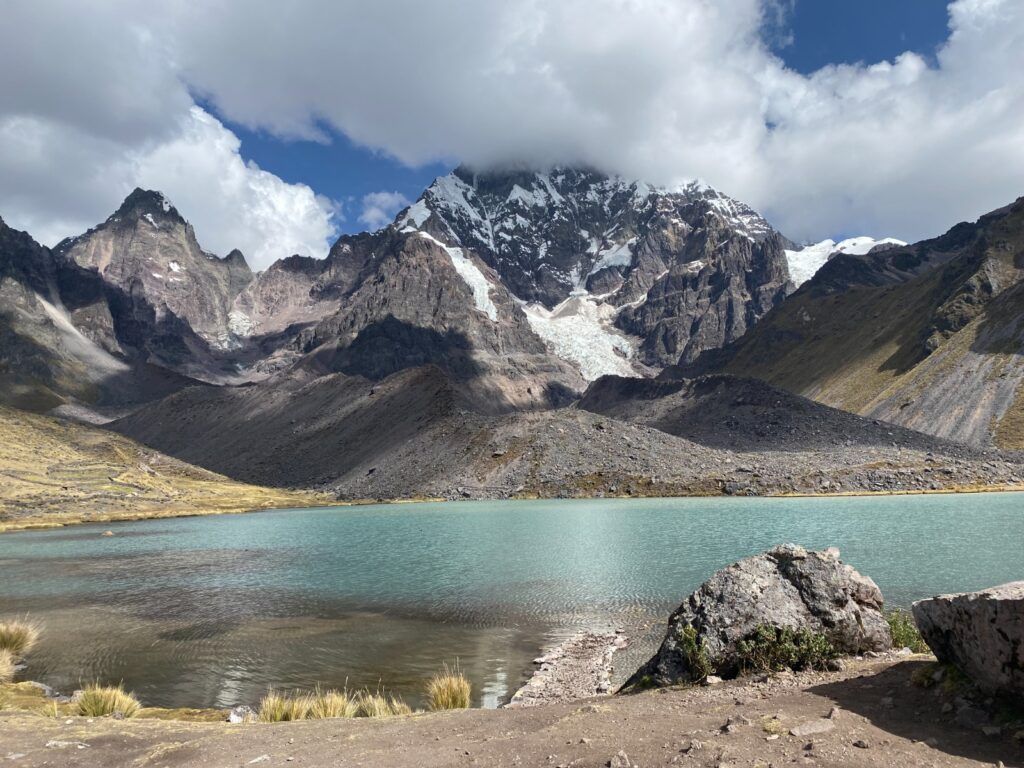
Southeast of the city of Cusco, a snow-capped mountain called Ausangate rises to 6,384 meters above sea level. As the highest peak in Cusco, it holds religious, biological, and cultural significance not only for the region but also for the country and the world.

The Meaning of Ausangate Mountain

According to Sánchez, the name Awsangate comes from Aymara and means “the one who gathers or unites the family.” This name gives it the symbolic role of a father or elder, representing power and hierarchy. People have worshiped Ausangate since pre-Incan times, and possibly even since primordial times.

Numerous legends surround Apu Ausangate, and some even claim that it played a role in wars of independence and the saltpeter wars. Here, we will explore two of the most important stories.

The Living Spirit in the Sacred Mountain

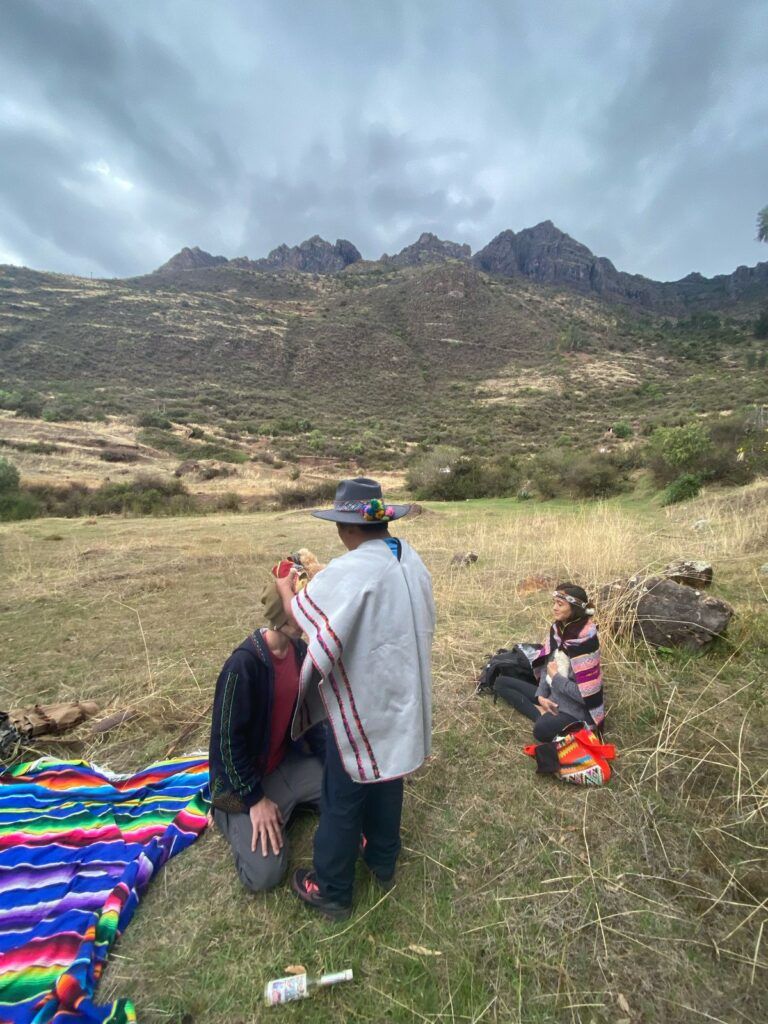
Apu Ausangate is a living being who was once a man—a good man—who spoke with shamans and told them what he needed. He himself taught how to make offerings; he could speak and communicated with farmers and shamans. In this way, people pleaded with Ausangate as if he were their father, asking for success in their work, the well-being of their animals, and healing for their illnesses. When they cultivated the land, they would blow coca leaves towards him and pour wine as an offering (Condori & Gow, 1982).

The Family of Ausangate

People believe that Apu Ausangate is a living being who was once a man—a good man—who communicated with shamans and guided them in their offerings. He spoke with both peasants and shamans, teaching them how to make offerings and understanding what they needed. People prayed to Ausangate as if he were their father, asking for blessings for their work, the well-being of their animals, and healing for their illnesses. As part of their rituals, they blew coca leaves and poured wine as offerings (Condori & Gow, 1982).

According to tradition, Apu Ausangate had six sons and six daughters (Sánchez, 2006). Among them were María Huamanticlla, Juana Sacapana, and Tomasa Quinchu, as well as his eldest son, Sawasiray. His brothers included Machu Ausangate, Wayna Ausangate, and Kayangate.

The Power of Ausangate in Andean Spirituality

This Apu is capable of granting the star, known as kamaq, a divine quality. It is a giver of knowledge (Szemiński et al., 2018), necessary to become a high misa (Andean priest). Ausangate and other Apus bestow inqaychu—sacred stone amulets that ensure fertility. Likewise, Cayangate, Apu Qulqi Cruz, Apu Jahuaycate, and all the Apus gift sacred stones to those who are fortunate.

Author: Joan De la colina


References

Szemiński, J., Ziółkowski, M. S., & Wachtel, N. (2018). Mitos, rituales y política de los incas (R. Zeballos Rebaza, Trad.; Primera edición). Ediciones El Lector.

Condori, Bernabé & Gow, Rosalind (1982). Kay Pacha. Editorial CBC, Cusco.

Sánchez Garrafa, Rodolfo (2006). Apus de los Cuatro Suyos: Construcción del Mundo en los Ciclos Mitológicos de las Deidades Montañas.

Orion Stars Initiation: A Cosmic Pathway to Transformation

Posted on

The Orion constellation has long been a symbol of power, transformation, and cosmic connection. Within Andean spiritual traditions, the Orion Stars Initiation is a sacred practice that allows individuals to receive energy transmissions from Orion’s Belt.

This initiation serves as a bridge between dimensions. It offers wisdom, balance, and a deeper understanding of our place in the universe.

The Significance of Orion in Andean Cosmology

Orion’s Belt holds special meaning in the Andean cosmovision, particularly in relation to the Inca Cross, or Chacana.

The Chakana represents the interconnectedness of the three worlds: the upper world (Hanan Pacha), the middle world (Kay Pacha), and the lower world (Ukhu Pacha).

Orion is believed to function as a cosmic gateway, facilitating the flow of wisdom, energy, and transformation between these realms.

For the Incas, Orion’s Belt was a celestial reference point, often used in alignment with sacred temples.

Its presence in the sky was not only a marker of time but also a source of divine energy, guiding spiritual seekers toward enlightenment and inner harmony.

Myths surrounding Orion frequently emphasize heroism, cosmic battles, and the eternal journey of the soul towards wisdom and illumination.

Awakening Inner Power

The transmission of Orion’s energy is a powerful empowerment ritual.

Unlike other initiations, this practice does not require mastery in shamanic traditions—anyone who feels called to explore spiritual and healing practices can participate.

The Orion Initiation is particularly beneficial for those seeking:

  • Deep spiritual transformation
  • An enhanced connection to cosmic wisdom
  • The ability to channel higher energies for healing
  • Clarity, balance, and a renewed sense of purpose

The initiation is performed in sacred Incan temples or from the comfort of one’s home, guided by the ancestral lineage of Andean shamans, such as the Apaza family Paqo masters.

These transmissions help individuals harness Orion’s celestial energy, fostering resilience, intuition, and an expanded awareness of their soul’s journey.

Pleiades vs. Orion: Understanding the Differences

While both the Pleiades Initiation and the Orion Stars Initiation are deeply rooted in Andean spiritual practices, they serve different purposes and work with distinct cosmic energies:

AspectPleiades InitiationOrion Stars Initiation
Celestial BodyThe Pleiades (Seven Sisters)Orion’s Belt & Orion Constellation
SymbolismConnection, guidance, ancestral wisdomTransformation, cosmic battles, heroism
Primary InfluenceAgriculture, timekeeping, intuitionBalance, dimensional gateways, spiritual evolution
Energy TypeGentle, nurturing, healingIntense, transformative, empowering
PurposeAwakening intuition, healing past wounds, reconnecting with ancient abilitiesOvercoming challenges, channeling cosmic power, accessing higher dimensions

While the Pleiades Initiation focuses on deep healing and wisdom, the Orion Stars Initiation is more about transformation and empowerment.

Participants often find that working with both constellations provides a more holistic spiritual experience, balancing the nurturing energy of the Pleiades with the dynamic force of Orion.

The Orion Stars Initiation is an invitation to step into cosmic awareness, transformation, and spiritual mastery. By working with the energies of Orion, individuals can awaken their inner strength, navigate life’s challenges with clarity, and embrace their higher purpose.

Whether experienced in sacred temples or through guided transmission, this initiation offers a profound opportunity to align with the universe’s infinite wisdom.


References

  • Bauer, Brian S., and David S. Dearborn. Astronomy and Empire in the Ancient Andes: The Cultural Significance of Solar and Lunar Eclipses. University of Texas Press, 1995.
  • Zuidema, R. Tom. The Ceque System of Cuzco: The Social Organization of the Capital of the Inca. Brill, 2011.
  • Allen, Richard Hinckley. Star Names: Their Lore and Meaning. Dover Publications, 1963.
  • Urton, Gary. At the Crossroads of the Earth and the Sky: An Andean Cosmology. University of Texas Press, 1981.

Pleiades Stars Initiation: The Sacred Connection to the Cosmos

Posted on

The Pleiades, commonly known as the “Seven Sisters Stars,” have held deep spiritual significance across various cultures.

In the Andean cosmovision, people revere these stars not just as celestial bodies but as powerful entities that influence both the spiritual and practical aspects of life.

The Pleiades Initiation, or Qoto Karpay, serves as a sacred ritual that harnesses their energies, allowing individuals to reconnect with the cosmos and awaken their inner wisdom.

The Significance of the Pleiades Stars in Andean Culture

Quechua speakers call the Pleiades ‘Mama Qoto,’ meaning ‘mother place of storage. This name reflects their association with abundance, wisdom, and guidance.

The Incas observed the heliacal rising of the Pleiades, using it as a celestial marker to determine key agricultural cycles.

Their presence in the sky signaled the right time to plant and harvest, making them integral to Incan agrarian life.

Beyond agriculture, the Pleiades were considered a “Huaca,” a sacred power place.

The alignment of temples at Machu Picchu and other Incan sites with the Pleiades demonstrates their importance.

These structures were designed to create energy pathways, akin to ley lines, connecting sacred sites with the Pleiadian light. The Incas believed that this alignment facilitated a flow of cosmic energy, enhancing spiritual practices and divine connections.

The Pleiades Stars Initiation: Reawakening Ancient Wisdom

Qoto Karpay, the transmission of Pleiades energy, is a powerful initiation performed by Andean shamans, particularly the Qero Paqo lineage.

This sacred ritual is open to all, not just shamans or spiritual masters. It allows individuals to receive direct energetic transmissions from the Pleiades, fostering inner peace, clarity, and spiritual growth.

The initiation involves working with specific stars of the Pleiades constellation. Participants often experience a deep sense of connection, healing, and empowerment.

The energies of the Pleiades help awaken ancient abilities, enhance intuition, and illuminate the soul’s path. Those who undergo the transmission feel a heightened awareness and a strengthened bond with the universe.

Why Work with the Stars?

Andean cultures view humans as ‘kunas,’ beings of cosmic origin. They consider the Pleiades guiding entities that help individuals reconnect with their spiritual essence.

Working with these stars allows for deep healing, transformation, and the rediscovery of ancestral knowledge.

The Pleiades are believed to assist in overcoming fears, healing past wounds, and restoring balance. Their energies act as a guiding light, offering clarity and direction to those who seek it.

By aligning with these celestial beings, practitioners can navigate their spiritual journeys with greater insight and strength.

A Sacred Location for the Transmission

The Pleiades Initiation takes place in powerful energetic sites, often within ancient Incan temples. One such location is Apu Wanakaure, a revered oracle site used by Incan governors to seek wisdom and insight.

These non-touristic, high-energy places serve as the perfect setting for receiving the transmission, amplifying the connection between participants and the celestial realms.

The Pleiades Initiation is more than just a ritual; it is a journey into the depths of cosmic consciousness.

By connecting with the energies of the Seven Sisters, individuals unlock their inner potential, heal emotional wounds, and embrace their divine origins.

This sacred practice serves as a bridge between the earthly and the celestial, reminding us that we are all part of the vast, interconnected universe.


References

  • Bauer, Brian S., and Charles Stanish. Ritual and Pilgrimage in the Ancient Andes: The Islands of the Sun and the Moon. University of Texas Press, 2001.
  • Zuidema, R. Tom. The Ceque System of Cuzco: The Social Organization of the Capital of the Inca. Brill, 2011.
  • Paternosto, César. The Stone and the Thread: Andean Roots of Abstract Art. University of Texas Press, 1996.
  • Urton, Gary. At the Crossroads of the Earth and the Sky: An Andean Cosmology. University of Texas Press, 1981.

Yachay: More Than Just Knowledge

Posted on

What does It mean?

In the Andean spiritual tradition, “Yachay” is not simply the act of acquiring information—it is wisdom, a sacred intelligence that connects the individual to the cosmos.

The Quechua language gives Yachay its meaning, embodying the understanding that people must integrate knowledge with experience, ethics, and spiritual awareness.

Unlike Western perspectives on education, which often prioritize memorization and analysis, Yachay emphasizes holistic learning.

It acknowledges that true wisdom comes not just from intellectual pursuits but also from direct experience with nature, community, and the unseen forces of the universe.

Yachay and Andean Cosmology

The Andean worldview is deeply rooted in the concept of interconnectedness. In this context, Yachay is not an isolated skill but part of a triad that includes Munay (love) and Llankay (work). Together, these principles form the foundation of a harmonious life.

Munay (Love): The energy of compassion and unconditional love, guiding ethical and heartfelt interactions.

Llankay (Work): The manifestation of action, emphasizing the importance of labor as a sacred duty.

Yachay (Wisdom): The understanding that aligns thoughts and knowledge with spiritual truths.

These three forces balance an individual’s existence and shape their role within the community. Cultivating Yachay properly aligns the mind with the heart and hands, ensuring a life of purpose and contribution.

Yachay as a Path of Spiritual Growth

The Andean tradition encourages sharing knowledge for the benefit of all rather than hoarding it. Yachay is often passed down through oral traditions, apprenticeships, and direct communion with the Apus (mountain spirits) and Pachamama (Mother Earth).

Shamans, or Paqos, undergo rigorous training to develop their Yachay, learning from nature, meditation, and sacred rituals.

In the practice of Andean medicine, Wisdom is considered essential for a healer. It is through this wisdom that a Paqo can diagnose imbalances in a person’s energy field, offer guidance, and perform healing ceremonies that restore harmony between the individual and the universe.

Yachay in Modern Times

We have a beautiful workshop, PAQO PATH HEALER.

Yachay is the Module II includes practical classes with supervision and help from the masters, they will guide you, absolve any question and feel how is your progress to give you more orientation of what step to follow.

Included in this Module II you will receive the second Initiation of the Knowledge or Yachay, the second step from the Hatum Karpay and also the Chaka Rainbow Bridge Information.


References

  • Albó, Xavier. Andean Indigenous Knowledge and its Contemporary Applications. La Paz: CIPCA, 2009.
  • Macas, Luis. Cosmovisión Andina y Sabiduría Ancestral. Quito: Editorial Abya Yala, 2015.
  • Salomon, Frank, and George L. Urioste. The Huarochirí Manuscript: A Testament of Ancient Andean Religion. Austin: University of Texas Press, 1991.
  • Sharon, Douglas. Wizard of the Four Winds: A Shaman’s Story. New York: Free Press, 1978.

Munay: The Spiritual Heart of the Andean World

Posted on

In the rich tapestry of Andean cosmology, Munay holds a place of profound significance.

Derived from the Quechua language, Munay translates to “love” or “to love,” but its meaning extends far beyond the simple emotional connection that the English word conveys.

It embodies a deep, unconditional, and harmonious love—a fundamental force that permeates existence and guides the Andean way of life.

The most profound and mystical force

The Essence of Munay

Munay is not merely a feeling; it is a state of being.

In the Andean spiritual tradition, it represents the pure energy of love that connects all beings with the cosmos, nature, and each other.

It is one of the three foundational principles of the Inca philosophy, alongside Llankay (right action) and Yachay (right thinking or wisdom).

Together, these principles form a triad that fosters balance and harmony within oneself and with the universe.

Munay in Daily Life

For the Andean people, Munay is a way of living.

It calls for a heartfelt connection with the natural world, encouraging respect, gratitude, and reciprocity—a concept known as Ayni.

This practice of mutual exchange is not limited to human interactions; it extends to the Earth (Pachamama), the mountains (Apus), rivers, animals, and all elements of the natural world.

Through Munay, individuals cultivate relationships based on love, care, and harmony, seeing themselves as integral parts of a larger, interconnected whole.

In the spiritual path of the Andean tradition, Munay serves as the gateway to higher consciousness.

It is the energy that opens the heart, dissolving barriers of ego and fostering unity with the divine. Practicing Munay involves not just feeling love but embodying it through actions, thoughts, and intentions.

It encourages self-love, compassion for others, and a deep reverence for life in all its forms.

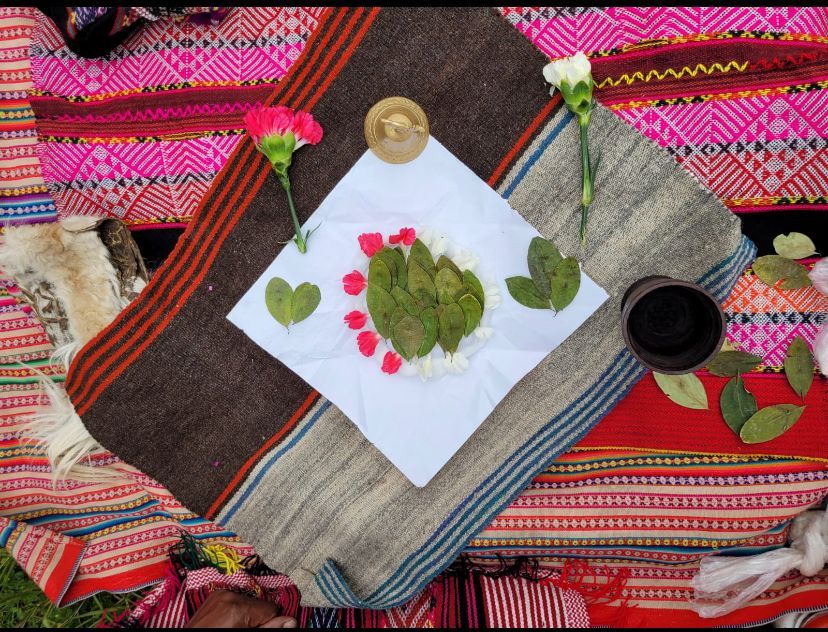
Spiritual practices such as despacho ceremonies (ritual offerings to Pachamama) and meditations with nature are ways through which Andean practitioners connect with Munay.

These rituals are not merely symbolic; they are lived experiences that reinforce the flow of loving energy within and around the individual.

Munay’s Relevance in the Modern World

In today’s fast-paced, often fragmented world, the wisdom of Munay offers a profound reminder of the importance of love as a transformative force.

It invites us to slow down, reconnect with our hearts, and nurture relationships based on authenticity and mutual respect.

Whether through mindfulness, acts of kindness, or ecological stewardship, embracing Munay can lead to personal growth and collective healing.

Munay is more than an Andean concept; it is a universal truth that transcends cultural boundaries. Its message is simple yet profound: love is the essence of life.

By integrating Munay into our daily existence, we align with a timeless wisdom that nurtures peace, harmony, and spiritual fulfillment.


References

  • Villoldo, A. (2014). The Four Insights: Wisdom, Power, and Grace of the Earthkeepers. Hay House.
  • Wilcox, J. (2004). Keepers of the Ancient Knowledge: The Mystical World of the Q’ero Indians of Peru. Inner Traditions.
  • Jenkins, J. (2009). The Andean Codex: Adventures and Initiations among the Peruvian Shamans. Bear & Company.

The Importance of LLankay (Work) in Andean Culture

Posted on

LLankay or Work, a term rooted in the Quechua language, embodies more than just the act of working; it represents a profound cultural philosophy integral to Andean societies.

Unlike the modern, often transactional view of work, LLankay or Work, a term rooted in the Quechua language, embodies more than just the act of working; it represents a profound cultural philosophy integral to Andean societies.

signifies a holistic connection between the individual, community, and nature.

The Philosophical Foundation of LLankay (Work)

In Andean cosmology, LLankay is one of the three pillars alongside Yachay (knowledge) and Munay (love or will).

This triad reflects a balanced life, where work is not merely a means to an end but a sacred duty that nurtures both the self and the collective well-being.

Llankay is seen as an expression of harmony with the environment, community cooperation, and personal growth.

Work and Community

Community (Ayllu) is central to Andean life, and LLankay plays a pivotal role in sustaining it.

Traditional practices like “minka” (collective work for communal benefit) and “ayni” (reciprocity) exemplify how work fosters social bonds and mutual support.

This collaborative spirit ensures that no one is left behind, reinforcing the interconnectedness of all community members.

Environmental Stewardship Through LLankay

Andean cultures view the environment as a living entity deserving respect and care. LLankay involves sustainable agricultural practices, mindful resource management, and rituals that honor Pachamama (Mother Earth). This ecological consciousness is crucial for maintaining biodiversity and ecological balance in the fragile Andean ecosystems.

Modern Relevance of Llankay

In today’s fast-paced, individualistic societies, LLankay offers a timeless lesson on the value of purposeful work. It encourages a shift from viewing work solely as economic productivity to embracing it as a meaningful activity that connects us to our roots, communities, and the natural world.

LLankay is more than just work; it is a way of life that embodies respect, community, and environmental harmony. By integrating the principles of LLankay into modern contexts, we can foster more sustainable, connected, and fulfilling lives.

Apaza Family

THIRD INITIATION OF THE STRENGTH OF WORK “LLankay” – Final step of the INCA PAQO PAMPAMESAYOQ PATH

The Module III is called LLANKAY (The work Initiation), also known as the the energies for protecting us and to give us security in this amazing path of a master, following the ancestral rituals the masters Paqos and you will go to a special powerful Apu Mountain to follow the ancient transmission of the opening of the High Power. The final of the three steps to be a Master Paqo Healer.


References

  • Allen, C. J. (2002). The Hold Life Has: Coca and Cultural Identity in an Andean Community. Smithsonian Institution Press.
  • Gose, P. (1994). Deathly Waters and Hungry Mountains: Agrarian Ritual and Class Formation in an Andean Town. University of Toronto Press.
  • Murra, J. V. (1980). The Economic Organization of the Inka State. JAI Press.
  • Rostworowski, M. (1999). History of the Inca Realm. Cambridge University Press.