
Ayni, a concept that encapsulates the values of community, reciprocity, and harmony with nature, was foundational to the Inca civilization. This principle holds profound significance even today.

What is Ayni?
Ayni is an ancient Quechua term that translates roughly to “reciprocity” or “mutual aid.”
It reflects a deep-seated belief in balance and exchange, not just among humans but also between people and nature.
Ayni operates by interconnecting acts of giving and receiving, ensuring harmony and sustainability within a community and with the environment.
Characteristics
Mutual Support: Ayni emphasizes the importance of helping others with the expectation that the favor will be returned, either immediately or in the future. This mutual aid fosters strong bonds within communities.

Communal Work: In practice, Ayni often manifested through collective labor known as “minka” or “faena,” where community members worked together on tasks like agriculture, construction, or irrigation.
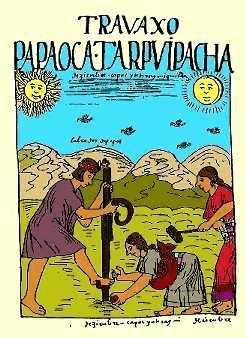
Connection with Nature: It extends beyond human relationships to include the natural world. The Incas believed that offering rituals and care to Pachamama (Mother Earth) would ensure bountiful harvests and ecological balance.
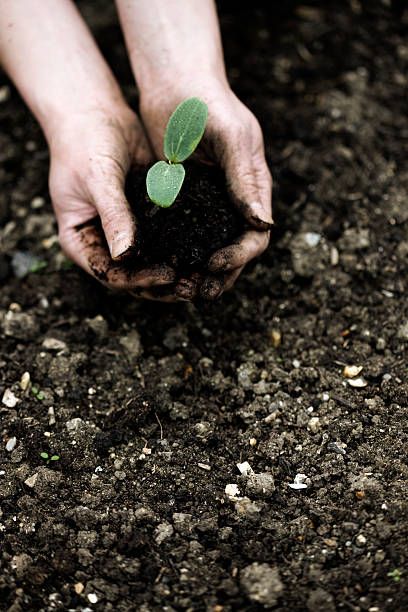
Temporal Reciprocity: Ayni does not limit itself to immediate exchanges; it spans generations, encouraging people to leave a legacy of support and sustainability for the future.
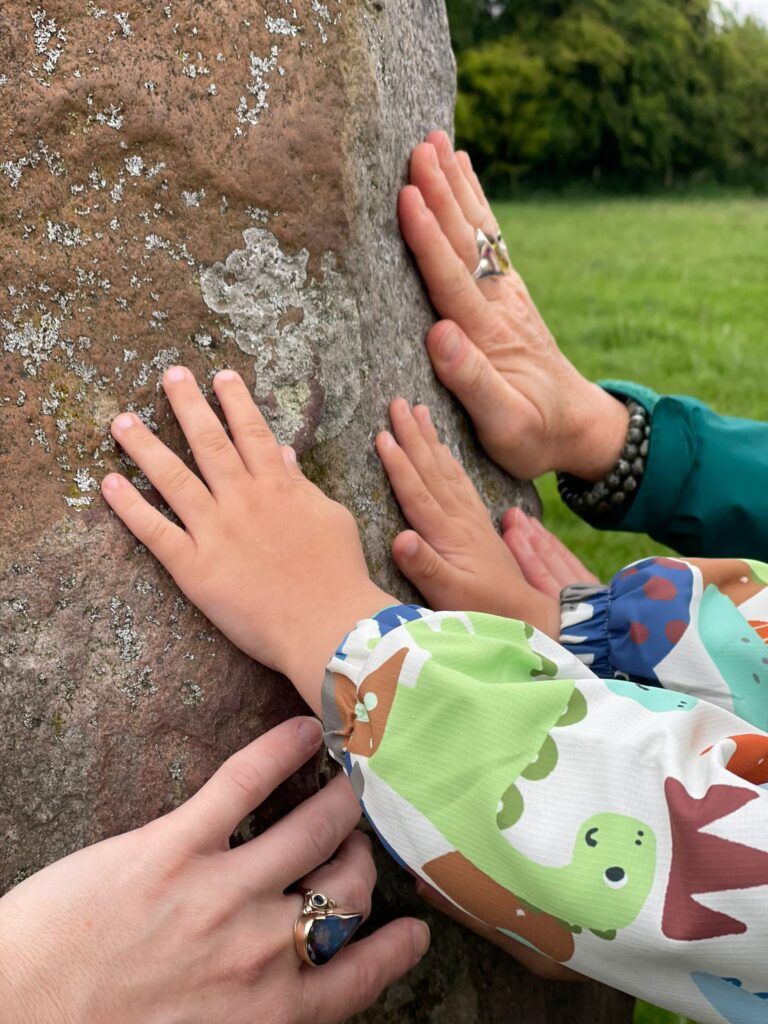
Impact on Modern Society
Although the Inca Empire fell centuries ago, the principle of Ayni continues to influence Andean communities and serves as a valuable framework for addressing contemporary challenges.
- Community Resilience: Ayni fosters interdependence, strengthening communities, especially in rural areas where resources are scarce.
- Sustainability Practices: The reciprocity with nature inherent in Ayni encourages environmentally friendly practices that align with modern sustainability goals.
- Ethical Leadership: People are reexamining Ayni’s principles as a model for ethical leadership and collaborative governance in various sectors worldwide.
Is Ayni Still Practiced Today?
While modern individualism and capitalism challenge traditional communal values, It remains alive in many Andean communities.

Farmers still practice collective labor, and rituals to Pachamama continue to be an integral part of agricultural cycles.
Beyond the Andes, It’s philosophy is gaining global recognition as people seek more balanced and equitable ways of living.
A Reflection in the Contemporary World
Ayni teaches a timeless lesson: one’s well-being depends inherently on the well-being of others.
In a world facing ecological crises and social fragmentation, the Inca principle of mutual aid and reciprocity serves as a reminder of the power of community and the necessity of living in harmony with nature.
While modern societies may not replicate It in its traditional form, integrating its ethos could lead to more inclusive, cooperative, and sustainable futures.
By embracing the spirit of Ayni, we can honor the wisdom of the past while building a world that values reciprocity, balance, and interconnectedness.
References:
- Gose, P. (1994). “The Inca Concept of Reciprocity and its Role in the Andean Economy.” Latin American Research Review, Vol. 29, No. 1.
- Mayer, E. (2002). “Reciprocity and Redistribution in Andean Communities.” Anthropological Quarterly, Vol. 75, No. 1.