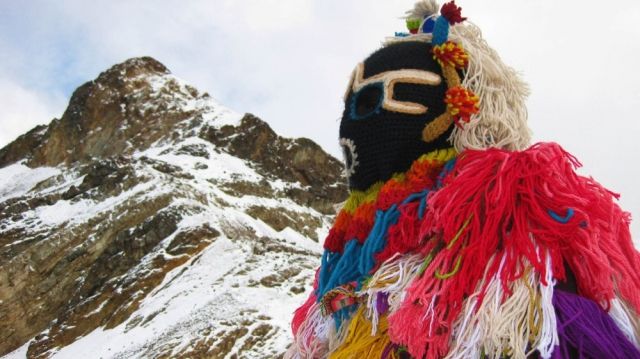
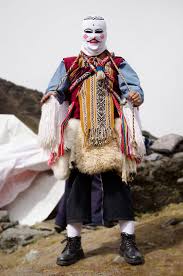
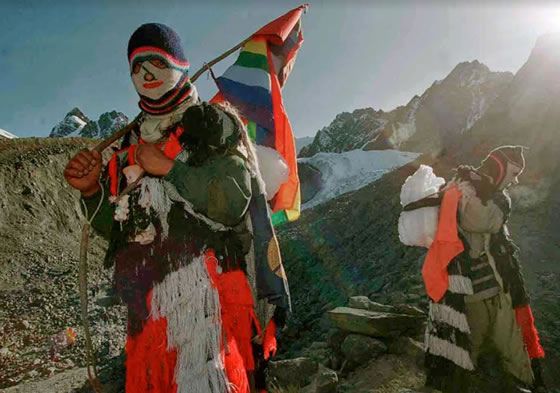
As the high-altitude winds of late May sweep through the stone streets of Cusco, a unique figure begins to dominate the collective consciousness: the Ukuku.
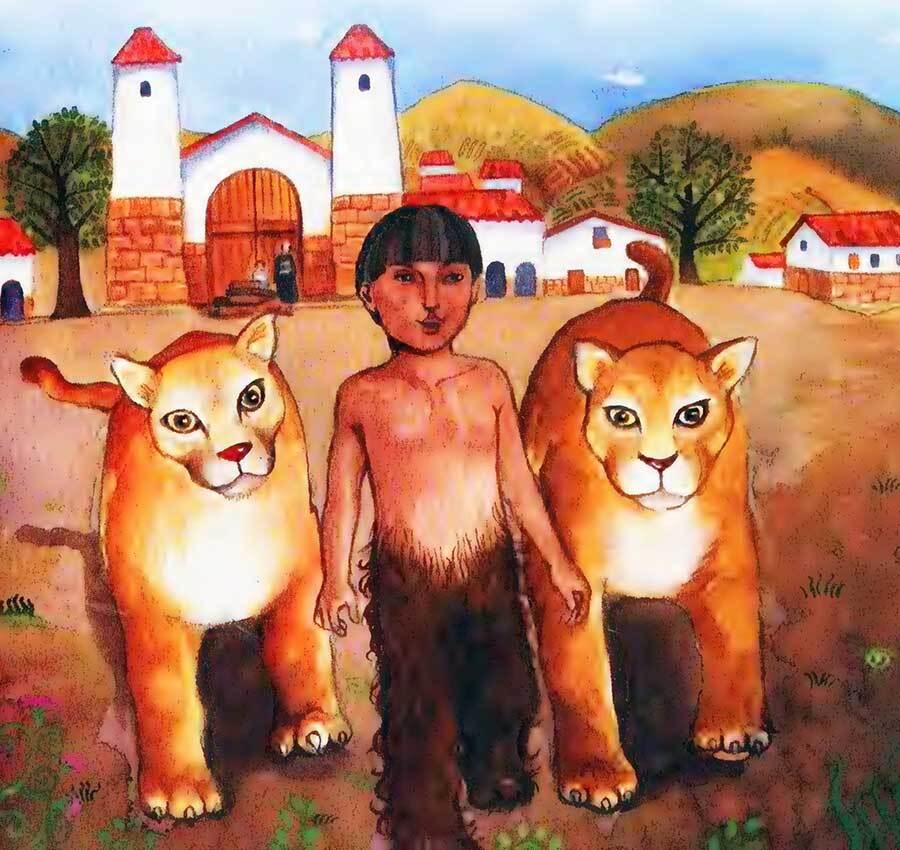
Half-man, half-bear, the Ukuku is a central character in the upcoming Qoyllur Rit’i pilgrimage.
However, looking at this figure through a transpersonal lens reveals that the Ukuku is not merely a festive dancer; he is a profound psychological archetype of transformation.
The Mediator of Three Worlds
In Andean mythology, the bear is the only creature capable of navigating all three evolutionary realms: the Uku Pacha (the dark, subconscious underworld), the Kay Pacha (the conscious, material world), and the Hanaq Pacha (the spiritual upper world).
The Ukuku embodies “Divine Madness”, a state of being where logic is suspended so that a deeper, instinctual truth can emerge.
During late May, as practitioners prepare to face the extreme cold of the glaciers, the Ukuku archetype teaches us that to ascend to our highest spiritual potential, we must first descend into our own internal darkness.
The Ukuku uses humor, high-pitched voices, and seemingly chaotic behavior to disrupt the rigid ego. By playing the fool, he bypasses the defenses of the rational mind, allowing the heavy energy (Hucha) stored in the subconscious to come to light and transform.
The Whip and the Law of Internal Discipline
The Ukuku carries a woven whip (Qorawa), which people often misunderstand as a symbol of punishment. In the Andean tradition, however, the whip represents the alignment of will.
People use it to maintain energetic boundaries and to ward off the Kuki (negative spiritual entities or stagnant mental constructs).
“The Ukuku does not fear the glacier because he has already conquered the cold within himself. He is the guardian of the threshold, showing us that the path to the divine always requires us to embrace and transform our wild, unmapped nature.”
Linguistic Portal: The Vocabulary of the Subconscious
Ukuku: The bear-man; the archetypal mediator between human civilization and the wild, sacred unknown.
Uku Pacha: The inner world; the realm of the subconscious, the ancestors, and deep psychological roots.
Llastay: The spirit of the wild animals and the uncultivated spaces. The Ukuku answers directly to this energy.
Mystical Geography: Places of the Wild Spirit
The Caves of Chuspiyoq: Located on the ancient trails behind Sacsayhuamán, these dark, natural caverns are historically associated with theUku Pacha. In late May, meditating near these openings helps in invoking the Ukuku’s courage to face one’s inner shadow.
The Chinchero Plateau: A place where the wind blows fiercely in late May. The open, unprotected landscape forces the traveler out of comfort and into an immediate, survival-oriented awareness—the exact energetic frequency of the Ukuku.
References
Randall, R. (1987).Return of the Pleiades: Ethnoastronomy and of the Inka Empire. Journal of Andean Archaeology, 15(2), 34-56.
Marzal, M. M. (1988).The Syncretism of Ibero-Andean Religion. Pontificia Universidad Católica del Perú.
Turner, V. (1969).The Ritual Process: Structure and Anti-Structure. Aldine Publishing.
This article draws on both academic literature and oral, lineage-based Andean knowledge. Teachings that originate from living traditions are cited in recognition of their ongoing transmission within Andean communities, while scholarly sources are used to support contextual interpretation.