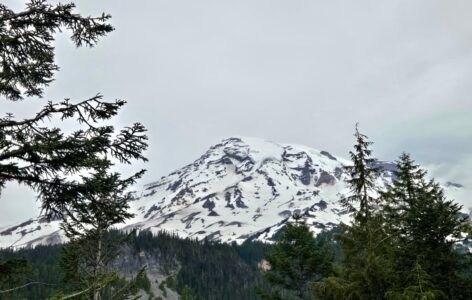
In the modern world, comfort is often equated with well-being. We insulate ourselves from the elements, creating an artificial equilibrium that numbs our sensory and spiritual awareness. In the high Andes during late May, this insulation is stripped away. The arrival of the heavy frost, known as Lasta, marks the beginning of a period where the environment itself becomes the master initiator: Chiri.

For the Paqo , the cold is an active, intelligent force that separates the superficial ego from the essential spirit.
The Alchemical Crystallization of Chiri ‘s Energy
The cold of May performs a vital function: it crystallizes energy. Throughout the rainy season and the chaotic activity of the harvest, our energy (Kawsay) is expansive, fluid, and often scattered.

When the Chiri sets in, it forces a radical consolidation. Just as the liquid water of the high lakes freezes into solid, structurally perfect ice, the practitioner uses the cold to freeze their wandering thoughts and solidify their internal intent (Yachay).
The cold demands absolute presence; you cannot be absent-minded when the air burns your lungs. In this way, the climate acts as a natural Zen master, instantly bringing the consciousness into the absolute now.
The Separation of Hucha and Sami
The extreme cold of the May nights is also considered a powerful energetic filter. Stagnant, heavy energy (Hucha) thrives in comfort, hidden in the unexamined habits of the subconscious mind. When exposed to the severe cold of the high-altitude Puna, this heavy energy becomes brittle.

“Do not curse the frost of May, for it is the sharp knife of the Apu. It cuts away the rotting leaves of the ego so that only the diamond core of your spirit remains to face the winter.”
Through ritual exposure, such as nighttime meditation under the starlight or bathing in glacial streams, the practitioner allows the cold to break apart these rigid psychological structures.
What remains after surviving the night is Sami, the light, refined, and indestructible essence of the soul. The cold does not destroy the self; it destroys that which is false within the self.
The Vocabulary of the Frost
- Chiri: The general state of cold. Spiritually, it represents the state of contraction and introspection necessary before rebirth.
- Lasta: The frost that blankets the earth in the early morning of May. It represents the sheet of purity that cleanses the Pachamama’s face.
- Qasa: Ice or frozen water. In the mystical tradition, it symbolizes crystallized truth—wisdom that has become solid and unshakeable through trial.
The Frozen Portals of Chiri
During the late weeks of May, certain locations near Cusco serve as perfect altars to experience the initiatory power of Chiri:
- The Plains of Chinchero (Sacred Puna): Sitting at over 3,700 meters above sea level, the open plains of Chinchero experience some of the sharpest drops in temperature during May nights. It is an ideal space for stargazing and practicing Samay (ritual breathing) to absorb the crystalline energy of the night sky.
- The Lakes of Ccata (Near Pisaq): These high-altitude lagoons begin to form thin sheets of ice at the end of May. Healers often visit these waters to cleanse their ritual stones (Khuyas), believing that the frozen water re-charges the stones with a protective, defensive edge.
References
- Nash, J. (1979). We Eat the Mines and the Mines Eat Us: Dependency and Exploitation in Bolivian Tin Mines.
- Cereceda, V. (1986). The Semiotics of Andean Textiles: The Language of Space and Color. Chungará (Arica), 16/17, 153-172.
- Orlove, B. S. (2002). Lines in the Water: Nature and Culture at Lake Titicaca. University of California Press.
This article draws on both academic literature and oral, lineage-based Andean knowledge. Teachings that originate from living traditions are cited in recognition of their ongoing transmission within Andean communities, while scholarly sources are used to support contextual interpretation.