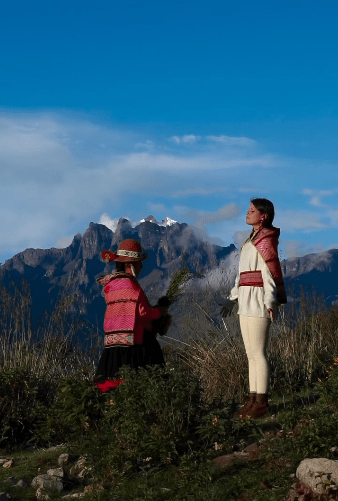
Cusco is magical, enigmatic, and historical, attracting thousands of visitors. Each year and becoming one of the country’s most popular tourist destinations. ¿Wich ceremony would you prefer to celebrate?
Rituals and festivities are part of the cultural legacy we have inherited. It is our responsibility to ensure they are not merely memories but remain alive for future generations.
Here are two of the most important festivals:
Pachamama’s Day Ceremony
Pachamama Raymi means “Festival of Mother Earth“
Each year during the first week of August, farmers celebrate by not working the land to allow it to rest and to initiate the payment ritual.
The people of Cusco pay homage to Mother Earth as a thank you for the good harvests that sustain families throughout the year.
The essence of the ritual is based on the principle of reciprocity, which is the core of the Andean worldview.
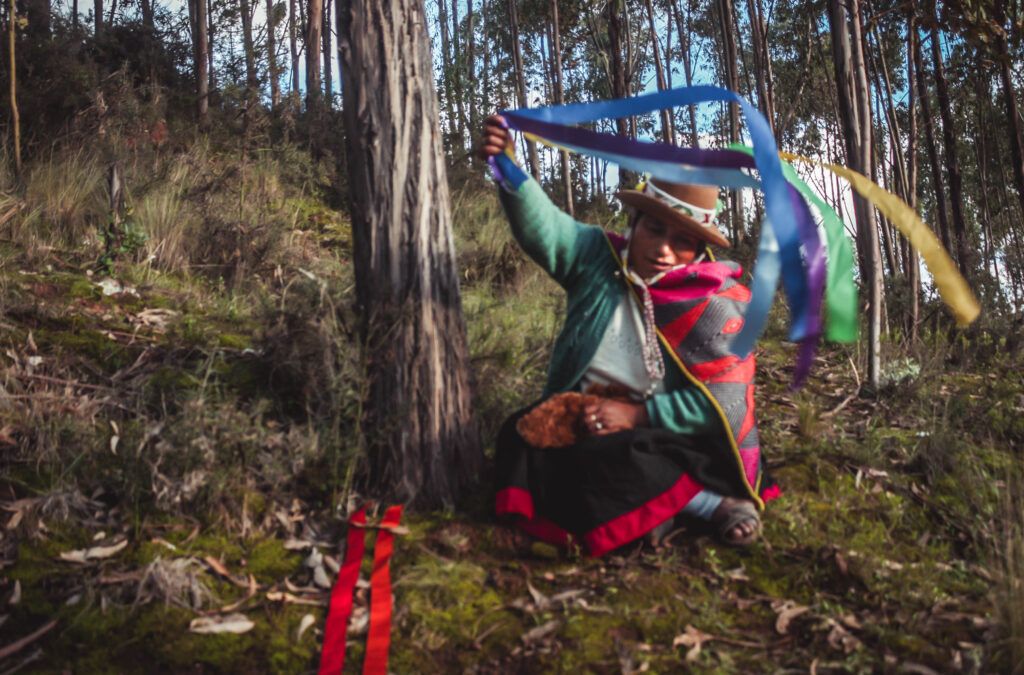
In this ceremony called “haywasqa” (payment to the earth). The Andean priestknown as a “Paqo” leads the use of foods worked and produced by Mother Earth.
The main ritual involves digging a hole in the ground and placing a clay pot with food inside it:
huayruro seeds, coca leaves, chicha de jora, and other beverages.
All provisions must be cooked as a sign of respect for the earth. After which a hole is dug to place all the offerings, feeding Pachamama.
Afterward, they bury the offerings and place a mound of stones and flowers on the ground. It’ll becomes the ceremonial center.
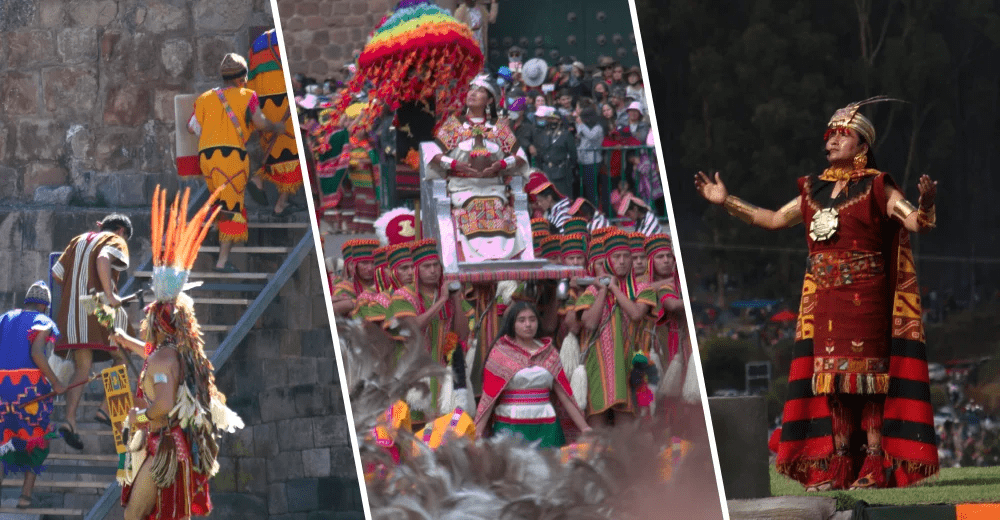
Inti Raymi
Inti Raymi means “Festival of the Sun“
This is one of the most important festivals in Cusco, gathering thousands of people each year for its celebration.
In a privileged location in the sacred capital, Inca Pachakuteq ordered the construction of the Qorikancha, a magnificent temple dedicated to revering the Sun, which the Incas called Apu Inti.
In honor of this deity, the impressive festival of Inti Raymi was consecrated, and the most important chroniclers described it as characterized by solemnity and splendor.
It is celebrated in the winter solstice on June 24.
The ceremony begins at the Qorikancha Temple with a greeting to the Sun.
After this, the Inca and the mayor of Cusco meet at Haucaypata and finally carry out the central ceremony north of the city on the esplanade of the Sacsayhuaman fortress, over 3,600 meters above sea level.
Today, about a hundred actors dressed in typical Inca clothing gather at this archaeological complex to reenact what was originally the Inca‘s invocation of the Sun.
Due to the colonization process of the Russian Empire, in Siberia during the 18th century, the term “shaman” emerged to describe specialists in indigenous rituals and ceremonies.
20th Century
“Shaman” in Europe
In the 20th century, “shaman” spread beyond Russian territory, reaching America and gaining global popularity. Consequently, discussions about shamanism often carried imperial and exoticizing undertones (Alberts, 2015). Various European researchers traveled to Siberia, producing drawings and writings about “shaman“. However, some dismissed them as charlatans or individuals with mental disorders.
At the beginning of the 20th century, some anthropologists began to study shamanism more objectively. They compared shamans to psychoanalysts (Levi-Strauss, 1977) and individuals who find wisdom in solitude (Narby and Huxley, 2005).
This led to anthropological studies of shamanism in different regions, including Africa, Australia, the Amazon, and the Andes. Today, the globalization of the term “shamanism” has given rise to a new religious framework known as shamanic religion.
“Shaman” in the Andes
Archaeological evidence indicates that the phenomenon of Andean priests dates back to ancient times. Even before the pre-Inca cultures, where they played crucial roles as guides and leaders in the socio-political development of their communities (Alva, 2000).
However, it was thanks to Spanish chroniclers in 1532 that we have written references to these figures, who were known by various names in Quechua and Aymara. Such as hampicamayoc, amauta, and huachachic.
The Spanish chroniclers, influenced by their notions of sorcery and witchcraft in opposition to the Catholic faith, accused Andean officiants of working with the devil, leading to their persecution and stigmatization (Brosseder, 2018).
Since then, Andean priests have had to adapt their rituals and symbolic objects to align with the new Catholic religion.
Andean priests primarily focus on healing and divination, utilizing tools such as stones, tallow (fat), corn, coca, feathers, and plants.
These objects are collectively referred to as the mesa. The use of sacred geography and invocations are also essential elements in their various rituals and ceremonies.
The highest-ranking specialist, the altomisayoq, is believed to be chosen by lightning or natural forces. Other healers recognize them and they maintain direct communication with the spirits of the mountains, known as the Apus.
In contrast, the Paqos or pampamisayoq enter the ritual world through dreams, and their role is to perform healing, divination, and protection. “Paqo” means “the one who works on behalf of another” (Hurtado, 2000).
It is crucial to understand the specific work of Andean priests, as they have progressively learned the art of ritual. As guardians of the worlds, they continue to adapt to modernity, embodying a characteristic movement that allows them to navigate between this world and the spiritual realm. Now with the mission of serving the greater good and maintaining cosmic order.
Andean medicine is finding its place in the modern world, offering alternatives and complements for conventional healing. Its holistic focus and connection to culture and spirituality attract increasing attention from both health professionals and patients.
Interest in Complementary Medicine:
Integrative medicine and health encompasses a comprehensive approach to healthcare that utilizes all appropriate therapeutic methods, both conventional and non-mainstream.
Within a framework that emphasizes health, the therapeutic relationship, and the whole person.
As more people seek alternative or complementary treatments, Andean medicine stands out for its holistic approach, appealing to individuals who desire more personalized and comprehensive care. This growing interest reflects a broader trend toward integrating diverse healing modalities to enhance overall well-being.
Complementary Medicine: refers to non-mainstream practices used together with conventional medicine.
Complementary Therapies:
Many clinics and hospitals in Andean regions are incorporating traditional medicine therapies as part of their treatment offerings.
This may include the use of medicinal plants, healing rituals, and holistic approaches alongside conventional medicine. Some one them validated by traditional scientific criteria.
“In Inca times, medicine was highly specialized with general medicine healers. Women attending to childbirth, dream doctors treating mental illnesses, surgeons, trepanners, and more.
They considered illness to originate from an imbalance between humans and nature, their social environment, or supernatural causes. Instead of treating it directly, they rigorously observed it:
Using divination with coca leaves, maize, ashes, examining objects extracted from the body, organic or inorganic, conversing with the sick, relatives, acquaintances, and studying cosmic forces.”
There is a growing interest among researchers in evaluating the effectiveness of Andean medical practices, particularly the use of herbs and medicinal plants for various conditions.
These studies aim to validate ancestral practices and highlight their potential benefits.
Although the safety of most complementary and alternative medicine (CAM) therapies has not been extensively studied in clinical trials, many of these therapies, such as nontoxic botanicals and mind-body techniques like meditation and yoga, have a long history of use with minimal evidence of harm.
Focus on Mental Health:
Health tourism has seen a significant rise in Andean countries, where visitors seek traditional healing experiences, such as natural medicine retreats and ceremonies with shamans.
This trend not only helps preserve and revitalize these practices but also highlights their relevance in addressing contemporary health concerns.
Andean Inca medicine is particularly valued for its focus on mental health, emphasizing spiritual connection and emotional well-being—an aspect increasingly important in today’s world.
Research shows that many patients are turning to complementary therapies to enhance their overall wellness, often using them alongside conventional treatments.
This trend underscores the significance of patient-centered care, where healthcare providers acknowledge and respect patients’ preferences for holistic approaches.
Cultural Preservation:
The integration of Andean medicine into modern health practices not only contributes to the preservation of traditional knowledge and cultural practices but also promotes their value in contemporary society.
Local communities, such as the Apaza family, play a vital role in maintaining and practicing these traditions, fostering a strong sense of identity and continuity within their culture.
“The school is a commitment I made in honor of my ancestors, we are following the values and traditions of Andean culture and respecting native beliefs“
Lack of Regulation: The absence of clear standards and regulations can lead to unethical or ineffective practices.
Skepticism: Even though doctors in some studies showed caution or skepticism toward complementary and alternative medicine, having more open conversations with patients about it could help address their concerns and improve their understanding of the treatments patients are using. Providing complementary and alternative medicine options might expand patients’ choices and make doctors feel more satisfied in their work.
Standardization: The diversity of practices within Andean medicine can complicate its integration and general acceptance
Apaza Family
Encouraging open conversations between healthcare providers and patients about the advantages and limitations of both conventional and complementary medicine can result in more comprehensive and effective care. Ongoing research is essential to assess the effectiveness of complementary therapies, enhance education for healthcare professionals, and develop integrative models that leverage the strengths of both approaches for the best possible patient outcomes.
References:
Maha N, Shaw A. (2007) Academic doctors’ views of complementary and alternative medicine (CAM) and its role within the NHS: an exploratory qualitative study. BMC Complement Altern Med. 2007 May 30;7:17. doi: 10.1186/1472-6882-7-17. PMID: 17537248; PMCID: PMC1896178.
Millstine, D. (2023). Overview of Integrative, Complementary, and Alternative Medicine. MSD Manual Professional Edition. https://www.msdmanuals.com/professional/special-subjects/integrative-complementary-and-alternative-medicine/overview-of-integrative-complementary-and-alternative-medicine
My name is Joan, and I am from Cusco. I work as a translator, among other things, alongside Maestro RaulApaza.
I support their mission to share their wisdom with the world, particularly with those committed to planetary healing. Because of this, I spend a lot of time with Maestro Raúl—sometimes alone, sometimes with groups.
I find it essential to document the conversations I have with him during these moments.
Maestro Raúl often shares that explaining his prayers can be challenging.
He says, “When I’m asked to explain, I can’t do it exactly. I learned from my father, and I simply express what I feel in that moment; the words just come.”
Maestro Raul Apaza
In the Andean worldview, profound explanations for phenomena aren’t always necessary; sometimes, it’s about feeling and embodying the wisdom, which is often silent and intuitive.
To me, Raúl is not just a teacher; he is an heir to a tradition that has preserved complex wisdom for generations—wisdom that can be hard to articulate. In our time, we must strive to keep this knowledge alive.
On one occasion, while traveling to conduct a Haiwarikuy ceremony in the Sacred Valley, my curiosity led me to discuss the Quechua language with him.
We talked about the intricate nature of this indigenous language, particularly its polysemy.
For example, the word “Munay” can mean both love and will, highlighting the richness and complexity of Quechua.
This complexity offers a different understanding of concepts and reality, which can be challenging to translate from the indigenous world to the Western context.
Later, I inquired how to translate the word “abundance” into Quechua.
Maestro Raúl replied, “Kawsay.” I initially thought, “But Maestro, Kawsay means life, and abundance is a different concept.”
He then shared a story from his childhood in the community: “My grandfather referred to the colcas—sacred storage places for our most important seeds and food—as Kawsay.”
In the Andes, colcas were revered spaces where children weren’t allowed to enter or even play, especially wearing sandals. They served as sacred sites for prayers and requests for good harvests.
Reflecting on what Maestro Raúl shared, I see that the Haiwarikuy ceremony, with all its complexities, creates a space for our food.
In modern times, money often replaces this understanding of abundance.
In the West, asking for abundance is frequently equated with wealth—which isn’t inherently bad, as we all need it. However, it’s vital not to forget the sacredness of food and our harvests. Without them, we cannot thrive.
To give thanks is to recognize what truly nourishes us.
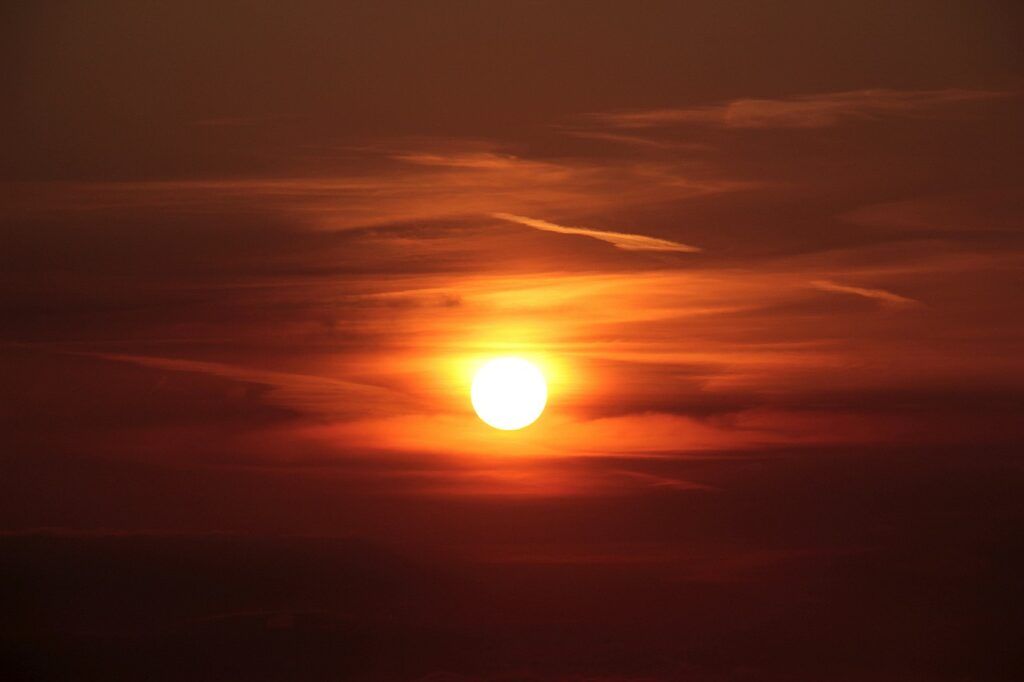
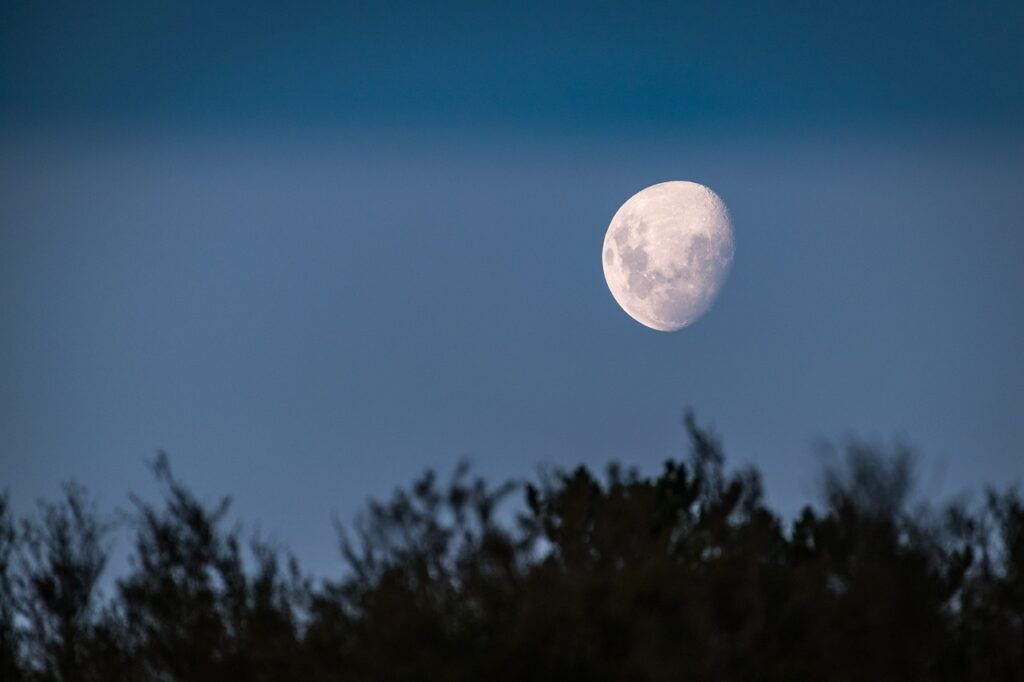
The Incas and other Andean people believed that the origin of sun and the moon emerged from the two islands of Lake Titicaca.
Lake Titicaca spans the border between Peru and Bolivia in the Andes Mountains and is one of the largest lakes in South America, as well as the highest navigable body of water in the world.
People say that the sun came from a rocky outcrop on the island of Titicaca (now known as the Island of the Sun) and the moon from the nearby Island of Coati (Island of the Moon).
In pre-Incan times, people made complex offerings on these islands, and the Incas built large temples on them after conquering the region.
Several chroniclers also note that the first Inca and his sister/wife emerged from Lake Titicaca, emphasizing the connection between these rulers and the sun.
To understand why this great lake became associated with the beginnings of the Andean cosmos we must now examine how Andean peoples traditionally viewed their own origins.
Many Andean kinship groups, or ayllus, traced their lineage back to mythical ancestors who came from a sacred place in the landscape.
Inti, the sun, sent two of his children—Manco Capac and Mama Ocllo—to bring order and civilization to humanity.
This place, believed to be the origin of these ancestral relatives, was a special kind of huaca, called a paqarina.
While these could take various forms, they were generally caves, lakes, or springs.
Members of an ayllu visited their mythical place of origin on special occasions to make sacrifices to perpetuate their lineage.
The larger and more powerful kinship groups built complex temples at their origin sites, such as the one the Incas constructed near the cave where Manco Capac, the mythical first Inca, is said to have emerged.
The Incas rooted the concept of paqarina, related to the primordial emergence of mythical ancestral relatives in unique places of the Andean landscape, in their understanding of the origin of the cosmos.
People recognize Lake Titicaca as the largest lake in South America and an important paqarina significant enough to be considered the point of origin of the cosmos.
The discovery of materials from pre-Incan and Incan sacrifices on both the Island of the Sun and the Island of the Moon suggests that they made offerings to both celestial bodies for millennia.
By the time the Incas expanded their empire to the Lake Titicaca region, many believed that the Inca king and his wife were the human descendants of the sun and the moon.
“Father Sun, my Father,”Killa Mother
Consequently, the origin myths related to the sacred islands of the lake may have begun to change.
In this later phase of the Lake Titicaca myth, people transformed it so that instead of simply explaining the origin of the cosmos, the Inca (analogous to the sun) and his sister/wife (analogous to the moon) emerged from these sacred islands. The Cuzco elites used this association to assert their ruling rights.
Low energy in women is often understood as fatigue due to its common manifestation in everyday life and its overlap with various physical, emotional, and societal factors.
Recognizing the multifaceted nature of fatigue can help in addressing both the immediate symptoms and the deeper causes of low energy.
While fatigue can indicate a physical imbalance in the body, it can also point to an energetic or spiritual imbalance.
Fatigue as Low Female Energy
Fatigue is not just a physical experience but can also signal deeper spiritual or energetic imbalances.
This profound tiredness may persist even after adequate sleep, highlighting potential underlying issues beyond the physical realm. Recognizing the spiritual significance of fatigue can provide valuable insights into its root causes.
Symptoms of Fatigue
You may feel overwhelmed despite outward success or find it challenging to engage meaningfully in daily activities.
This exhaustion can also lead to emotional numbness and an insatiable need for activity, masking deeper spiritual needs.
Fatigue often manifests as a profound sense of emotional and spiritual depletion.
Spiritual Indicators
Lost Soul and Feeling of Emptiness: Soul loss may be expressed by a person as feeling something is missing, feeling empty inside, and do not know how to get it back. Is similar to give a piece of their soul in exchange for what is perceived as necessary to their survival, love, attention, protection, etc.
Recovery from Life Events: Exhaustion may indicate that you are in a period of recovery from significant life changes or traumatic experiences. This period requires both time and rest as your spirit adjusts and heals.
Grief: Grief is not just an emotional experience but a profound spiritual process. It can lead to increased tiredness and a suppressed immune system, signaling the need for more rest and emotional processing.
Loss of Life Force and Depression: Chronic fatigue may reflect an internal disconnection or depletion of life force. Depression or emotional blocks may make it difficult to access joy and motivation, highlighting a need for spiritual and emotional healing.
Nervous System Imbalance: Continuous stress and trauma can disrupt the nervous system, leading to poor-quality sleep and ongoing tiredness. Addressing this imbalance may require a spiritual approach to healing and trauma release.
Caretaker Syndrome: Putting others’ needs before your own can lead to significant spiritual and emotional exhaustion. This syndrome often reveals an internal struggle with self-worth and boundaries, requiring introspection and spiritual realignment.
Solutions and Pathways to Recovery
Allow yourself time to process significant life changes and emotional pain. Seek spiritual guidance or counseling to address emotional blocks and focus on integrating joy and purpose into your life.
Maestra Paqo Pampamesayoq share the ancient Inca Technique involving the Seven Ñustas, beautiful divine female energy rich in ancient cosmic wisdom.
If you can’t identify your syntoms, our ancestors were able to communicate with the spiritual world thanks to the interpretation of the signs of nature (in this case with coca leaf reading) and the universe they were able to ask for guidance in order to live a good happy balanced life.
With the help of the sacred coca leaf, the plant mama Coca, natives have the blessings to ask different questions related to health, family life, farm, social activities, among other important moments in life.
Soul Retrieval ceremony is also an option that intents heal soul loss by gifting soul callings, prayers of protection, and ask to sacred spirits from nature for the protection of all your being.
It’s an ancient Inca practice, a healing process of returning the energy, kausay, vitality, essence and put it back into the body.
By addressing both the spiritual and physical dimensions of fatigue and seeking appropriate support, you can work towards restoring balance and enhancing your overall well-being.