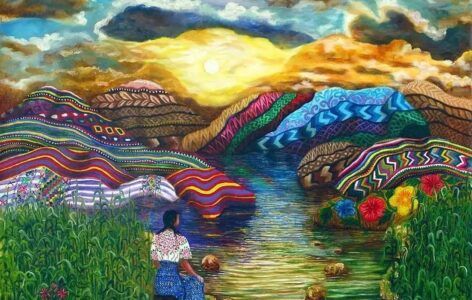
As March comes to an end we understand that transition is not abrupt. They unfold gradually, as one phase gives way to another.
The Andean landscape reflects the accumulation of an entire seasonal process. What began as subtle emergence has now developed into visible, structured growth.

Fields hold a stronger presence, and life moves with greater continuity.
This moment does not mark an ending. It marks a transition.
March stands at a threshold where what has been cultivated begins to prepare for its next stage.
Transition as Continuity
Transition does not interrupt growth. It carries it forward.

The processes that began beneath the soil, that later emerged and strengthened, now move toward further development. This movement requires transition in order to remain coherent.
Rather than separating one stage from another, transition connects them. It allows life to continue without rupture.
Recognizing the Signs of Transition
The land offers subtle signs that a shift is taking place.

Growth stabilizes, rhythms become more consistent, and the need for constant intervention begins to change.
What required protection earlier now shows signs of greater resilience.
These changes indicate transition.
Recognizing them requires attention. Without awareness, transitions may go unnoticed, and actions may remain tied to earlier stages that no longer correspond to present conditions.
March teaches the importance of adjusting perception as life evolves.
Letting Growth Move Forward
One of the challenges of transition is learning when to release control. What has been carefully accompanied, protected, and supported must now continue its process with greater autonomy.
Transition invites trust.
Farmers begin to step back from certain forms of intervention, allowing crops to follow their natural course. This does not mean abandoning care, but transforming it.
Through transition, care shifts from constant presence to strategic support.
Crossing the Threshold
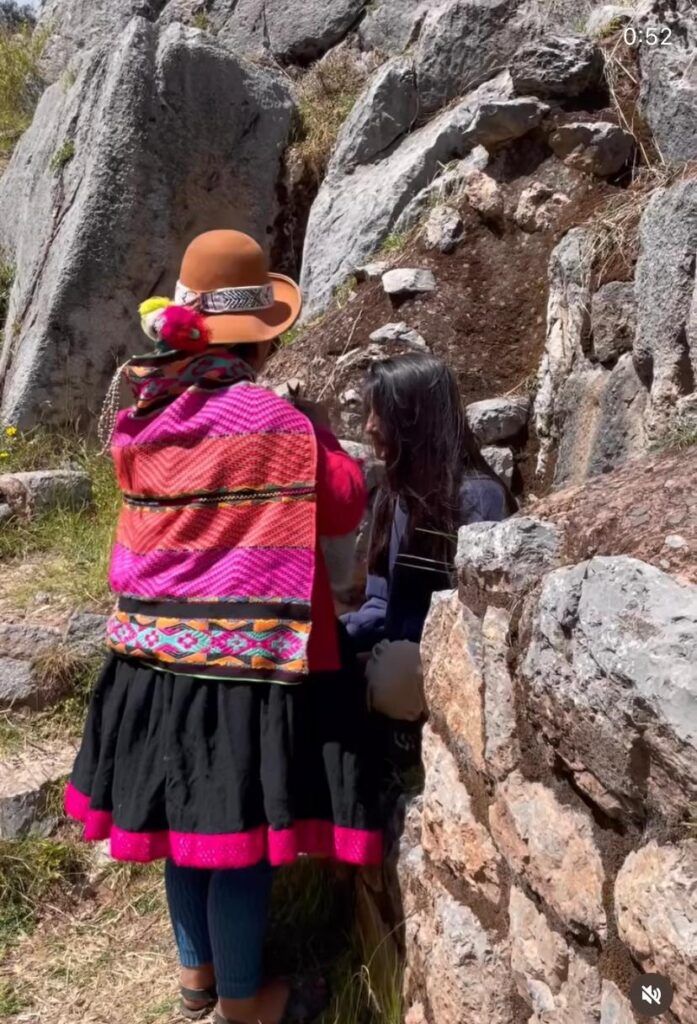
The end of March represents a threshold between what has been established and what will continue to develop. Crossing this threshold requires awareness of what has already taken form and openness to what is still unfolding.
Transition is not only external. It also takes place internally.
As the season changes, people adjust their relationship with time, action, and expectation. What was once fragile has gained strength. What required protection now begins to sustain itself.
Preparing for Continuity

March does not close a cycle; it prepares it.
Through transition, growth moves toward its next expression. The relationships that sustained emergence now support continuity at a different level.
By recognizing transition, people remain aligned with the rhythm of the land.
In this way, the end of March becomes not a conclusion, but a passage, one that carries forward everything that has been cultivated, and opens space for what is yet to come.
References
- Allen, C. J. (2002). The hold life has: Coca and cultural identity in an Andean community. Smithsonian Institution Press.
- Gose, P. (1994). Deathly waters and hungry mountains: Agrarian ritual and class formation in an Andean town. University of Toronto Press.
- Urton, G. (1981). At the crossroads of the earth and the sky: An Andean cosmology. University of Texas Press.
This article draws on both academic literature and oral, lineage-based Andean knowledge. Teachings that originate from living traditions are cited in recognition of their ongoing transmission within Andean communities, while scholarly sources are used to support contextual interpretation.