
In modern spiritual culture, to heal is often presented as a universal calling as if everyone is meant to become a healer, guide, or facilitator.

From an Andean perspective, this idea misunderstands both service and medicine.
Healing is not a status or identity.
It is a responsibility that emerges through initiation, humility, and necessity.
Not everyone is called to heal and that is not a failure.
To Heal Is a Role, Not a Hierarchy
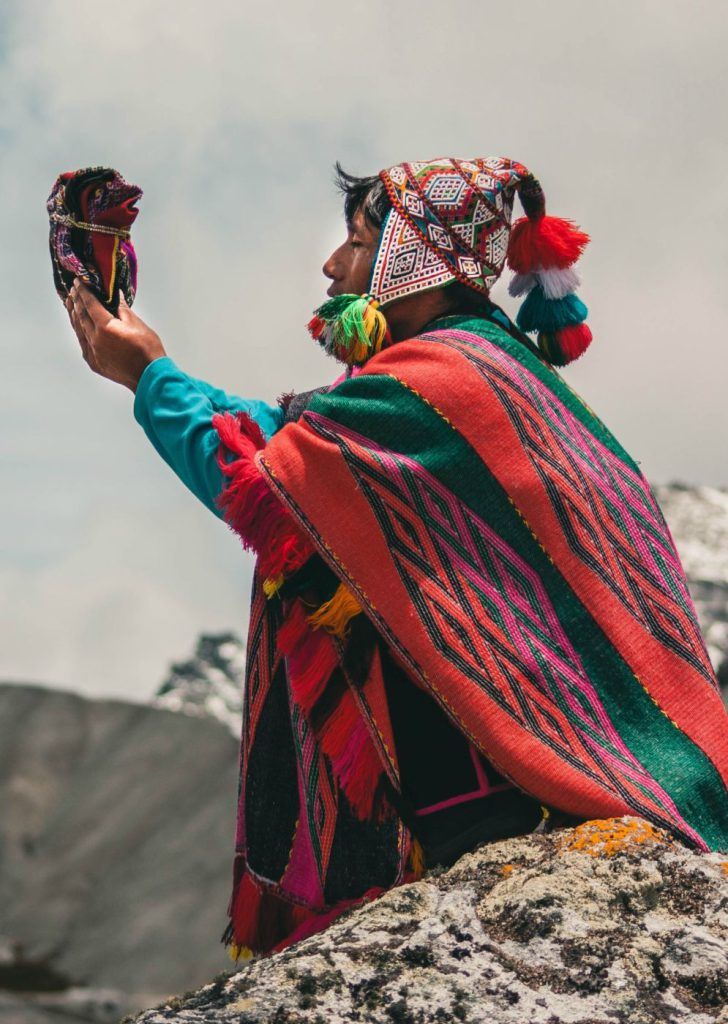
Andean societies do not organize themselves around spiritual hierarchies where healers stand above others. Instead, they recognize distinct roles within the ayllu, farmers, weavers, guardians, storytellers, midwives, leaders, and healers.
Each role serves life differently. No role is superior.
The Call Comes Through Crisis, Not Desire
In Andean tradition, the call to heal does not arise from fascination or aspiration. It emerges through crisis, illness, rupture, and survival.
Many healers become healers because they had no other choice. Life pushed them into relationship with suffering until medicine emerged (Eliade, 1958).
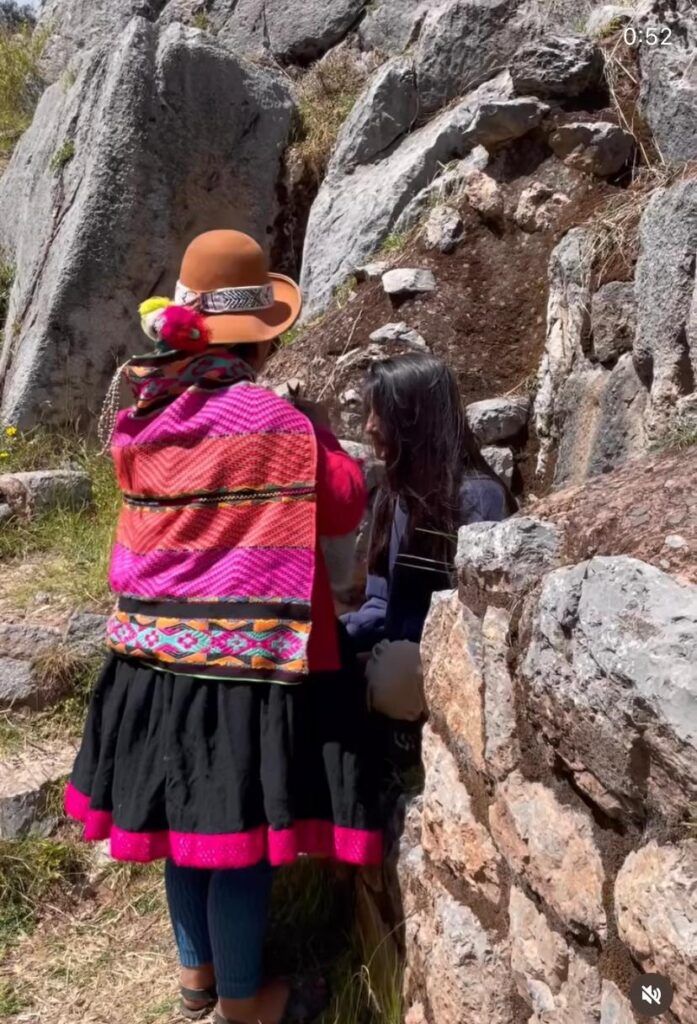
Failed Heal Initiation and Spiritual Inflation
When individuals assume the role of healer without undergoing initiation, the result is often spiritual inflation, power without containment.
Without disintegration, grief, and disciplined learning, healing practices can become performative or harmful rather than restorative (Turner, 1969).

To carry medicine is to carry responsibility for others’ vulnerability. It requires regulation, discernment, ethical restraint, and continuous relationship with land and community.
Not everyone is meant to carry this weight.
Service Takes Many Forms
From an Andean lens, service is not defined by healing alone. Teaching, protecting water, feeding others, preserving memory, raising children, and tending land are equally sacred acts.
To insist that everyone must heal diminishes these forms of service.
Knowing When It Is Not Your Path
True wisdom includes recognizing when healing is not one’s calling.
There is integrity in choosing to support, learn, witness, or protect rather than lead.
Right Relationship with Power

Healers exist not to be admired, but to maintain balance. When power is taken prematurely, imbalance follows.
The Andean path emphasizes restraint as much as action.
To honor the Andean tradition is to respect the difference between curiosity and calling.
Healing is not for everyone. Belonging is.
References
- Eliade, M. (1958). Rites and symbols of initiation. Harper & Row.
- Estermann, J. (2013). Andean philosophy: A reader. University of New Mexico Press.
- Turner, V. (1969). The ritual process: Structure and anti-structure. Aldine.