
In the Andean world, symbols are not mere decorations — they are Geometry living portals to cosmic wisdom. Every line, shape, and pattern carved into stone or woven into cloth reflects a dialogue between humanity and the sacred order of the universe. The Inca symbols, like the Chacana or the Inti, are energetic maps, guiding us through the mysteries of existence and our relationship with Pachamama and the three worlds.

The Chakana: Bridge Between Geometry Worlds
At the heart of Inca symbolism lies the Chacana, often called the Andean Cross. Far from a mere geometric figure, it represents the axis mundi — the bridge between the physical, spiritual, and ancestral realms.
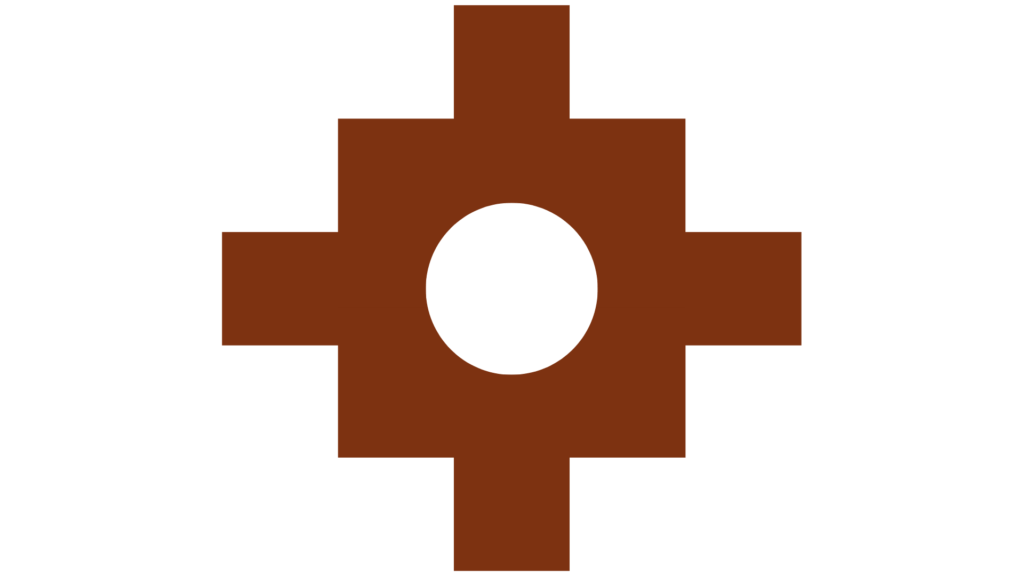
Its four arms symbolize the directions of the cosmos, the stages of life, and the balance between masculine and feminine energies.
In the center lies a circle or void, the nucleus of the soul, where all dimensions converge — a reminder that unity is found in stillness.
The Chacana teaches us the principle of Ayni, or sacred reciprocity: to live in balance with the world by giving as we receive. As Andean priest Juan Nuñez del Prado (2016) explains, it is both a cosmological map and a tool of initiation, a guide for aligning the human heart with cosmic harmony.
Inti and Killa: The Dance of Sun and Moon
The Sun (Inti) and the Moon (Killa) are perhaps the most visible symbols of Inca spirituality. Inti embodies illumination, clarity, and masculine energy, while Killa reflects intuition, cycles, and feminine receptivity. Together, they represent duality in sacred motion — the interplay that sustains life.
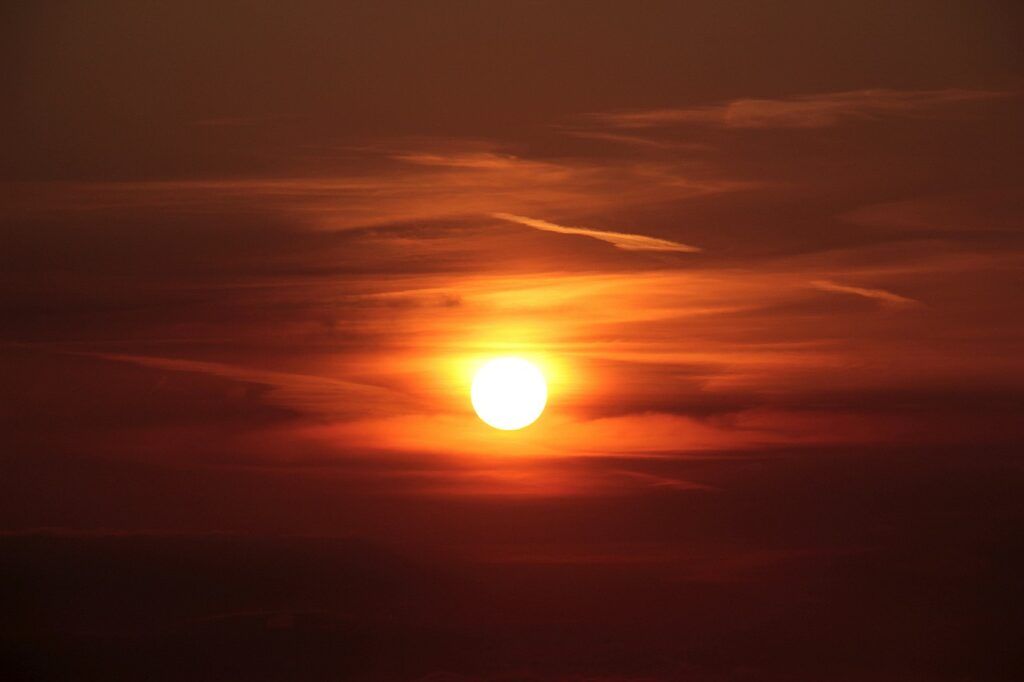
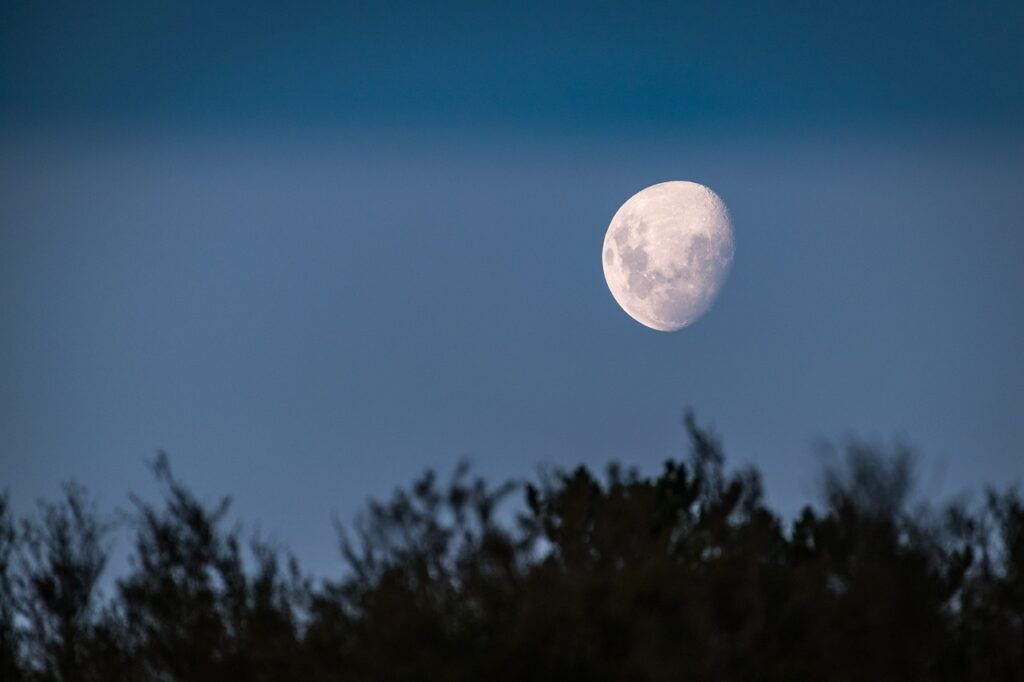
Rituals like Inti Raymi, the Festival of the Sun, were moments when communities gathered to synchronize with celestial rhythms, expressing gratitude for life, light, and harvest.
These celestial symbols remind us that balance is not static — it is a constant dance between forces, a breathing rhythm of expansion and retreat, like the beating of the universe itself.
The Spiral and the Serpent: Symbols of Transformation

The spiral appears frequently in Inca art, pottery, and textiles, representing growth, evolution, and spiritual unfolding. It is the motion of energy — from the seed to the star, from the human to the divine.
Linked to the serpent (Amaru), guardian of the Uku Pacha, the spiral expresses wisdom through transformation. To walk the spiral is to journey inward, to shed the old and emerge renewed — a process mirrored in many Andean initiation rites.
Symbols as Living Codes
For the Inca, symbols were alive. They held Kawsay, the vital energy of the cosmos. To carve, weave, or paint a sacred form was to activate a relationship with the divine. The artist was not a creator, but a mediator — a Chakaruna, a bridge between realms.

Today, Inca symbols continue to serve as healing mandalas and teaching tools within Andean medicine and spirituality. When we contemplate them with intention, they speak — revealing layers of meaning that reconnect us with our origin, our purpose, and our path through the great tapestry of existence.
References
- Nuñez del Prado, J. (2016). The Andean Codex: Initiations and Adventures Among the Peruvian Shamans. Inner Traditions.
- Allen, C. J. (2015). The Hold Life Has: Coca and Cultural Identity in an Andean Community. Smithsonian Institution Press.
- Zuidema, R. T. (1982). Inca Civilization in Cuzco. University of Texas Press.
- Inca Medicine School (n.d.). Sacred Geometry in Andean Cosmology: The Chakana and the Symbolic Code of Life.