
At this stage, growth reveals something essential: it does not occur in isolation. It unfolds through reciprocity.
In Andean cosmology, life continues because relationships remain active. Nothing grows alone. Every process depends on exchange, between soil and water, sunlight and leaves, humans and land.
This principle is known as ayni, a form of reciprocity that sustains balance and continuity.

Ayni as a Living Practice
Ayni is not an abstract concept. It is a lived practice that shapes how people relate to the world around them. Farmers offer care to the land, and the land responds with nourishment.
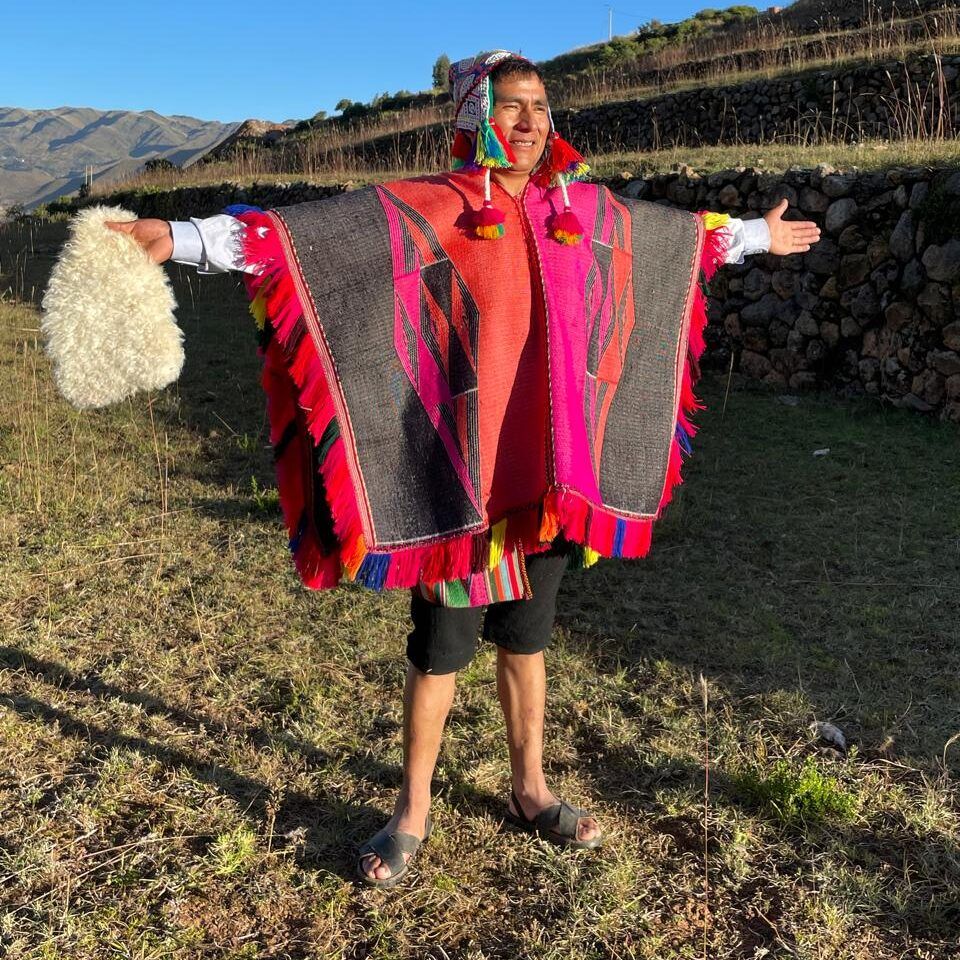
This exchange does not follow a transactional logic, but a relational one.
Through reciprocity, each action contributes to the wellbeing of the whole.
During March, this principle becomes more visible. As plants grow, they require continued care. Water must be guided, soil must be maintained, and the presence of the field must be acknowledged.
Human participation becomes part of the ongoing cycle of reciprocity.
Reciprocity Sustains Growth
Growth that emerges in February and strengthens in March depends on continued reciprocity. Without it, the relationships that sustain life may weaken.
Farmers do not simply observe growth; they respond to it. Their actions, whether small or significant, maintain the flow of exchange between human beings and the environment.
This ongoing interaction supports the development of crops and ensures that growth remains connected to the conditions that sustain it.
Reciprocity, therefore, is not optional. It is foundational.

Giving and Receiving in Balance
Reciprocity requires both giving and receiving. In Andean traditions, these two movements remain interconnected. To receive without giving disrupts balance, just as giving without receiving may exhaust the one who offers.
March invites awareness of this balance.
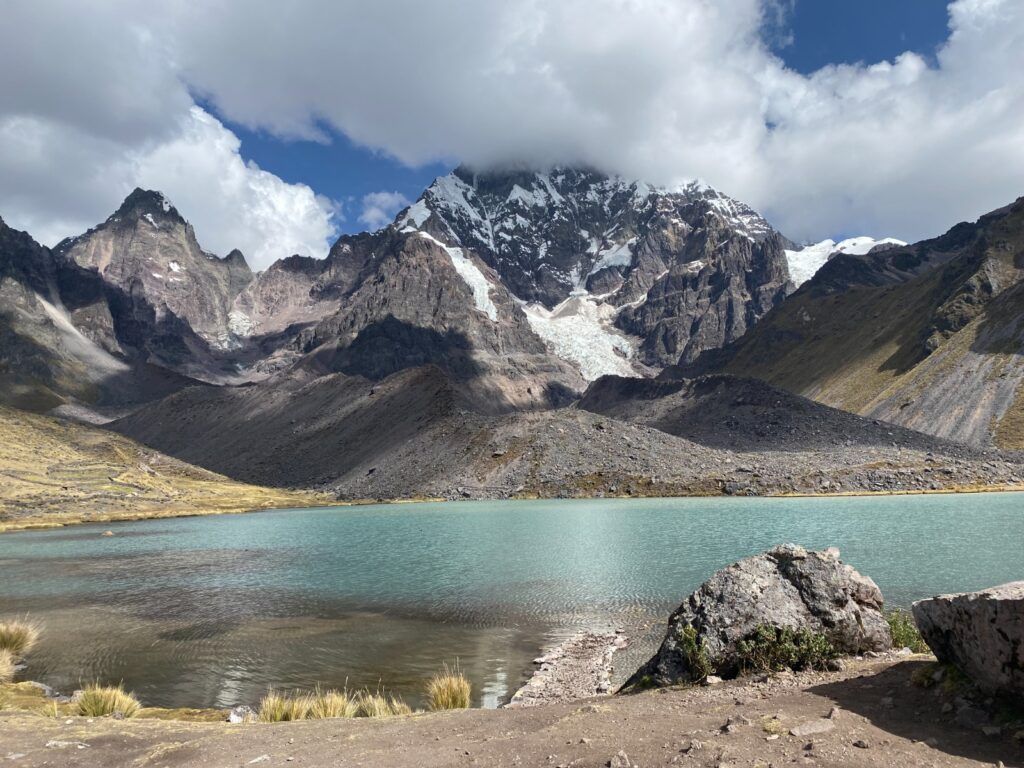
As life grows, it also gives back, through beauty, nourishment, and continuity. Human beings participate by recognizing this exchange and responding with care.
In this way, reciprocity becomes a shared movement that sustains all forms of life.
Living Through Reciprocity
To live through reciprocity means recognizing that every action affects a wider network of relationships. It means understanding that growth depends on participation rather than control.
March teaches that life continues through exchange.
As the season unfolds, reciprocity deepens. What began as emergence now becomes interaction. What was once hidden now enters into relationship with everything around it.
Through reciprocity, growth becomes sustainable, relational, and alive.

References
- Allen, C. J. (2002). The hold life has: Coca and cultural identity in an Andean community. Smithsonian Institution Press.
- Isbell, B. J. (1978). To defend ourselves: Ecology and ritual in an Andean village. Waveland Press.
- Rengifo Vásquez, G. (2001). La crianza de la chacra en los Andes. PRATEC – Proyecto Andino de Tecnologías Campesinas.
This article draws on both academic literature and oral, lineage-based Andean knowledge. Teachings that originate from living traditions are cited in recognition of their ongoing transmission within Andean communities, while scholarly sources are used to support contextual interpretation.