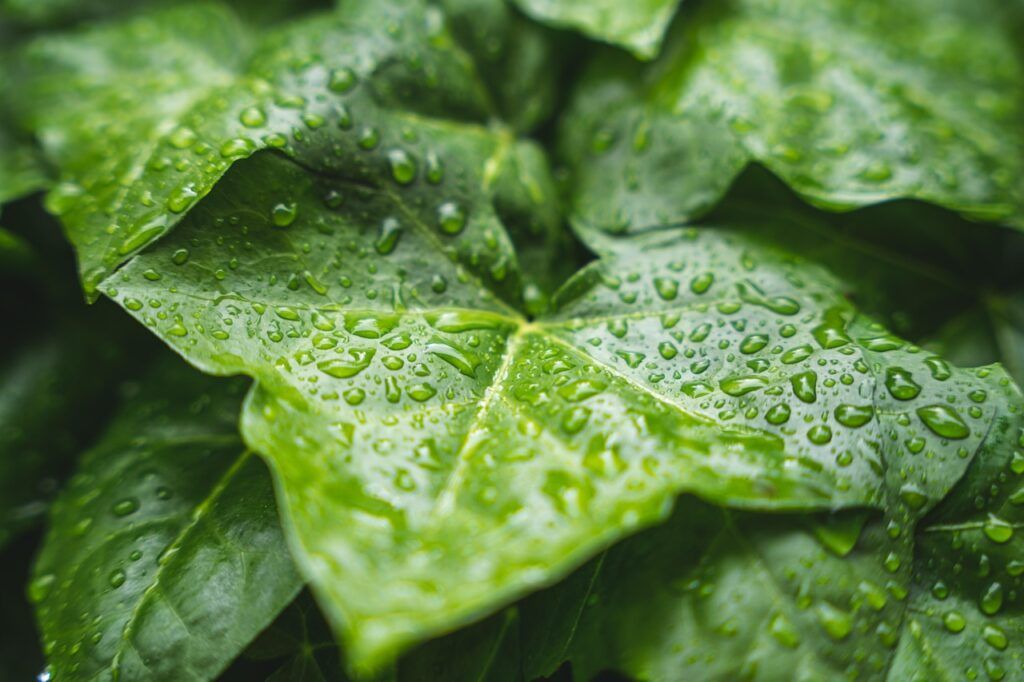
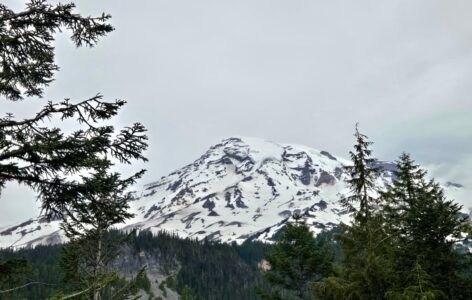
The “dry cold” (Chiri) does more than just freeze the ground; it concentrates the essential oils and spiritual potency of the local flora, medicinal plants. In the Andean tradition, this is the month of the Hampi-Camayoc (the keeper of medicines), where the harvest shifts from sustenance to healing.
The Potency of the Frost
In Western herbalism, people often judge plants by their active chemical compounds. However, in the spiritual Andes, people also determine a plant’s power through its relationship with the sun and the frost (Lasta).
During May, plants like Muña (Andean mint) and Sasawi are at their peak. People believe that the intense radiation of the May sun, combined with the freezing nights, “cooks” the spirit of the plant, making its Kallpa (force) more concentrated.
Collecting these medicinal plants in May is a ritual act of capturing the sun’s fire to survive the coming winter.
Muña – One of the most powerful Medicinal Plants
Muña is the queen of the May harvest. Beyond its ability to aid digestion, it is used mystically to “digest” the heavy experiences of the past year.
As the community gathers the last of the crops, Muña is used in smoke ceremonies to cleanse the Qollqas (granaries).
Spiritually, this represents the clearing of the mental space, removing the “pests” of negative thoughts so that the “harvest” of our personal growth can remain pure through the dark half of the year.
“The medicine of May is a medicine of preservation. We do not gather plants to use them immediately; we gather them to bridge the gap between the abundance of the sun and the scarcity of the frost. To smell Muña in the dry May wind is to breathe in the memory of the sun.”
The Language of Medicinal Plants
Hampi: Medicine or remedy. In the Andes, medicine is anything that restores Ayni(balance).
Ch’aki: Dry. This describes the climate of May and the state of the plants, which are entering a “dormant but potent” phase.
Q’utu: A bundle. In May, healers create bundles of dried herbs and hang them in the home as spiritual shields against the “winds of sickness” that arrive with the drop in temperature.
The Botanical Staircases
For those seeking the spirit of May’s medicine, certain locations vibrate with the energy of the Hampi:
The Terraces of Moray: Often viewed as an agricultural laboratory, Moray in May is a masterclass in microclimates. Here, one can see how different levels of stone and soil affect the “spirit” and potency of medicinal species.
Cachiccata (The Quarries of Ollantaytambo): The high trails leading to the ancient quarries are lined with high-altitude flora that thrives in the May frost. Hiking these trails is a literal inhalation of the Andes’ medicinal breath.
References
Franquemont, C., et al. (1990).The Ethnobotany of Chinchero, Peru. Field Museum of Natural History.
Girault, L. (1987).Kallawaya: Metaphor and Ritual in Andean Medicine. UNICEF.
Inamura, T. (1981).Adaptation to High Altitude: Ritual and Economy in the Andes.