
As April advances in the Andean highlands, the landscape begins to reveal the first signs of harvest. What was activated, stabilized, and deepened in previous months now reaches a moment of expression. This transition calls for reciprocity.

This moment does not represent an end.
It marks a turning within the cycle.
Harvest introduces a shift in relationship. What has been cultivated is no longer only held, it is now received.
Reciprocity as Foundational Principle
In Andean cosmology, life does not operate through extraction. It unfolds through reciprocity, or ayni, a principle of mutual exchange that sustains balance across all relationships.

To receive implies the responsibility to give.
Harvest, therefore, is not simply an act of gathering. It is a relational moment in which humans acknowledge what has been provided by the land, the waters, the cycles, and the unseen forces that sustain life.
Reciprocity ensures that this exchange remains balanced.
Harvest as Relational Event
Harvest does not occur in isolation. It takes place within a network of relationships that includes human communities, the land, and the broader cosmological field.
Each act of harvesting carries meaning.
It reflects recognition, gratitude, and participation in a cycle that extends beyond immediate need. Through this act, people reaffirm their connection to the sources of life.
Reciprocity transforms harvest into a relational event rather than a purely material one.

Offering and Return
In many Andean communities, moments of harvest are accompanied by acts of offering. These offerings do not function as symbolic gestures alone. They express a necessary return within the cycle of exchange.
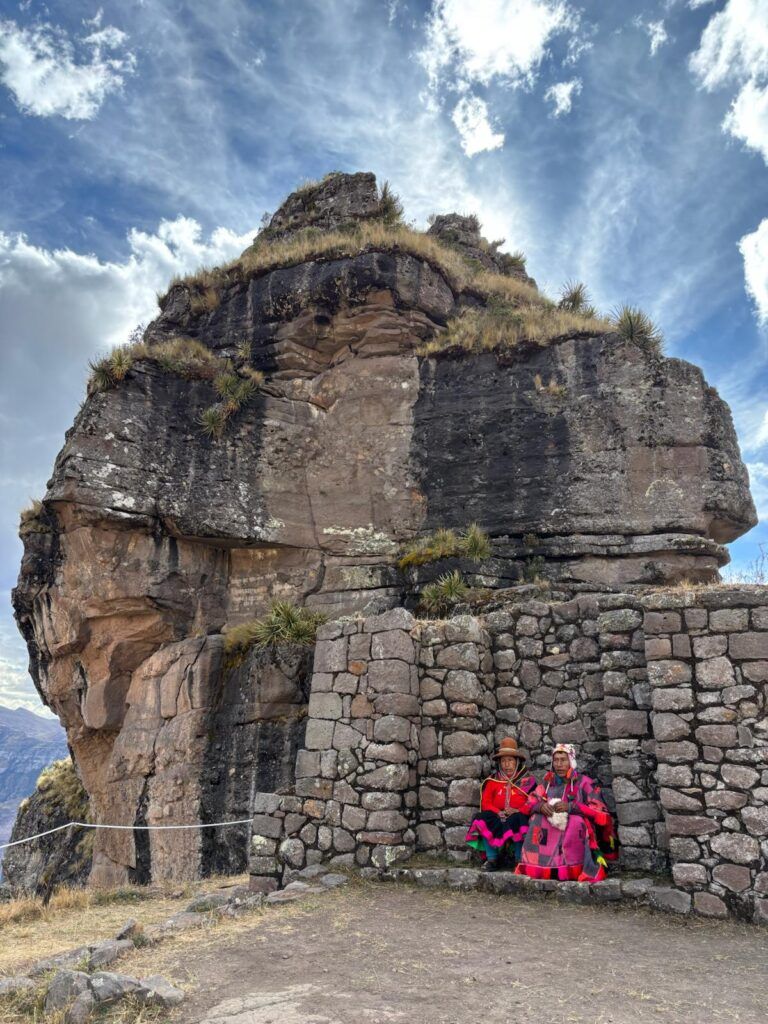
To receive without returning creates imbalance.
Through offerings, whether material, energetic, or intentional, people restore reciprocity.
They acknowledge that what has been received does not belong solely to them, but emerges from a wider field of relationships.
Reciprocity Beyond Material Exchange
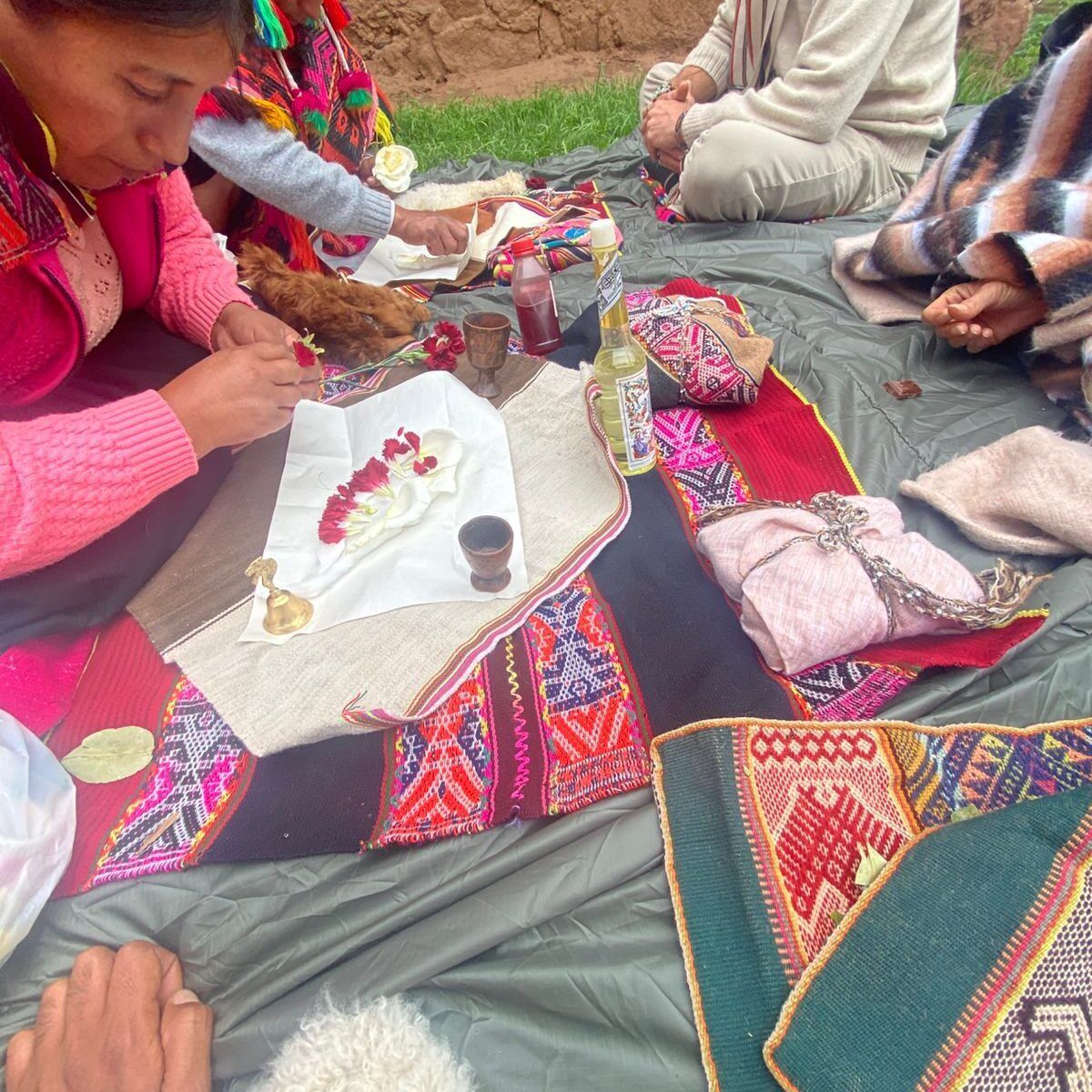
Reciprocity extends beyond physical resources. It includes attention, respect, presence, and care.
In human experience, receiving insight, support, or transformation also calls for reciprocity.
This may take the form of sharing knowledge, sustaining relationships, or acting in alignment with what has been received.
Living Reciprocity
April teaches that receiving is not passive. It requires awareness and response.
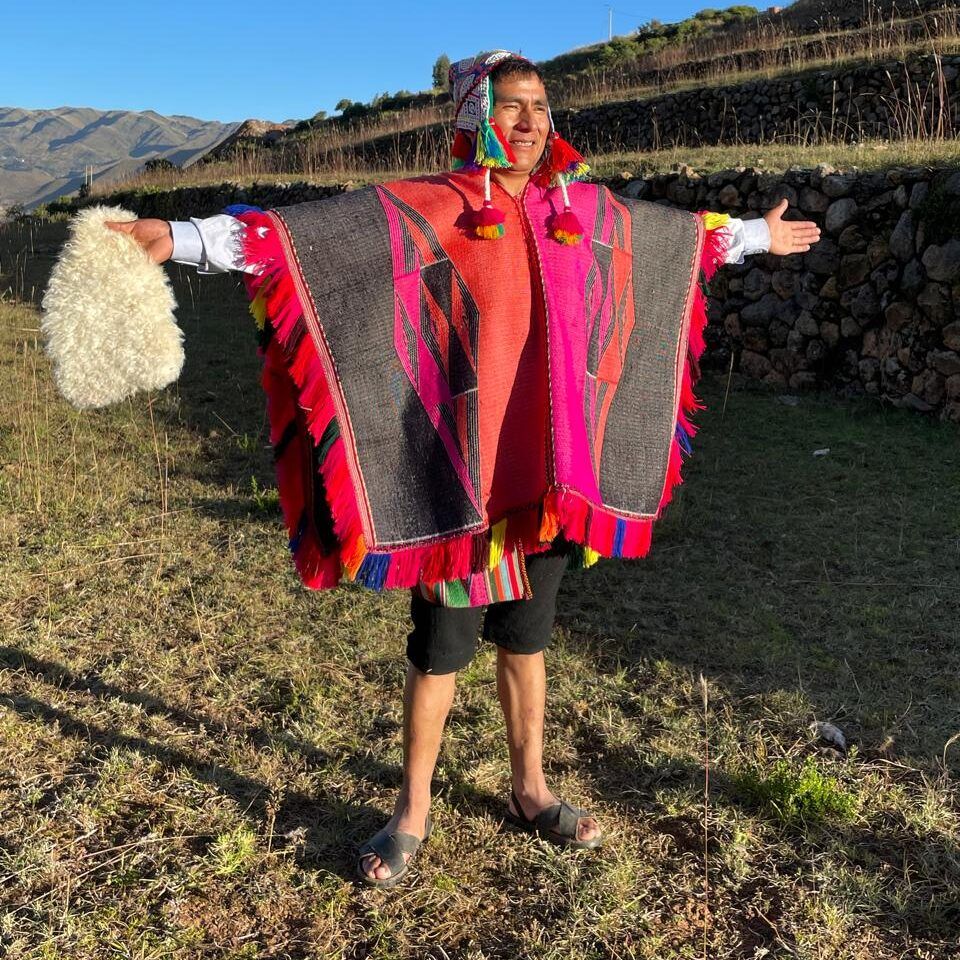
To live through reciprocity means recognizing that every moment of reception invites participation in return. It means maintaining balance within the flow of giving and receiving.
Harvest, then, is not a conclusion.
It is a renewal of relationship.
References
- Allen, C. J. (2002). The hold life has: Coca and cultural identity in an Andean community. Smithsonian Institution Press.
- Gose, P. (1994). Deathly waters and hungry mountains: Agrarian ritual and class formation in an Andean town. University of Toronto Press.
- Isbell, B. J. (1978). To defend ourselves: Ecology and ritual in an Andean village. Waveland Press.
- Rengifo Vásquez, G. (2001). La crianza de la chacra en los Andes. PRATEC – Proyecto Andino de Tecnologías Campesinas.
This article draws on both academic literature and oral, lineage-based Andean knowledge. Teachings that originate from living traditions are cited in recognition of their ongoing transmission within Andean communities, while scholarly sources are used to support contextual interpretation.