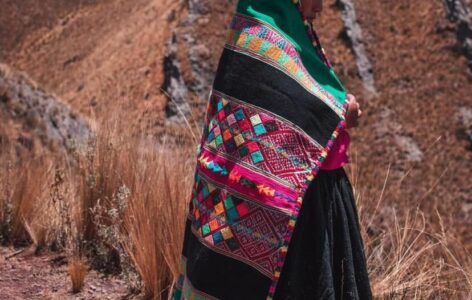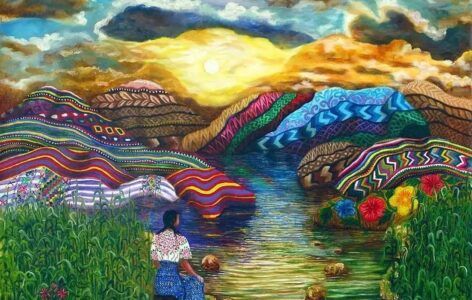
By the third week of July, the highland winter reaches its most deceptive phase. The sky remains an uncompromised, blinding blue, yet the shadow temperatures drop well below freezing the moment the sun slips behind the peaks. To navigate this extreme environmental contrast, Andean cultural traditions look to Millma, the raw, cloud-like fleece of the Alpaca.
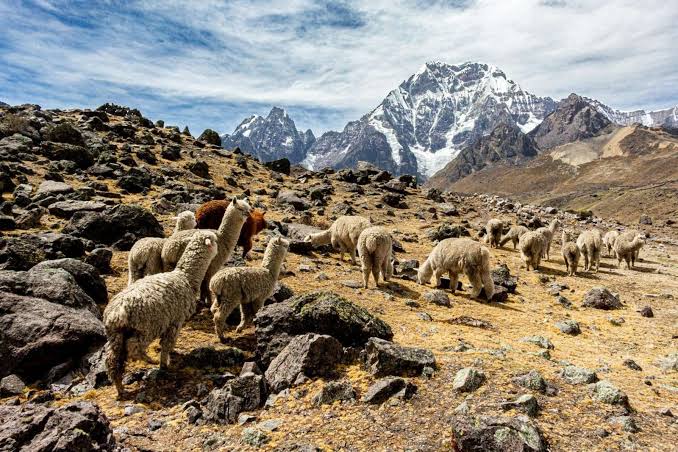
While the modern textile industry prizes this fiber solely for its soft luxury, the highland Paqo understands that Millma is a masterclass in somatic protection. It teach us how to build an impenetrable energetic boundary around the soul.
The Architecture of Millma
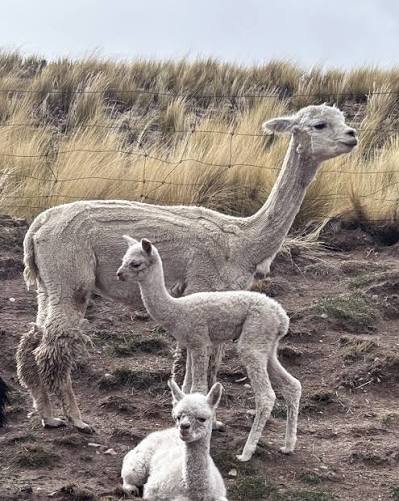
Unlike sheep’s wool, alpaca fiber is structurally unique: each strand contains microscopic core pockets of trapped air.
This hollow architecture allows the alpaca to survive the violent thermal swings of the high Puna grasslands. It acts as a perfect thermal regulator that insulates against intense cold while breathing under the hot midday sun.
In the transpersonal framework of Andean cultural traditions, this physical properties map onto the concept of Hark’ay, the development of a conscious, adaptable spiritual boundary.
The alpaca fleece teaches us that true protection does not come from building thick, rigid mental walls that block out the world.
A rigid ego cracks under pressure. Instead, the medicine of Millma invites us to develop a lightweight, porous, yet highly efficient boundary.
By spinning our intentions into a clear personal framework during these quiet July nights, we create an energetic field (Poq’po) that deflects the freezing, heavy energies of external conflict while remaining completely open to receive the refined, warm currents of universal love.
The Ritual of K’antuy of Millma
This protection is materialized through the sacred act of K’antuy, the manual spinning of raw wool using the Phuska (the drop-spindle).
Sitting on the cold earth in late July, the spinner draws the chaotic, unformed puff of raw fleece down through their fingers, twisting it into a single, unbreakable, high-tension thread.
This rhythmic movement is an active meditation on Organization. The raw fleece represents our unformed, scattered thoughts, anxieties, and spiritual potential.
As the spindle spins clockwise, the practitioner pulls this mental chaos into a tight, cohesive axis of power. You are literally spinning your own strength, thread by thread.
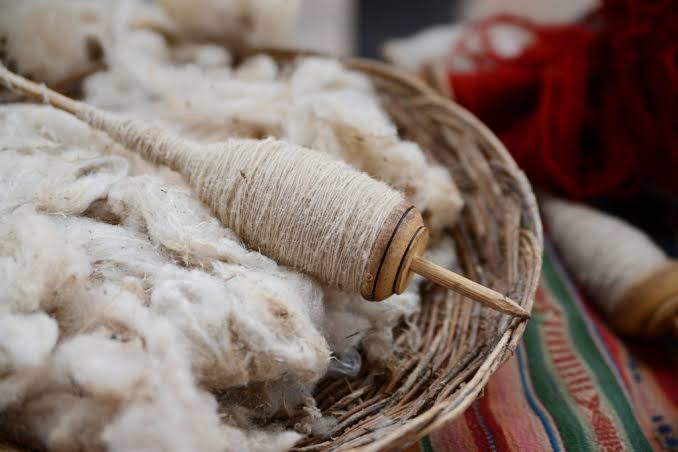
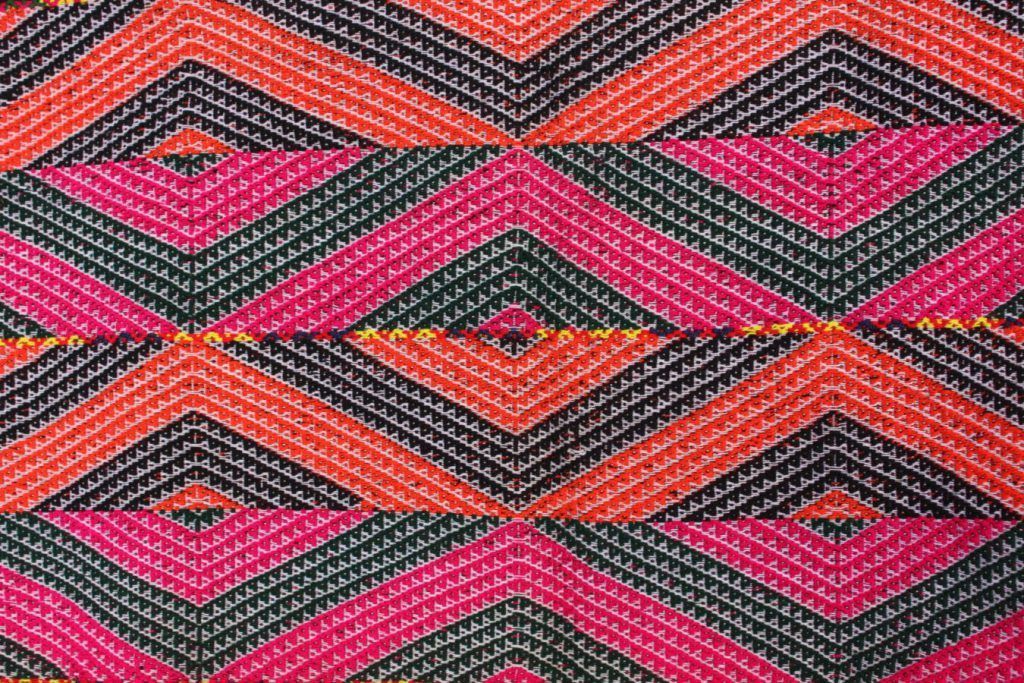
You are preparing the protective garments and blankets that will shield your physical body and your energetic center through the remainder of the winter cycle.
“The drop-spindle does not just spin wool; it gathers the scattered pieces of your mind and twists them into a single string of power. If your thread is tight, no winter wind can pierce your coat.”
The Language of the Fleece
- Millma: Raw wool or fleece, specifically from sacred camelids, viewed as a direct materialization of protective energy.
- Phuska: The traditional Andean drop-spindle, a handheld wooden tool used to twist raw fibers into high-tension yarn.
- K’antuy: The precise, ritual act of spinning yarn, symbolically representing the organization of mental and spiritual chaos into structured power.
The Sanctuaries of the Thread
- The High Weaving Plains of Pitumarca: Located in the shadow of Apu Ausangate. This high-altitude community preserves ancient pre-Incan spinning techniques. Witnessing the yarn being spun here in July reveals how raw physical survival is elevated into a sacred cosmic art.
- The Sanctuary of Chinchero: Famous for its master women weavers, this town features natural stone terraces where the alpaca wool is cleaned and prepared using the Sacha Paraqay.
References
- Isbell, B. J. (1978). To Defend Ourselves: Ecology and Ritual in an Andean Village.
- Franquemont, E. (1986). Cloth and Human Experience: Spinning in the Andes.
This article draws on both academic literature and oral, lineage-based Andean knowledge. Teachings that originate from living traditions are cited in recognition of their ongoing transmission within Andean communities, while scholarly sources are used to support contextual interpretation.