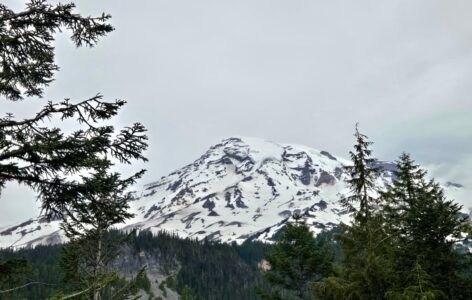
As the final week of July approaches, the shadows lengthen across the stone patios of the high Andes, bringing an acute, biting chill. With the sun dipping early beneath the mountain ridges, the center of human survival shifts inward. It converts around the Qoncha, the traditional clay and stone cooking stove built into the earth floor of the home. Within the lineage of Andean shamanic rituals, this domestic fire is far from a utilitarian utility. It is Nina, a conscious, ancient entity that guards the vitality of the lineage.
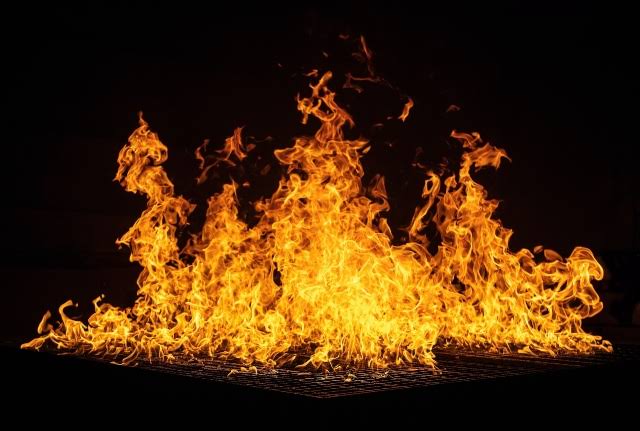
During these freezing mid-winter nights, the simple act of feeding the hearth transforms into an intimate, transpersonal practice. This teaches us how to preserve our creative passion when our external environment turns completely cold.
The Alchemy of the Nina ‘s Smoke
In the high-altitude homes of Cusco, the winter fire is sustained using Yanta (dry scrubwood) and T’ika (sun-dried llama manure). Because July is completely dry, these fuels burn with a highly concentrated, steady heat, filling the enclosed spaces with a thick, aromatic blue smoke.
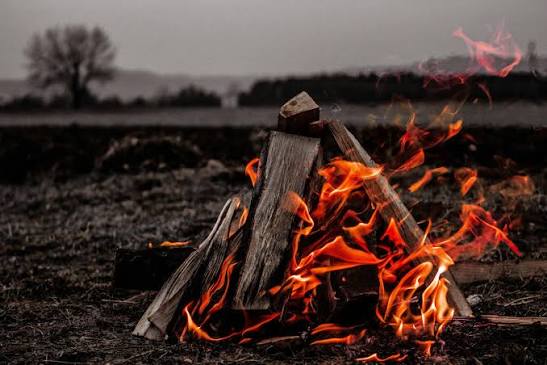
This domestic fire containment demonstrates the core psychological principle of Ninachuy, the intentional fueling of our inner motivation.
When the outside world becomes barren, dark, or unresponsive, human consciousness naturally tends to sink into a state of emotional hibernation or stagnation.
By performing the daily ritual of building and tending the fire, the practitioner engages in a somatic form of Andean shamanic rituals.
You learn that when external circumstances fail to provide warmth or inspiration. You must look inward and rely on your own raw, internal resources. Feeding the fire with gratitude chunks of dry wood becomes an external projection of feeding your own Willka, your inner sun. You are ensuring that your creative passion, warmth of heart, and drive to act remain completely undiminished by the heavy.
The Ritual of K’allma Nina
This domestic intimacy culminates in the practice of K’allma Nina, the ritual feeding and conversational exchange with the ash bed.
Before the fire is left to sleep beneath its blanket of grey powder at night, the elder of the house places a small, choice morsel of food, a splash of cane alcohol (Chicha), and a few sacred coca leaves directly onto the glowing embers.
This simple, daily sacrifice embodies the transpersonal law of Reciprocity with the Fire. You do not simply take heat from nature without offering nourishment back to the source.
By speaking gently to the embers, thanking the fire for cooking the food and shielding the children from the frost, the family seals the home against negative psychic intrusions.
It transforms a simple kitchen into a glowing fortress of ancestral protection.
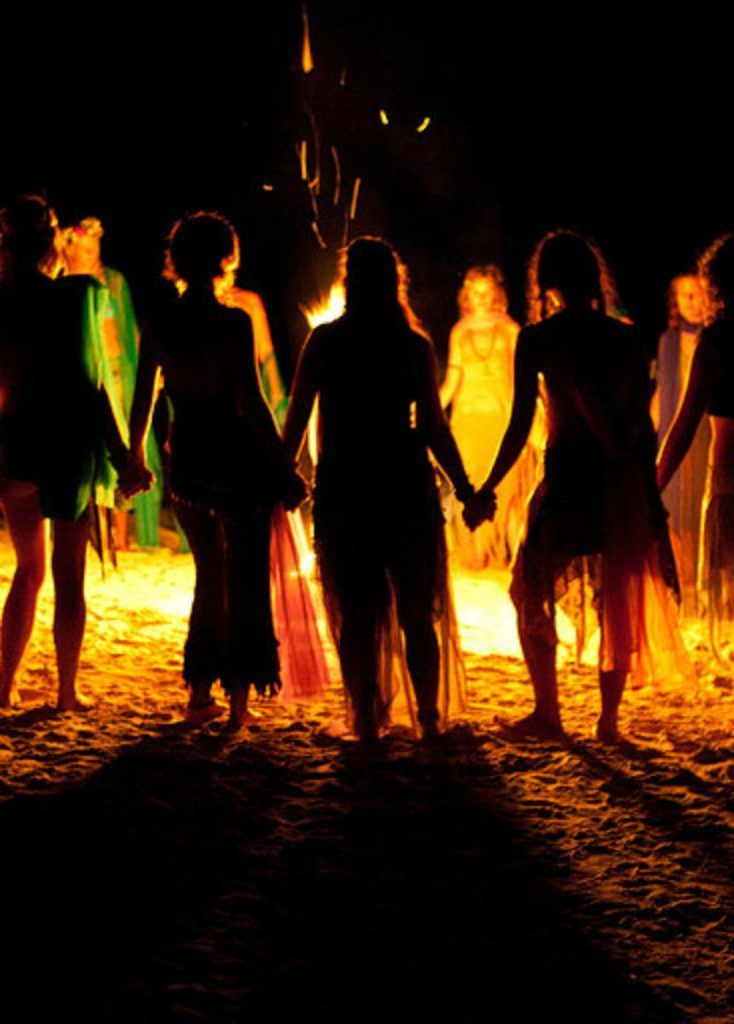
“Do not let your fire go cold before the stars come out. The spirits of the frost knock loudest on the doors of those who have forgotten how to feed their own stones.”
The Vocabulary of Nina
- Qoncha: The traditional Andean cooking stove made of packed clay, river mud, and stone. Built directly into the earth floor of the home.
- Nina: Fire as a living, conscious entity that carries transpersonal heat, purification, and the ancestral line of the home.
- Ninachuy: The intentional, ritual act of building, feeding, and cultivating fire to sustain life force within a cold environment.
The Sanctuaries of the Flame
- The Elite Kitchens of the Colcampata: Located at the base of Sacsayhuamán. This monumental stone masonry of this sector was once housed the grand, royal hearths of the early Incan lineages. Standing near these ancient foundations in July helps you tune into the deep.
- The Ceremonial Niches of Rumícolca: This massive stone gate at the southern entrance of the Cusco valley features high. The small, soot-stained niches near its base reveal where ancient guardians built fires to preserve their alertness through the biting July nights.
References
- Sillar, B. (2000). Shaping Culture: Making, Using, and Observing Pottery and Clay Activity in the Andes.
- Bastien, J. W. (1978). Mountain of the Condor: Metaphor and Ritual in an Andean Ayllu.
This article draws on both academic literature and oral, lineage-based Andean knowledge. Teachings that originate from living traditions are cited in recognition of their ongoing transmission within Andean communities, while scholarly sources are used to support contextual interpretation.