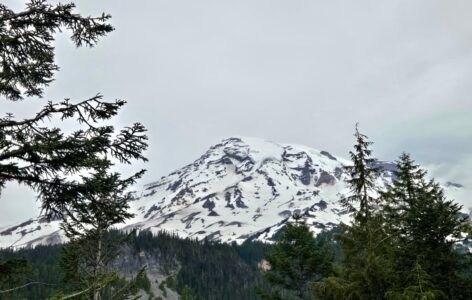
As July draws toward its final nights, the cold across the high Andes reaches its absolute stillness. The mountain peaks sit frozen under a hard vault of winter stars, and all movement across the landscape seems to suspend. In the deep architecture of Andean spiritual awakening, this intense environmental freeze corresponds with a profound energetic reality: the hibernation of the Amaru.

The Amaru is the great cosmic serpent that dwells within the Uku Pacha (the inner or subterranean world).
During the biting cold of late July, this primal current of creative evolutionary force retreats into the absolute deepest caverns of the earth.
This invite us to descend into the quiet chambers of their own unconscious mind to claim hidden reservoirs of power.
The Serpent in the Frozen Rock
In Western psychological thought, the serpent is frequently misunderstood or feared as a symbol of deception. However, within the advanced metaphysics of the high Andes, the Amaru represents the raw, vital currents of:
- Kawsay (life force)
- The Kundalini-like energy that flows through the earth’s tectonic fault lines
- The human spine.
In late July, when the planet’s surface is dry and locked in frost, this serpent energy does not vanish; it contracts. It undergoes Samay, a state of sacred, deep rest and incubation.
This phase represents the vital transpersonal lesson of Incubation.
A genuine Andean spiritual awakening cannot be sustained by constant external explosion or spiritual high notes.
It requires periods of absolute, subterranean darkness. By mirroring the sleep of the Amaru during these quiet July nights, you learn to drop beneath your active mental ego.
You allow your vital power to settle into your root center (Siki Champi), incubating your deepest dreams, longings, and raw potential within the steady, silent masonry of your bones.

Awakening the Underground Mind
This subterranean focus prepares the initiate for the upcoming shift in August, when the earth will violently split open to awaken. The practice of navigating the Uku Pacha in late July teaches the soul to become comfortable with the unmanifested void.
By sitting in absolute silence, away from the frantic necessity of “producing”, you allow the deep, reptilian intelligence of your ancestral lineage to surface.
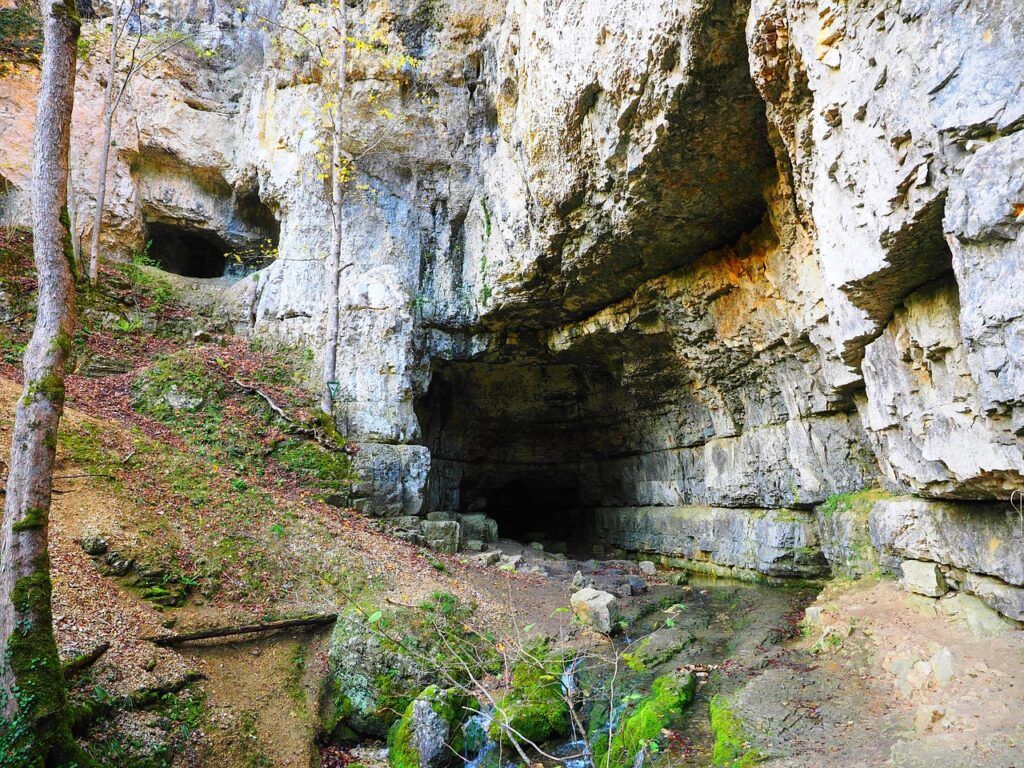
“Do not wake the snake before its time. Let it sleep in the cold limestone chambers of July, for only a serpent that has mastered the dark can safely carry the weight of the summer sun.”
You begin to see your life not from the short-term perspective of daily anxiety, but from the immense, enduring time-scale of the stones (Pacha). It ensures that when your inner energy finally rises again, it will be guided by an unshakeable structural foundation.
The Language of the Awakening Depths
- Amaru: The sacred serpent. Mystically, it represents underground waters, tectonic power, and the primal current of evolutionary life force within the human body.
- Uku Pacha: The inner world, the subterranean realm, or the psychological unconscious. It is the repository of hidden wisdom, roots, and ancestral memory.
- Samay: The act of breathing, resting, or entering a state of sacred incubation to restore vital energy.
The Wombs of Amaru
- The Cave of Chuspiyoq: Located along the ancient pathways behind Sacsayhuaman, this hidden limestone cavern features carved stone altars completely isolated from daylight. Meditating inside its cool, silent womb in late July allows you to experience the absolute stabilization of your inner current.
- The Sacred Fissure of Chzone: A massive, naturally split rock formation near the temple of Amaru Machay. The architectural stone cuts here guide your vision directly into the dark interior of the mountain. It mimicks the descent of consciousness into the deepest chambers of the self.
References
- Burger, R. L. (1992). Chavin and the Origins of Andean Civilization. Thames & Hudson.
- Cobbo, B. (1990). Inca Religion and Customs.
This article draws on both academic literature and oral, lineage-based Andean knowledge. Teachings that originate from living traditions are cited in recognition of their ongoing transmission within Andean communities, while scholarly sources are used to support contextual interpretation.