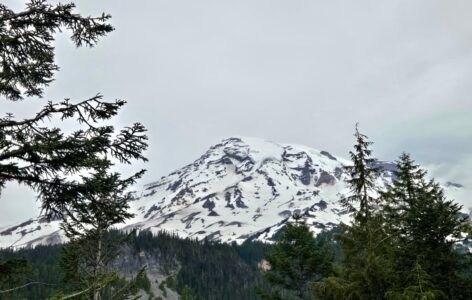
As the winter solstice draws near, the crisp June air turns completely translucent. The clouds vanish, exposing the massive, snow-capped peaks that encircle the Sacred Valley. In the framework of Andean mountain spirituality, these peaks are not inert piles of granite and ice. They are the Apus, highly evolved, living spiritual intelligences that act as the grandfather protectors of the human collective.
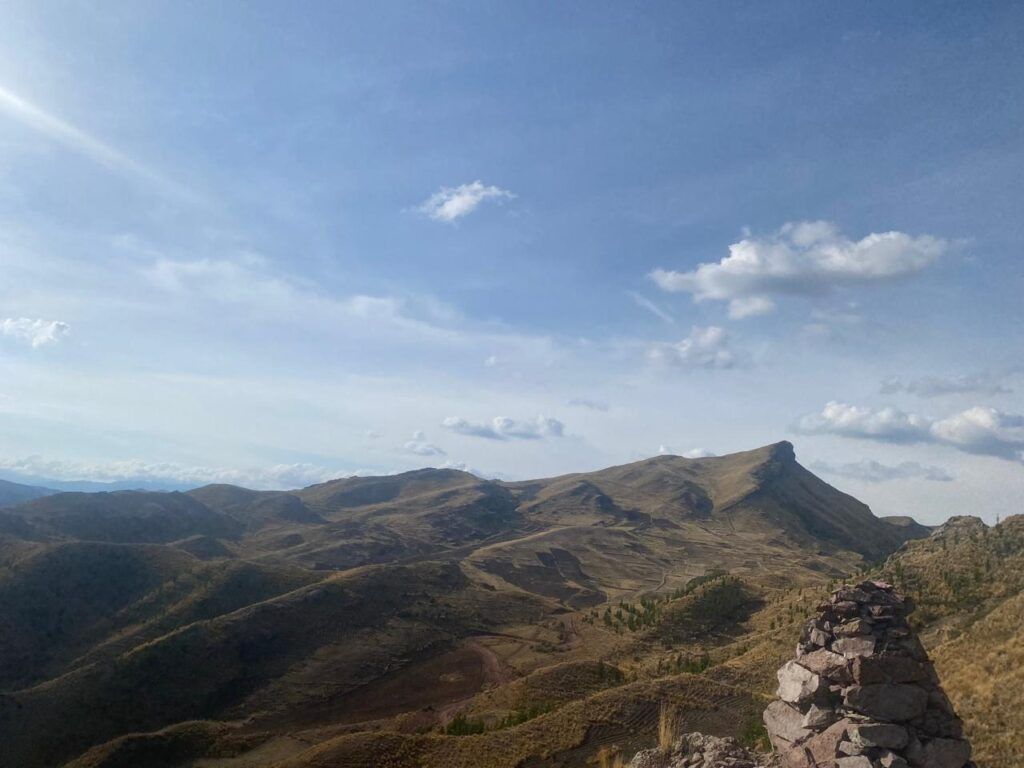
During the third week of June, as the earth’s energy drops to its lowest point, the Paqo initiates direct communication with these cosmic lords to anchor the light of the returning sun.
The Vertical Axis of Power
The Apus hold the highest frequency of Sami available on the planet. Because their physical forms pierce the Hanaq Pacha while their roots plunge into the Uku Pacha, they function as massive vertical antennas.
When human energy feels scattered or weakened by the winter cold, Andean mountain spirituality provides a direct remedy: the Mast’ay.
This is the conscious act of opening your personal energy field (Poq’po) and connecting it to the frequency of a specific mountain.
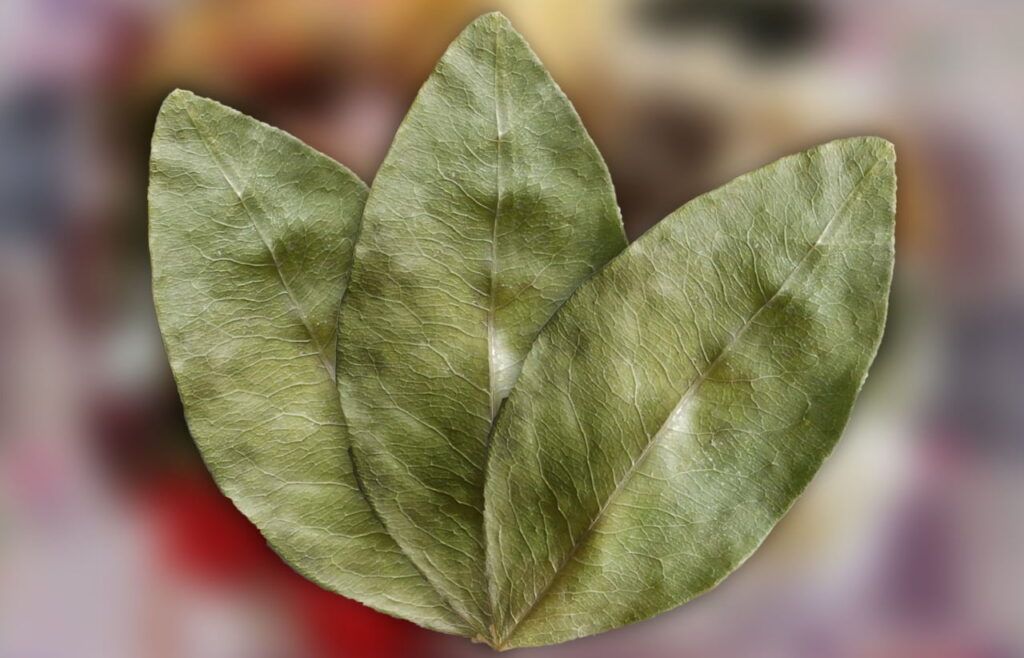
By whispering your prayers into a K’intu (three coca leaves) and facing the peak, you establish an invisible thread of light (Ceqe) between your heart and the mountain’s summit.
This connection stabilizes your psyche, infusing your lower human will with the unshakeable stamina of the stone.

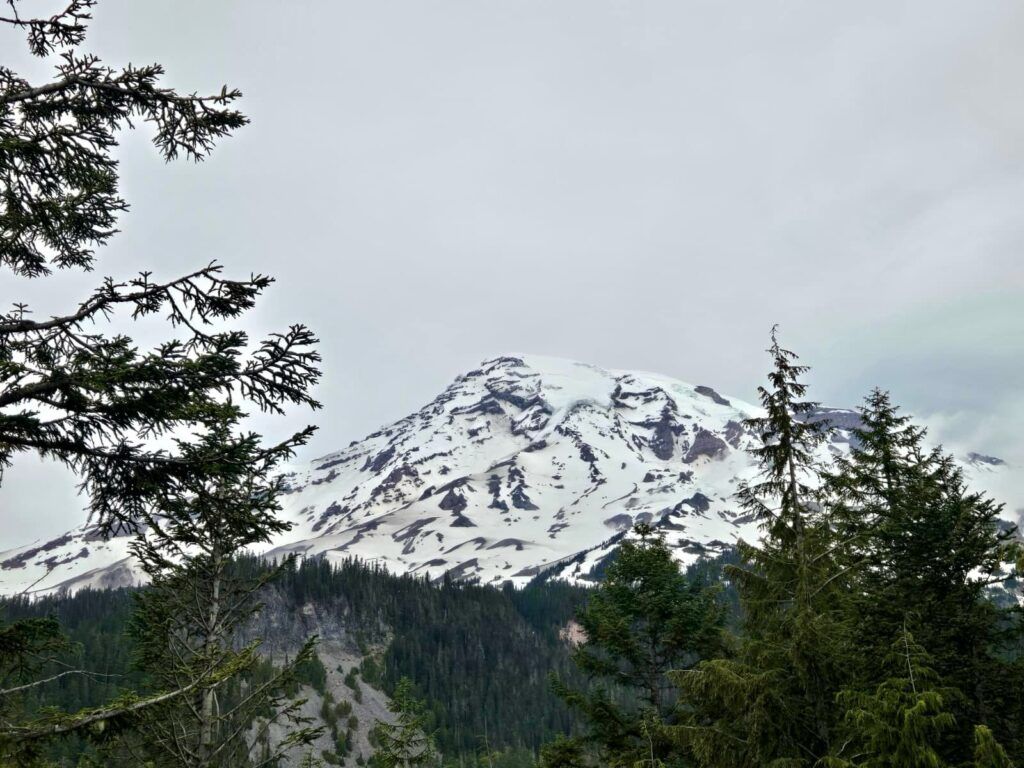
HANAQ PACHA —> Apu Summit
(Pure Sami / Light)
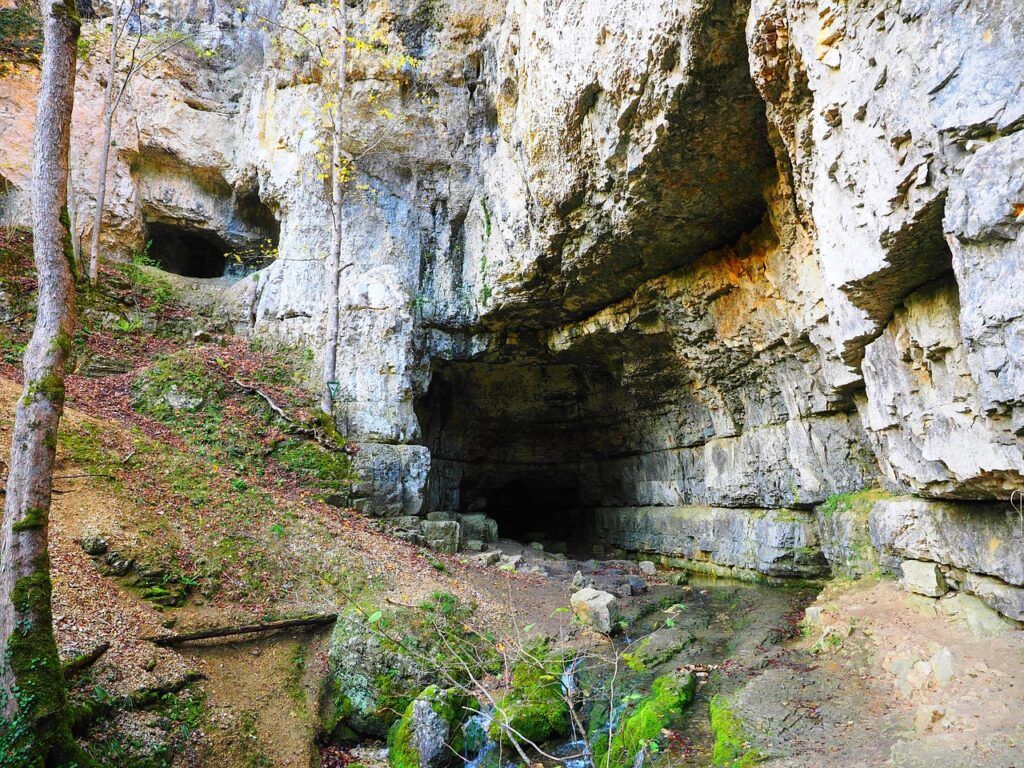
UKU PACHA —> Mountain Roots
(Deep Grounding)
The Hierarchy of the Lords of the Peaks
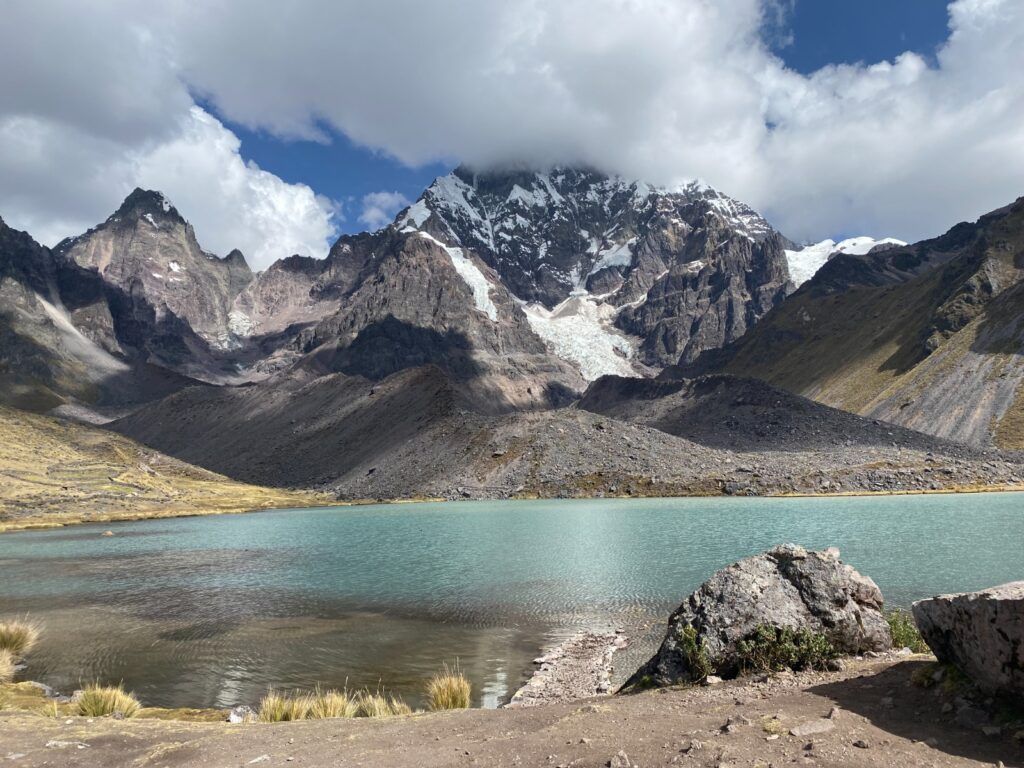
Cusco rests inside a protective psychological mandala formed by four primary sovereign Apus, each holding a distinct energetic signature for the month of June:
- Apu Ausangate: The supreme lord of the southern skies. He provides spiritual authority, ancient memory, and the raw power required to endure major life transitions.
- Apu Salkantay: The wild guardian of the west. He represents the untamed mind, radical transformation, and the courage to face the unknown.
- Apu Pachatusan: The column of the earth to the east. He stabilizes the physical body and anchors global consciousness.
- Apu Mama Simona: The maternal matrix to the north. She softens the harsh winter energy with feminine healing, protection, and nurturing wisdom.
“You do not walk alone into the winter darkness. The Apus have stood watch for ten thousand years. When you align your breath with the mountain, its ancient stone chest breathes for you.”
The Vocabulary of the Peaks
- Apu: Lord, protector, or light entity. Specifically refers to the living spirit of a mountain.
- Mast’ay: To spread out, open, or connect. In ritual, it means opening your personal energy field to synchronize with nature.
- Altomisayoq: A high-level Andean priest who receives initiation directly from the lightning on an Apu’s peak and communicates audibly with mountain spirits.
The Vision Portals
To practice this vertical alignment in mid-June, two natural viewpoints offer direct, unblocked pathways to the Lords:
- The Ridge of San Cristóbal: Located directly above the main plaza of Cusco, this vantage point gives you a clear, uncompromised sightline to Apu Ausangate on crisp June mornings.
- The Rocks of Chacan: Situated on the high trails behind Sacsayhuamán, this quiet sanctuary looks out toward the majestic peak of Salkantay, making it an ideal space for silent Mast’ay meditations.
References
- Bastien, J. W. (1978). Mountain of the Condor: Metaphor and Ritual in an Andean Ayllu.
- Reinhard, J. (1985). Chavin and Tiahuanaco: A New Look at Two Andean Ceremonial Centers. National Geographic Research, 1(1), 36-75.
This article draws on both academic literature and oral, lineage-based Andean knowledge. Teachings that originate from living traditions are cited in recognition of their ongoing transmission within Andean communities, while scholarly sources are used to support contextual interpretation.