
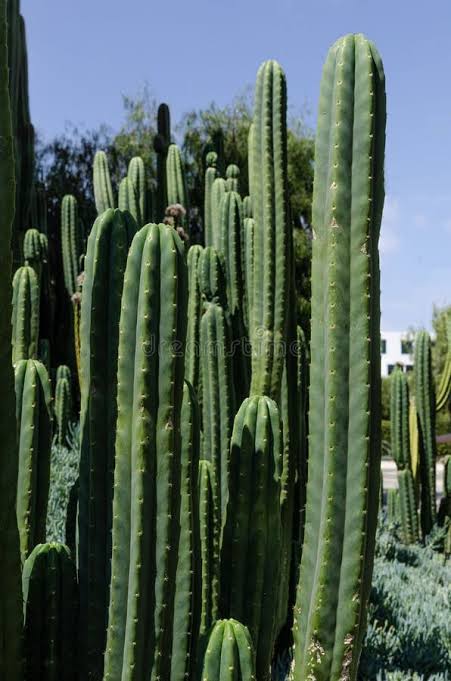
As June reaches its midpoint, the outer world continues its sharp contraction into darkness. To match this environmental shift, Andean shamanic rituals look to the sacred medicine of Wachuma (the San Pedro cactus).
While the West often misclassifies this master plant as a mere hallucinogen, the Andean Paqo views Wachuma as an intelligent cosmic architect.
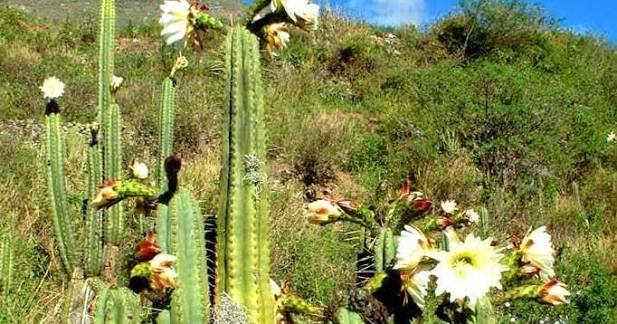
During the freezing weeks of June, this medicine serves a vital purpose:
It dissolves the mental frost of the ego, dropping the practitioner’s awareness straight into the warmth of the spiritual heart.
The Architecture of the Clear Sky
Wachuma is uniquely tied to the intense, blinding clarity of the June winter sun (Chirawu). Unlike nighttime medicines that pull the consciousness down into the dark subconscious, Wachuma is traditionally worked during the crisp daylight hours of June.
The medicine strips away the cultural conditioning, labels, and personal histories that partition our minds.
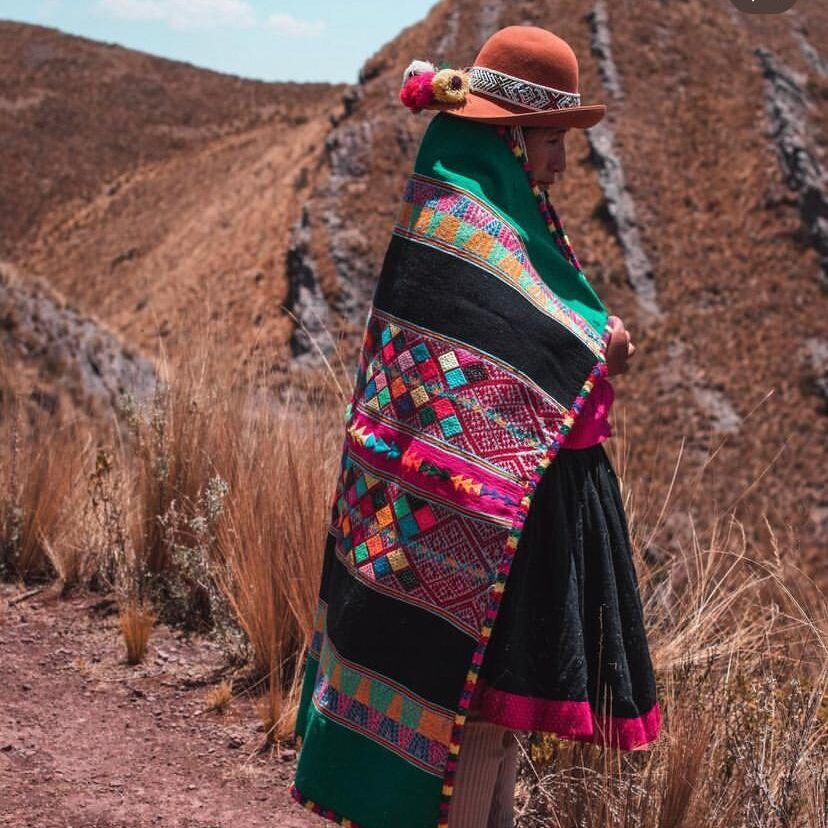
In the framework of Andean shamanic rituals, this clearing is known as Ch’allay, the act of purifying the internal vision. Walking through the stone valleys of Cusco under the influence of Wachuma, the practitioner no longer looks at nature.
They experience themselves as an extension of the living landscape. The stone, the wind, and the soaring hawk cease to be external objects and instead become active mirrors of the internal psyche.
CODIFIED MIND =====>
Separated from nature, trapped in daily worry.

WACHUMA MEDIATION =====>
Strips away ego labels, the self as the landscape.
RENEWED VISION
Direct communion, the self as the landscape

The Wachuma Perspective
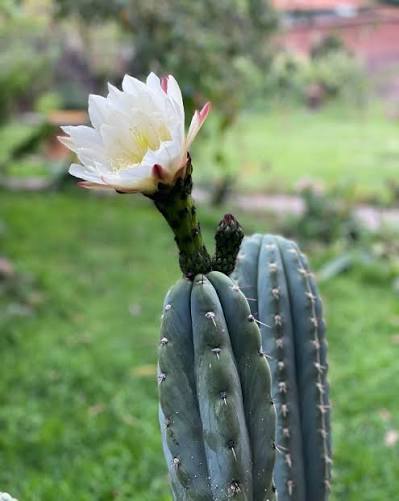
Wachuma carries a distinct “Grandfather” archetype, a calm, unyielding, and deeply grounding presence.
In June, when the severe cold can trigger feelings of emotional isolation or existential dread, this grandfather energy provides a profound psychological anchor.
It teaches the transpersonal lesson of Endurance.
By showing the practitioner the eternal, interconnected lines of light (Ceqes) that bind all of creation, Wachuma replaces fear with a deep, unshakeable trust in the cosmic order.
You realize that just as the winter sun must inevitably return, your personal struggles are merely temporary shadows preparing the soil for a future spring.
“Wachuma does not show you illusions; it strips away the illusions you have spent your whole life building. It leaves you naked before the sun, forced to see that you are, and have always been, a drop of divine light.”
The Codes of Wachuma
- Wachuma: The ancestral Quechua name for the Trichocereus pachanoi cactus. It translates roughly to “that which cuts or removes the head” (the ego-mind).
- Ch’allay: To spray, sprinkle, or clear. Spiritually, it refers to the profound opening and clarifying of the perception.
- Punku: A door or gateway. Healers view Wachuma as the Punku that connects the human heart directly to the Hanan Pacha.
The Portals of Vision
Working with Wachuma in mid-June requires natural altars where the expansion of light can be fully absorbed:
- The Temple of the Moon (La Zona X): Located on the ancient trails behind Cusco, this stone cave complex features a natural rock slit that projects a precise beam of sunlight during June. Sitting here with the medicine allows you to track the physical and energetic movement of the solar light.
- The Matrix Rocks of Amarukan: These smooth, undulating limestone formations look like frozen waves of energy. Meditating upon them during a June afternoon reveals the subtle, vibrating patterns of life force (Kawsay) that run through the stone.
References
- Sharon, D. (1978). Wizard of the Four Winds: A Shaman’s Story.
- Dobkin de Rios, M. (1972). Visionary Vine: Hallucinogenic Healing in the Peruvian Amazon. Chandler Publishing.
This article draws on both academic literature and oral, lineage-based Andean knowledge. Teachings that originate from living traditions are cited in recognition of their ongoing transmission within Andean communities, while scholarly sources are used to support contextual interpretation.