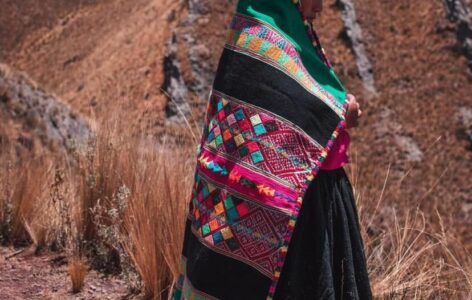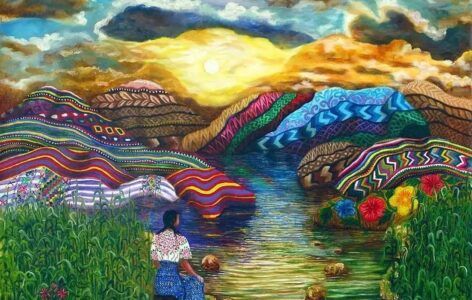
As the July sun cuts through the razor-sharp cold of the Cusco sky, a silent phenomenon occurs beneath the frozen crust of the mountains. While the surface rivers slow to a crawl, the underground aquifers and sacred springs known as Puquios experience an intense crystallization. In the framework of Ancestral Andean medicine, water is not an inanimate chemical compound. It is Yaku, a conscious, living nervous system that carries the memory of the cosmos. During the freezing second week of July, this fluid network undergoes a profound seasonal filtration. It teachs the practitioner how to cleanse the deep, emotional subterranean streams of the human psyche.

The Mechanics of the Quiet Filter
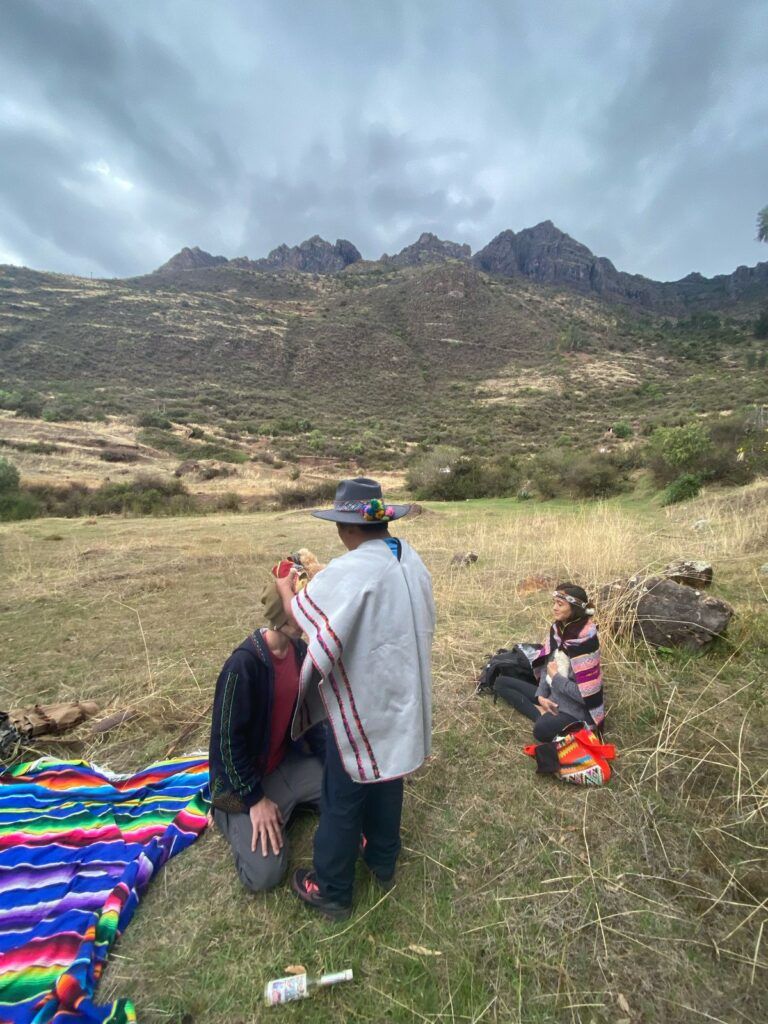
In the Andean highlands, July is the driest month of the year. Because no rain falls to disturb the soil, the water flowing deep inside the stone layers of the Apus moves at its slowest possible velocity.
This lack of external turbulence allows all suspended sediment, debris, and heavy minerals to naturally settle and bind to the bedrock.
This environmental slowing mirrors the core therapeutic process of Hampi. In ancestral Andean medicine, emotional or mental disease (Onqoy) stems from Hucha, congested, turbulent energy caused by constant external reactivity.
When you intentionally slow down your life in mid-July, mimicking the subterranean water, you initiate a natural psychological filtration.
By sitting in silent meditation and ceasing the constant churn of daily worry, you allow your emotional sediments to naturally drop to the bottom of your awareness.
The freezing winter climate forces a beautiful contraction. It leaves the active stream of your consciousness completely clear, transparent, and structurally organized.
The Guardianship of the Cocha
This winter filtration culminates in the ritual of Yaku Pichay, the cleaning of the water channels and irrigation pools.
Before the earth can open to receive seed in August, communities gather in late July to physically scrape away the dead reeds, moss, and silt from the stone aqueducts built by the ancestors.
This communal labor carries a vital transpersonal lesson: Reciprocity with the Source.
You cannot expect the water of your life to remain pure if you neglect the channels that feed your spirit.
By honoring the physical and energetic purity of the water in July, the practitioner clears the lines of communication between their own heart and the ancestral memory of the lineage.
We ensure that when the rains finally return, the water will flow without meeting structural blockages.
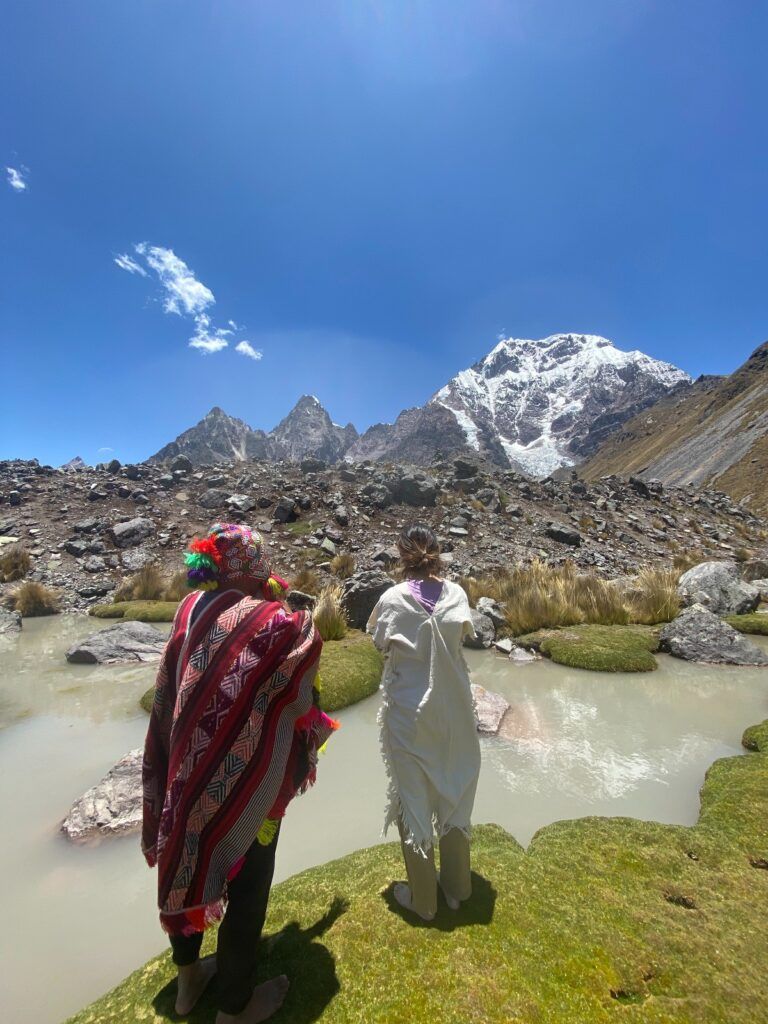
“Water remembers everything it touches. If you do not let it sit in the dark stone womb of July until it freezes and clears, it will carry the mud of your past straight into your future harvest.”
The Codes of the Fluid Matrix
- Yaku: Water in its active, living, moving state. The fluid intelligence that animates the landscape.
- Puquio: A natural spring or upwelling of subterranean water, viewed as a direct portal to the Uku Pacha.
- Yaku Pichay: The ritual sweeping, scraping, and clearing of water channels to ensure pure, unobstructed flow.
The Fluid Altars
To experience this mid-winter water purification in July, two specialized stone sanctuaries act as direct physical amplifiers:
- The Fountains of Tambomachay: This elite Incan water temple outside Cusco features masterfully carved stone niches where crystalline water flows year-round. In July, the flow is exceptionally clear and cold, providing a perfect focus point for meditating on the absolute purity of the internal self.
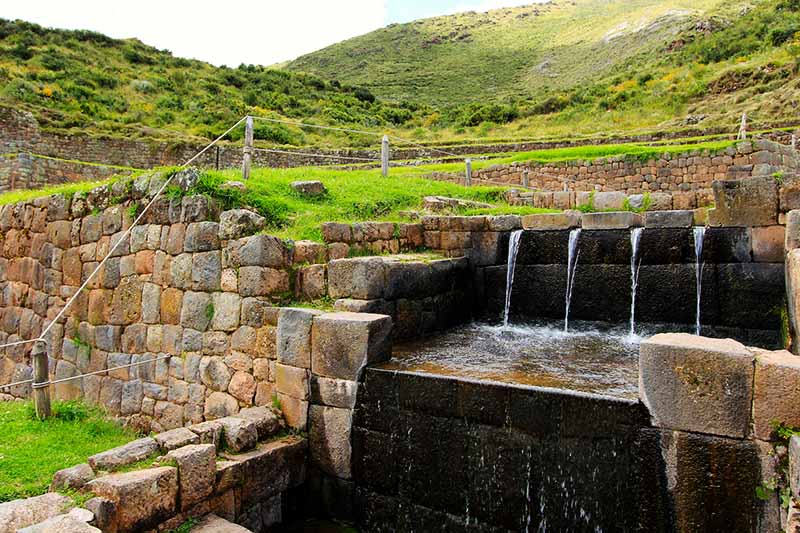
- The Subterranean Aqueducts of Tipon: Renowned as a masterpiece of hydraulic engineering. Tipon features open stone channels where water drops across geometric terraces. Visiting this sanctuary in July allows you to track how the architecture of stone organizes and civilizes the raw energy of the water.
References
- Sherbondy, J. E. (1982). The Canal Systems of Hanan Cuzco.
- Gelles, P. H. (2000). Water and Power in the Highlands of Peru: The Cultural Politics of Irrigation and Development.
This article draws on both academic literature and oral, lineage-based Andean knowledge. Teachings that originate from living traditions are cited in recognition of their ongoing transmission within Andean communities, while scholarly sources are used to support contextual interpretation.