logo im

Beyond the Seven Colors: The Mystical Nature of Rainbow

Posted on

Western meteorological beliefs have long enshrined the concept of seven colors in the rainbow, intricately linking it to classical numerology.

When a rainbow appeared in the sky, it was seen as a sign of favorable times.

However, there is no certainty that Quechua speakers share any of these notions.

The colors of the rainbow merge and blend in a gradual, almost ethereal manner, and one may divide them into countless categories depending on the intent behind the division.

In a meticulous survey of informants, researchers asked how many colors graced the rainbow. Each respondent provided varying frequencies and numbers.

Rainbows are essentially circles. However, the earth often hides or obstructs most of the circle, making it almost never visible. (Graham 1975:75-83 and Nussenzveig 1977)

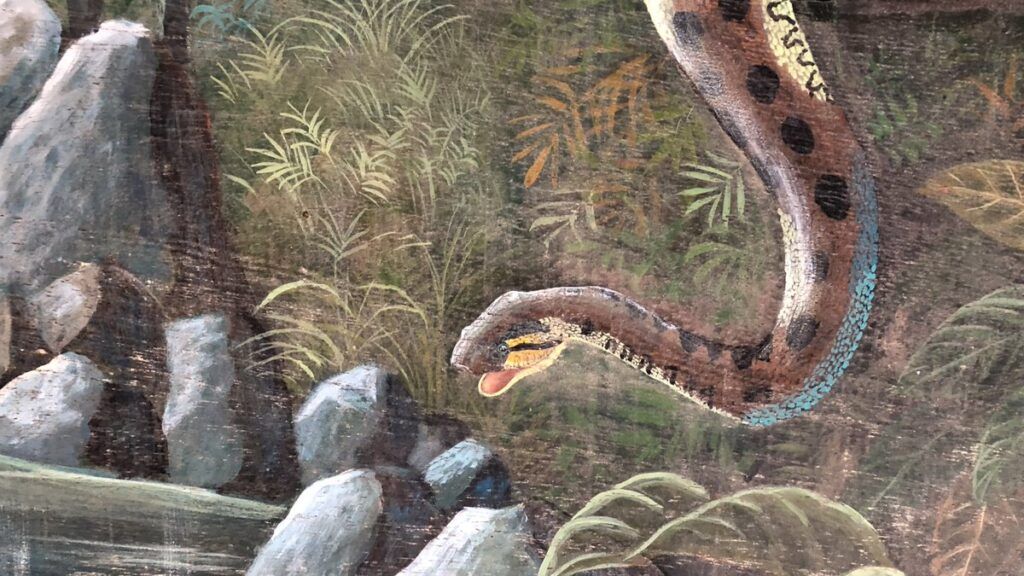
Nevertheless, the informants agreed on two key points: rainbows are serpents, or “Amaru,“.(Casaverde Rojas 1970: 171,J.Nuñez del Prado 1970: 88 y Vallée 1972:245). It emerge from springs or water sources when rain begins.

Since the Andean rainy season lasts about six months (from November to April), these multicolored atmospheric serpents closely follow the rainy half of the annual cycle.

Additionally, rainbows are categorized as female or male, based on their colors—one being red and the other blue.

People consider red rainbows dangerous for women, as they take on this color when they last beyond sunset.

On the other hand, observers can see blue rainbows high in the sky, with their lower parts often obscured or darkened by dense clouds.

According to the informants, blue and red are the primary colors in the classification and conceptualization of rainbows.


References:

  • Urton, G. (2006). En el cruce de rumbos de la tierra y el cielo. Imprenta del Centro Bartolome de Las Casas. Cusco, Perú.

The Priestess of the Lightning

Posted on

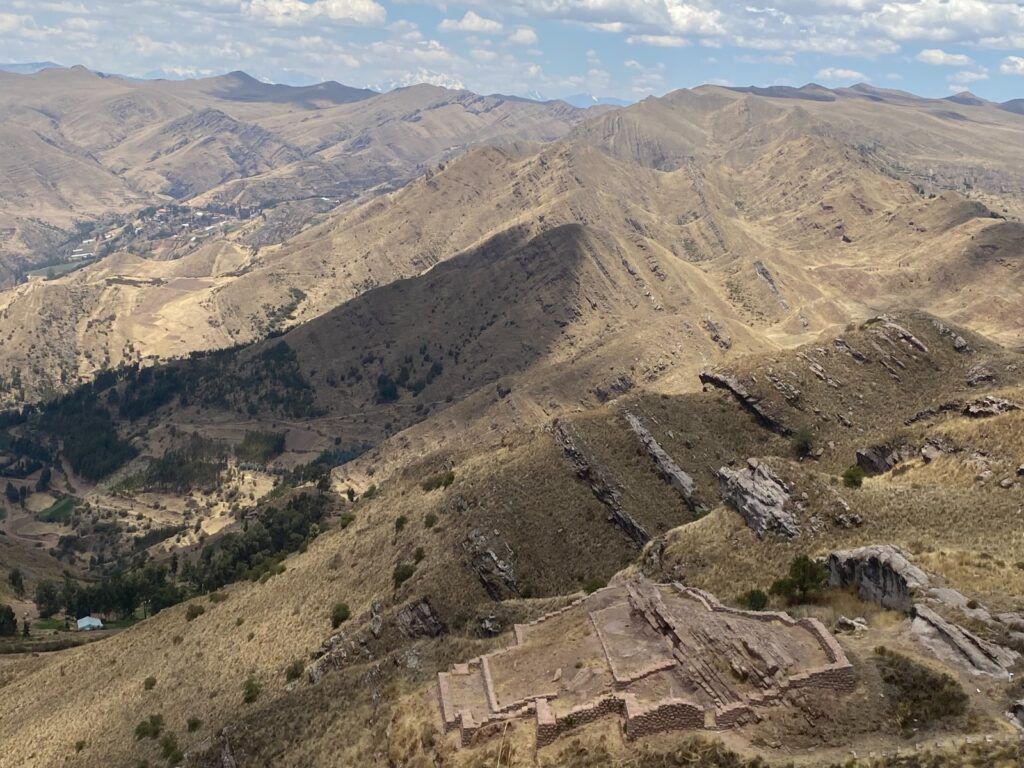
Beneath the sacred “Rock of the Serpents” rested a priestess, who, at 45, passed away, leaving behind a legacy of mystery and power.

In life, she—the Llaviacvillaq—spoke with the Lightning itself. A divine connection that set her apart as a priestess of unparalleled strength.

On her chest rested two slightly convex bronze mirrors with square, perforated handles. They were sacred tools used by the priestess to kindle the ceremonial fire and consume the offerings dedicated to the celestial deities.

Her face, adorned with esoteric symbols, shimmered with the red powder of sorcery, marking her as a priestess with mastery over the arcane.

For the most sacred rituals, the priestess wielded knives of bronze and chalcedony. Their broken blades whispering tales of hidden power.

Upon her death, she was buried with her most treasured possessions:

  • A beautiful shawl pin or “tupu,” a 9-centimeter silver medallion with drilled holes
  • A necklace of five silver discs

Not only adorning her body, but also serving to guard the secrets of her mystical life.

The wind that still stirs through the rocks likewise carries the echoes of her name, and within the shadows of the ‘Rock of the Serpents,’ her spirit remains—forever connected to the divine forces she once commanded as a revered priestess.

Mircea Eliade states that the bones of sorcerers and witches enjoyed a different post-mortem fate from the rest— their souls ascended directly to the heavens.

It is likely that the bones of the priestess once rested atop a platform on the carved rock, adorned with serpents, where homage was paid.


References:

  • Sánchez Macedo, M.O. (1998). De las Sacerdotisas, Brujas y Adivinas de Macchu Picchu. Pag. 103 – 104. Imprenta HGT S.R. Ltda.

The Power of Condor: Mystical Energy in Andean Culture

Posted on

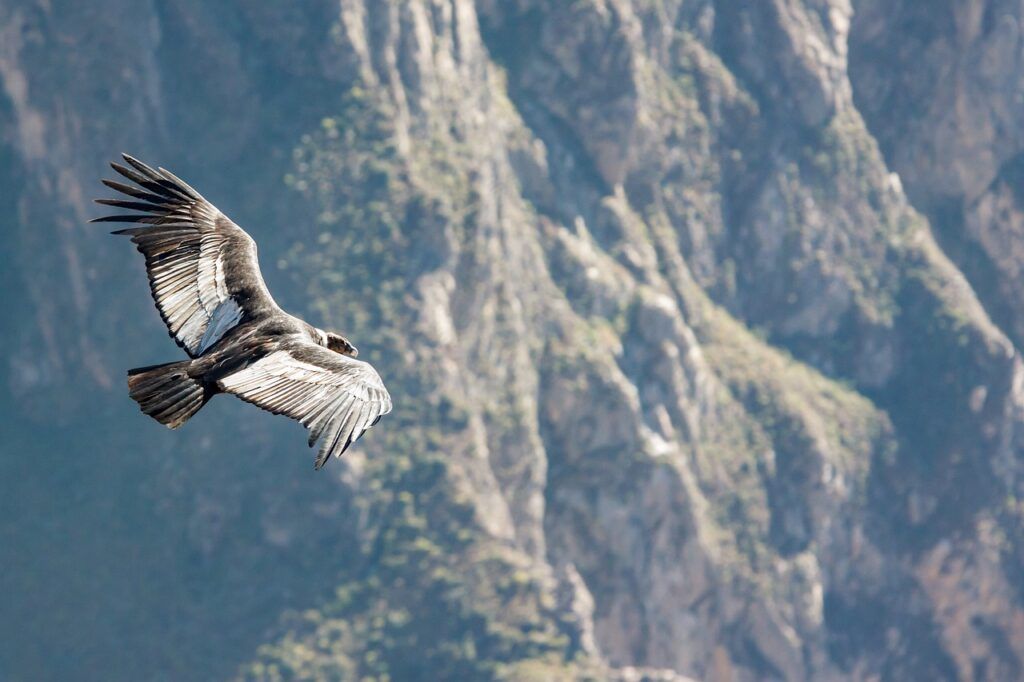
Royal Condor

The creature that ascended to prominence within the ideological and spiritual fabric of Tiahuanaco culture was the Sacred Mallku: The Royal Condor

Symbolizing Hanaq pacha, the condor, one of the three Andean animal archetypes, surveys all worlds from the upper world.

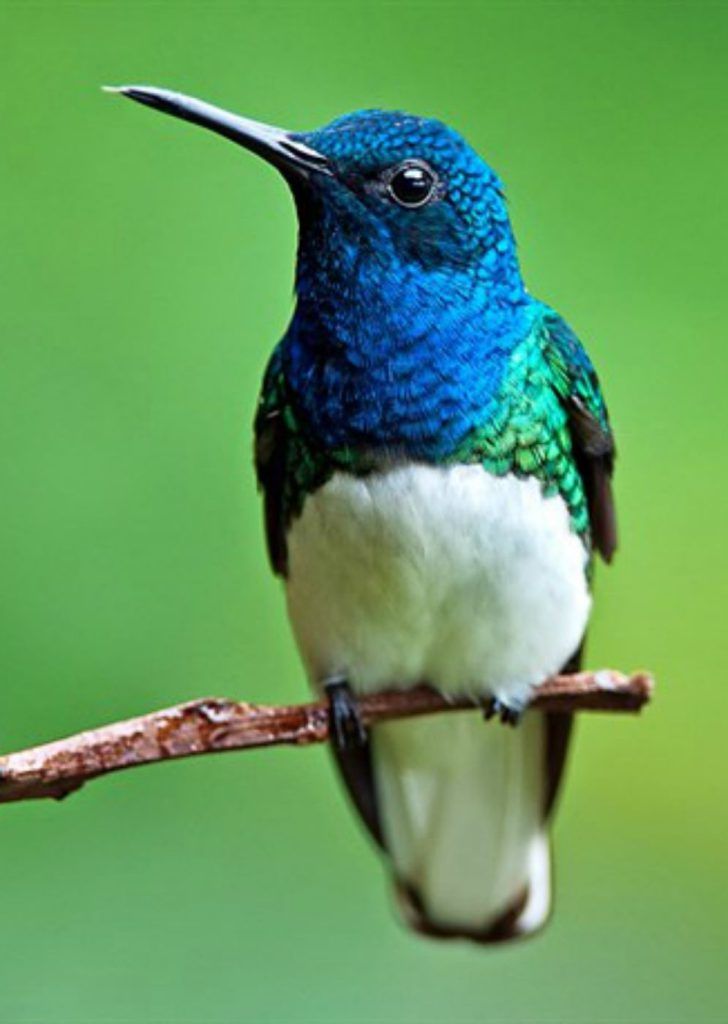
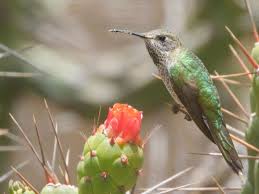
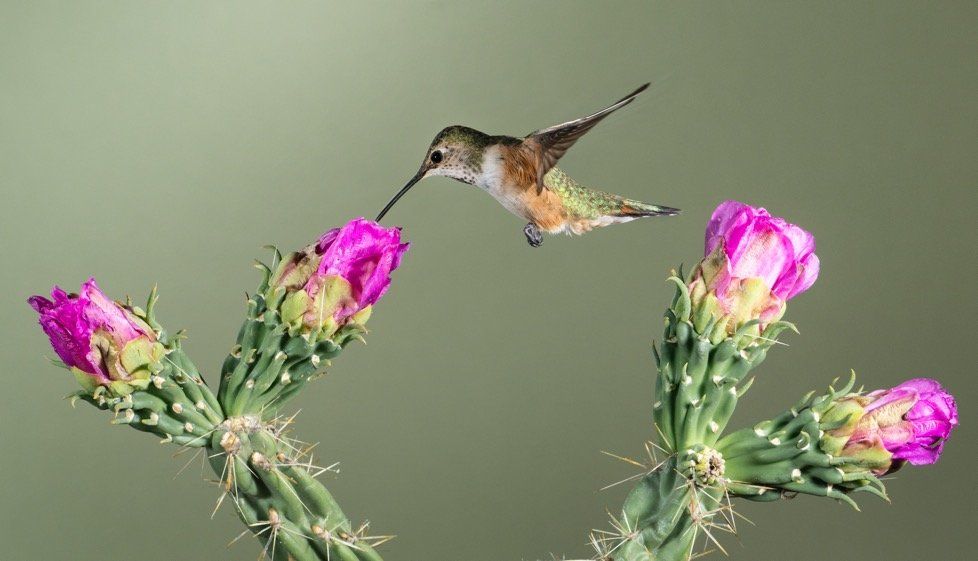
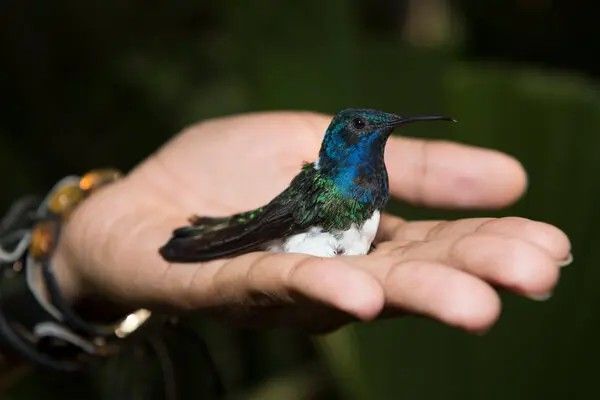
The condor stands in stark contrast to the Q’ente, the hummingbird, as the most revered bird across Andean cultures. Yet it holds a uniquely profound significance for Tiahuanaco.

They regard it as the bird of the sun.

An all-seeing eye that soars across the vast expanse of our earthly sky. It ventures into distant realms until it disappears or merges into the cosmic unity of Wiracocha.

This majestic bird is a bridge between worlds, embodying the divine gaze that transcends time and space.

A symbol of the eternal cycle that connects the heavens to the earth and all that lies between.

The condor’s flight is not merely a physical journey but a spiritual odyssey. It’s a manifestation of the soul’s ascent toward the infinite, the unnameable essence of creation.

Tiahuanaco’s spiritual animals

Tiahuanaco stands as the heart of the ancient mother culture of the Southern Andes. Its roots nourished by the sacred waters of Lake Titicaca.

This lake, a divine source, cradled the people until the inevitable moment of their departure, destined to journey toward new lands, carrying with them the mission of expanding the consciousness of Wiracocha and his Solar wisdom.

Wiracocha is the being of polarity, the sovereign of both the heavens and the earth, the ruler of the right and the left, the masculine and the feminine.

He embodies the essence of time and space, the primordial force that sustains all dualities. In Tiahuanaco, Wiracocha was represented as a being of polar balance, his presence marked by the fiery energy of the serpent, symbolizing transformation and renewal.

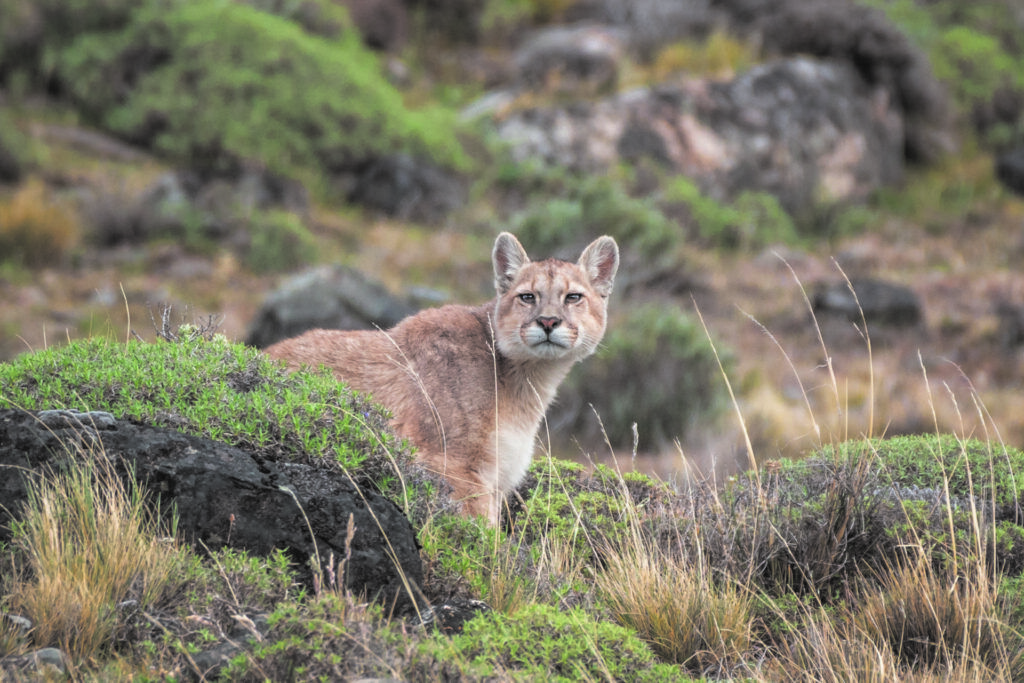
But it was also the stable and steady form of the feline totem—the Puma—that captured his grounding nature.

Yet, it was the Condor who immortalized the Sacred Bird. This majestic creature became the eternal symbol of the divine flight, soaring through the heavens as a messenger of Wiracocha, carrying the wisdom of the sun across the vastness of time and space.

The condor’s wings, spread wide, served as the spiritual vessel through which the ancient knowledge passed down, forever linking the people of Tiahuanaco to their celestial origins and to the higher planes of existence.

If we have awakened your curiosity about this sacred animal, you may now embark on a mystical initiation by pressing the following button:


References:

Merejildo, J.A (1997). The awakening of the puma. An initiatory path. Astronomical evidence in the Andes. Chaski. Cusco, Perú.

The Power of Serpent: Mystical Energy in Andean Culture

Posted on

Many shudder at the sight of the serpent. It is an enigmatic creature, remaining oblivious to the profound meanings and spiritual symbolism it embodies.

The Serpent in Andean Cosmovision and Mythology

It held a sacred role, offering profound insights into life’s cycles, the interconnectedness of all existence, and the timeless essence of the cosmos.

Chavín de Huántar

Considered the mother culture of the last millennia, settled in the highlands of Peru. The influence of this great culture even touched the shores of the sacred Lake Titicaca, greeting the great Wiracocha.

The culture of Tiahuanaco preserved this evolutionary line and scattered its seeds to the valleys of Cusco. With the Incas, it maintained “the silence in its voice,” a voice that emerges and flows eternally through the centuries.

The quintessential symbol or power animal used by the Chavín people was the Amaru, or serpent. The serpent was an important part of their culture, and in their art, we find this serpentine symbol manifested in their ceramics, lithic work, and other iconographic arts.

The people of Chavín essentially worked with their roots; they learned that inside the Pachamama there existed an underground force driven by the great Amaru. They knew that one day, this Amaru would spread its wings of freedom to ascend in a wavy and spiral movement toward the house of Amaru Tupac.

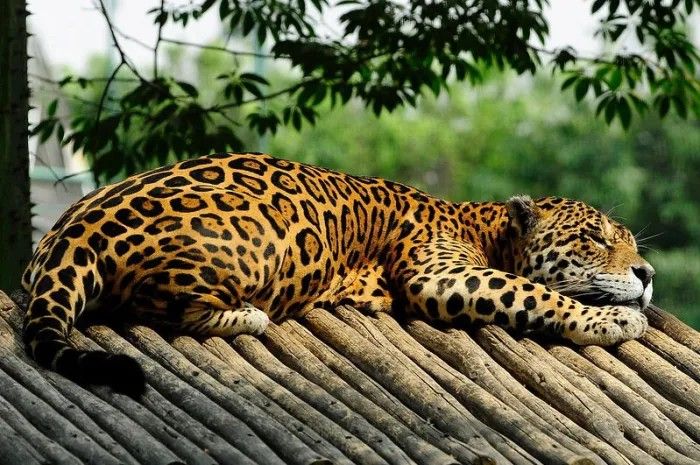
The serpent represents the first evolutionary stage of humanity. It is the fiery force that rises slowly from the coccyx along the spine until it reaches our crown center, the place of ecstasy and higher consciousness. The people of Chavín also understood the movement of the feline and its metamorphosis. The feline would one day reach the highest peaks of the Apus, from where it would greet the Sacred Bird of the Sun with wings of light.

We awaken your curiosity, inviting you to begin an energetic transmission of the serpent.

Click the link below and embark on a powerful journey of transformation.


References:

  • Merejildo, J.A (1997). The awakening of the puma. An initiatory path. Astronomical evidence in the Andes. Chaski. Cusco, Perú.

Rules of Pachamama

Posted on

Cusco, Living Culture

Qosqo is an ancient city founded by Manco Capac and shaped by Incas like Pachacutec. It endures into the 21st century, continuing the rules of its powerful past.

Cusco – Qosqo

This incomparable city still lives under the early breath of the cold mountain mist. It continues to measure its time with the rise and set of the Inti (Sun).

Cusco lives its own life, and its destiny is intrinsically linked to ours. We all owe it our attention. We must ensure its survival and take an active interest in how it’s treated. From urban development to landscape, as well as in its reconstruction and restoration.

Principles of Andean People

Mother Earth is the one who gives life to man, she is the supreme divinity in our world.

Pachamama taught us to love everything unconditionally. She showed us that work is a great virtue, because by loving everyone and building with our work, we become wise.

Pachamama gave us these life teachings for our understanding; she gave us:

Rules of MUNAY (love)

Man does not need other laws or commandments, because LOVE makes us aware of the service that should always be the essence of the being

Rules of LLANKAY (work)

Since service is the consciousness of reciprocity or WORK.

Rules of YACHAY (wisdom)

Be sure that love and work will lead us to the higher consciousness of knowledge or WISDOM.

Inca’s Laws

In our history these three laws appeard: “AMA SUA”, “AMA LLULLA”, “AMA QUELLA”. “Do not steal, do not lie, do not be lazy.”

But, what reason would we have to teach a high society like the Andean one to “not steal,” if this society knows that everything belongs to Pachamama?

If this society lives by the communal principle of “all for one, and one for all,” if this society lives by the principle of service—”today for you, tomorrow for me”—what need is there to steal in a society where the child born will have their own land to work?

Why steal in a society where the possibility of dying from hunger was neither allowed nor imaginable, because food distribution and preservation were organized in an unexpected way?

We know that Mother Pachamama is the mother of purification, of cleanliness, and perhaps of forgiveness.

We have begun a new era, and in this era of light, all brothers and sisters are welcome.

Let us allow Wiracocha to touch our inner sun, so that love with consciousness may blossom, and we may become the people of the new time.


References:

  • Merejildo, J.A (1997). The awakening of the puma. An initiatory path. Astronomical evidence in the Andes. Chaski. Cusco, Perú.

Who is Wiracocha?

Posted on

Wiracocha is the creator, and at the same time, civilizer and civer of light to the world.

Wiracocha is God

Wira: Untu, animal fat, vital energy of the being. Foam, what is above the waves. By extension, it refers to something white, transparent.

Cocha: Lake, lagoon, the sea.

Wiracocha: The sea foam, what is above the water, what moves above the sea or Pakarina. What is above the origins, the whiteness that comes from the sea, the vital energy of the sea.

It is beyond human concepts and mentality; it is the essence of existence.

When creating humanity, He ordered them to spread across different places—be they mountains, lakes, rivers, caves, etc. To turn these places of origin into sacred centers or Pakarinas.

Wiracocha represents the universe with all its manifestations, and Western religion has often confused and misinterpreted these, attributing a polytheistic concept of divinity to Andean spirituality.

Wiracocha is the invisible God, and His physical manifestation for the Andean people was Inti, the Father Sun.

Wiracocha’s names

  • When people referred to him as the creator of the universe, they called him Wiracochayacháchic, meaning Wiracocha, the maker or teacher of the universe.
  • When people said that he was Wiracochapachayacháchic, or simply Pachacamac, they meant that he was the teacher or creator of our land.
  • They could also refer to his creative action in making humanity, calling him Runahuallpa (from *huallpani*: to form, to create, or to raise).
  • Finally, when it was said Illa Tecce Wiracocha, it referred to his action of creating light.

Historical sources indicate that Wiracocha reached the Incas through the influence of Tiahuanaco. This god was the first divinity of the Tiahuanacos. He came from the famous Lake Titicaca, from where he emerged to create the sky and the earth.

Let us allow Wiracocha to touch our inner sun and awaken love with consciousness, so that we may become the people of the new time.


References:

Merejildo, J.A (1997). The awakening of the puma. An initiatory path. Astronomical evidence in the Andes. Chaski. Cusco, Perú.

Rivara de Tuesta, M.L (2000). Pensamiento prehispánico y filosofía colonial en el Perú. Lima, FCE, Tomo I, pp. 98-132.