In contemporary psychology, shadow work refers to engaging the rejected, denied, or unconscious aspects of the self. While the term is modern, the practice is ancient.
In Andean tradition, shape work is not an individual self‑help technique, it is a relational and communal act embedded in cosmology, ritual, and land.
The shadow is not something to eliminate. It is something to meet, name, and reintegrate.

The Shadow Is Not Evil
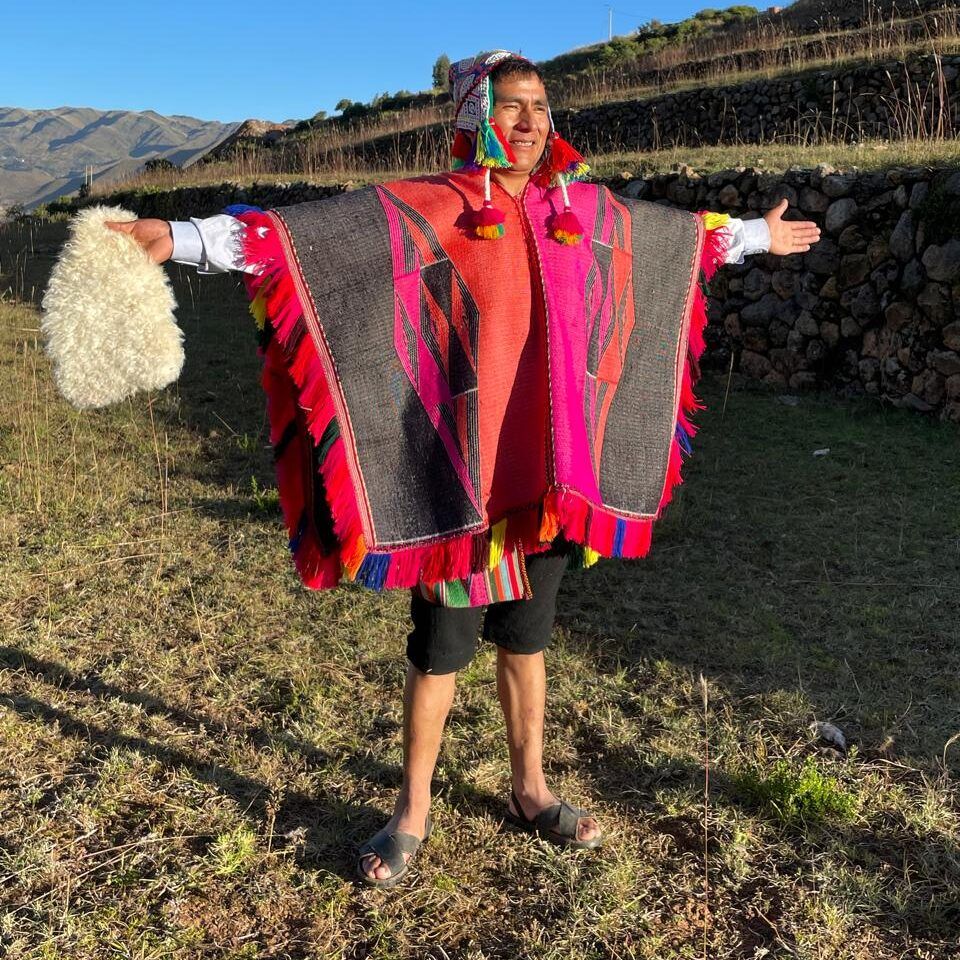
From an Andean perspective, what is hidden is not inherently negative. The unseen self often holds disowned power, grief, anger, and ancestral memory.
These aspects become shape only when relationship is broken (Estermann, 2013).
Shadow emerges where there has been rupture, between self and community, human and land, present and ancestors.
Uku Pacha: The Realm of the Unseen
Shadow work unfolds within Uku Pacha, the inner and subterranean world associated with the unconscious, the ancestors, and the emotional depths (Gose, 1994).
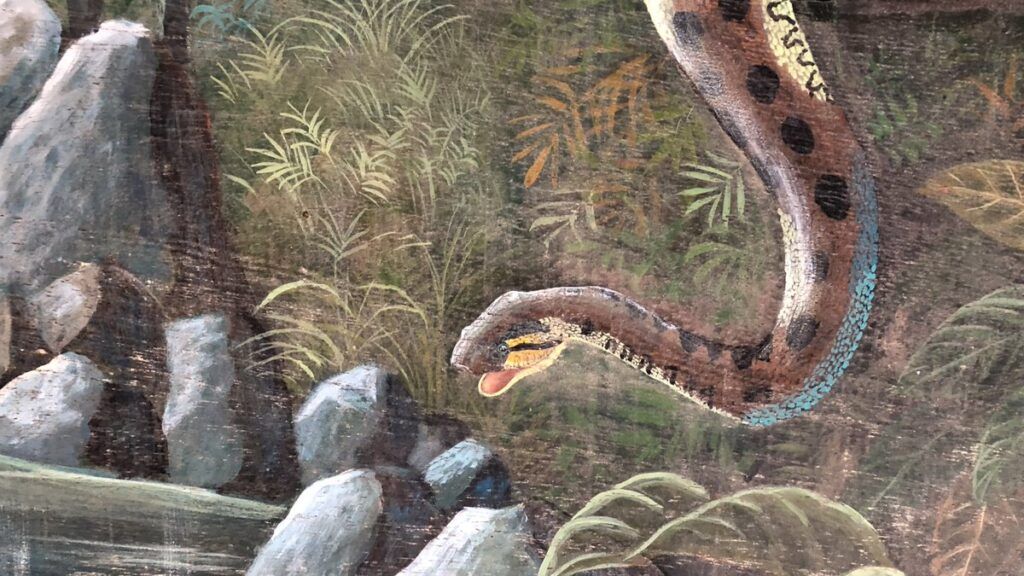
Uku Pacha is not a place of darkness to escape, but a womb of transformation. Descent into Uku Pacha is necessary for healing and initiation.
Projection as Disowned Shadow

In Andean communities, people often understand conflict as a misdirected relationship rather than a personal failure. What we judge, fear, or attack in others frequently mirrors what has not been honored within ourselves (Bastien, 1985).
Shadow work therefore requires humility, the willingness to reclaim what we have projected outward.
Ritual as Containment for the Shadow
Unlike purely introspective approaches, Andean traditions hold shadow work through ritual, ceremony, and community witnessing.
Despacho, confession to the land, prayer, and symbolic acts allow the shadow to surface without overwhelming the individual nervous system.

Ancestral Shadows

Not all shadow belongs to the personal psyche. Colonization, violence, and cultural erasure have created collective shadows carried through generations (Rengifo Vásquez, 2003).
Meeting the unseen self often means encountering grief that was never mourned, rage that was never expressed, stories that were silenced.
Integration, Not Purification
The goal of shape work is not purity or transcendence. It is integration.
When we welcome the shape back into relationship, it transforms into strength, discernment, and grounded power.
References
- Bastien, J. W. (1985). Mountain of the condor: Metaphor and ritual in an Andean ayllu. Waveland Press.
- Estermann, J. (2013). Andean philosophy: A reader. University of New Mexico Press.
- Gose, P. (1994). Deathly waters and hungry mountains: Agrarian ritual and class formation in an Andean town. University of Toronto Press.
- Rengifo Vásquez, G. (2003). La crianza de la chacra en los Andes. PRATEC.