
Few foods embody the profound relationship between humans, earth, and spirit as deeply as the potato (papa). Far more than a staple food, in the Andes it is revered as a sacred gift of Pachamama, a manifestation of fertility, resilience, and reciprocity. For the Inca, the potato was not only daily sustenance but also a symbol of communal abundance, ritual offering, and cosmic order. Today, its spiritual and cultural legacy continues to nourish both body and soul.

Origins and Diversity of Potato
The Andes are the birthplace of the potato, with over 4,000 varieties still cultivated across the highlands of Peru and Bolivia (Brush, 1992).

Each variety carries its own personality, color, and spirit, reflecting the biodiversity of Pachamama’s womb. Farmers traditionally select and plant potatoes not only for nutrition but also with ceremonial reverence, asking permission from the earth and the Apus (mountain spirits) before touching the soil.
In Inca times, potatoes were so central that the Quechua language developed hundreds of words to describe their textures, shapes, and flavors.
The diversity itself was seen as a mirror of human community: unity through difference, a field of many potatoes growing together, each necessary to the whole.
Food and Medicine
The potato was revered for its healing properties as much as its sustenance. Andean healers understood that each variety carried unique energies:
- Purple potatoes were believed to strengthen the blood and spirit.
- White potatoes brought clarity and balance, especially for those with digestive or emotional heaviness.
- Chuño, a freeze-dried form of potato, symbolized endurance, surviving long winters and journeys across the empire.
To eat potatoes was to take in the strength of the Andes, anchoring the body in the high-altitude world and reminding the people of their connection to the land.
Rituals and Spiritual Meaning

The Inca did not see the potato merely as food. Potatoes were included in despacho offerings to Pachamama, buried in the soil with coca leaves, chicha, and flowers, asking for fertility of the fields and protection of the community. Before the first harvest, families often performed a pago (payment) to the earth, offering the best potatoes back to the soil as a gesture of ayni—sacred reciprocity.
Even the cycle of planting and harvesting potatoes was aligned with the cosmic calendar. Farmers observed the stars and the moon to know when to sow seeds, seeing the potato as an earthly reflection of celestial order.
Potato and Community
In Andean villages, potatoes are central to communal meals and festivals. Sharing potatoes embodies the principle of sumak kawsay (good living): harmony between humans, nature, and the divine. The act of peeling, cooking, and eating together becomes a ritual of belonging and gratitude.

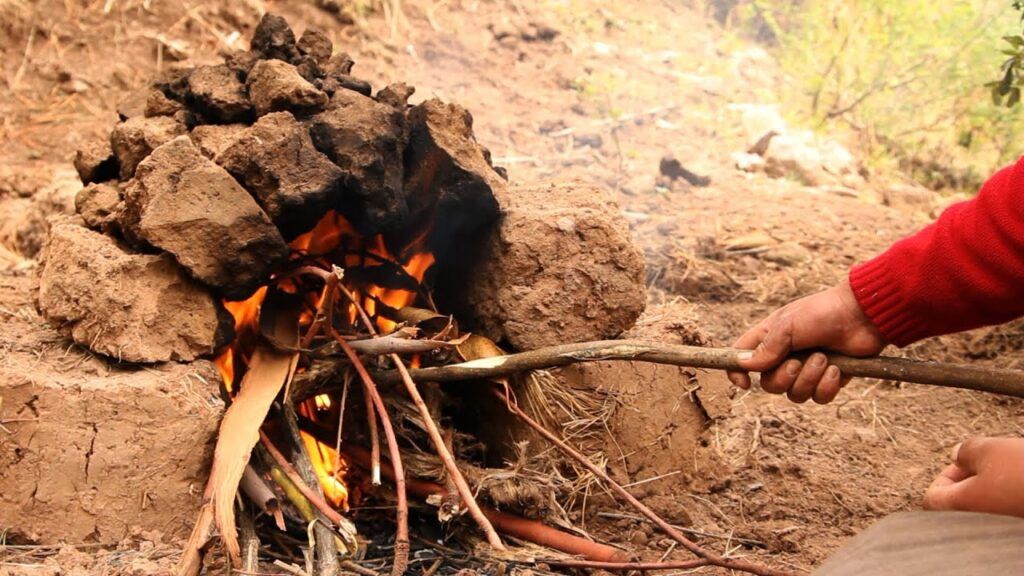
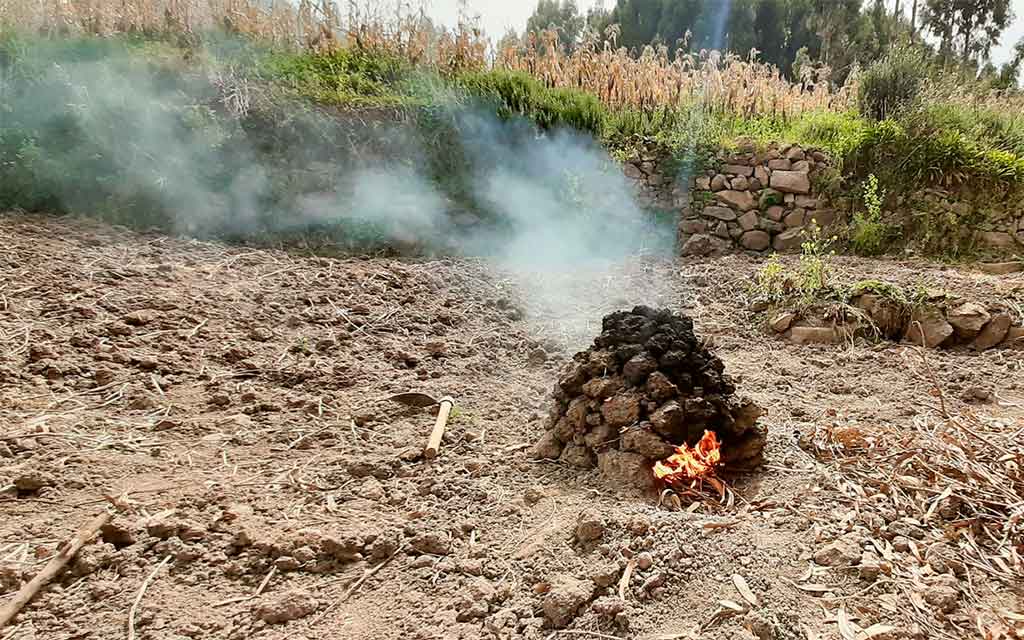
Today, during fiestas, families prepare pachamanca—a meal where potatoes and other foods are cooked in an earthen oven. This practice is not only culinary but also ceremonial, returning food to the belly of Pachamama before bringing it forth to nourish the people.
Potato as Symbol for Our Times
In a modern world facing ecological crises, the potato stands as a teacher of resilience. It grows in harsh climates, survives thin air, and regenerates abundantly even from small fragments. For the Incas, this resilience symbolized the indomitable spirit of their people—a lesson we can still learn today: that life, when rooted in reciprocity and respect for the earth, flourishes even under difficult conditions.
The potato is not just food—it is a bridge between humanity and Pachamama. For the Inca and their descendants, every potato carries within it a story of origin, healing, celebration, and survival. To eat a potato consciously is to take part in a lineage of gratitude that stretches back thousands of years, a daily act of honoring the living energy (kawsay) of the Andes.
References
- Brush, S. B. (1992). Farming Diversity and Crop Invention in Andean Agriculture. Cambridge University Press.
- Murra, J. (1980). The Economic Organization of the Inka State. JAI Press.
- Allen, C. (2002). The Hold Life Has: Coca and Cultural Identity in an Andean Community. Smithsonian Institution Press.
- Estremadoyro, R. (2018). Papa: Patrimonio Cultural y Biodiversidad del Perú. Ministerio de Cultura del Perú.