
By the second week of August, the equatorial sun begins its decisive return southward, warming the high glaciers of the Apus. As the ice thaws, clear streams surge down the granite ravines toward the dry valley floors. This seasonal thaw triggers Yaku Raymi, the sacred festival of water restoration.
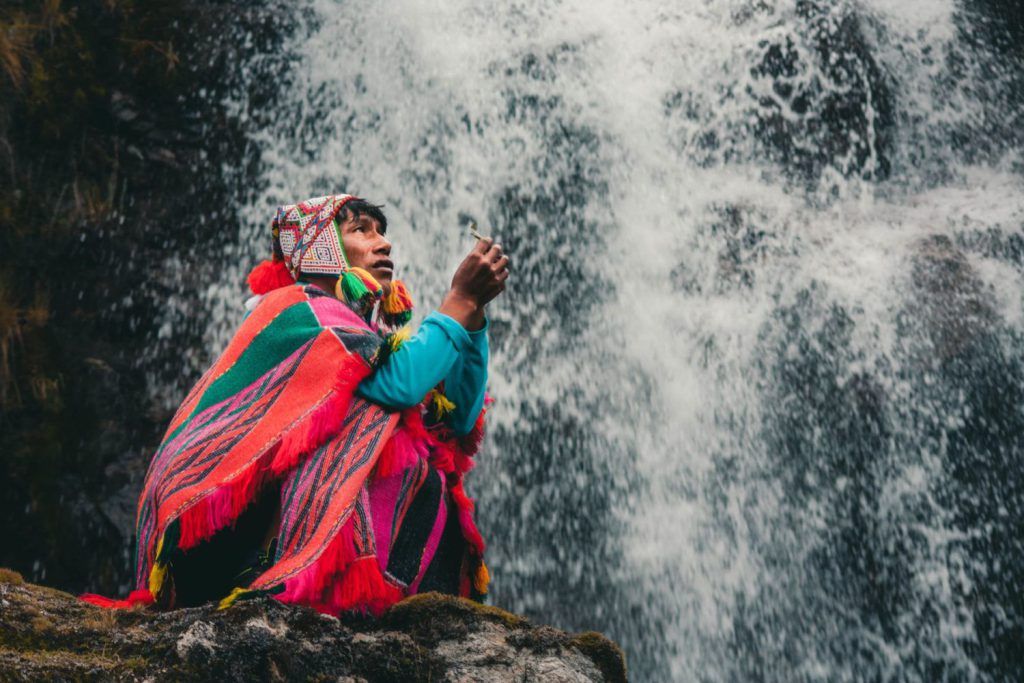
Before a single seed can be sown in the newly opened furrows of Pachamama, the community must come together to clean, repair, and consecrate the ancient stone aqueducts (Séquias) that carry this life-giving liquid across the landscape.
The Clearing of the Channels
The dry winter months leave the stone water channels choked with fallen leaves, silt, and mountain debris. During Yaku Raymi, the entire Ayllu (community) works in coordinated harmony to scrub the masonry clean. They ensure that when the main sluice gates open, the water flows without obstruction.
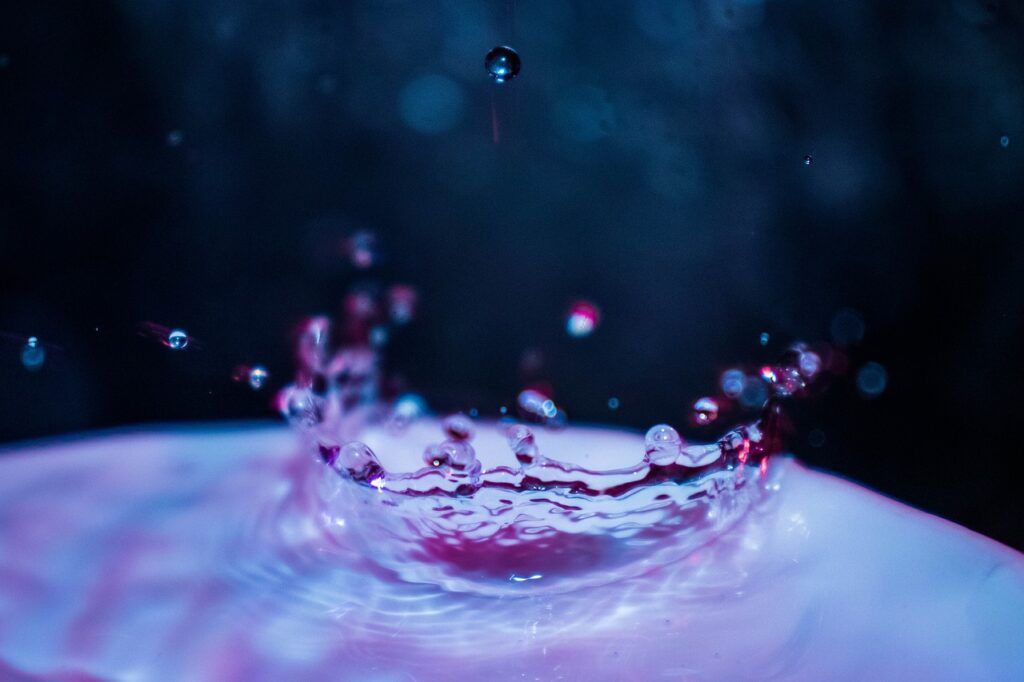
This physical labor mirrors the essential psychological practice of Yaku Pichay, the clearing of our internal emotional channels. In the framework of Andean cultural traditions, our feelings, creative expression, and vital energy flow like water through the conduits of our subtle body.
If we allow old resentments, unexpressed grief, or rigid mental habits to clog our inner architecture, the fresh, creative currents of spring cannot reach our goals. Cleaning the village aqueduct becomes a somatic metaphor:
as you scoop away the accumulated mud from the stone trough, you actively flush away the emotional stagnation lingering in your own mind.
The Blessing of the Sluice Gate
The culmination of this communal labor occurs at the Séquia Pukyu, the stone mouth where the glacial spring meets the main canal.
Before raising the wooden gate, the community offers flowers, chicha, and coca leaves to Yaku Mama. The serpentine spirit of water, thanking her for sustaining the valley for another year.
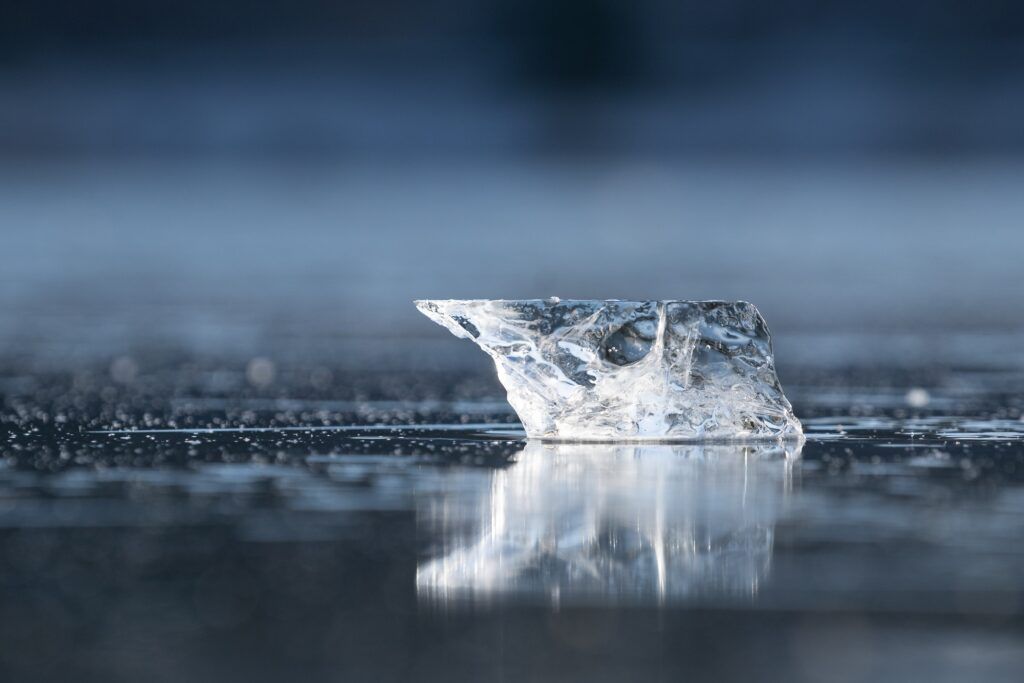
When the gate lifts, the first rush of crystal-clear water surges through the clean stone channel with a loud roar. Children and elders alike splash their faces with the fresh stream. They absorb its vitality and celebrating the restoration of life to the fields.
The Language of the Waters
- Yaku Raymi: The festival of water, celebrated in August to honor mountain springs, clean irrigation canals, and restore fluid harmony.
- Yaku Pichay: The ritual and physical clearing of water channels, symbolising the purification of emotional and creative pathways.
- Yaku Mama: The primordial cosmic serpent entity representing rivers, water bodies, and the fluid life force of the earth.
The Masterworks of Hydraulic Engineering
- The Water Temple of Tipón: Renowned globally for its flawless Incan hydraulic engineering, this site features carved stone channels where mountain spring water still gushes down polished terraces with acoustic perfection.
- The Fountains of Tambomachay: Known as the “Baths of the Inca,” this ceremonial stone structure channels subterranean spring waters through twin stone spouts, acting as a historical epicenter for royal water purification rituals.
References
- Sherbondy, J. E. (1982). The Canal System of Hanan Cusco.
- Gelles, P. H. (2000). Water and Power in Highland Peru: The Cultural Politics of Irrigation and Development.
This article draws on both academic literature and oral, lineage-based Andean knowledge. Teachings that originate from living traditions are cited in recognition of their ongoing transmission within Andean communities, while scholarly sources are used to support contextual interpretation.