
As the rains retreat and the high-altitude skies of the Andes turn a crystalline indigo, a profound energetic shift occurs. In the Southern Hemisphere, May marks the arrival of Aymuray, the month of the harvest and the sacred song of the corn.

For the Andean practitioner, this is not merely an agricultural milestone; it is a cosmic repositioning of the soul.
The Metaphysics of Aymuray: Beyond the Material
In Andean cosmology, the act of harvesting is a dialogue of reciprocity known as Ayni. As the corn is gathered, we are reminded that we are not “taking” from nature, but receiving a gift that requires a spiritual return.
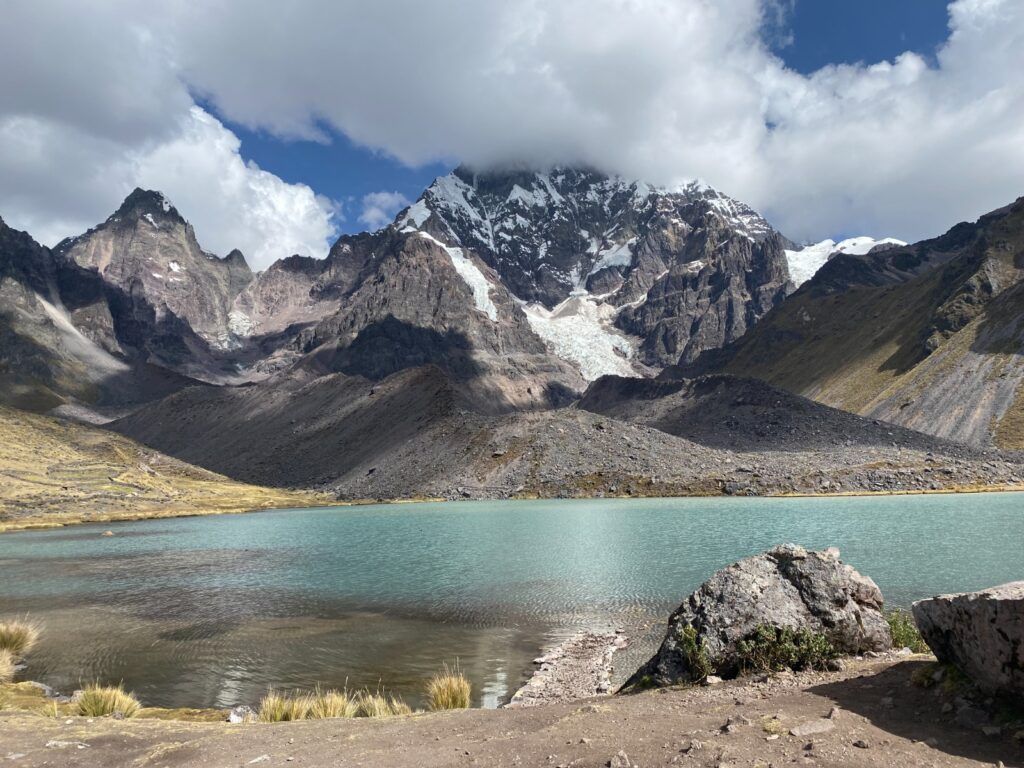
— Inca Wisdom and Philosophy
May’s Spiritual Gateway: The Chakana and the Cross
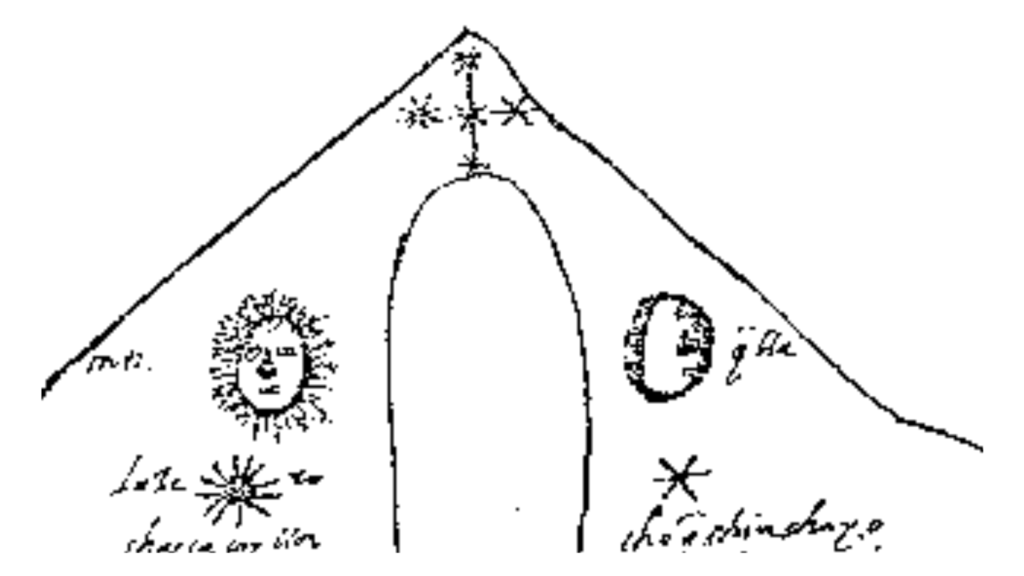
During the first days of May, the Cruz del Sur (Southern Cross) reaches its highest point in the night sky. This astronomical alignment birthed the symbol of the Chacana.
While modern festivities celebrate Cruz Velacuy (the Velation of the Cross), the indigenous roots trace back to the protection of the Apus (mountain spirits). We “veil” the cross to ensure that the vital energy of the mountains remains stable during the dry season.
Quechua Wisdom for the Soul
To integrate this energy, we must understand the vibration of these words:
- Aymuray: The song of the harvest; the joy of completion.
- Qollqa: Literally “storehouse,” referring both to the granaries and the Pleiades star cluster, which governs abundance.
- Kallpa: The spiritual force or “inner power” we harvest within ourselves after a period of growth.
Mystical Places of Aymuray
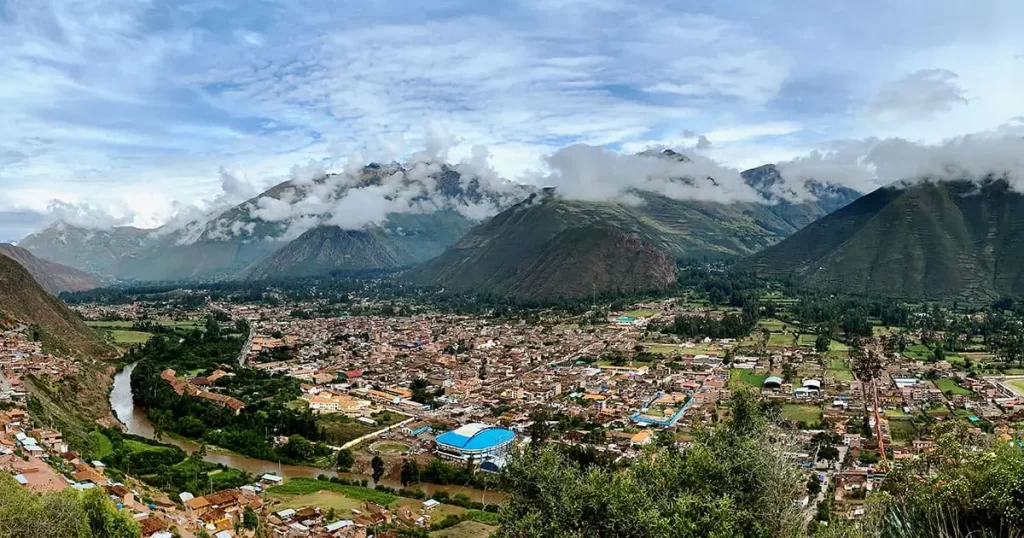
This month is the ideal time for pilgrimage. The “dry cold” (Chiri) purifies the air, making the energetic portals of the valley more accessible.
- Urubamba (The Heart of the Valley): Home to the Lord of Torrechayoc. This is the month where the valley vibrates with the energy of the “Pampamesayoc” (earth priests) who offer thanks for the corn.
- The Glaciers of Sinakara: As May progresses, the energy begins to pull toward the Qoyllur Rit’i, preparing the spirit for the most intense “mountain-top” experience in the world.
References
- Urton, G. (1981). At the Crossroads of the Earth and the Sky: An Andean Cosmology.
- Estermann, J. (2006). Andean Philosophy: Intercultural Study of the Cosmo-Andean Indigenous Wisdom. Abya-Yala.
- Bauer, B. S., & Dearborn, D. S. (1995). Astronomy and Empire in the Ancient Andes.
This article draws on both academic literature and oral, lineage-based Andean knowledge. Teachings that originate from living traditions are cited in recognition of their ongoing transmission within Andean communities, while scholarly sources are used to support contextual interpretation.