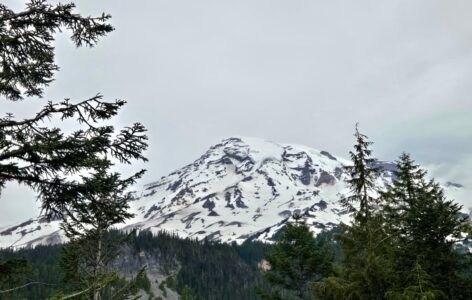
The morning after the winter solstice brings a shift in the quality of the highland air. The heavy, protective tension that defined the buildup to June 21st suddenly evaporates. The sun, having reached its northernmost limit, begins its slow, triumphant return journey toward the south. In the path of Andean spiritual awakening, this specific moment marks the birth of the Willka. This is the newly reborn inner sun that resides within the human energetic core.
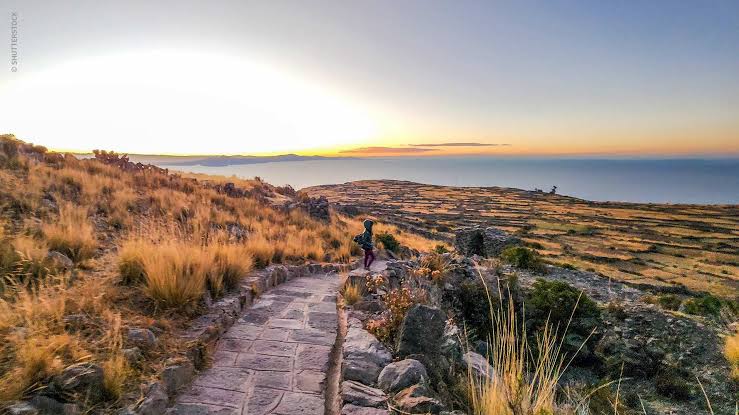
Now that the cosmic reset is complete, the practitioner must learn how to nurture this fragile, high-vibration seed of light before it gets overwhelmed by the routine of the physical world.
The Germination of the Inner Willka

In the immediate days after the solstice, the physical cold of winter remains intense, but the spiritual current is entirely new.
The Paqo refers to this post-solstice window as the Sunchu Phanchiy. It’s named after the resilient golden wildflower that bursts through the frozen June soil.
This phase represents the transpersonal lesson of Integration. An Andean spiritual awakening is not a permanent state of floating in cosmic light; it is the practical responsibility of grounding that light into daily action.
During the solstice, your energetic field (Poq’po) received a pure, systemic upgrade of Sami (refined energy). In late June, your primary task is to prevent this energy from leaking away. The initiate practices Allchay, spiritually sealing the new frequency into the three primary energy centers: the Yachay, the Munay, and the Llank’ay.
The Responsibility of the Awakened Willka
The term Willka carries a dual meaning in Quechua. It refers to both the sun and the concept of lineage or ancestry. This linguistic link reveals a profound truth about the Andean path: your spiritual awakening is never an isolated, individual achievement.
When you awaken your inner sun in late June, you are actively illuminating the entire line of ancestors (Inkas) who walked before you, as well as the generations yet to come. The newly returned solar light demands that you step into the role of a conscious custodian of life force, using your expanded Kallpa (inner power) to bring balance (Ayni) to your family, your community, and the soil you walk upon.

“The sun has turned, and so must you. The light you received at the altar is no longer yours to keep. It belongs to the earth, and you must let it shine through your hands, your words, and your work.”
Linguistic Portal: The Codes of Awakening
- Willka: The sun, the sacred, or an ancestor. It represents the divine spark of solar consciousness within the human being.
- Sunchu Phanchiy: The blooming of the winter golden flower. Symbolically, it refers to the sudden, resilient awakening of joy inside a cold environment.
- K’anchay: Light, radiance, or illumination. The active expression of an integrated spiritual awakening.
The Incubation Chambers
- The Caves of Kusilluchayoq: Located along the ancient trails behind San Blas, this labyrinthine rock temple features deep, dark stone chambers. Meditating inside these womb-like spaces in late June allows your newly born Willka energy to stabilize away from the distracting glare of the outside world.
- The Intihuatana of Ollantaytambo: Carved directly into the sheer cliffside of the fortress, this high altar catches the late-afternoon June sun. Standing here allows you to gently feed your emerging inner light with the final, warm rays of the day.
References
- Estermann, J. (1998). Filosofía Andina: Sabiduría indígena para un mundo nuevo.
- Classen, C. (1993). Inca Cosmology and the Human Body.
This article draws on both academic literature and oral, lineage-based Andean knowledge. Teachings that originate from living traditions are cited in recognition of their ongoing transmission within Andean communities, while scholarly sources are used to support contextual interpretation.