
By the middle of August, the high-altitude air undergoes a striking atmospheric shift. While the shade retains a crisp chill, the direct midday sun blazes with intense, unmediated solar power (Inti Kallpa). Inside the traditional home, this solar surge harmonizes with the Q’uncha, the clay hearth built into the earth floor. Within the practices of Andean shamanic rituals, this mid-August convergence is known as Nina Rawray, the deliberate ignition of transformational fire.
Having fed the earth (Pachamama) and cleared the water channels (Yaku).
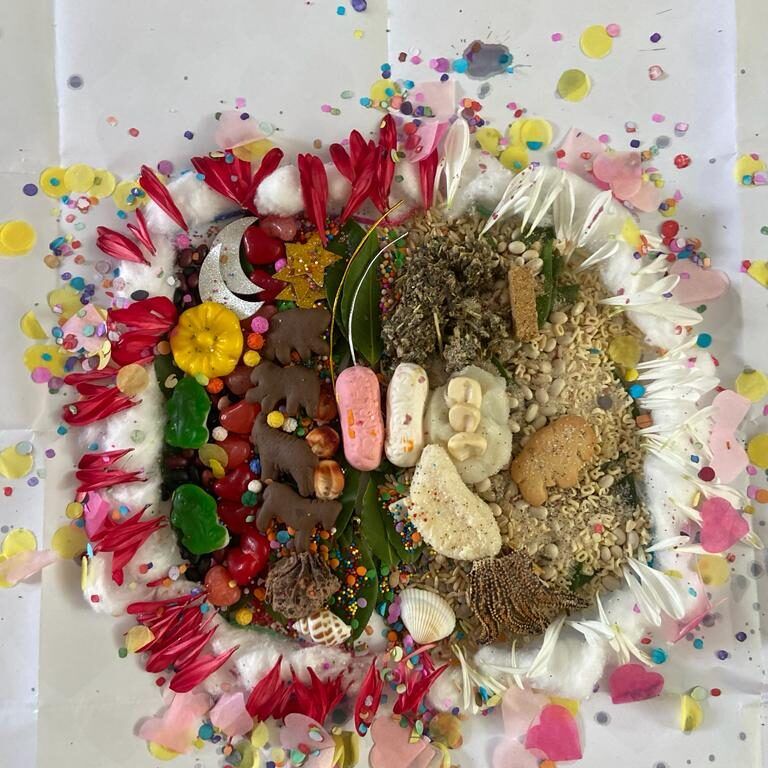
The practitioner now turns to Nina:
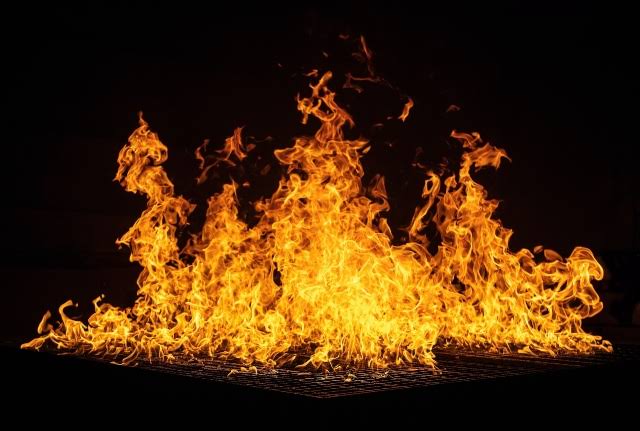
The element of radical conversion.
To consume the final residue of stagnant energy and forge unwavering purpose.
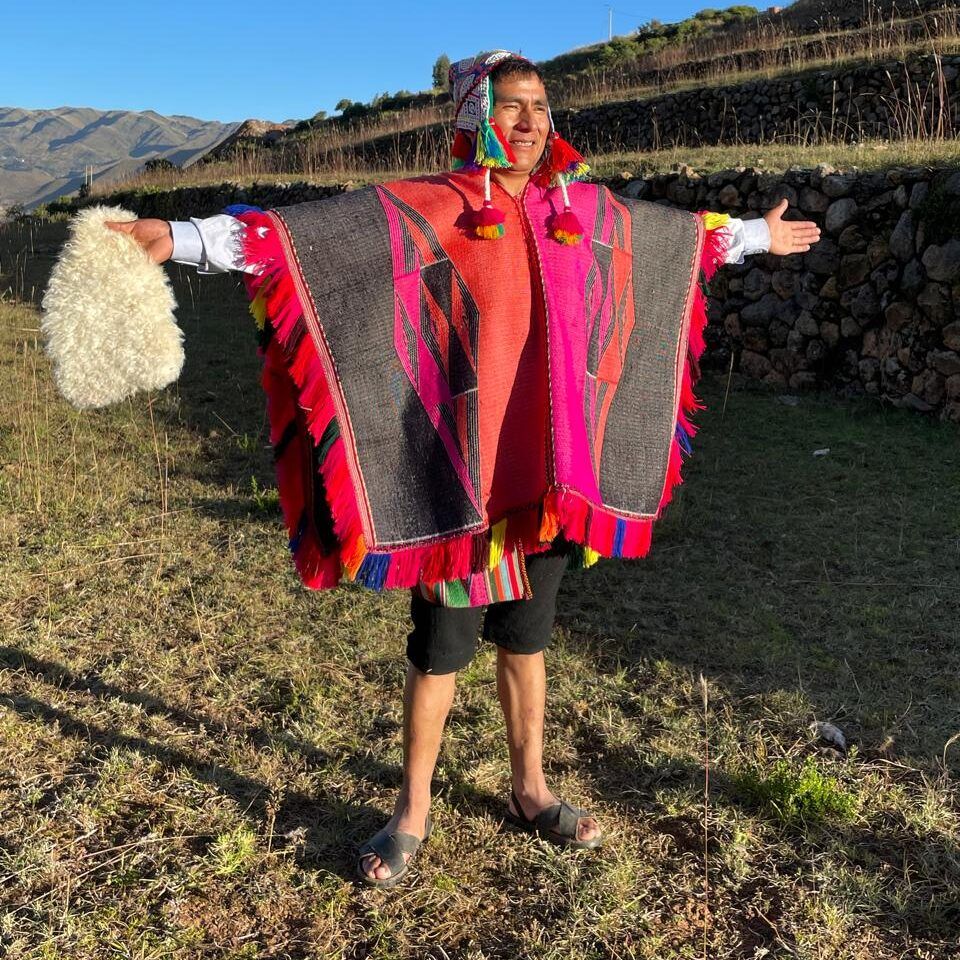
The Alchemy of Nina ‘s Hearth
The clay stove is not merely a cooking apparatus; it is a sacred microcosm. Its base rests directly upon the soil (Uku Pacha), its chamber holds the burning wood (Kay Pacha), and its rising smoke carries prayers into the open sky (Hanan Pacha).
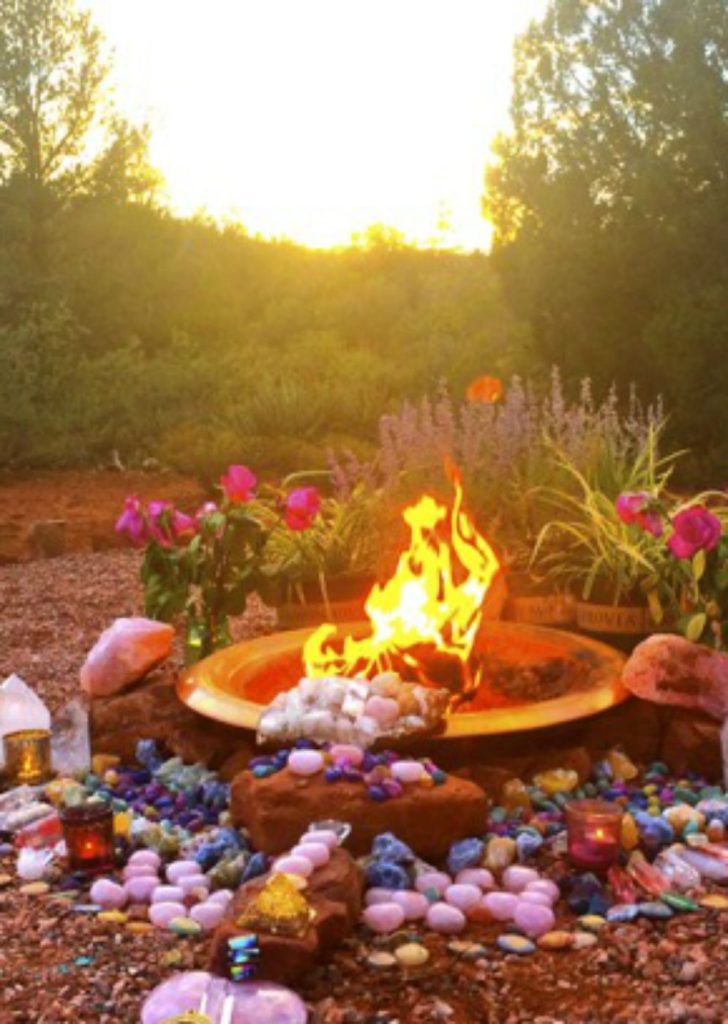
This spatial arrangement underlines the spiritual principle of K’inchay, the transmutation of dense matter into radiant light and heat. In Andean shamanic rituals, fire is the only element that can instantly transform physical substance into subtle energy.
During mid-August, when the earth‘s metabolic engine accelerates, feeding the hearth with aromatic scrubwood (Tayanka) and resinous herbs (Munya) becomes an act of psychological alchemy.
As you watch the flames consume the dry wood, you consciously feed your fears, doubts, and old attachments into the fire.
The flame does not destroy these heavy burdens. It transmutes them into pure, active energy (Sami), illuminating your inner landscape and fueling your drive to execute your spring visions.
The Ritual of K’allma Nina
This alchemical work is formalized through the ceremony of K’allma Nina—the ritual feeding of the central hearth flame. The practitioner places sacred offerings directly onto the glowing embers:
Fat from the llama (Wira), dried flowers, and small pinchings of sacred resin.
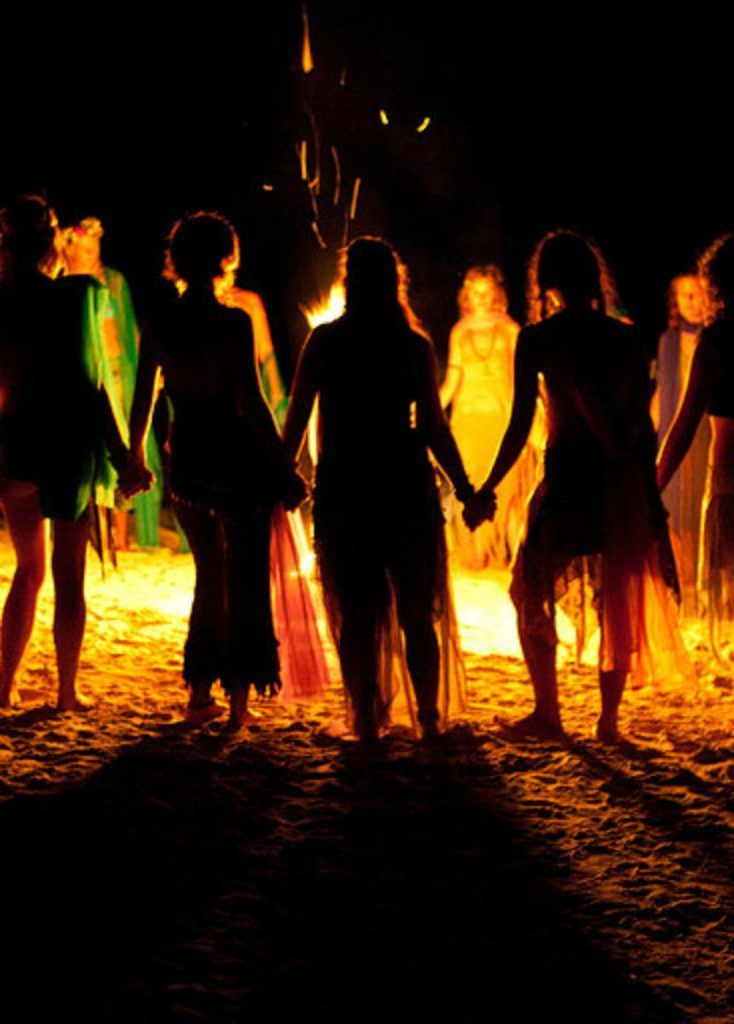
As the offerings crackle and dissolve, smoke rises through the thatch roof, dispersing into the clear mountain air. This gesture acts as a direct line of communication with the ancestral guardians of the home (Urpillay). It seals the domestic space in a field of high vibrational protection while magnetizing prosperity for the coming planting season.
The Vocabulary of the Flame
- Nina Rawray: The ritual ignition and cultivation of sacred fire to catalyze spiritual transformation and personal energy.
- K’inchay: The process of illumination, radiance, or converting heavy matter into light through alchemical work.
- Wira: Sacred animal fat, considered one of the highest offerings in Andean rituals due to its concentrated life energy.
The Temples of Solar Fire
- The Sun Temple of Coricancha: The legendary Incan “Golden Enclosure” in Cusco was designed with curved masonry walls that reflected solar rays onto interior gold altars, serving as the historical heart of solar fire worship.
- The Fire Altars of Pisac: Perched on the upper terraces of the Pisac citadel, ancient Paqos burned state offerings in carved stone ceremonial niches, capturing the full intensity of the mid-August sun.
References
- Cobo, B. (1990) [1653]. Inca Religion and Customs.
- Bastien, J. W. (1978). Mountain of the Condor: Metaphor and Ritual in an Andean Ayllu.
This article draws on both academic literature and oral, lineage-based Andean knowledge. Teachings that originate from living traditions are cited in recognition of their ongoing transmission within Andean communities, while scholarly sources are used to support contextual interpretation.