logo im

The Flight of the Majestic Condor

Posted on

The Majestic Condor (Vultur gryphus), one of the largest flying birds in the world, holds profound cultural and spiritual significance in the Andes, particularly in Peru and Cusco.

Revered as a sacred messenger between the earthly and spiritual realms, the condor’s majestic flight has inspired countless myths, rituals, and artistic expressions.

The Majestic Condor: An Ecological and Cultural Icon

1. Ecological Role

The condor is a keystone species in the Andes, acting as a natural scavenger that helps maintain ecological balance by cleaning carcasses and preventing the spread of disease. Despite its critical role, the condor is classified as Near Threatened due to habitat loss, hunting, and poisoning (IUCN Red List, 2020).

2. Spiritual Significance

In Andean cosmology, the condor represents the upper world (Hanan Pacha), the realm of the gods and celestial forces. Alongside the puma (earthly world, Kay Pacha) and the serpent (underworld, Uku Pacha), the condor completes the trilogy of sacred animals in Inca mythology.

“The condor is the messenger of the gods, carrying prayers to the heavens and bringing wisdom back to the people.”

The Majestic Condor in Andean Art and Culture

1. Pre-Columbian Representations

The condor appears in Inca ceramics, textiles, and stone carvings, symbolizing strength, freedom, and divine connection. Notable examples include:

  • The Condor of Moray: A natural rock formation in the Sacred Valley resembling a condor in flight.
  • Inca ceremonial keros (cups): Often depict condors alongside other sacred animals.

2. Colonial and Contemporary Art

During the colonial period, the condor was reinterpreted in Cusco School paintings, blending Christian and Andean symbolism. Today, it remains a central motif in:

  • Textiles: Woven into traditional aguayos (Andean cloths) as a symbol of protection.
  • Festivals: The Yawar Fiesta (Blood Festival) in parts of Peru reenacts the struggle between the condor (representing indigenous people) and the bull (symbolizing Spanish oppression).

The Majestic Condor in Modern Peru: Conservation and Cultural Revival

Efforts to protect the condor include:

Ecotourism: Condor-watching tours in Colca Canyon, where visitors witness their impressive wingspan (up to 3.3 meters).

The Condor Huasi Project: A rehabilitation center in Cusco dedicated to rescuing and releasing injured condors.


References

  • Dransart, P. (2002). Earth, Water, Fleece, and Fabric: An Ethnography and Archaeology of Andean Camelid Herding. Routledge.
  • Flores Ochoa, J. (1994). El Cóndor en la Cultura Andina. Cusco: CBC.

Peru’s Giant Hummingbird in Myth and Dance

Posted on

In the misty highlands of Peru, where the Andes meet the clouds, a legendary bird inspires awe and cultural reverence—the Colibrí Gigante (Giant Hummingbird). Known scientifically as Patagona gigas, this remarkable bird is not only the largest hummingbird in the world but also a powerful symbol in Andean cosmology.

Beyond its biological wonder, the Colibrí Gigante has influenced traditional dances, myths, and textile art across Peru, particularly in Ayacucho, Cusco, and Apurímac.


The Giant Hummingbird: A Natural Wonder

Fast Facts About the Giant Hummingbird

  • Size: Up to 22 cm (8.7 in) long—twice the size of most hummingbirds.
  • Habitat: High-altitude shrublands (2,000–4,300 meters) in the Andes.
  • Unique Trait: Unlike smaller hummingbirds, it cannot hover continuously and often perches while feeding.

For Indigenous communities, the Colibrí Gigante is more than a bird—it’s a messenger between worlds, a symbol of resilience, and a guardian of flowers.


Mythological Significance

In Andean oral traditions, the hummingbird holds sacred meaning:

  • Inca Beliefs: The Colibrí was considered a bringer of rain and a mediator between humans and the gods (Apus).
  • Quechua Legends: Some stories say the bird’s rapid wings carry prayers to the spirits.
  • Textile Symbolism: Its image appears in traditional weavings (q’eros textiles), representing agility and connection to the divine.

Anthropologist Franklin Pease (1992) documented how pre-Columbian cultures linked hummingbirds to fertility and celestial energy.


The Giant Hummingbird Dance: A Living Tradition

In festivals across Peru, dancers embody the Colibrí Gigante in vibrant performances.

Key Features of the Dance


References

  • Pease, F. (1992). Los Últimos Incas del Cusco. Editorial Horizonte.
  • Schulenberg, T. (2010). Birds of Peru. Princeton University Press.
  • Peruvian Ministry of Culture. (2020). Danzas Tradicionales del Perú.

The Ganzo Andino Tradicional Dance: Huallata

Posted on

Deep in the heart of the Peruvian Andes, a graceful and symbolic dance brings to life the beauty of highland wildlife: the Ganzo Andino or Huallata dance. This traditional performance, inspired by the Andean goose (huallata in Quechua), is a vibrant expression of the deep connection between Andean communities and their natural environment.

Performed primarily in the Cusco and Puno regions, the Ganzo Andino dance is a highlight of agricultural festivals and religious celebrations, embodying themes of fertility, migration, and harmony with nature.


The Ganzo Andino Origins & Cultural Significance

The Huallata dance has its roots in pre-Columbian Andean traditions, where animals played sacred roles in cosmology and daily life.

Key Symbolism

  • The Andean Goose (Huallata): A migratory bird that symbolizes the changing seasons and agricultural cycles.
  • Fertility & Abundance: The dance often represents prayers for good harvests and healthy livestock.
  • Connection to Water: The huallata is associated with lakes and rivers, sacred elements in Andean culture.

According to ethnographer Jorge Flores Ochoa (1990), these animal-inspired dances were part of Inca rituals honoring Pachamama (Mother Earth) and the Apus (mountain spirits).


Dance Characteristics & Performance of Ganzo Andino

The Huallata is a playful yet elegant dance, mimicking the movements of the Andean goose.

A. Costumes & Props

B. Music & Choreography

  • Instruments: Zampoñas (panpipes), tinyas (small drums), and quenas (Andean flutes).
  • Movements: Dancers imitate the bird’s waddling walk, wing-flapping motions, and playful interactions.

C. Occasions for Performance

  • Qoyllur Rit’i Festival (Cusco) – A pilgrimage honoring snow-star spirits.
  • Fiesta de la Candelaria (Puno) – One of Peru’s largest folkloric celebrations.
  • Harvest Festivals – Celebrating potato and quinoa harvests in rural communities.

The Ganzo Andino Today: Preservation & Challenges

Despite its cultural richness, the Ganzo Andino faces challenges:

  • Loss of Tradition: Younger generations in urban areas are less familiar with the dance.
  • Tourism Influence: Some performances are simplified for tourist shows.

However, efforts are being made to revitalize the tradition:

  • Cultural Workshops: Teaching the dance in schools and community centers.
  • Folkloric Festivals: Showcasing authentic performances.

In 2018, the Peruvian Ministry of Culture recognized the Ganzo Andino as part of Peru’s Intangible Cultural Heritage.


References

  • Flores Ochoa, J. (1990). El Cuzco: Resistencia y Continuidad de la Cultura Andina. CBC.
  • Mendoza, Z. (2000). Shaping Society Through Dance: Ritual Performance in the Peruvian Andes. University of Chicago Press.
  • Peruvian Ministry of Culture (2018). Declaratoria del Ganzo Andino como Patrimonio Cultural Inmaterial.

The Andean New Year: Celebrating the Winter Solstice

Posted on

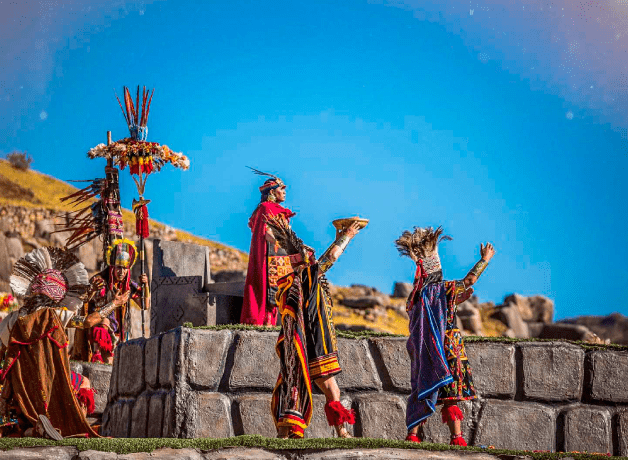
The winter solstice, known as Inti Raymi or Willka Kuti (Return of the Sun) in the Andean tradition, marks the beginning of the Andean New Year. Celebrated on June 21st in the Southern Hemisphere, this event holds deep cultural, spiritual, and agricultural significance for Indigenous communities across the Andes.

Inti Raymi festival

This blog explores the history, rituals, and contemporary celebrations of the Andean New Year, drawing from anthropological and historical sources to provide an in-depth understanding of this ancient tradition.


1. The Astronomical and Agricultural Significance of Andean New Year

The winter solstice is the shortest day and longest night of the year in the Southern Hemisphere. For Andean cultures, this event symbolizes the rebirth of the sun (Inti in Quechua, Tata Inti in Aymara), which is crucial for agricultural cycles.

According to scholar John Earls (1998), the Incas developed a sophisticated astronomical system to track the solstices using structures like the Intihuatana (“hitching post of the sun”) in Machu Picchu. These observations ensured precise agricultural planning, as the solstice marked the time to prepare the earth for planting.


2. Andean New Year: Historical and Spiritual Roots

The celebration dates back to pre-Inca civilizations, but it was the Inca Empire that institutionalized Inti Raymi as a state ceremony. Garcilaso de la Vega (1609), in his Comentarios Reales de los Incas, describes how the Inca ruler led rituals in Cusco, offering sacrifices and prayers to ensure the sun’s return and the fertility of the land.

The Spanish colonization suppressed Indigenous rituals, but many communities preserved them in secret. Today, the Andean New Year is a symbol of cultural resistance and Indigenous identity (Van den Berg, 1990).


3. Rituals and Celebrations of Andean New Year

Modern celebrations blend ancestral traditions with contemporary practices. Key elements include:

Inti Raymi in Plaza de Armas – Cusco

A. Ceremonies at Sacred Sites

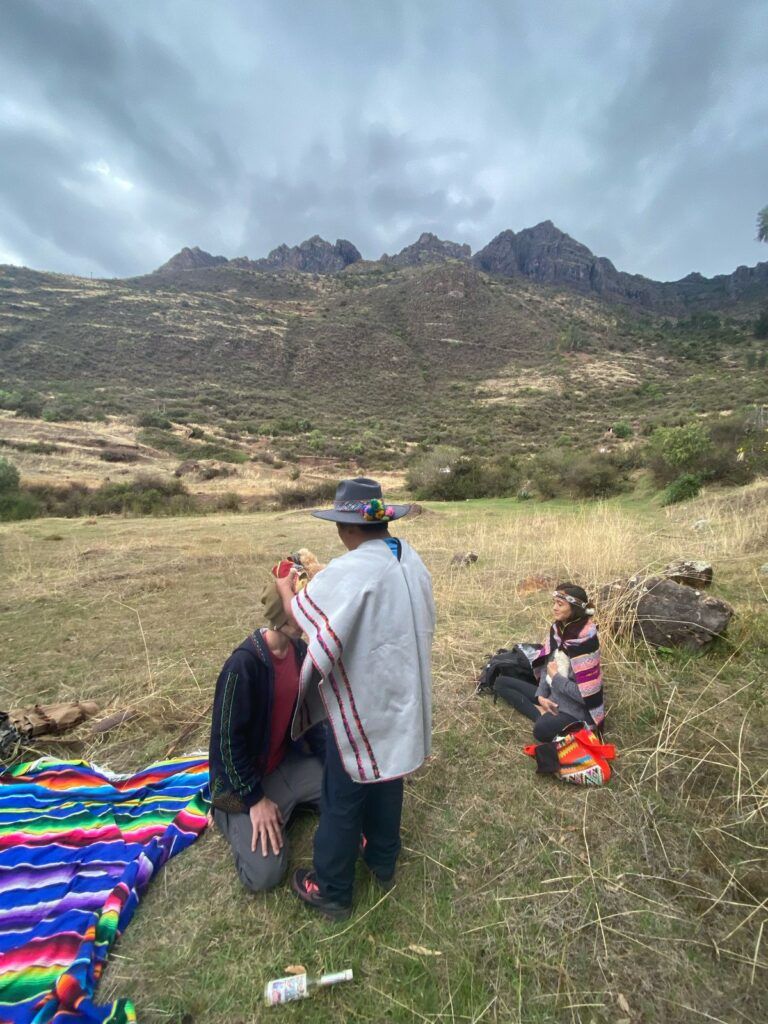
People gather at ancient temples (huacas) and high-altitude sites like Saqsaywaman (Peru) to welcome the first rays of the sun. Shamans (paqos or yatiris) perform offerings (despachos) to Pachamama (Mother Earth) and the Apus (mountain spirits).

B. Offerings and Gratitude

Offerings include coca leaves, corn, quinoa, and chicha (fermented corn beer). Catherine J. Allen (2002) notes that these rituals reinforce communal bonds and reciprocity (ayni), a core Andean value.

C. Music and Dance

Traditional dances like ch’unchu (Peru) accompany the festivities, symbolizing the renewal of life.


References

  • Allen, C. J. (2002). The Hold Life Has: Coca and Cultural Identity in an Andean Community. Smithsonian Books.
  • De la Cadena, M. (2015). Earth Beings: Ecologies of Practice Across Andean Worlds. Duke University Press.
  • Earls, J. (1998). Las características astronómicas del urbanismo inca. Revista Andina.
  • Garcilaso de la Vega, I. (1609). Comentarios Reales de los Incas.
  • Van den Berg, H. (1990). La tierra no da así no más: Los ritos agrícolas en la religión de los aymara-cristianos. Hisbol.

Huatia: The Ancient Earth Oven Feast of the Andes

Posted on

Beneath the sacred peaks of the Andes, where the earth breathes with the memory of the Incas, a centuries-old culinary tradition still thrives. The huatia (pronounced wah-TEE-ah) is an underground earthen oven and more than just a way of cooking; it is a ritual, a celebration of the land, and a living connection to Peru’s ancestral past.

Hutia: A Meal Born from the Earth

Imagine a feast where the soil itself becomes the oven, where potatoes, sweet potatoes, and corn are transformed by the heat of glowing stones and the embrace of the earth. This is the magic of the huatia, a cooking method perfected by Andean farmers long before modern stoves existed.

The process is simple yet profound:

  1. A shallow pit is dug into clay-rich soil, shaped like a rounded bowl.
  2. Stones are heated in a fire until they glow red-hot.
  3. The ingredients—native potatoes, ocas, mashua, choclo (Andean corn), and sometimes meat—are carefully layered over the stones.
  4. Everything is sealed with more hot rocks and buried under a thick blanket of earth.
  5. Then, patience. One to two hours later, the mound is uncovered, revealing food infused with an unmistakable smoky, earthy depth.

Huatia ‘s Ritual of Harvest and Community

The huatia is not just about food—it is a celebration. Traditionally prepared after the potato harvest, it brings families and neighbors together in a shared act of gratitude to Pachamama (Mother Earth). The meal is a reward for hard work, a moment of joy before the next planting season begins.

In Andean culture, food is sacred, and the huatia embodies this belief. The earth does not merely cook the food; it blesses it. The smoky aroma, the tender texture of the potatoes, the sweetness of the corn—each bite carries the essence of the land.

From Ancient Tradition to Modern Experience

Though once a rural practice, the huatia has found new life in modern Cusco. Visitors can now witness this ancient technique at:

  • Agrotourism farms in the Sacred Valley, where farmers demonstrate the process
  • Cultural restaurants in Cusco that recreate the huatia for curious travelers
  • Festivals, particularly during potato harvest season, where entire communities gather for massive earth-oven feasts

For those lucky enough to join a huatia meal, the experience is unforgettable. The first bite of a freshly unearthed potato, still steaming and dusted with ash, is like tasting history itself.

Huatia A Taste That Endures

In a world of fast food and electric ovens, the huatia remains a defiantly slow, beautifully primal way of cooking. It reminds us that some traditions are too precious to fade away—that the simplest methods can produce the deepest flavors.

So if you find yourself in the Andes, take part in this ancient ritual. Sit on the earth, share the meal, and taste the legacy of a people who have always known how to turn soil into sustenance.


References

  • “The Lost Crops of the Incas” (National Research Council, 1989)
  • “Andean Foodways: Pre-Columbian and Colonial Cuisine” (University of Cusco Press, 2016)
  • “Pachamama’s Kitchen: Traditional Cooking Methods of the Andes” (Lima Culinary Institute, 2020)

The Southern Cross

Posted on

In the vast night sky of the Southern Hemisphere, the Southern Cross (Chacana in Quechua) shines as a constellation deeply revered by Andean peoples. More than just a cluster of stars, it represents a cosmic symbol, an agricultural calendar, and a bridge between the divine and the earthly in Andean cosmology.

Chacana is an Inca symbol

Origins and Meaning of the Southern Cross

The Southern Cross (Crux) has been observed and worshipped in the Andes since pre-Inca times. For Andean cultures, this constellation was not merely a navigational guide but also a sacred symbol representing:

  • The Chacana (Andean Cross) – A stepped cross symbolizing the three worlds in Andean cosmology:
  • Hanan Pacha (Upper World: celestial realm of gods and ancestors)
  • Kay Pacha (Middle World: earthly plane of human existence)
  • Uku Pacha (Inner World: subterranean realm of fertility and the dead)
  • Agricultural Cycles – Its position in the sky marked key planting and harvest seasons.
  • Astronomical Alignment – Some scholars suggest ancient Andean structures, like those at Machu Picchu, align with the Southern Cross.

The Southern Cross in Andean Rituals and Traditions

The constellation played a crucial role in:

1. Inca Astronomy & Architecture

The Incas built ushnus (ceremonial platforms) and temples aligned with the Southern Cross, using it for solstice and equinox ceremonies.

2. Navigation & Pilgrimages

Ancient Andean travelers relied on it for guidance, much like sailors did in later centuries. Sacred routes, such as those to Q’eswachaka (the last Inca rope bridge), were believed to follow celestial patterns.

3. Festivals & Offerings

Even today, during Inti Raymi (Festival of the Sun) and Qoyllur Rit’i (a pilgrimage to a glacier honoring stars and mountains), the Southern Cross is invoked in rituals. Offerings (despachos) are made to honor Pachamama (Mother Earth) and the Apus (mountain spirits).

The Southern Cross vs. The Christian Cross

With Spanish colonization, the Southern Cross’s symbolism merged with Christianity. The Chacana was reinterpreted as a Christian cross, yet its deeper Andean meaning persisted in:

  • Weavings & Art – Many traditional textiles feature the stepped cross design.
  • Oral Traditions – Elders still teach that the constellation connects the living with ancestors.

How to Observe the Southern Cross in the Andes

If you’re in Cusco or the Sacred Valley:

  • Best Viewing Months: April–September (dry season, clearer skies).
  • Sacred Sites: Visit Sacsayhuamán or Ollantaytambo at night for stargazing.
  • Guided Tours: Some astronomy tours explain Andean celestial beliefs.

Bibliography

  • Bauer, B. (1998). The Sacred Landscape of the Inca: The Cusco Ceque System. University of Texas Press.
  • Urton, G. (1981). At the Crossroads of the Earth and the Sky: An Andean Cosmology. University of Texas Press.
  • Zuidema, R.T. (1964). The Ceque System of Cusco: The Social Organization of the Capital of the Inca. E.J. Brill.
  • Salomon, F. (2004). The Cord Keepers: Khipus and Cultural Life in a Peruvian Village. Duke University Press.
  • “Andean Cosmovision” (2015). Museo de Arte Precolombino, Cusco.