logo im

The Cruz Velacuy Festival in Cusco: A May Tradition

Posted on

Every year in May, the historic city of Cusco, Peru, comes alive with one of its most cherished religious celebrations: Velacuy (also known as Fiesta de la Cruz or Cruz Velacuy). This vibrant festival blends Catholic traditions with ancestral Andean beliefs, honoring the Holy Cross in a unique display of devotion, music, and dance (Flores Ochoa, 1998).

Cusco-Perú

Origins of Velacuy

The veneration of the cross has deep roots in both Christianity and pre-Hispanic Andean culture. After the Spanish conquest, the Catholic Church introduced the Feast of the Exaltation of the Holy Cross, which merged with indigenous traditions that revered sacred symbols and natural elements (Gow & Condori, 1982). In Cusco, this syncretism gave rise to Velacuy, a celebration where crosses are adorned and honored in homes, churches, and streets.

How is Velacuy Celebrated?

The festivities begin on May 2nd and culminate on May 3rd, the official Day of the Holy Cross. Key elements of the celebration include:

1. The Adornment of Crosses

Families, neighborhoods, and churches decorate crosses with flowers, ribbons, and sometimes jewelry. These crosses are placed in homes, plazas, and even on hilltops, symbolizing protection and gratitude (Valladolid Rivera, 2005).

2. Processions and Pilgrimages

One of the most moving traditions is the pilgrimage to the Cruz Moqo (or Cerro de la Cruz), a hill overlooking Cusco where a large cross stands. Devotees climb the hill to pray, leave offerings, and seek blessings (Cusco: Tradición y Fiesta, 2010).

3. Music and Dance

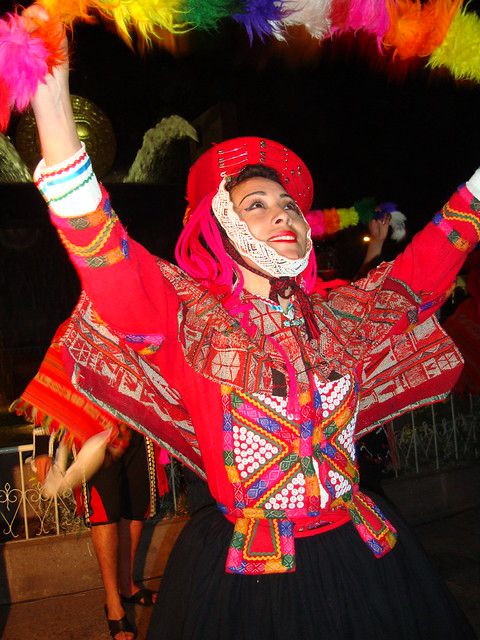
Velacruz is also a time for joy and community. Traditional dances like Los Chunchos and Los Qhapaq Qolla are performed, accompanied by live bands playing festive music. The streets fill with color as dancers in elaborate costumes celebrate their faith and heritage (Ráez Mendiola, 2014).

4. Food and Sharing

No Andean festival is complete without food! Families prepare special dishes such as lechón (roast pork), tamales, and chiriuchu (a traditional cold dish). Sharing meals strengthens bonds within the community (Paredes Candia, 2003).

A Festival of Syncretism

Velacuy beautifully represents the fusion of Catholic and Andean traditions. While the cross is a Christian symbol, the act of honoring it with flowers, music, and processions echoes ancient rituals dedicated to Pachamama (Mother Earth) and the Apus (mountain spirits) (Marzal, 2002).

Experience Velacuy in Cusco

If you’re visiting Cusco in early May, don’t miss this heartfelt celebration. Whether you climb to the Cruz Moqo at sunrise, join the lively dances, or simply admire the beautifully adorned crosses, Velacruz offers a profound glimpse into Cusco’s living culture.


Bibliography

  • Flores Ochoa, J. (1998). El Cuzco: Resistencia y continuidad. Centro de Estudios Andinos.
  • Gow, D., & Condori, B. (1982). Kay Pacha: Tradición y cambio en el Cusco. Instituto de Pastoral Andina.
  • Valladolid Rivera, J. (2005). Fiestas y rituales en los Andes. Universidad Nacional San Antonio Abad del Cusco.
  • Cusco: Tradición y Fiesta (2010). Municipalidad del Cusco.
  • Ráez Mendiola, M. (2014). Danzas y fiestas tradicionales del Cusco. Editorial Universitaria UNSAAC.
  • Paredes Candia, A. (2003). La cocina popular boliviana y sus alrededores. Editorial Amigos del Libro.
  • Marzal, M. (2002). Tierra encantada: Tratado de antropología religiosa de América Latina. PUCP.

Healing with the Four Elements in Andean Cosmovision

Posted on

In Andean spirituality, the natural world is alive with wisdom and energy. The four elements—Earth (Allpa), Water (Yaku), Fire (Nina), and Wind (Waira)—are not just physical substances but sacred forces that influence health, emotions, and spiritual growth.


1. The Four Sacred Elements in Andean Cosmovision

🌍 Allpa (Earth) – The Nurturing Mother

  • Symbolizes: Stability, nourishment, fertility.
  • Sacred Sites: Mountains (Apus), valleys, caves.
  • Healing Role: Grounding, physical health, prosperity.

🔥 Nina (Fire) – The Transformational Force

  • Symbolizes: Energy, willpower, transformation.
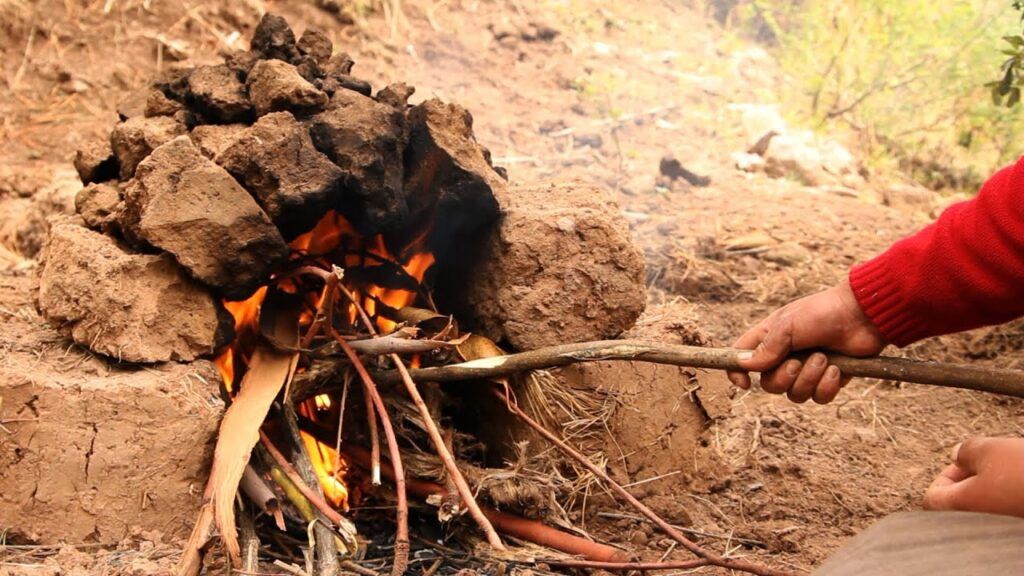
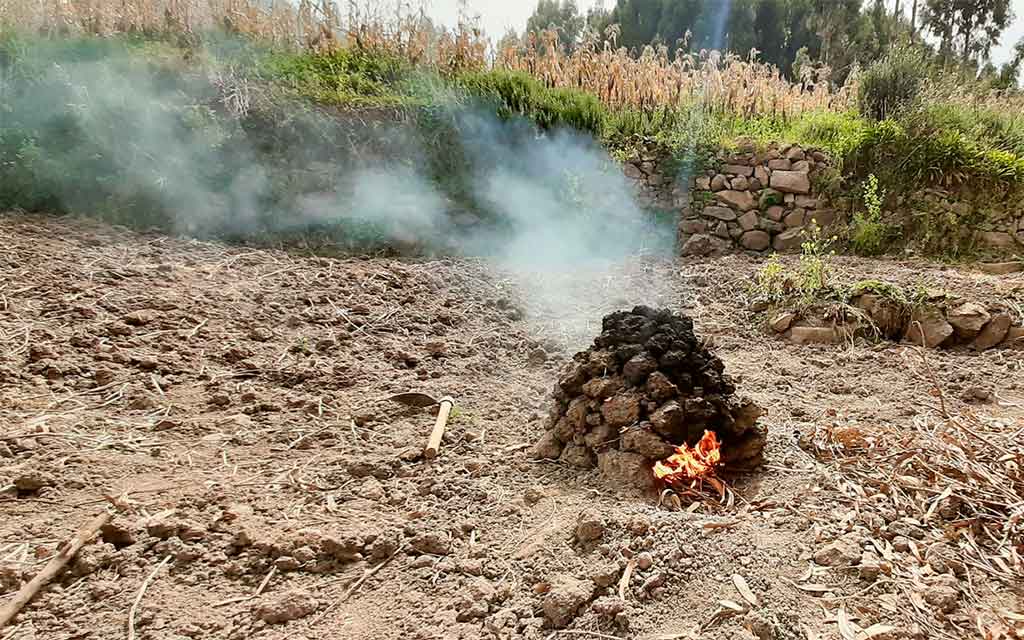
  • Sacred Sites: Volcanoes, the sun (Inti), ceremonial fires.
  • Healing Role: Burning away negativity, igniting passion, courage.

💧 Yaku (Water) – The Flow of Life

  • Symbolizes: Purification, emotions, intuition.
  • Sacred Sites: Rivers, lakes (e.g., Lake Titicaca), waterfalls.
  • Healing Role: Emotional cleansing, renewal, fluidity in life.

🌬️ Waira (Wind/Air) – The Breath of Spirit

  • Symbolizes: Communication, intellect, movement.
  • Sacred Sites: High mountain passes, whistling winds.
  • Healing Role: Mental clarity, releasing stagnant energy.

2. Healing Imbalances with the Four Elements

According to Andean healers, illness arises from disharmony with these elements. Here’s how they diagnose and treat imbalances:


3. Traditional Andean Healing Rituals

A. Despacho Ceremony (Earth & Gratitude)

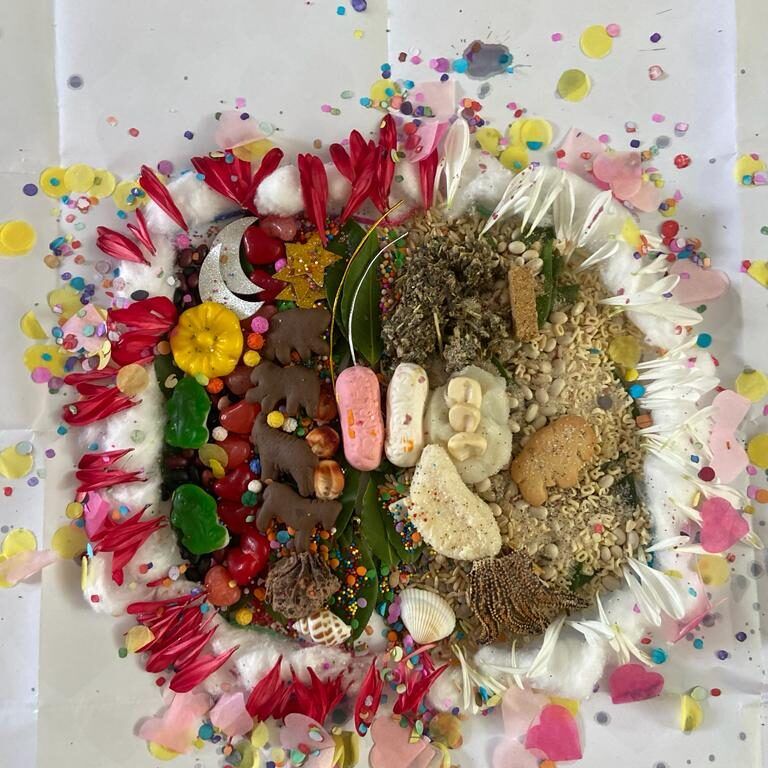
A sacred offering to Pachamama (Earth) with:

  • Coca leaves
  • Corn, sweets, and seeds
  • Llama fat (for energy)
    Purpose: Restores balance and gives thanks.
Pachamama, the mother, transmits the miracle of life with intelligence and love.

B. Yaku Unu (Water Cleansing)

  • Healers collect water from sacred springs, bless it, and use it for:
  • Drinking (for internal purification)
  • Bathing (to wash away emotional pain)

C. Nina K’anchay (Fire Illumination)

  • A candle or fire ritual where intentions are “burned” away or manifested.
  • Used in k’intu (coca leaf) ceremonies to release negativity.

D. Waira Puriy (Wind Cleansing)

  • Shamans use whistling (wayraqoy) to call wind spirits.
  • Practicing deep breathing (sami muhu) to clear the mind.

4. Modern Ways to Work with the Four Elements

You don’t need to be in the Andes to connect with these energies! Try these simple practices:

🌍 Earth: Walk barefoot, garden, eat root veggies (potatoes, carrots).
💧 Water: Take mindful baths, drink infused floral waters.
🔥 Fire: Light a candle with intention, practice sun salutations.
🌬️ Wind: Practice deep breathing, open windows for fresh air.

References

  • Villoldo, A. The Four Insights: Wisdom from the Andes.
  • Wilcox, J. “Andean Elemental Healing” (Journal of Ethnobiology).
  • Q’ero Elders Oral Teachings (Cusco, Peru).

Andean Energy Centers and the Seven Eyes of Wisdom

Posted on

In both Eastern and Andean spiritual traditions, the human body is seen as a vessel of Energy Centers, connected to the cosmos. While Hindu and Yogic traditions speak of seven chakras (energy centers), the Andean cosmovision has a parallel system known as the Ñustas (or Seven Eyes)—sacred feminine energies that govern different aspects of life and consciousness.


1. The Seven Chakras: Energy Centers in Vedic Tradition

The chakra system originates in ancient India and represents spinning wheels of energy along the spine. Each governs physical, emotional, and spiritual aspects:


2. The Seven Ñustas: Andean Feminine Wisdom Keepers

In Andean spirituality, the Ñustas (Quechua for “princesses” or “sacred feminine energies”) are the Seven Eyes of Wisdom, guiding different aspects of existence. They are linked to natural forces and sacred places.


3. Chakras & Ñustas: A Comparative View


4. Rituals to Harmonize Energy Centers

A. Andean Despacho Ceremony

  • A ceremonial offering to the Ñustas with flowers, coca leaves, and sweets.
  • Helps align personal energy with natural forces.

B. Energy Centers Meditations with Sacred Sites

  • Visualize each chakra while connecting to an Andean landscape (e.g., root chakra → sacred valley, heart chakra → Lake Titicaca).

C. Haywarikuy (Energy Walk)


References:

  • Villoldo, A. (2000). Shaman, Healer, Sage.
  • Wilcox, J. (2004). “The Ñustas and Andean Feminine Energies” (Journal of Andean Spirituality).
  • Millones, L. (1997). The Power of the Andes: Indigenous Cosmology.

The Most Powerful Deities of the Andean Cosmovision

Posted on

The Andean Cosmovision is not merely a system of belief, at its center are powerful Deities and spirits, each representing fundamental forces of existence.

It is a way of being, rooted in reciprocity (Ayni), balance, and profound respect for nature. For the peoples of the Andes, especially the Quechua and Aymara, the universe is alive and interconnected.


1. Dieties: Pachamama – Mother Earth

Pachamama is one of the most venerated deities in Andean culture. She is Mother Earth, the fertile womb from which all life springs. Far from being a passive entity, Pachamama is a living, conscious being who provides, nurtures, and demands respect.

She is honored with offerings (despachos) of coca leaves, chicha, food, and prayers. If disrespected—by pollution, overharvesting, or selfishness—she may withdraw her blessings, leading to droughts or misfortune.

  • Symbolism: Fertility, agriculture, abundance, and balance.
  • Modern presence: Andean communities across Peru, Bolivia, and Ecuador still actively celebrate Pachamama—holding traditional ceremonies in August to thank the Earth.

2. Deities: Inti – The Sun God

“Father Sun, my Father,”

Inti is the Sun, the giver of light, time, and warmth. The Inca Empire regarded Inti as their patron god and believed the Sapa Inca (emperor) was his son.

The Inca built temples like Qorikancha in Cusco for Inti and presented daily offerings to his golden image. His festival, Inti Raymi, is still celebrated around the winter solstice (June 24) with great splendor.

  • Symbolism: Life, power, divine royalty, and spiritual guidance.
  • Modern presence: Inti Raymi has seen a revival and is now a major cultural event blending traditional and contemporary Andean pride deities.

3. Viracocha – The Creator God

Wiracocha is the primordial creator, who emerged from the waters of Lake Titicaca to shape the world, the sun, the moon, and humanity. Unlike Pachamama or Inti, which reflect natural cycles, Viracocha embodies a more abstract idea—a god of conscious design and cosmic order.

According to myth, after creating the world, Wiracocha wandered the Earth, teaching people wisdom and civilization, before walking across the Pacific Ocean, promising to return.

  • Symbolism: Creation, wisdom, law, and order.
  • Modern presence: Viracocha appears in many ancient stories and remains central in scholarly and spiritual discussions of Andean theology.

4. Apus – Mountain Spirits and Protectors

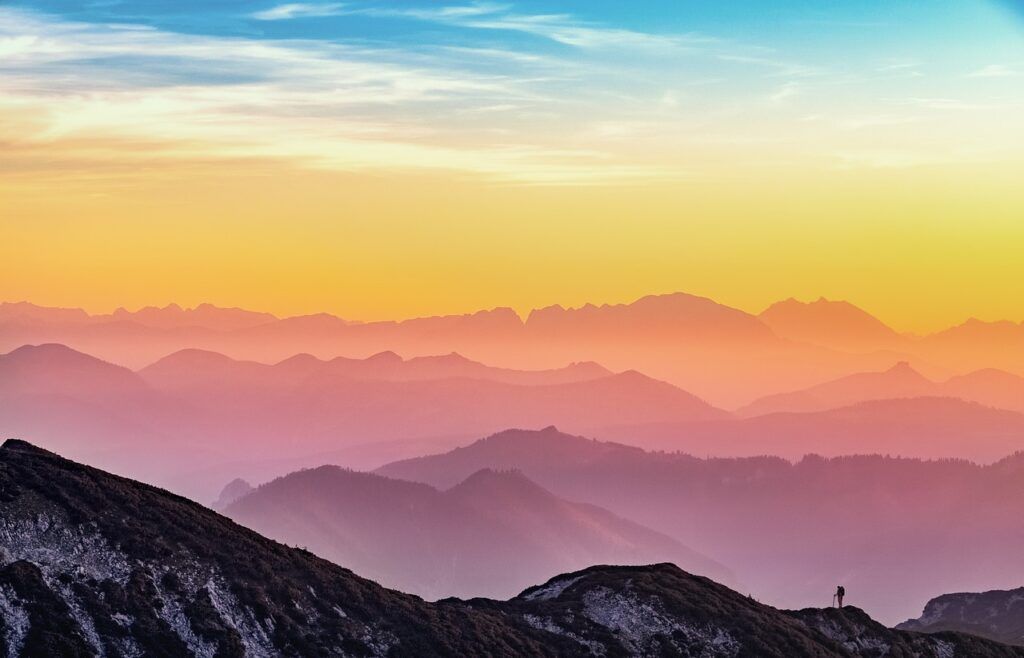
In Andean Cosmovisión, Apus are not mythological gods in the Western sense, but they are among the most powerful beings. Apus are the spirits of sacred mountains, often personified as wise and protective entities.

Each community has its local Apu, and the highest mountains—like Apu Ausangate or Apu Salkantay—are revered across entire regions. People offer coca leaves, alcohol, and prayers to the Apus for protection, fertility, and success.

  • Symbolism: Guardianship, ancestral presence, sacred geography.
  • Modern presence: Pilgrimages, such as Qoyllur Rit’i, are dedicated to Apus, mixing Catholic imagery with ancient rituals.

5. Mama Killa – The Moon Goddess

Mother Moon is the wife and companion of the sun.

Mama Killa is the goddess of the moon, femininity, and timekeeping. She governs the lunar calendar and is deeply connected to women’s cycles, the ocean tides, and emotional rhythms.

Many view her as Inti’s wife or sister, and in some myths, she sheds tears during eclipses, which communities honor as sacred events requiring specific rites

  • Symbolism: Femininity, cycles, intuition, water, and reflection.
  • Modern presence: Though less commonly worshipped directly today, Mama Killa is invoked in ceremonies focused on divine feminine energy and lunar phases.

Rather than dominance or submission, the goal is always balance, and these powerful beings help maintain it. To honor them is to honor life itself.


References

  • Allen, C. J. (2002). The Hold Life Has: Coca and Cultural Identity in an Andean Community. Smithsonian Institution Press.
  • Bastien, J. W. (1985). Mountain of the Condor: Metaphor and Ritual in an Andean Ayllu. Waveland Press.
  • MacCormack, S. (1991). Religion in the Andes: Vision and Imagination in Early Colonial Peru. Princeton University Press.
  • Medrano, R. (2019). La Cosmovisión Andina: Una mirada desde los pueblos originarios. Editorial Abya Yala.
  • Tindall, R. (2010). The Jaguar that Roams the Mind: An Amazonian Plant Spirit Odyssey. Inner Traditions.

Awakening the Inner Feminine

Posted on

The Andean Cosmovision offers a powerful and holistic worldview that honors balance, reciprocity, and the Sacred Feminine.

For women seeking personal development, healing, or spiritual empowerment, ancient Andean practices provide grounded, nature-based tools to reconnect with their inner power and with the cycles of life.

Rooted in indigenous wisdom from the highlands of Peru, Bolivia, and Ecuador, these traditions invite women to walk a path of Munay (unconditional love), Yachay (wisdom), and Llankay (sacred work)—the foundational Andean principles.


1. Honoring Pachamama: Reclaiming Feminine Connection

In Andean spirituality, Pachamama (Mother Earth) is not a symbol—she is a living presence, a conscious being that gives and receives life.

For women, connecting with Pachamama is a way to:

  • Relearn how to receive and how to nourish without guilt.
  • Ground themselves in body awareness.
  • Heal wounds of disconnection or self-neglect.

Practices:

  • Offer daily gratitude to the Earth before meals or walks
  • Sit or lie directly on the earth during meditation
  • Participate in a Despacho ceremony (offering ritual) for healing and abundance

2. Embracing the Lunar Cycle with Mama Killa

The moon, or Mama Killa, governs the feminine rhythm. In the Andean worldview, each phase of the moon offers a different energetic quality: rest, planting, nurturing, releasing.

Reconnecting with your cycle (whether menstrual or energetic) restores your innate intuition and helps balance your internal world.

Practices:

  • Keep a moon journal tracking emotions, dreams, energy levels
  • Schedule rest, creativity, or action according to moon phases
  • Perform cleansing rituals during the waning moon, and intention-setting during the new moon

3. Feminine Path of Munay, Yachay, and Llankay

These three Andean principles offer a roadmap for holistic personal development:

Munay (Love and Will): Cultivate compassion for yourself and others. Engage in heart-centered meditation or mantra.

Yachay (Wisdom and Clarity): Develop intuitive and intellectual insight. Journal, study sacred texts, or seek spiritual guidance.

Llankay (Purposeful Action): Apply your energy to meaningful, balanced action. Focus on service, community work, or creating art.

Empowerment arises when these three forces are in harmony—when your heart, mind, and hands are working together.


4. Healing through Ayni: Reciprocity with Life

Ayni is the sacred law of reciprocity in the Andes. It teaches that true growth happens not through domination or control, but through balanced exchange—with nature, community, and Spirit.

For women, this means:

  • Setting healthy boundaries while staying generous
  • Asking for help without shame
  • Understanding that receiving is as sacred as giving

Practices:

  • Write down what you are receiving from life—and what you’re offering back
  • Perform small daily acts of Ayni: share food, help a friend, give back to nature

5. Working with the Apus: Strength through Sacred Mountains

The Apus, or mountain spirits, are guardians and teachers. For women, invoking the Apus can help build strength, protection, and inner stability—especially when navigating fear, doubt, or major life transitions.

Practices:

  • Meditate or pray facing a mountain (or visualize one)
  • Ask a specific Apu (e.g., Apu Ausangate, Apu Salkantay) for guidance
  • Carry a small stone (Khuyay Rumi) from a sacred place as a talisman

6. Ceremonial Healing: Coca, Fire, and the Elements

Traditional Andean healing includes ceremonial use of coca leaves, sacred fire rituals, and cleansing with flowers, eggs, and herbs. These can be adapted in respectful ways for spiritual hygiene and emotional release.

Try this simple ritual:

  1. Offer them to the Earth or fire with a prayer of release.
  2. Sit quietly with a bowl of water, coca or bay leaves, and a candle.
  3. Blow your worries or intentions into the leaves.

The Andean worldview reminds us that the feminine is not weak or passive—it is sacred, cyclic, nourishing, and deeply wise. By reconnecting with these ancient practices, women can reawaken their power in a way that is grounded, intuitive, and whole.

These practices don’t require abandoning modern life—they invite a return to sacred presence in everything we do.


References

  • Apaza, M. (2013). Cosmovisión Andina y Espiritualidad Femenina. Editorial Pachamama.
  • Wilcox, J. (2004). Keepers of the Sacred Chants: The Poetics of Ritual Power in an Andean Village. University of Arizona Press.
  • Saavedra, L. (2012). Munay: El Poder del Amor en la Sabiduría Andina. Lima: Wasi Editorial.
  • Gose, P. (1994). Deathly Waters and Hungry Mountains: Agrarian Ritual and Class Formation in an Andean Town. University of Toronto Press.
  • de la Torre, R. (2020). Andean Spirituality and Women’s Transformational Practices. Journal of Indigenous Studies and Healing Traditions.

Spirits of the Amazon River

Posted on

The Amazon River of Peru is not only rich in biodiversity but also in a deeply spiritual and mythological heritage.

Among its most fascinating myths is that of the Yacuruna—mysterious water spirits who dwell in the depths of rivers and lakes, holding immense power and profound symbolism for indigenous communities.


Who Are the Yacuruna in The Amazonian River?

The term Yacuruna comes from the Quechua words “yaku” (water) and “runa” (person), meaning “water person.”

In the oral traditions of various Amazonian cultures, particularly the Shipibo-Conibo, Asháninka, and Aguaruna, the Yacuruna are described as powerful beings who live in an inverted world beneath the river.

Artists and storytellers often portray these beings as humanoid with fish-like features, long hair, and backward-facing feet.

By day, they sleep in underwater palaces made of crystal and gold, mirroring the cities of humans.

By night, they roam the rivers in the form of giant river creatures or seductive humans, luring people into their watery realm.


River’s Guardians or Kidnappers?

There is an ambivalence in the role of the Yacuruna. Some stories speak of them as protectors of sacred water places, capable of healing and teaching spiritual knowledge.

People believe these beings possess deep wisdom and sometimes consider them allies of shamans, particularly during ayahuasca ceremonies.

Shamans may even journey spiritually to the Yacuruna’s world to retrieve lost souls or gain mystical insight.

However, in many myths, they are also kidnappers—abducting humans (often beautiful women or skilled healers) to make them their spouses or companions.

The abducted are said to forget their past lives and live eternally beneath the River, only recognizable by their distant gaze and strange behavior if they ever return.


Symbolism and Spiritual Meaning

The myth of the Yacuruna reflects a deep understanding of the relationship between humans and the natural world. Water is life-giving, mysterious, and dangerous—just like the Yacuruna. Their world represents the unconscious mind, the spirit world, and the hidden truths that lie beneath the surface of ordinary life.

Some anthropologists interpret the Yacuruna myth as a metaphor for illness and healing, especially in cases of soul loss or psychological trauma. Being taken by a Yacuruna may symbolize a journey through illness, while being rescued or returning signifies healing through shamanic intervention.


Yacuruna in Modern Amazonian River Culture

Despite the influence of modernization and Christianity, belief in the Yacuruna persists in many communities today.

These stories are passed down through generations and still shape how people interact with the rivers, approach spiritual illness, and understand the unseen forces around them.

In art, music, and rituals, the Yacuruna continue to inspire and warn—reminding people of the power, beauty, and danger that dwell beneath the surface.

In art, music, and rituals, the Yacuruna continue to inspire and warn—reminding people of the power, beauty, and danger that dwell beneath the surface.


References

  • Shepard, G. H. Jr. (2004). “A Sensory Ecology of Medicinal Plant Therapy in Two Amazonian Societies.” American Anthropologist, 106(2), 252–266.
  • Luna, L. E. (1986). Vegetalismo: Shamanism Among the Mestizo Population of the Peruvian Amazon. Stockholm Studies in Comparative Religion.
  • Reichel-Dolmatoff, G. (1971). Amazonian Cosmos: The Sexual and Religious Symbolism of the Tukano Indians. University of Chicago Press.
  • Arévalo, P. (2011). La Cosmovisión de los Pueblos Indígenas Amazónicos: Relatos y Saberes Ancestrales. Lima: IWGIA.