logo im

Andean Wisdom for Modern Growth

Posted on

In today’s fast-paced world, many people seek deeper meaning, balance, and purpose in their lives and we are sure that Andean Wisdom is a perfect option.

While modern self-help techniques offer valuable tools, some of the most profound wisdom comes from ancient traditions—like Andean knowledge, which has guided indigenous communities in the Andes for thousands of years.

The Andean worldview is rooted in harmony with nature, reciprocity, and energy awareness, offering powerful principles for personal growth. Let’s explore how these teachings can transform your life.


1. Ayni: The Principle of Sacred Reciprocity

In Andean culture, Ayni (pronounced eye-nee) is the foundational concept of mutual exchange—giving and receiving in balance. Unlike modern transactional relationships, Ayni teaches that everything is interconnected, and generosity creates a flow of abundance.

How to Apply Ayni in Personal Development:

  • Practice gratitude – Recognize and honor the support you receive from others and the Earth.
  • Give without expectation – Help others selflessly, trusting that energy returns in different forms.
  • Live sustainably – Honor Pachamama (Mother Earth) by making eco-conscious choices.


2. The Three Andean Principles

The Q’ero shamans of Peru teach that personal mastery comes from balancing three energies:

Munay (Love & Willpower) – The energy of the heart, driving passion and purpose.

Llank’ay (Work & Action) – The discipline to manifest dreams through consistent effort.

Yachay (Wisdom & Knowledge) – Learning from experience and ancestral teachings.

How to Balance These Energies:

  • Munay: Cultivate self-love and set clear intentions.
  • Llank’ay: Take daily action toward your goals, no matter how small.
  • Yachay: Seek wisdom from mentors, books, and introspection.

3. Andean Wisdom and Energy Cleansing

Andean spirituality views energy as either:

  • Sami (light, refined energy) – Brings clarity and joy.
  • Hucha (heavy, stagnant energy) – Creates stress and blockages.

How to Clear Hucha & Increase Sami:

  • Breathwork – Practice deep breathing to cleanse your energy field.
  • Nature connection – Walk barefoot on grass, hug a tree, or sit by flowing water.
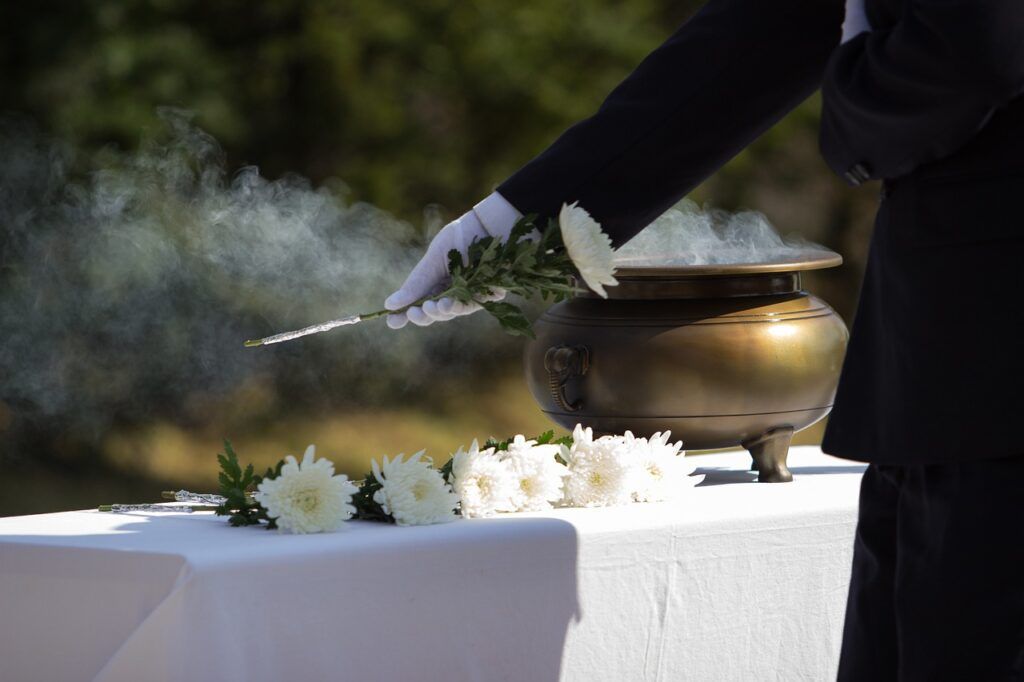
  • Despacho ceremony – Write down what you want to release and burn it as an offering.

4. The Chacana (Andean Wisdom Cross)

The Chacana represents the bridge between the physical and spiritual worlds. Its four directions symbolize:

  • Physical, emotional, mental, and spiritual alignment.
Chacana is an Inca symbol

How to Use the Chacana for Growth:

  • Meditate on its symbolism – Reflect on areas of your life needing balance.
  • Create personal rituals – Use the four directions to set intentions (e.g., career, health, relationships, spirit).

5. Andean Wisdom of Time Perception

Unlike Western linear time, Andean wisdom sees time as cyclical—each moment holds past, present, and future. This teaches:

  • Release past regrets – Every experience is a lesson.
  • Trust the process – Life unfolds in divine timing.

How to Embrace This Mindset of Andean Wisdom:

  • Practice mindfulness – Be fully present in daily activities.
  • Honor life’s cycles – Accept that challenges are temporary and transformative.

References

  • Villoldo, A. (2006). The Four Insights: Wisdom, Power, and Grace of the Earthkeepers. Hay House.
  • Villoldo, A. (2000). Shaman, Healer, Sage: How to Heal Yourself and Others with the Energy Medicine of the Americas. Harmony.
  • Wilcox, J. (2004). The Andean Codex: A Guide to Personal and Planetary Transformation. Light Technology Publishing.
  • Skar, S. L. (1994). Lives Together – Worlds Apart: Quechua Colonization in Jungle and City. Oslo Studies in Social Anthropology.
  • Bastien, J. W. (1978). Mountain of the Condor: Metaphor and Ritual in an Andean Ayllu. Waveland Press.

Mayu: The Sacred River of the Milky Way

Posted on

In Andean cosmology, the Milky Way was not just a celestial phenomenon but a divine river known as Mayu (Quechua for “river”).

Unlike Western astronomy, which sees the Milky Way as a galaxy, the Incas and their ancestors perceived it as a cosmic waterway that connected the heavens, earth, and underworld.


Mayu: The Celestial River of Life

Cosmic Hydrology

The Incas saw the Milky Way as a reflection of earthly rivers, believing that just as water nourished the land, the celestial river nourished the cosmos. Key beliefs included:

  • Mirror of the Vilcanota River: The sacred Vilcanota River (now Urubamba) was considered the earthly counterpart of Mayu.
  • Seasonal Movement: The Milky Way’s shifting orientation marked seasonal changes, guiding agricultural cycles.

Mythological Significance

  • Wiracocha’s Creation: Some myths say the creator god Wiracocha formed the Milky Way as a pathway for divine energy.
  • Source of Rain: The dark constellations within Mayu were thought to influence rainfall and fertility.

The Dark Constellations: Celestial Beings Within Mayu

Unlike Western constellations, which map stars as connected dots, Andean cosmology focused on the dark patches of the Milky Way, interpreting them as celestial animals and spirits:

Quechua Name


Yacana


Atoq


Mach’aqway


Hamp’atu

Animal/Being


The Llama


The Fox


The Serpent


The Toad

Role


A cosmic llama that walked across The sky, bringing water to Earth.


A trickster figure linked to survival and cunning.


Symbolized underground forces and wisdom.


Associated with rain and fertility.

These constellations were used to predict weather, planting seasons, and rituals.


Mayu and Inca Astronomy: A Guide to Agriculture and Rituals

Astronomical Calendar

The Incas aligned their farming cycles with Mayu’s movements:

  • June Solstice (Inti Raymi): When Mayu ran vertically, signaling the dry season.
  • December Solstice (Capac Raymi): When Mayu aligned horizontally, marking the rainy season.

Sacred Ceque Lines & Mayu

The ceque system (sacred sightlines radiating from Cusco) mirrored the Milky Way’s structure, linking:

  • Huacas (shrines) to celestial events.
  • Temples (like Coricancha) to astronomical observations.

Modern Andean Perspectives on Mayu

Surviving Traditions

  • Q’eswachaka Festival: Includes rituals honoring celestial rivers.
  • Despacho Offerings: Some Andean shamans (paqos) still make offerings to Mayu for balance.

UNESCO Recognition

In 2020, Bolivia’s Kallawaya astronomers received heritage status for preserving Milky Way-based cosmology.

For the Incas, Mayu was more than stars—it was a living river connecting all realms of existence. Its study reveals how deeply astronomy, spirituality, and daily life intertwined in the Andes.


References

  • Urton, G. (1981). At the Crossroads of the Earth and the Sky.
  • Sullivan, W. (1996). The Secret of the Incas.
  • Dearborn, D. & Bauer, B. (1998). The Stars of the Inca Empire.

The Spirit of the Inca in Amazonian Myths

Posted on

A fascinating aspect of Amazonian mythology is the presence of the Inca in the beliefs of Pano-speaking peoples, such as the Shipibo, Konibo, and Huni Kuin (Kashinawa) (Moore, 2016).

The Inca as Divine Beings

For the Shipibo, the Inka are considered sons of the Sun Father, sent to Earth in ancient times. The rulers of Cusco adopted the title Inka, meaning “Lord of Luminous Wisdom”, to designate their leaders (Favaron & Bensho, 2020).

The Shipibo describe the Inka as the first wise men—immortal beings who exist in a parallel world. They are guardians of sacred knowledge, masters of medicinal plants, and perfumed realms. Legends say they remain hidden in the jungle, where they have built subterranean temples beneath rivers and dense thickets (Favaron & Bensho, 2020).

The Inka and Amazonian Healers

According to Favaron, only the most dedicated healers (vegetalistas)—after years of strict diets, sacrifices, and purity of heart—can encounter the Inca and enter their palaces. This belief underscores the deep spiritual connection between Amazonian shamans and ancient Andean wisdom.

Pablo Amaringo and the Inka Spirit

The renowned visionary painter Pablo Amaringo (1938–2009) further enriched this mythos. He founded his art school under the name Usko Ayar, representing the brother of the first Inca, Manqo Qhapaq. Amaringo believed this spirit guided his artistic and healing journey, blending Amazonian and Inka cosmologies.

These stories highlight the profound cultural richness of Indigenous peoples and the enduring connection between the Andes and the Amazon. They inspire us to keep exploring, live with humility, and honor ancestral knowledge. Perhaps the greatest treasure of the Inca is not gold—but their eternal wisdom.

Author: Joan De la Colina Román


References:

  • Moore, Thomas (2016). Los Inka en las tierras bajas de la Amazonía suroccidental. Revista Andina, 54.
  • Favaron, Pedro & Bensho Chonon (2020). Chaikonibo. www.siwarmayu.com.
  • Xapiri (2024). Neo Amazónico: Pablo Amaringo.

The Paititi

Posted on

Paititi: Among the many enigmatic tales of the great Inca Empire, one stands out like a legend-

The story of a hidden city of treasures deep in the Amazon jungle

PAITITI

The Qero people also speak of Siwari Paititi, a mythical place said to lie within the mountains. (Núñez del Prado, 1955).

The First Historical Mentions of Paititi

With Columbus’s arrival in the Americas, countless adventurers set out in search of land and riches—and with them, the legend of Paititi grew.

The first written record of this name dates back to Vaca de Castro (1542-1608), who described the conquests of the Inca ruler Pachacuti, mentioning a river called Paitete and the Amazon jungle.

Over time, the name “Paititi” appeared in different accounts, sometimes referring to a lagoon, other times to a province.

Despite these historical references, the myth of it—alongside other legendary places like El Dorado, the City of the Caesars, and Manoa—has been categorized as a geographical myth (Tyuleneva, 2018).

For medieval Europe, such myths evoked visions of an earthly paradise.

Similar legends existed in China and India, fueling the desire to conquer new, unclaimed territories—especially those rumored to hold precious metals.

Failed Expeditions

The tales of this hidden paradise inspired numerous expeditions between the 16th and 17th centuries. Guided only by the vague notion that “Paitete” lay east of Cusco, explorers like Pedro de Candia (1538) ventured into the Paucartambo Valley, followed by Pedro Anzurez and others who pushed into Madre de Dios. Although they encountered large indigenous tribes, they found no traces of gold or silver. Over time, Paititi became known as a refuge for the Incas—yet despite relentless searches, the legendary city was never found.


Author : Joan De la colina Roman


References :
– Flores, J. (2005). Los q’eros. Últimos descendientes de los incas. En J. Flores, J. Núñez del Prado y M. Castillo (Eds.), Q’ERO, el ultimo ayllu inka.
– Vera Tyuleneva(2018) El Paititi
Historia de la búsqueda de un reino perdido

The Inkas and the Amazonia: A Complex Relationship

Posted on

Historical records from chroniclers like Garcilaso de la Vega and Guaman Poma suggest the Inkas did venture into the Amazonia territories, particularly in the Madre de Dios region.

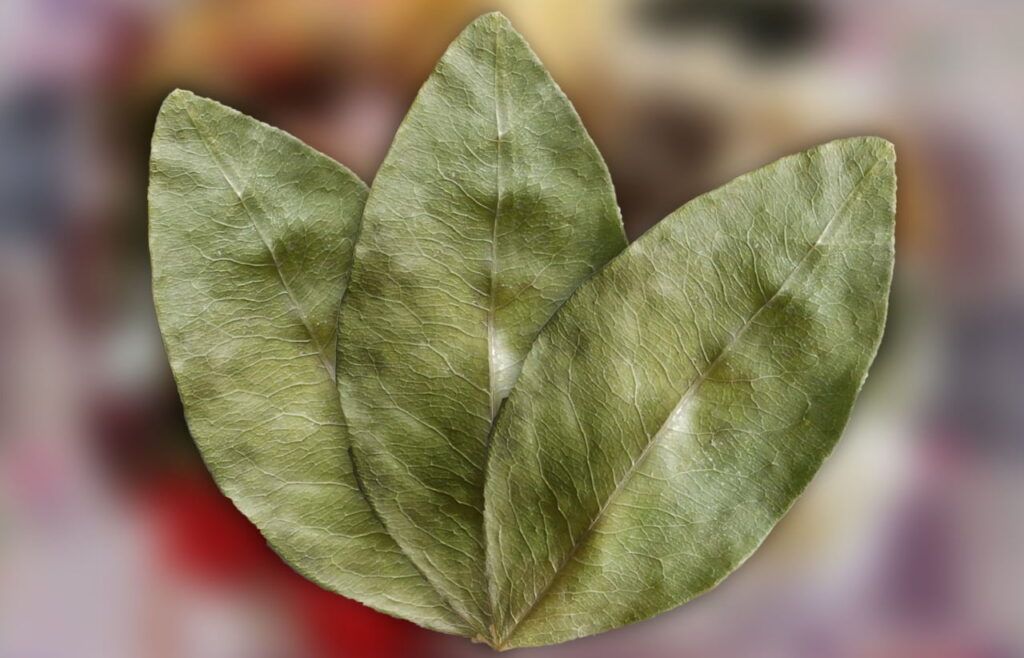
These accounts mention Inca Tupaq Yupanqui establishing coca-growing areas in the lowlands. However, archaeological evidence of substantial Inka settlements remains scarce, raising questions about the nature and extent of their presence.

Amazonia: Environmental and Cultural Differences

Amazonia’s environment, rich in natural resources, supported a hunter-gatherer lifestyle that required less complex social organization compared to the Andean highlands (Kauffman, 2023).

This fundamental difference in subsistence strategies may explain why the Inkas never established strong political control over Amazonia tribes.

Instead, interactions were likely based on trade and cultural exchange, particularly of crops like cassava, which spread from the Amazon to the Andes and even the coast.

Perceptions and Power Dynamics in Amazonia

The Inkas referred to Amazonian peoples as chunchos, a term implying timidity or fear (Kauffman, 2023).

This label reflects the Andean perspective of superiority toward jungle dwellers.

While the Inkas may not have dominated the Amazon politically, they maintained economic and informational exchanges with lowland groups (Moore, 2016).

Spiritual Contrasts: Highland and Lowland Shamans

The spiritual contrast between highland and lowland practices created a dynamic religious frontier. While maintaining distinct traditions, some ritual elements crossed boundaries – archaeological evidence shows Amazonian hallucinogens appearing in highland ceremonial contexts (Chidester, 2018).

This exchange continued post-conquest, influencing contemporary Andean-Amazonian syncretic practices. Today, the legacy of this complex relationship endures in regional identities and ongoing archaeological discoveries that continue to reshape our understanding of Inka frontier policies.

Author: Joan De la Colina Roman


References:

  • Kauffmann Doig, Federico (2023). CHUNCHO: Vilipendio sufrido por los amazónicos en tiempo del Incario y sus móviles.
  • Chidester, David (2018). Religion: Material Dynamics.
  • Moore, Thomas (2016). Los inka en las tierras bajas de la Amazonía suroccidental.

The Peopling of America: Between Science and Myth

Posted on

The question of how and when humans first populated America remains one of archaeology’s most fascinating puzzles.

Current evidence suggests that as early as 13,000 years ago, hunter-gatherer groups were already present in North America, as shown by stone tools found alongside mammoth and mastodon remains.

The traditional Bering Land Bridge theory posits that these early migrants crossed from Siberia during the last Ice Age when lower sea levels exposed a land connection between continents.

However, new studies suggest alternative coastal migrations—both Pacific (Fladmark, 1979) and Atlantic—complicating the traditional “ice corridor” narrative.

As Borrero (2011) argues, this diversity in migration paths points to a complex, multifaceted peopling of South America, a phenomenon science continues to unravel.

The Atlantis Myth and Colonial Imagination

During the colonial era, some chroniclers turned to Plato’s Timaeus, weaving the myth of Atlantis into the origins of Indigenous Americans (Tord, 1996).

This narrative linked New World peoples to biblical Genesis, framing them as descendants of Atlantis—a trope later amplified by Francis Bacon in The New Atlantis.

Inspired by navigator Sarmiento de Gamboa, Bacon drew parallels between the fabled riches of Atlantis and the civilizations of Peru and Mexico.

America as European Utopia

These competing narratives – scientific and mythical – reveal how conceptions of America’s origins have always served contemporary agendas.

For archaeologists, migration theories reflect evolving understanding of human adaptability.

For colonizers, the Atlantis myth justified conquest by framing Indigenous peoples as remnants of a lost white civilization rather than original inhabitants.

Modern genetic studies continue to reshape our understanding, revealing complex patterns of migration and interaction that neither the Bering Strait nor Atlantis theories fully capture.

As research progresses, the story of America’s first peoples promises to grow even richer and more nuanced.

Author: Joan De la Colina Roman


References

  • Borrero, L. (2011). La arqueología de cazadores-recolectores: ambiente y conocimiento.
  • Fladmark, K. (1979). Routes: Alternative migration corridors for early man in North America.
  • Tord, Luis Enrique (1996). Nueva Atlántida.
  • Bacon, F. Nueva Atlántida.