logo im

Quechua / Runa Simi: The Living Language of the Andes

Posted on

The language of the Andes is known as Quechua, a name given by Spanish cleric Domingo de Santo Tomás, the first scholar to document its grammar.

The term derives from qheswa, referring to a geographical region (Gonzales, 2023).

Originally, its speakers called it Runa Simiruna meaning “person” or “people,” and simi signifying “word,” “language,” or “mouth.” Thus, Runa Simi translates to “the language of the people.”

Quechua: A Diverse Linguistic Family

Quechua is not a single language but a linguistic family with regional variations, including Ayacucho Quechua, Cusco Quechua, and Ecuadorian Quechua, each with distinct pronunciations and vocabulary.

Unlike Latin, Germanic, or Anglo-Saxon languages, Quechua words often carry multiple layers of meaning.

For example:

  • Pacha means both “space” and “time.”
  • Yachay encompasses both “learning” and “teaching.”

This richness makes this language where a single word can convey complex ideas, far beyond what a standard dictionary might capture.

An Oral Language Rooted in Action

Runa simi excels as an oral language, prioritizing concrete actions over abstract concepts (Gonzales, 2023).

While modern Quechua has incorporated Spanish loanwords, it retains core principles of Andean philosophy.

For instance:

  • The concept of “thanks” did not originally exist, as reciprocity governs social interactions—actions are repaid with actions, not words.
  • The verb “to have” is absent; instead, Runa simi uses kay (“to be”), framing possession as relationship. For example, “Juan has a wife” becomes “Juan is with wife,” emphasizing connection over ownership.

A Language of Philosophy and Connection

Quechua’s structure reflects a worldview centered on interdependence, where objects and people exist in relation to one another. Research continues to uncover the depth of Quechua’s philosophical and linguistic nuances, revealing a language that shapes—and is shaped by—the Andean way of life.

Author: Joan De la Colina Roman


References

  • Gonzales, Odi (2023). Energía binaria: La correlación entre lengua y pensamiento quechua. In Epistemologías andinas y amazónicas: Conceptos indígenas de conocimiento, sabiduría y comprensión (1st ed.).

Pachatusan: The Guardian of Cusco and Its Sacred Legacy

Posted on

The Apu Pachatusan: Protector of the World

The Apu Pachatusan rises 4,840 meters high to the east of Cusco. Many locals consider this mountain the grandfather of the ancient Inca city.

Its summit aligns with the Temple of the Sun (Qorikancha) and serves as an observatory for the sunrise during the equinoxes.

In Quechua, Pachatusan means “the one who supports the world” or “the pillar of the world.” Two other mountains, Senqa and Pillku Orco (now known as Picol), accompany it (Zecenarro, 2003).

Pachatusan for Rituals and Astronomy

There is no doubt about Pachatusan’s importance in ancient times as both a ritual site and an astronomical landmark. Inca myths frequently mention Pachatusan, often linking it to hidden gold (Sallnow, 1982).

One legend tells how the Inca ordered gold to be buried inside the mountain to calm the weather and ensure good harvests (Santacruz Pachacuti, 1950). Even today, locals believe a gold mine lies within its depths.

The Fusion of Inca and Christian Beliefs

The worship of this Apu later intertwined with Christian traditions, giving rise to the Sanctuary of Señor de Huanca on the mountain’s eastern slope. Today, the site includes a temple, lodging for pilgrims, and a monastery. Behind the sanctuary, three streams flow—known as the Water of Christ, the Water of the Virgin, and the Water of the Devil—each believed to have healing properties.

The Legend of Señor de Huanca

The original myth of the Christ Lord of Huanca tells the story of an Indigenous man named Diego Quispe. In May 1675, he fled to a cave to escape punishment.

At night, he saw a glowing light and a man bleeding from whip lashes. Later, in a dream, the man instructed him to build a place of salvation and love.

A figure of Christ was then painted on the rock, and a small chapel was constructed.

Long before Christianity, this rock was already a sacred waka (shrine), much like the mountain itself. Today, the Apaza family continues to perform cleansing rituals and other ceremonies here.

Author: Joan De la Colina Roman


References

  • Zecenarro, German (2003). Apus tutelares y asentamientos del Cusco Preinca.
  • Sallnow, M. J. (1982). A Trinity of Christs: Cultic Processes in Andean Catholicism.
  • Santacruz Pachacuti, Joan (1950). Relación de Antigüedades deste Reyno del Piru (1615). In Tres Relaciones de Antigüedades.

House Cleansing: Andean Approach to Purification

Posted on

In the Andean tradition, house cleansing is more than just a physical act of cleaning; it is a spiritual and energetic practice of purification aimed at restoring balance and harmony within the home.

This practice, rooted in ancient wisdom, combines rituals, natural elements, and spiritual beliefs that generations have passed down.

Ayni and Purification

The Andean worldview is deeply interconnected with the concept of Ayni, which means reciprocity and balance.

In this tradition, people believe that everything in the universe is interconnected, and they consider maintaining harmony between the physical and spiritual realms essential. People see house cleansing as a way to restore Ayni within the home, ensuring that the energy within the space aligns with the natural world.

The Role of Energy in Andean House Cleansing

In Andean spirituality, people believe that spaces can accumulate negative energy, which can affect the well-being of the inhabitants.

This negative energy can come from various sources, such as stress, conflicts, or even external influences. House cleansing is a way to clear this energy and invite positive, harmonious vibrations into the home.

Traditional Andean House Purification Practices

Offerings to Pachamama
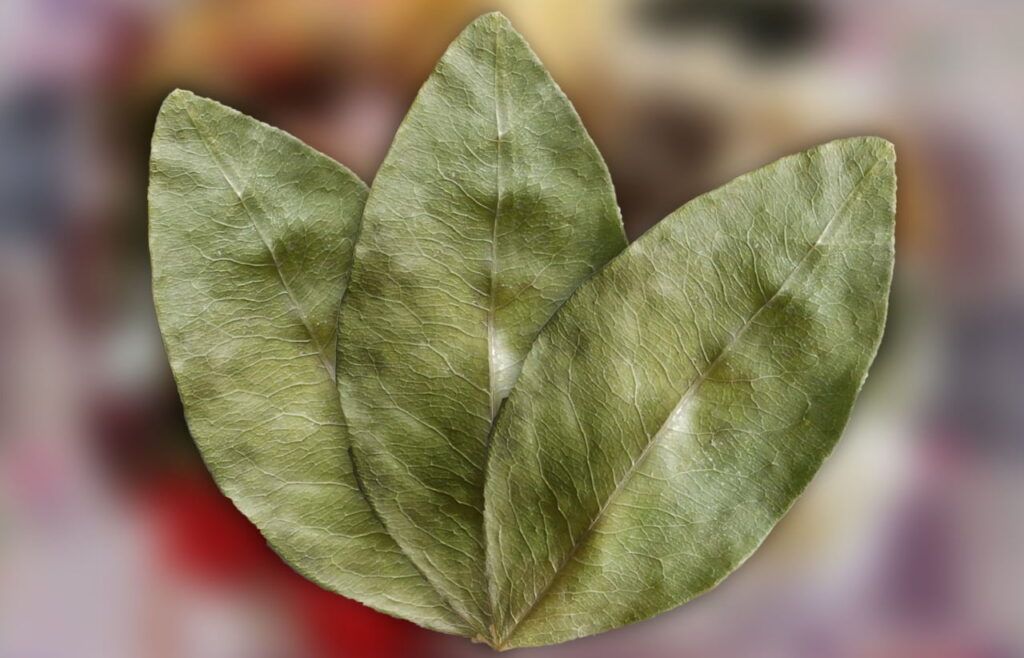
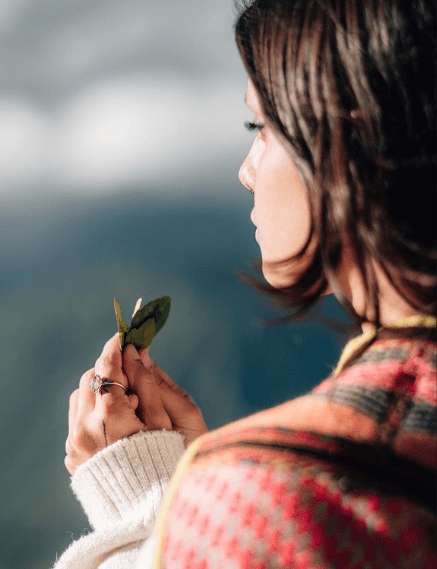
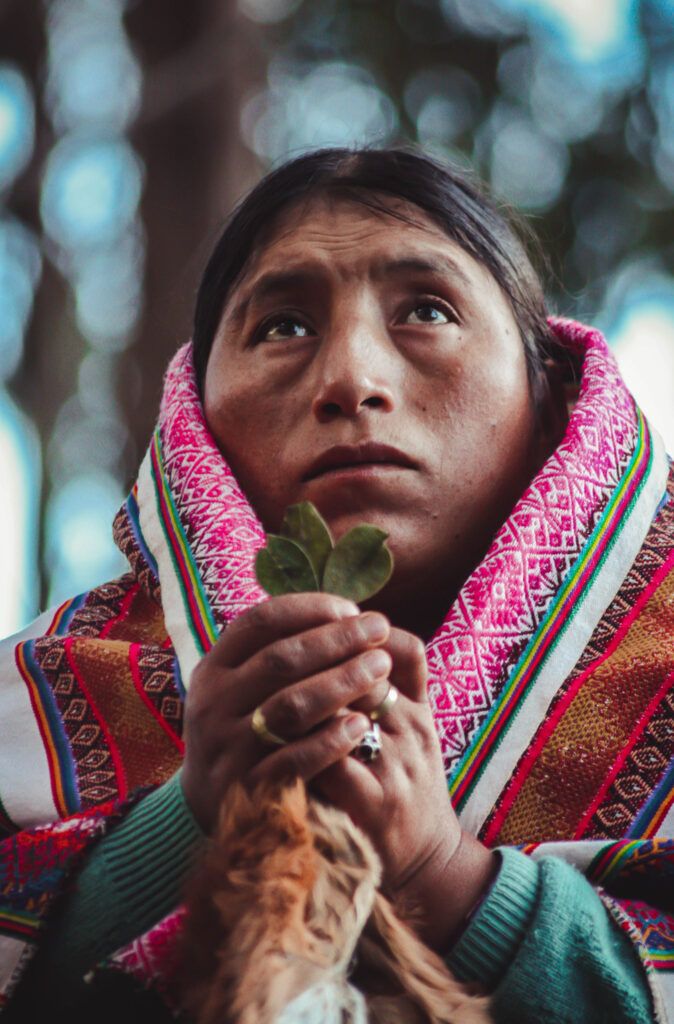
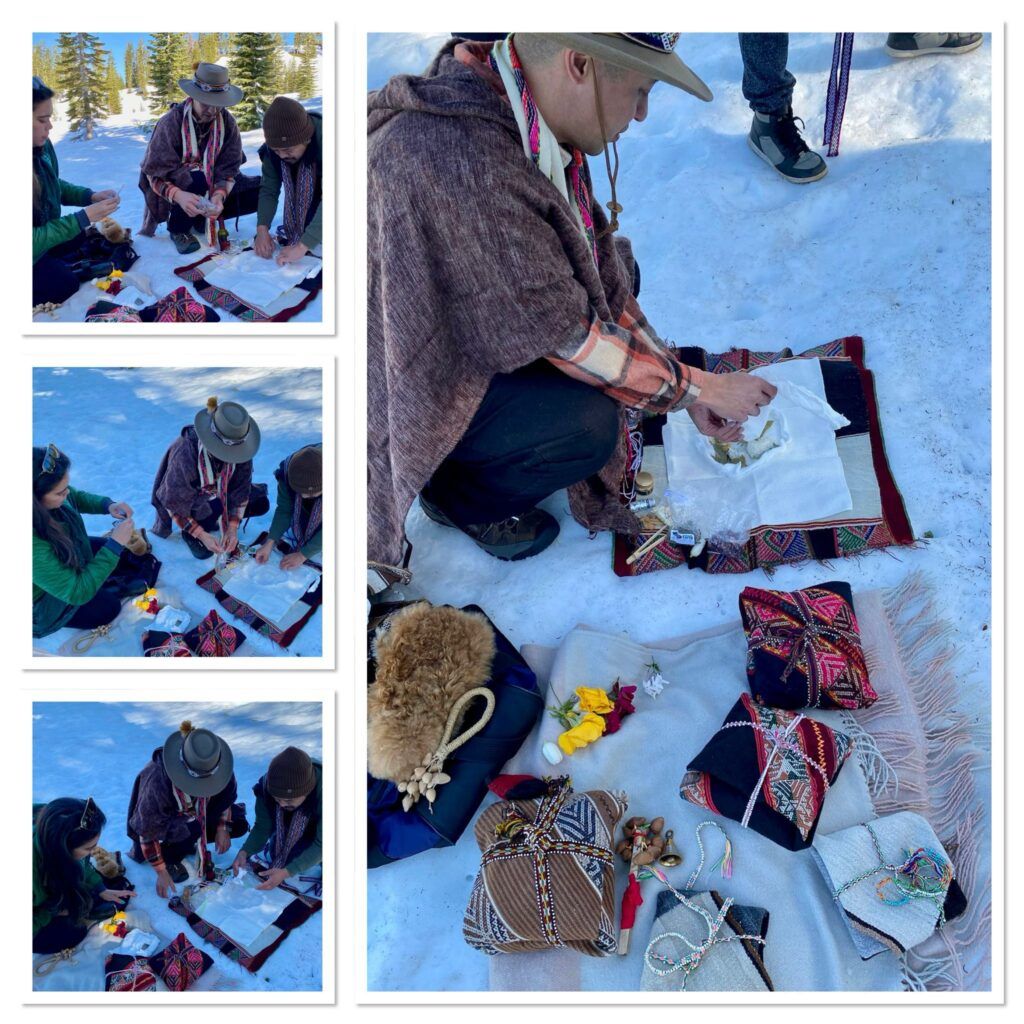
Pachamama, or Mother Earth, is a central figure in Andean spirituality. People make offerings, known as despachos, to Pachamama to thank her for her blessings and to ask for her assistance in cleansing the home. These offerings often include natural elements like flowers, seeds, and coca leaves.

Use of Sacred Herbs and Plants
Andean shamans, known as paqos, often use sacred herbs like muña (Andean mint) and ruda (rue) for cleansing rituals. These herbs are believed to have purifying properties that can clear negative energy. The herbs are typically burned, and the smoke is used to cleanse the space, a practice similar to smudging in other traditions.

Sound Cleansing with Instruments
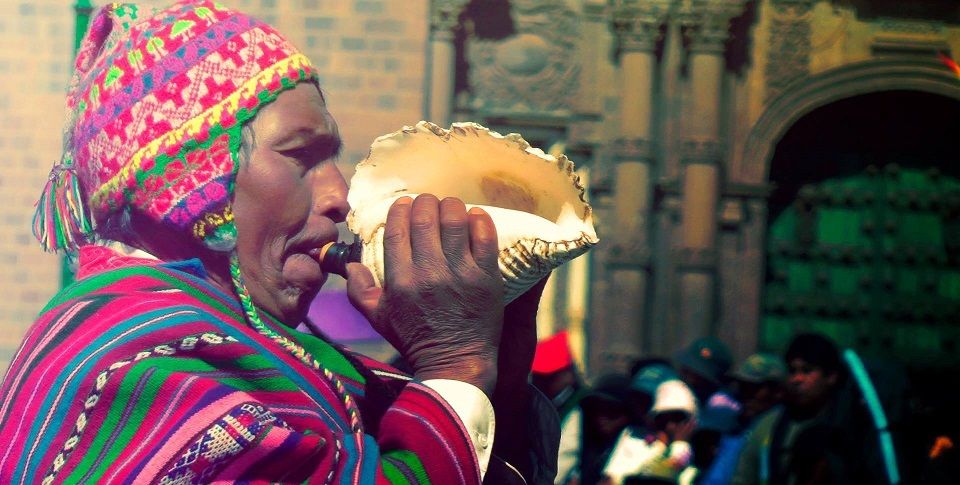
Sound is another powerful tool in Andean house cleansing. Instruments like the pututu (a conch shell trumpet) and drums are used to create vibrations that can dispel negative energy and restore balance. The sound is believed to resonate with the energy of the space, clearing any blockages.

Water Rituals
Andean culture considers water a sacred element, symbolizing purification and renewal. People often use water from sacred sources, such as mountain springs, to cleanse the home. They sprinkle the water around the space while speaking prayers or intentions.

Energetic Cleansing with Stones
People also use stones and crystals in Andean house cleansing. They believe that specific stones, like Saya (a type of quartz), absorb negative energy and promote healing. They place these stones strategically around the home or use them in rituals to cleanse the space.

Modern Applications of Purification

While spirituality deeply roots traditional Andean house cleansing practices, people can adapt them for modern use. Here are some ways you can incorporate these practices into your own home:

  1. Create a Sacred Space
  2. Use Smudging Techniques
  3. Incorporate Sound Healing
  4. Make Offerings to Nature
  5. Use Water for Cleansing

Andean house cleansing practices offer a holistic approach to creating a harmonious and balanced living environment. By incorporating these ancient techniques into your modern life, you can clear negative energy, restore balance, and invite positivity into your home. Whether you use sacred herbs, sound, or water, the key is to approach these practices with intention and respect for the natural world.


References

  • Apffel-Marglin, F. (1998). The Spirit of Regeneration: Andean Culture Confronting Western Notions of Development. Zed Books.
  • Bastien, J. W. (1985). Mountain of the Condor: Metaphor and Ritual in an Andean Ayllu. Waveland Press.
  • Classen, C. (1993). Inca Cosmology and the Human Body. University of Utah Press.
  • Gow, D. D. (1976). The Gods and Social Change in the High Andes. University of Wisconsin Press.
  • Sallnow, M. J. (1987). Pilgrims of the Andes: Regional Cults in Cusco. Smithsonian Institution Press.
Sacred Animal in each of the Three Worlds

Posted on

In Andean cosmovisión, Three is a sacred animal for each World: condor, jaguar, and serpent – Hanaq Pacha, Kay Pacha, and Ukhu Pacha. Each of this sacred animal, serve as spiritual guides and embody the energies of their respective realms.


Sacred Animal: Condor and Hanaq Pacha

The condor, the majestic bird of the Andes, is the sacred animal of Hanaq Pacha, the upper world. It soars high above the mountains, connecting the earth to the heavens. The condor represents:

Divine Wisdom: Its ability to fly at great heights symbolizes access to higher knowledge and spiritual enlightenment.

Connection to the Ancestors: The condor is believed to carry messages between the living and the ancestors in Hanaq Pacha.

Freedom and Aspiration: It inspires us to rise above earthly concerns and align with our higher purpose.

In rituals, practitioners often invoke the condor to help them connect with the divine energies of Hanaq Pacha and receive guidance from the celestial realm.


Sacred Animal: Jaguar and Kay Pacha

The jaguar, a powerful and agile predator, is the sacred animal of Kay Pacha, the middle world. It embodies the energy of the present moment and the physical realm. The jaguar represents:

Strength and Balance: As a master of both land and water, the jaguar symbolizes the ability to navigate life’s challenges with grace and power.

Grounding and Presence: It reminds us to stay grounded in the here and now, fully engaged with the physical world.

Protection and Leadership: The jaguar is seen as a protector and a guide, helping us walk our path with courage and clarity.

In Andean traditions, the jaguar is often called upon for protection, strength, and the ability to move through life with purpose.


Sacred Animal: Serpent and Ukhu Pacha

The serpent, a creature of the earth and the underworld, is the sacred animal of Ukhu Pacha, the lower world. It represents:

Transformation and Renewal: The serpent’s ability to shed its skin symbolizes death, rebirth, and the cycles of transformation.

Healing and Wisdom: The serpent embodies healing and wisdom, connecting us to the healing energies of the earth and the subconscious mind.

Connection to the Unseen: It moves through the hidden depths, reminding us to explore the mysteries within ourselves and the world.

In rituals, the serpent is invoked to help practitioners access the wisdom of the subconscious, heal deep wounds, and embrace personal transformation.


Integrating the sacred animals in Andean Spirituality

Together, the condor, jaguar, and serpent represent the balance and interconnectedness of the three realms. They remind us that:

The condor lifts us to the heavens, connecting us to divine wisdom.

The jaguar keeps us grounded in the present, helping us navigate the physical world.

The serpent guides us through the depths, facilitating healing and transformation.

By honoring these sacred animals and their realms, we can achieve harmony within ourselves and with the cosmos.


References

  1. Wilcox, Joan Parisi. Masters of the Living Energy: The Mystical World of the Q’ero of Peru. Inner Traditions, 2004.
  2. Villoldo, Alberto. Shaman, Healer, Sage: How to Heal Yourself and Others with the Energy Medicine of the Americas. Harmony, 2000.
  3. Sikkema, Elizabeth B. Andean Awakening: An Inca Guide to Mystical Peru. Council Oak Books, 2011.

May the cóndor, jaguar, and serpent guide your journey through the three worlds. 🌟🐆🐍

Ukhu Pacha: The Lower World in Andean Cosmovision

Posted on

Ukhu Pacha, The Lower World, is the mysterious and powerful realm of the subconscious, the earth, and the unseen forces that shape our reality. This blog delves into the meaning of Ukhu Pacha, its role in Andean spirituality, and how its teachings can help us embrace transformation and healing.


What is Ukhu Pacha?

In Quechua, Ukhu Pacha translates to “the world below” or “the inner world.” The subterranean realm of Ukhu Pacha connects deeply with the earth, the underworld, and the subconscious.

People often depict Ukhu Pacha as a place of darkness, not in a negative way, but as a space brimming with potential, mystery, and transformation.

Moreover, this realm symbolizes the fertile ground for growth and renewal, where the seeds of change take root. As a result, Ukhu Pacha invites us to embrace the unknown and trust in the process of transformation.

Ukhu Pacha houses powerful forces, including the spirits of the earth, the ancestors, and the energies of creation and destruction. Furthermore, it serves as the realm of the unconscious mind, where our deepest fears, desires, and memories reside.

In this way, Ukhu Pacha bridges the physical and spiritual dimensions, offering profound insights into both the seen and unseen aspects of existence.

For the Andean people, Ukhu Pacha is a source of wisdom, healing, and renewal.


The Role of The Lower World in Andean Cosmovisión

  1. The Realm of the Earth
    Ukhu Pacha is deeply connected to Pachamama (Mother Earth) and the fertile, life-giving energies of the soil. It represents the nourishing and regenerative power of the earth.
  2. The Subconscious and the Unseen
    Ukhu Pacha is the realm of the subconscious mind, where our hidden thoughts, emotions, and memories reside. It is also the realm of the unseen forces that influence our lives, such as spirits and energies.
  3. A Space for Transformation
    Ukhu Pacha embodies a space of death and rebirth, where individuals release old patterns and welcome new possibilities. It fosters healing, supports shadow work, and inspires personal transformation.
  4. Connection to the Ancestors
    Like Hanaq Pacha, Ukhu Pacha also serves as a dwelling place for the ancestors. Similarly, this connection emphasizes the realm’s deep ties to the natural world and the transformative processes of existence.

Why The Lower World Matters Today

In a world that often prioritizes the visible and the tangible, the concept of Ukhu Pacha invites us to explore the hidden depths of our being and the earth. By embracing the teachings of Ukhu Pacha, we can:

  • Heal and Transform: Confront our shadows, release old patterns, and embrace personal growth.
  • Connect with the Earth: Honor Pachamama and cultivate a deeper relationship with the natural world.
  • Tap into the Subconscious: Access the wisdom of our inner world and the unseen forces that shape our lives.
  • Embrace Cycles of Change: Understand and accept the cycles of death and rebirth as part of life.

How to Connect with Ukhu Pacha

  1. Shadow Work: Engage in practices like journaling, meditation, or therapy to explore your subconscious and heal unresolved wounds.
  2. Honor Pachamama: For example, offer gratitude to the earth through rituals, such as burying offerings or spending time in nature.
  3. Work with Dreams: Pay attention to your dreams as messages from Ukhu Pacha and the subconscious.
  4. Participate in Rituals: Join Andean ceremonies or create your own rituals to connect with the energies of Ukhu Pacha.

References

  1. Wilcox, Joan Parisi. Masters of the Living Energy: The Mystical World of the Q’ero of Peru. Inner Traditions, 2004.
  2. Villoldo, Alberto. Shaman, Healer, Sage: How to Heal Yourself and Others with the Energy Medicine of the Americas. Harmony, 2000.
  3. Sikkema, Elizabeth B. Andean Awakening: An Inca Guide to Mystical Peru. Council Oak Books, 2011.
  4. Classen, Constance. Inca Cosmology and the Human Body. University of Utah Press, 1993.
  5. Apffel-Marglin, Frédérique. Subversive Spiritualities: How Rituals Enact the World. Oxford University Press, 2011.

May the wisdom of Ukhu Pacha guide your journey of transformation. 🌱✨

Hanaq Pacha: The Upper World in Andean Cosmovision

Posted on

Hanaq Pacha, or Upper World, holds a special place as the celestial realm of the gods, ancestors, and divine wisdom. This blog explores the meaning of Hanaq Pacha, its significance in Andean spirituality, and how its teachings can inspire us to connect with the divine and our higher purpose.


What is Hanaq Pacha?

In Quechua, Hanaq Pacha translates to “the world above” or “the upper world.” It is the realm of the celestial, the divine, and the eternal.

Hanaq Pacha is associated with the stars, the sun, the moon, and the heavens, and it is home to the gods (Apus), the ancestors, and the highest spiritual energies.

Unlike the physical realm of Kay Pacha, Hanaq Pacha is intangible and transcendent. It represents the realm of pure potential, divine wisdom, and spiritual enlightenment.

For the Andean people, Hanaq Pacha is not a distant or abstract concept but a living reality that influences their daily lives and spiritual practices.


The Role of The Upper World in Andean Cosmovisión

  1. The Realm of the Divine
    Hanaq Pacha is the dwelling place of the gods, including Inti (the Sun God), Mama Killa (the Moon Goddess), and the Apus (mountain spirits). These deities are revered as sources of life, guidance, and protection.
  2. Connection to Ancestors
    The ancestors reside in Hanaq Pacha, watching over their descendants and offering wisdom and support. Honoring the ancestors through rituals and offerings is a key aspect of Andean spirituality.
  3. Source of Spiritual Wisdom
    Hanaq Pacha is the realm of higher knowledge and enlightenment. Shamans and spiritual practitioners often journey to Hanaq Pacha in meditation or ritual to receive guidance, healing, and inspiration.
  4. A Symbol of Aspiration
    Hanaq Pacha represents the highest ideals of humanity—purity, wisdom, and connection to the divine. It reminds us to strive for spiritual growth and alignment with our higher purpose.

Why The Upper World Matters Today

In a world often focused on material pursuits, the concept of Hanaq Pacha invites us to look beyond the physical and connect with the divine. By embracing the teachings of Hanaq Pacha, we can:

  • Seek Higher Wisdom: Connect with our inner guidance and the wisdom of the cosmos.
  • Honor the Divine: Cultivate a relationship with the sacred forces that sustain life.
  • Remember Our Ancestors: Honor the legacy of those who came before us and draw strength from their wisdom.
  • Aspire to Enlightenment: Strive for spiritual growth and alignment with our highest potential.

How to Connect with Hanaq Pacha

  1. Meditation and Prayer: Use meditation or prayer to connect with the divine energies of Hanaq Pacha. Visualize the stars, the sun, or the moon as portals to this celestial realm.
  2. Honor the Ancestors: Create an altar or perform a ritual to honor your ancestors and seek their guidance.
  3. Work with the Apus: If you live near mountains or sacred sites, spend time in nature and offer gratitude to the Apus.
  4. Study Andean Wisdom: Learn about Andean spirituality through books, workshops, or teachings from Andean elders.

References

  1. Wilcox, Joan Parisi. Masters of the Living Energy: The Mystical World of the Q’ero of Peru. Inner Traditions, 2004.
  2. Villoldo, Alberto. Shaman, Healer, Sage: How to Heal Yourself and Others with the Energy Medicine of the Americas. Harmony, 2000.
  3. Sikkema, Elizabeth B. Andean Awakening: An Inca Guide to Mystical Peru. Council Oak Books, 2011.
  4. Classen, Constance. Inca Cosmology and the Human Body. University of Utah Press, 1993.
  5. Apffel-Marglin, Frédérique. Subversive Spiritualities: How Rituals Enact the World. Oxford University Press, 2011.

May the light of Hanaq Pacha illuminate your path. 🌟✨