logo im

Becoming a Medicine Person: The Andean Wisdom

Posted on

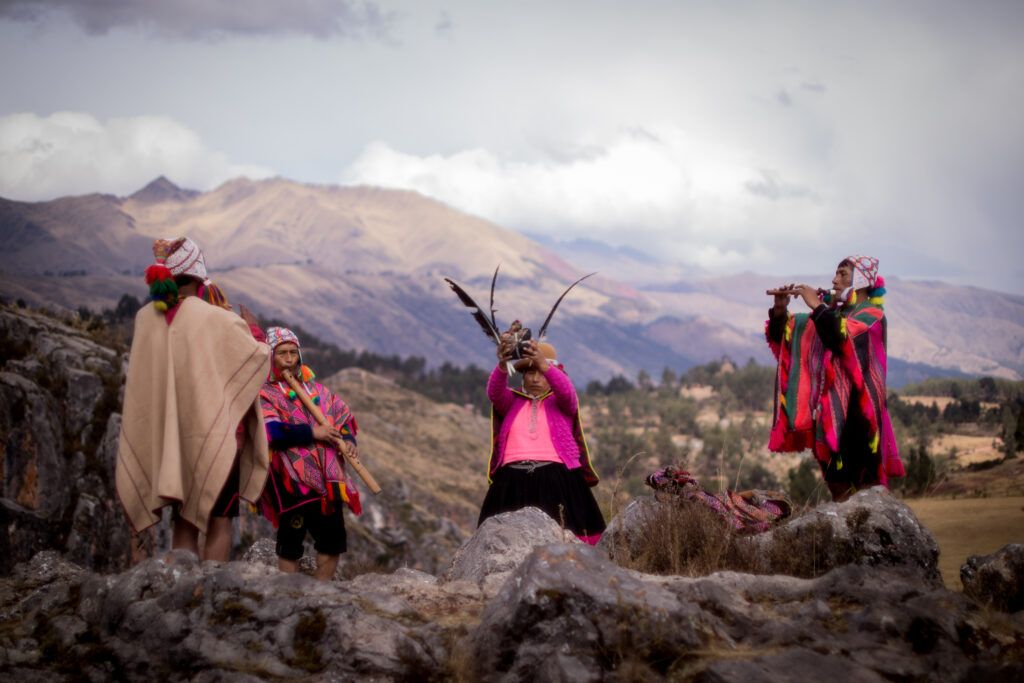
In the Andes, being a healer is not a career—it is a sacred calling. To become a medicine person in this tradition is to be chosen by the Apus (mountain spirits), initiated by life, and trained through direct communion with Pachamama, not merely through books or titles.

The Andean medicine path is one of service, humility, and energetic alignment. Unlike Western models, it sees healing not as fixing, but as restoring balance and remembering the original harmony of all beings.


What is a Medicine Person in the Andes?

Known as Paqo, Pampamisayoc, or Altomisayoc, the medicine person in the Andean tradition is both healer and bridge. Their task is not only to support individuals, but also to maintain the Ayni—sacred reciprocity—between humans, nature, and the spirit world.

There are different levels:

Paqo – Spiritual practitioner, often initiated through experience and mentorship

Pampamisayoc – “Keeper of the Earth,” one who works closely with Pachamama and the natural elements

Altomisayoc – The highest level, chosen by lightning or spiritual signs, deeply connected to the Apus

“A healer in this tradition is not someone who heals for others, but someone who creates the energetic conditions in which life can rebalance itself.”
(Núñez del Prado, 2009)


The Tools of the Medicine Path

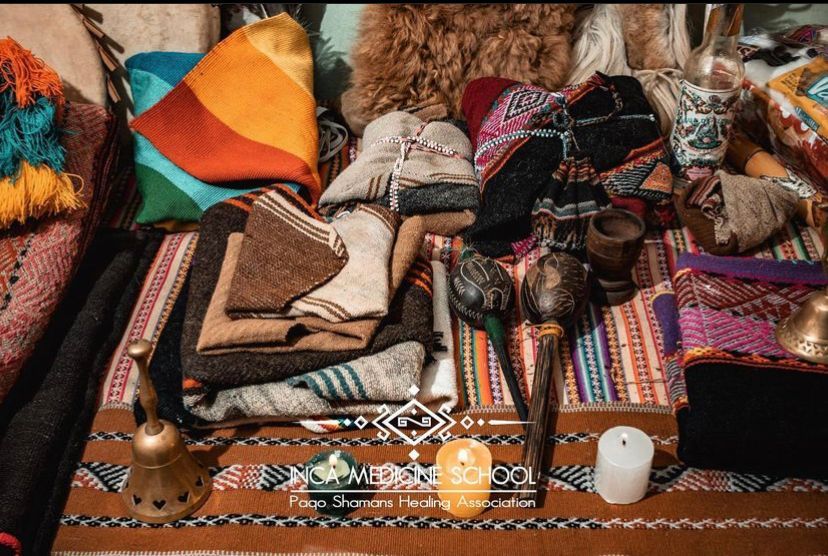
Andean medicine people use natural and energetic tools, including:

Mesa: A sacred bundle of stones and power objects

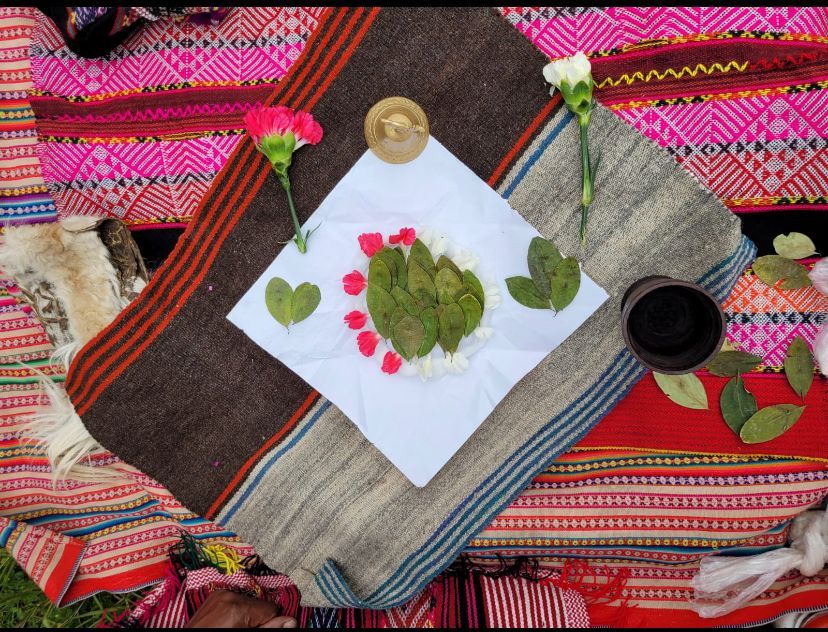
K’intus: Prayer trios of coca leaves used to communicate with the spirit world

Despachos: Elaborate offerings to Pachamama and the Apus

Qaway: The art of “seeing” with the heart, not just the eyes

These tools are not symbols—they are living allies that carry energy and intention.

The medicine person also develops the three powers of:

Yachay – Inner knowledge and intuitive wisdom

Munay – Pure heart and the ability to love unconditionally

Llankay – Devoted service and embodied action

“The true mesa is your own body, your own energy. All outer tools are mirrors of your inner terrain.”
(MacLean, 2012)


How Does One Become a Medicine Person?

Contrary to modern assumptions, you do not “decide” to become a healer—you are called. This calling may come through:

  • Dreams with Apus or ancestors
  • Deep crises or illness that awaken your path
  • Spontaneous connection with nature and the spirit world
  • Meeting a mentor or lineage unexpectedly

After that, the path unfolds slowly and organically.

“You don’t choose the Apus. The Apus choose you. And when they do, life will never be the same.”
(Wilcox, 2004)


A Path of Responsibility, Not Ego

The Andean medicine path is not about fame, money, or spiritual superiority. It is a responsibility. Medicine people are called to:

  • Clear their own hucha (dense energy)
  • Live in ethical relation to Pachamama
  • Avoid manipulation or ego inflation
  • Be servants of harmony, not saviors

In a world flooded with false gurus, the true Paqo is often quiet, humble, and deeply grounded.


A real healer is not someone with power over others, but someone who reminds you of your own sacred power.
(Miro-Quesada, 2010)


Bibliography

  • Núñez del Prado, J. (2009). The Andean Cosmovision. Cusco: Willka Nina Press.
  • Wilcox, J. (2004). Keepers of the Ancient Knowledge: The Q’ero Mystics of Peru. Vermont: Inner Traditions.
  • MacLean, K. (2012). The Shape of the Inka Heart: Wisdom from the Q’ero Masters. UK: Heart of the Andes Press.
  • Miro-Quesada, O. (2010). Lessons in Courage: Peruvian Shamanic Wisdom for Everyday Life. Boulder: Sounds True.

Is the Andean Path for You?

Posted on

The Andean path is not a religion or a trend; it is a way of life rooted in sacred reciprocity, living in harmony with Pachamama, and listening to the wisdom of the Apus.

In a world dominated by noise and speed, many people are hearing a different kind of call—one that comes from the mountains, the wind, and their own ancestral memory.

But how do you know if this path is calling you?

What is the Andean Path?

The Andean spiritual tradition, also called the Inca path, originates in the highlands of Qosqo (Cusco), the heart of the ancient Inka empire. Rather than dogma, it offers a cosmology based on energy, connection, and balance.

At its core, it honors:

Pachamama – Mother Earth

The threefold path of Yachay (wisdom), Munay (love), and Llankay (service).

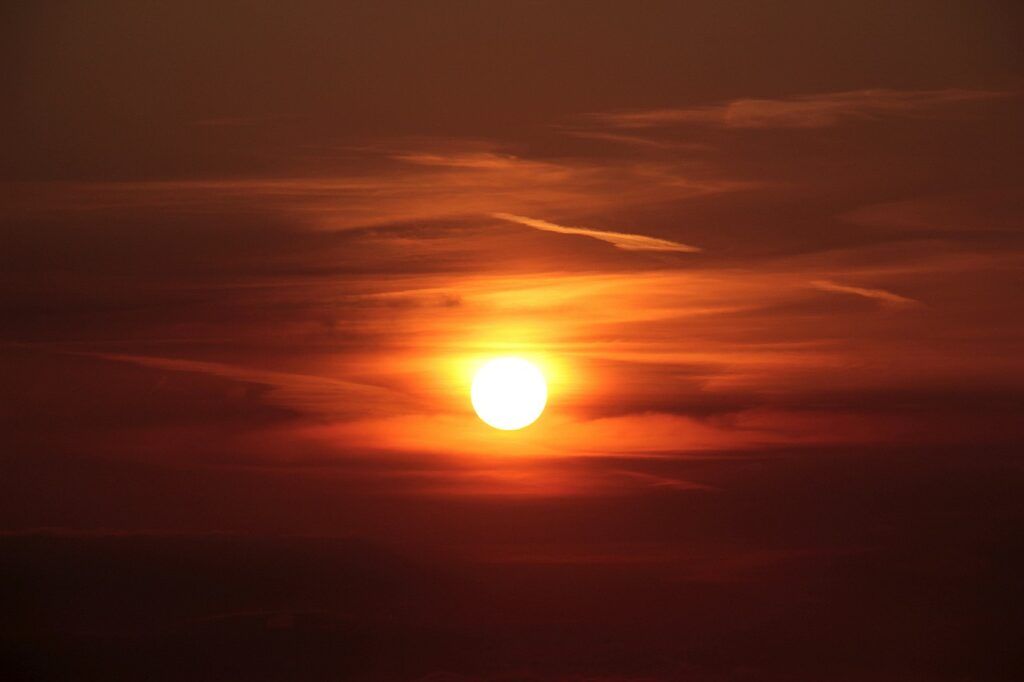
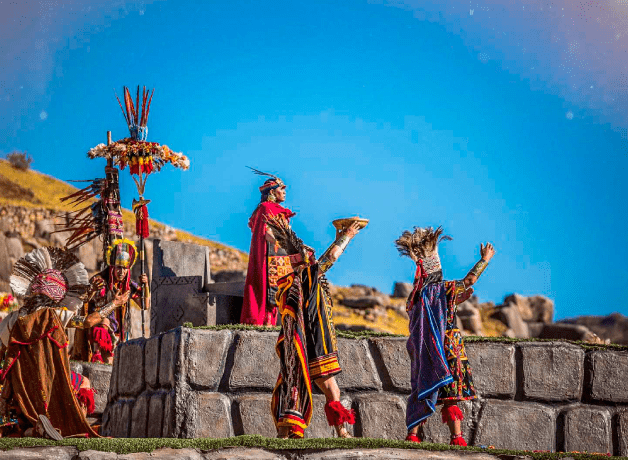
Tayta Inti – Father Sun

“Father Sun, my Father,”

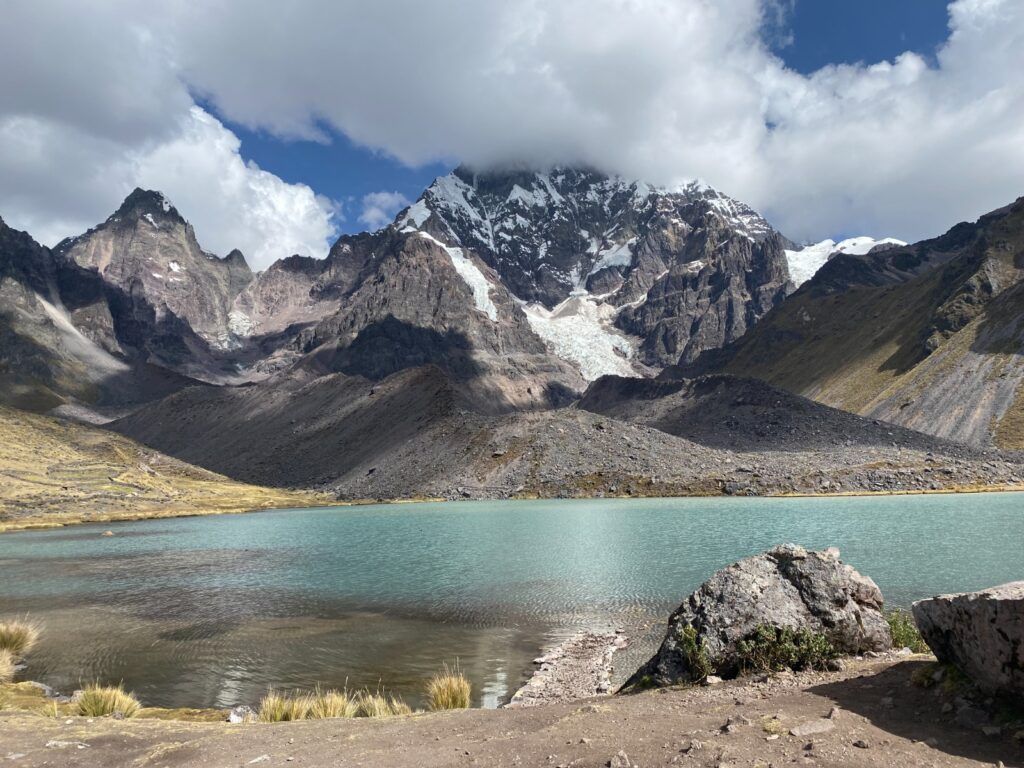
The Apus – Sacred mountain spirits

They are the spirits of the mountains and physically inhabit them.

Rather than escaping the world, the Andean path teaches us to inhabit it fully—in Ayni, or sacred reciprocity with all beings.

“This is not a philosophy—it’s an energetic path that connects us to the living world,” writes Joan Wilcox (2004).


Signs You’re Being Called to This Andean Path

The calling doesn’t always come with clarity. Sometimes it’s a feeling, a dream, or a synchronicity. Here are common signs people report:

1. Dreams of Mountains, Animals, or Light

You may see condors, snakes, or pumas—symbols of the three Andean worlds. Or you dream of being in the mountains without knowing why.

2. Deep Emotional Responses to Sacred Places or Sounds

Hearing Andean flutes or seeing images of Machu Picchu, Pisac, or Saqsaywaman may bring you to tears, without logic—your body remembers before your mind does.

3. Obsession with the Andes, Nature, or Earth-Based Ritual

You feel an unexplainable longing to connect with Pachamama, to offer thanks, or to walk barefoot on the land. You may be drawn to the number three, the chacana, or coca leaves.

Those who are called often don’t understand why at first—but the mountains have memory, and they remember you.
(Wilcox, 2004)


What You Need (and Don’t Need) in Andean Path

Many ask: Do I need to be Peruvian or Indigenous to walk this path?

The answer from most authentic teachers is no—but you must walk with respect, humility, and integrity. This is not a path for ego or consumption; it is a path of service and remembering.

You don’t need:

  • Fancy clothes or Quechua fluency
  • To leave your job or live in Peru
  • To be perfect

You do need:

  • Commitment to Ayni and the natural world
  • A sincere heart
  • A willingness to unlearn and listen

To walk the Andean path is to be in sacred service to life, not just to your own healing,” says Oscar Miro-Quesada (2010).


How to Start Walking through Andean Path

If you feel called, here are gentle ways to begin:

1. Visit Sacred Sites

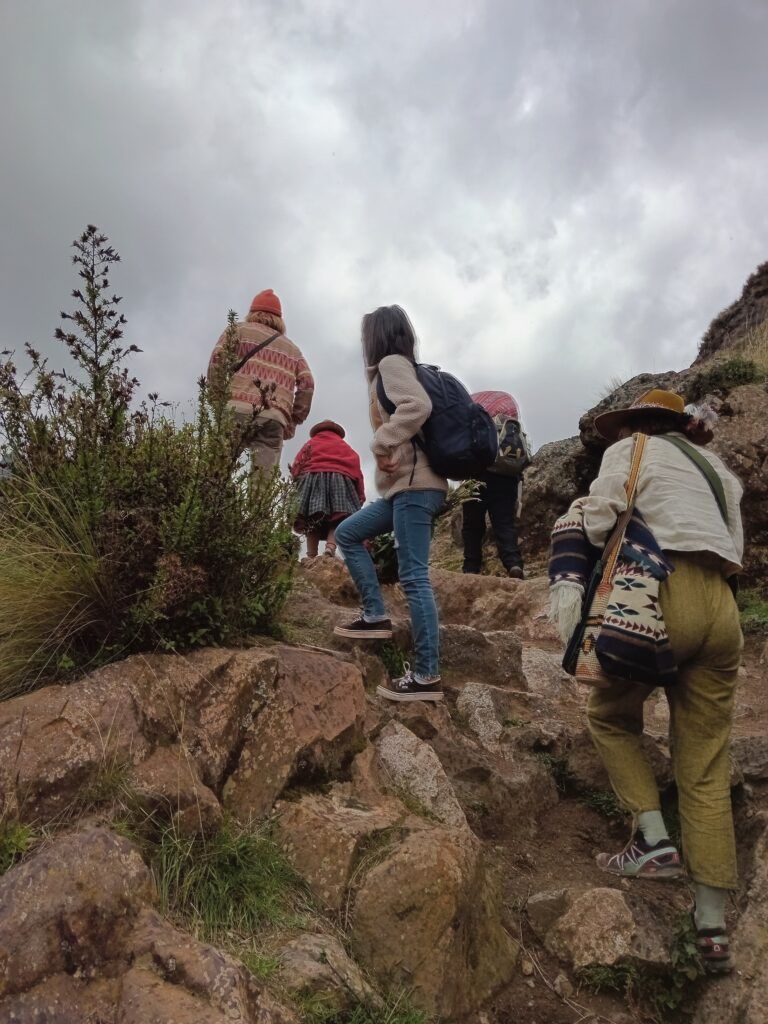
If possible, travel to places like Qoricancha, Apu Ausangate, or Ollantaytambo. Let the land teach you.

2. Receive a Karpay

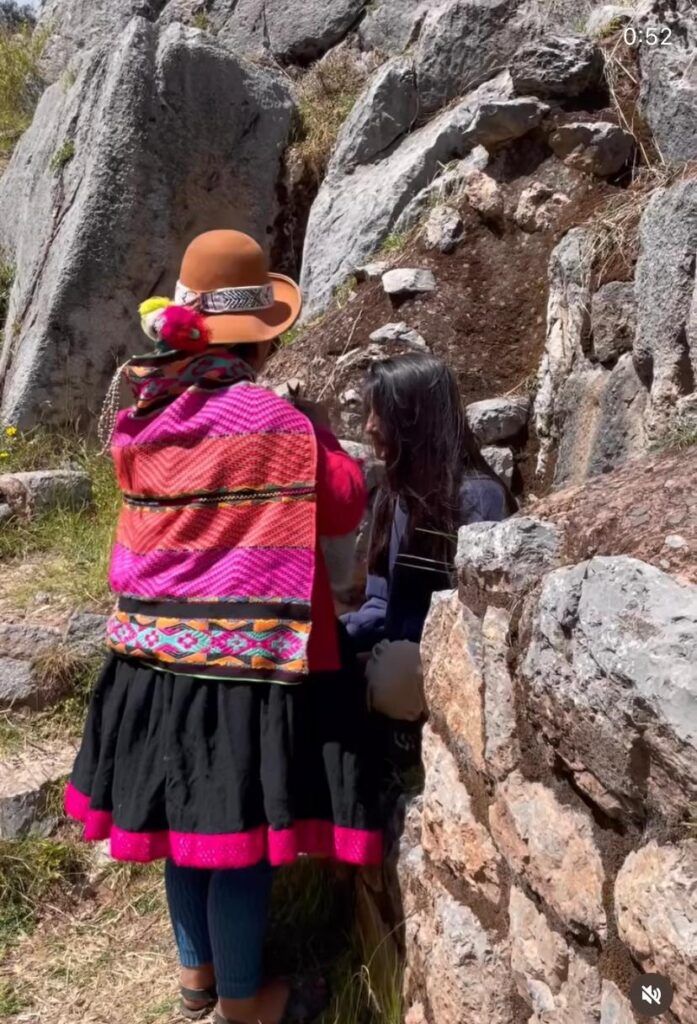
A Karpay is an energetic initiation transmitted by a Pampamisayoc or Altomisayoc. This sacred seeding helps align you with the path.

3. Begin Daily Rituals

Start offering despachos, talking to the Apus, or honoring the moon and sun. Light a candle with intention. Speak to the earth. These small acts build a sacred relationship.

4. Connect with a Teacher or Lineage

Look for teachers rooted in authentic Andean lineage—especially those connected to the Q’ero or other mountain communities. Integrity matters.


Closing Thoughts

The Andean path isn’t about becoming someone new—it’s about remembering who you already are. If you’re being called, it’s likely because this path already lives in you. You are not alone. The mountains are waiting.

This path is not linear. It is circular, spiraling, like the winds of the Andes. And it is always welcoming those who arrive with Munay.”
(MacLean, 2012)


Bibliography

  • Wilcox, J. (2004). Keepers of the Ancient Knowledge: The Q’ero Mystics of Peru. Vermont: Inner Traditions.
  • MacLean, K. (2012). The Shape of the Inka Heart: Wisdom from the Q’ero Masters. UK: Heart of the Andes Press.
  • Miro-Quesada, O. (2010). Lessons in Courage: Peruvian Shamanic Wisdom for Everyday Life. Boulder: Sounds True.
  • Tola, F. & Dragonetti, C. (1997). Pensamiento Mítico Andino. Buenos Aires: Biblos.

What is Karpay ?

Posted on

The Karpay is one of the most sacred transmissions in the Andean spiritual tradition—an act of awakening, remembrance, and responsibility. Rooted in the lineage of the Q’ero people, descendants of the ancient Inkas, the Karpay is a living bridge between the spiritual and material worlds.

What means Karpay?

In Quechua, Karpay means “to transmit” or “to seed.” A Karpay is a ceremonial transfer of energy, codes, and ancestral power from a lineage holder—often a Paqo, Altomisayoc, or Pampamisayoc—to an initiate. Unlike symbolic rituals, the Karpay involves real energetic shifts, often accompanied by visions, emotional release, or profound peace.

The ritual includes sacred tools such as k’intus (three coca leaves offered in prayer), mesa bundles (medicine altars), and despachos (offerings to Pachamama and the Apussacred mountain spirits like Apu Ausangate, Apu Salkantay, Apu Huanacaure, Apu Pitusiray, Apu Sawasiray, Apukuna, or Apu Machu Picchu).

“A Karpay is not a symbolic rite—it is the transmission of actual power and the energetic responsibility to live in harmony with the cosmos.”
(Núñez del Prado, 2009)

Why is it Transformational?

The Karpay activates three essential forces of the human being according to Andean wisdom:

  • Yachay – Sacred intelligence or inner knowing
  • Munay – Unconditional love and will from the heart
  • Llankay – Right action and sacred service

These three energies—sometimes called the Inka Trilogy—are not abstract concepts. They are the blueprint of a balanced human life. When activated through the Karpay, they align the initiate with their original energetic design.

The ceremony also clears hucha (heavy or stagnant energy), opens the energetic body, and initiates the participant into a new Pacha (space-time or life phase).

“Receiving a Karpay can initiate profound transformation, as it realigns us with our soul’s original agreement.”
(Wilcox, 2004)

How is a Karpay Received?

Traditionally, Karpays are received in sacred places in the Andes, often near water or at high altitudes where the veil between worlds is thin. The Q’ero paqos may travel to sites such as Qoricancha, Saqsaywaman, or remote mountain shrines.

The preparation involves:

  • A cleansing diet (physical and energetic)
  • Setting intentions with Munay.
  • Gathering offerings for a despacho, which honors Pachamama, Tayta Inti (Father Sun), and the Apus

The transmission often includes:

  • Blessings with agua florida, flowers, and coca
  • Whispers in Quechua to awaken the lineage

Even when received outside of Peru, the Karpay remains powerful when guided by an initiated paqo who carries the lineage authentically.

The Invitation of the Karpay

Receiving a Karpay is not about gaining power. It is a commitment to walk a path of sacred reciprocity (Ayni), to serve life, to remember who we are, and to restore balance in our communities and planet.

Whether you are a healer, artist, therapist, activist, or seeker, the Karpay offers a way to connect deeply with the wisdom of Pachamama and the great sacred lineages of the Andes.

It is not a final step, but a beginning.


Bibliography

  • Núñez del Prado, J. (2009). The Andean Cosmovision. Cusco: Willka Nina Press.
  • Wilcox, J. (2004). Keepers of the Ancient Knowledge: The Q’ero Mystics of Peru. Vermont: Inner Traditions.
  • MacLean, K. (2012). The Shape of the Inka Heart: Wisdom from the Q’ero Masters. UK: Heart of the Andes Press.

Cusco’s Cuisine Splendor: Tradition & Innovation – Part 3

Posted on

Cusco’s cuisine is a living chronicle of history, where ancient Inca ingredients, colonial fusions, and modern innovation converge.

This journey through Cusco’s flavors reveals not just what Peruvians eat, but who they are—a people shaped by empires, conquest, and culinary resilience.

Flavors of History – Cusco’s Cuisine Tapestry

The Inca Empire cultivated nutrient-dense foods long before modern nutrition science recognized their benefits.

Among them, maca root (Lepidium meyenii) was initially used as animal fodder to strengthen livestock in high altitudes (Gonzales, 2012). By the late 20th century, its adaptogenic properties gained global attention, leading to its classification as a superfood (Wang et al., 2007).

Similarly, cañihua (Chenopodium pallidicaule), a drought-resistant grain, was a staple in Inca warriors’ diets due to its high protein content (Repo-Carrasco et al., 2003). Today, it is being reintroduced in gourmet cuisine for its nutty flavor and nutritional profile.

Ancient Cuisine Techniques

The Pachamanca (from Quechua pacha = earth, manca = pot) is more than a cooking method—it is a spiritual ritual honoring Pachamama (Mother Earth). Layers of meat, potatoes, and herbs are slow-cooked in underground stone ovens, a tradition preserved since pre-Columbian times (Sillar, 2000).

Another technique, Huatia, involved baking potatoes in adobe ovens, serving as a quick meal for farmers. This method highlights the Inca’s ingenuity in food preservation and efficiency (Coe, 1994).

Colonial Kitchen Revolutions

The Spanish Ingredients That Changed Everything

The Spanish conquest introduced wheat, beef, and dairy, altering indigenous diets.

Wheat replaced maize in bread-making, while dairy led to new dishes like queso helado (a cinnamon-infused frozen dessert) (Civitello, 2011).

Chicha morada, originally a ceremonial drink made from purple corn, evolved into a national beverage after colonial-era sugar sweetening (Weismantel, 1988).

The New Andean Cuisine Movement

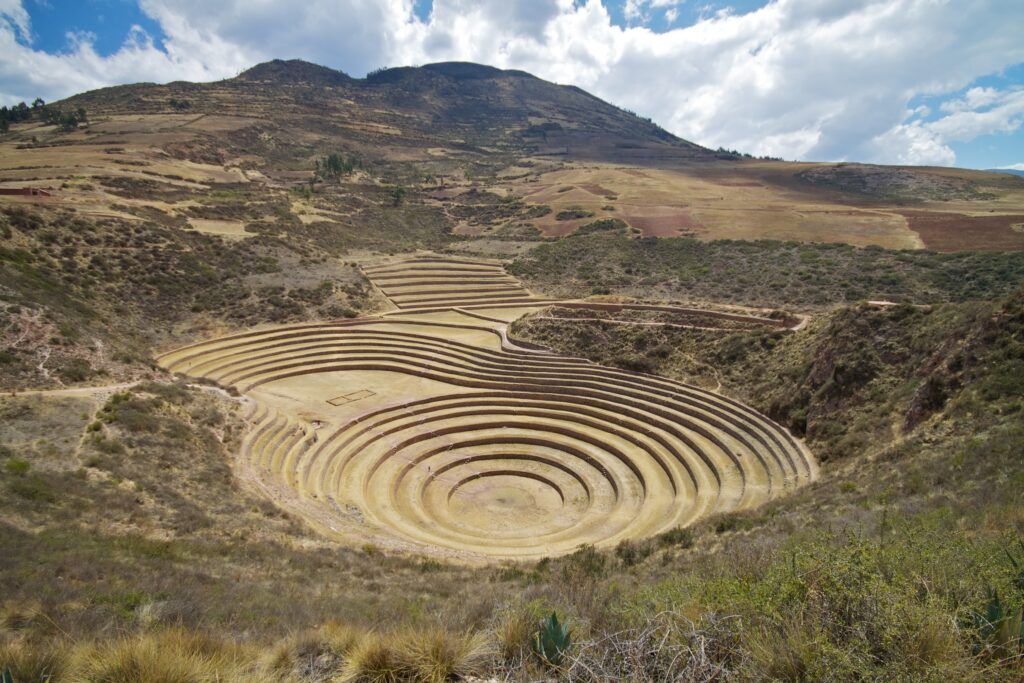
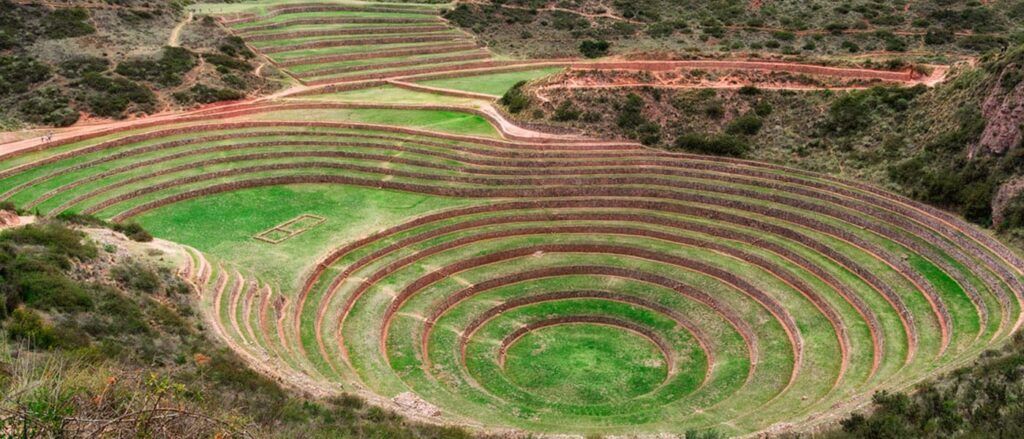
Chef Gastón Acurio revolutionized Peruvian cuisine by elevating traditional dishes to haute cuisine, blending indigenous ingredients with modern techniques (Acurio, 2015). Meanwhile, Virgilio Martínez’s MIL restaurant in Moray highlights altitude-based ingredients, creating a “vertical cuisine” concept (Martínez, 2019).

Travelers now seek immersive experiences, such as cooking classes with Quechua grandmothers, who teach ancestral techniques (Cordero, 2020). Underground supper clubs, like Kusykay, experiment with avant-garde Andean cuisine, fusing tradition with innovation (García, 2021).


References

  • Acurio, G. (2015). Perú: The Cookbook. Phaidon Press.
  • Civitello, L. (2011). Cuisine and Culture: A History of Food and People. Wiley.
  • Coe, S. (1994). America’s First Cuisines. University of Texas Press.
  • Cordero, M. (2020). Culinary Tourism in Peru: Tradition and Modernity. Lima Press.
  • García, E. (2021). Andean Avant-Garde: The New Peruvian Cuisine. Food Culture Press.
  • Gonzales, G. (2012). “Ethnobiology and Ethnopharmacology of Maca.” Journal of Ethnobiology, 32(1), 45-59.
  • Mann, C. (2011). 1493: Uncovering the New World Columbus Created. Knopf.
  • Martínez, V. (2019). Central: The Cuisine of Peru. Ten Speed Press.
  • Moreno, M. (2013). Sweet Colonial Peru: Desserts and Convent Traditions. Editorial San Marcos.
  • Repo-Carrasco, R. et al. (2003). “Nutritional Value of Cañihua.” Food Chemistry, 81(1), 109-115.
  • Sillar, B. (2000). “Pachamanca: Earth Oven Cooking in the Andes.” Food and Foodways, 8(4), 225-254.
  • Wang, Y. et al. (2007). “Maca: An Andean Crop with Health Benefits.” Phytochemistry Reviews, 6(1), 1-18.
  • Weismantel, M. (1988). Food, Gender, and Poverty in the Ecuadorian Andes. University of Pennsylvania Press.

Andean Textiles as Cultural Expression Part 2

Posted on

The vibrant Textiles of the Andes are more than just beautiful fabrics—they are a living language, encoding history, identity, and cosmology. From the precise geometry of Inca weavings to contemporary fashion reinventions, Andean textiles continue to tell stories. Let’s explore their enduring legacy.

Andean Textiles: Woven Harmonies

Threads of Textiles History

How toques (headbands) indicated social status:

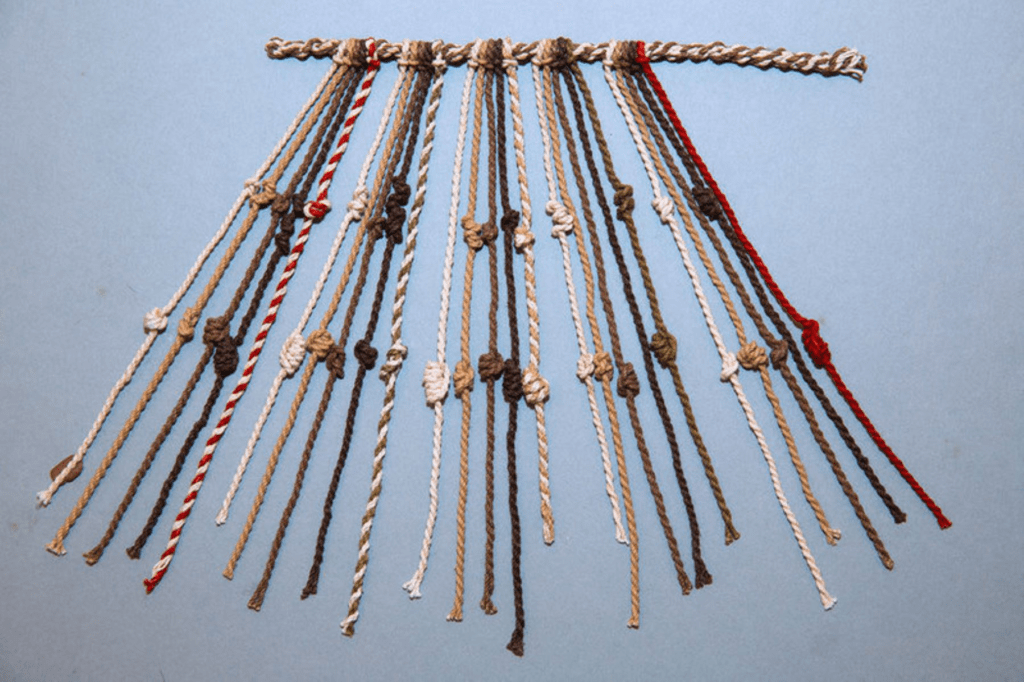
In the Inca Empire, textiles functioned as a visual language. Tocapus (intricate woven headbands) were more than adornments—they signaled rank, lineage, and regional identity. Elite individuals wore headbands with complex geometric patterns, while simpler designs denoted commoners (Rowe, 1979). Some scholars argue these symbols may have even conveyed proto-writing, embedding sacred knowledge in thread (Urton, 2003).

The mathematical precision of Inca weaving patterns:

Inca textiles display astonishing symmetry, often mirroring fractal-like precision. Researchers have found that some patterns align with astronomical cycles, suggesting a deep connection between weaving and Inca cosmology (Zuidema, 1982). The ceque system—a ritual alignment of sacred pathways—may even be encoded in textile designs (Bauer, 1998).

Living Loom Traditions of Textiles

Chinchero’s Weaving Cooperatives:

In Chinchero, Peru, weaving cooperatives like CTTC (Center for Traditional Textiles of Cusco) preserve ancient techniques. Master weavers teach younger generations double-faced weaving and natural dyeing, ensuring ancestral knowledge survives (Heckman, 2003).

  • Natural Dye Revival: Using cochineal insects for crimson red, muña leaves for green, and q’olle flowers for yellow, artisans reconnect with pre-Columbian palettes (Franquemont, 2009).
  • Tourism’s Double Edge: While tourism provides income, it also risks commodifying traditions. Some cooperatives now offer workshops instead of mass sales, fostering deeper cultural exchange (Scarborough, 2020).

Contemporary Fiber Arts

Avant-Garde Andean Fashion:

Modern designers are reimagining ancestral techniques:

  • Elena Phipps, a textile scholar-artist, collaborates with Quechua weavers to create museum-quality pieces (Phipps, 2013).
  • Ethical Fashion Brands like Awamaki and K’uyichi partner with rural artisans, ensuring fair wages and cultural preservation (Littrell & Dickson, 2010).

References

  • Bauer, B. (1998). The Sacred Landscape of the Inca. University of Texas Press.
  • Franquemont, E. (2009). Weaving in the Peruvian Highlands. Interweave Press.
  • Heckman, A. (2003). Woven Stories: Andean Textiles and Rituals. UNM Press.
  • Phipps, E. (2013). The Peruvian Four-Selvaged Cloth. Fowler Museum.
  • Urton, G. (2003). Signs of the Inka Khipu. University of Texas Press.

Music of Cusco: Cultural Expressions Part 1

Posted on

Far more than just Machu Picchu, Cusco is a living museum of Andean culture where ancient traditions pulse through daily life—nowhere more vibrantly than in its music.

From the haunting melodies of panpipes echoing through cobblestone streets to the electrifying fusion of modern huayno beats, the city offers a complete sensory immersion into Peru’s rich heritage.

Music of Cusco: The Eternal Voice of the Andes

Pre-Columbian Music Foundations

The archaeological rediscovery of Inca instruments reveals an astonishing musical sophistication.

Remarkably, antaras (ceremonial panpipes) unearthed at various sites remain playable after centuries, testifying to their makers’ extraordinary craftsmanship (Turino, 2008, p. 45). These were no mere instruments—they were sacred objects, their melodies woven into agricultural rituals and cosmologies, binding sound to the natural world (Stobart, 2006, p. 72).

Similarly, the pututu (conch trumpet) still pierces Andean skies today, summoning communities to ceremonies just as it did for the Inca (Cohen, 2012, p. 118).

Meanwhile, the deep resonance of the wankar drum once echoed exclusively in noble courts, its rhythms reinforcing social hierarchies (Cummins, 2002, p. 93).

As Garcilaso de la Vega documented, these instruments were the heartbeat of imperial power (1609/1966, p. 214)—yet their legacy now thrives in festivals and daily life, proving the unbroken thread of Andean tradition.

Colonial Encounters: Resistance and Reinvention

The Spanish arrival forced musical innovation. Enslaved Africans, stripped of their instruments, ingeniously reshaped small guitars into the iconic charango, crafting its resonant chamber from armadillo shells—a symbol of cultural survival (Romero, 2001, p. 67). Today, Cusco’s luthiers like the Méndez family still honor this craft, blending ancestral techniques with modern materials (Turino, 2008, p. 112).

Behind monastery walls, Indigenous musicians staged another quiet revolution. Recently uncovered manuscripts from the Cusco School reveal how they cloaked Andean melodies in Baroque ornamentation—a sonic act of resistance (Baker, 2008, p. 89). This fusion birthed new genres; even now, the melancholy yaraví carries traces of colonial-era violins alongside pentatonic haylli work songs (Estenssoro, 2003, p. 132).

Modern Cusco: Tradition Electrified

In dimly lit clubs like Ukukos Bar, the real huayno lives—not as a tourist spectacle, but as a rebellious, evolving force.

Artists like William Luna inject the genre with electric energy, fusing charangos with synth beats to captivate younger audiences (Llorens, 2019, p. 134).

Here, locals dance to rhythms that stretch back centuries, proving Andean music isn’t frozen in time—it’s a conversation between past and present (Mendoza, 2000, p. 77).

From archaeological sites to underground clubs, Cusco’s soundscape tells an unbroken story: one of resilience, reinvention, and the enduring power of music to define a people.


References

  • Baker, G. (2008).Imposing Harmony: Music and Society in Colonial Cusco. Duke University Press.
  • Turino, T. (2008).Music in the Andes: Experiencing Music, Expressing Culture. Oxford University Press.
  • Stobart, H. (2006).Music and the Poetics of Production in the Bolivian Andes. Ashgate.
  • Romero, R. (2001).Debating the Past: Music, Memory, and Identity in the Andes. Oxford University Press.
  • Garcilaso de la Vega, I. (1966).Royal Commentaries of the Incas (H. Livermore, Trans.). University of Texas Press. (Original work 1609)
  • Mendoza, Z. (2000).Shaping Society Through Dance: Mestizo Ritual Performance in the Peruvian Andes. University of Chicago Press.
  • Instituto Nacional de Cultura del Perú. (n.d.). Field recordings of Andean ceremonial music [Archival audio collection].