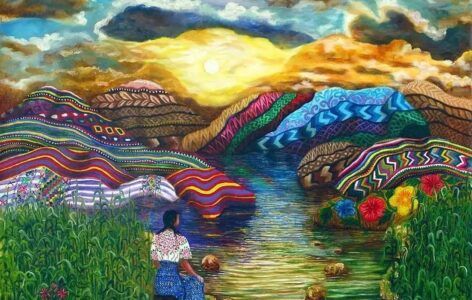
As March continues, the Andean landscape shows not only growth, but also variation. Some plants thrive, others struggle, and environmental conditions shift constantly. In Andean cosmology, these variations do not represent failure. They reveal the conditions through which resilience develops. Life does not grow in perfect stability. It strengthens through its ability to respond to change.
Adaptation
Resilience does not mean resistance to change. It means the capacity to adapt while maintaining continuity.

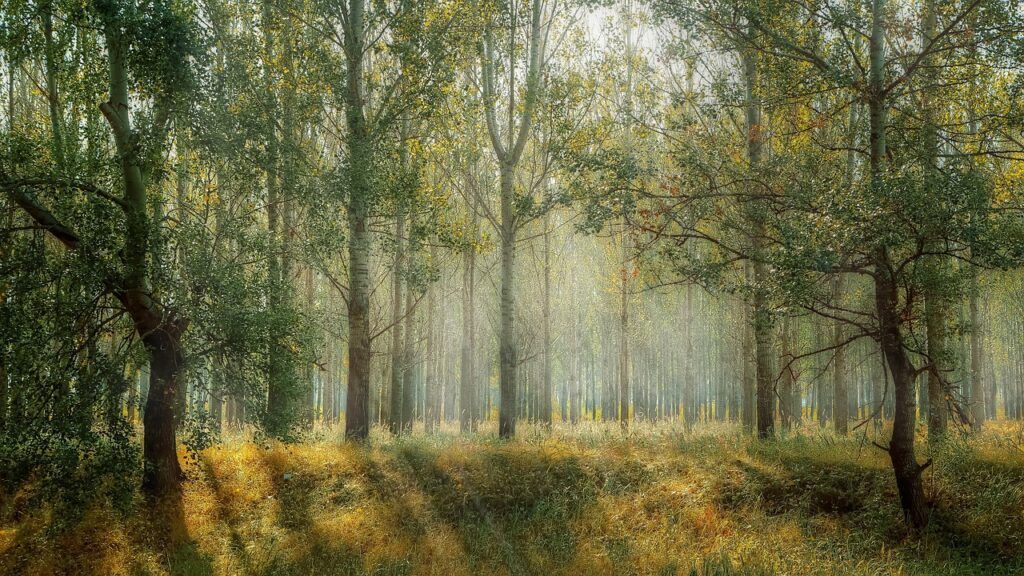
Plants adjust to fluctuations in water and temperature. Roots deepen when conditions become less stable. Leaves shift their orientation in response to light. Through these processes, growth continues.
In this way, resilience emerges as a relational process between life and its environment.
Human experience follows a similar pattern. Change does not interrupt growth; it shapes it.
Learning Through Difficulty
In Andean traditions, moments of difficulty are often understood as opportunities for learning.
When crops face stress, farmers observe carefully to understand what is happening. These observations inform future decisions and strengthen their relationship with the land.
Difficulty becomes a teacher of resilience.
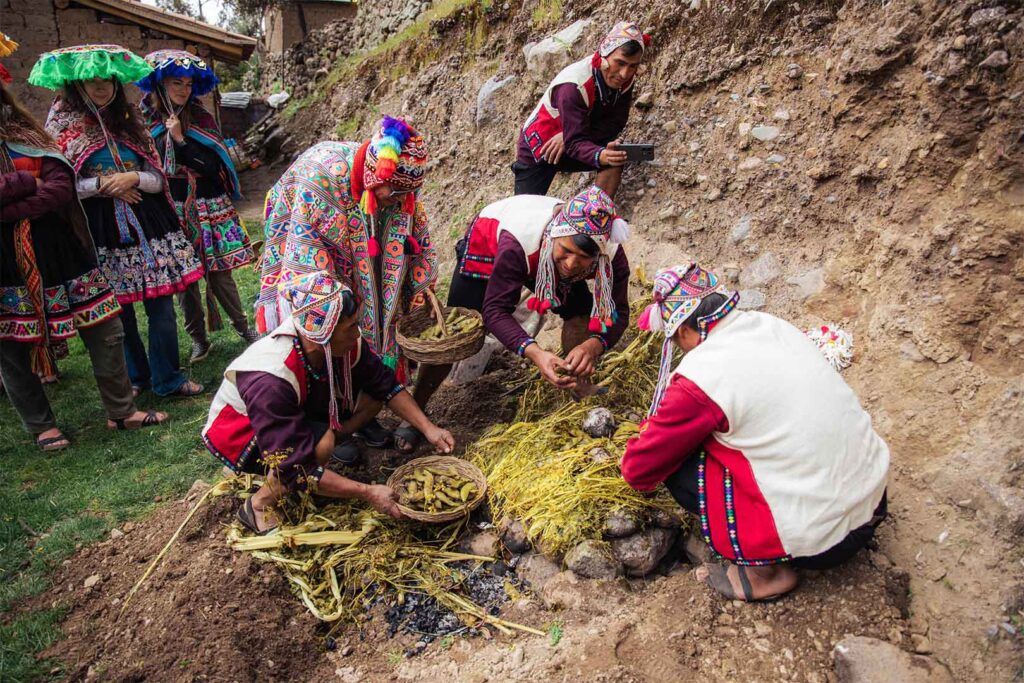
Rather than seeking to eliminate all challenge, Andean practices recognize that certain conditions help life develop strength. Controlled exposure to variation allows plants, and people, to adapt more effectively.
Supporting Resilience Through Care
Although resilience develops through challenge, it still requires support.
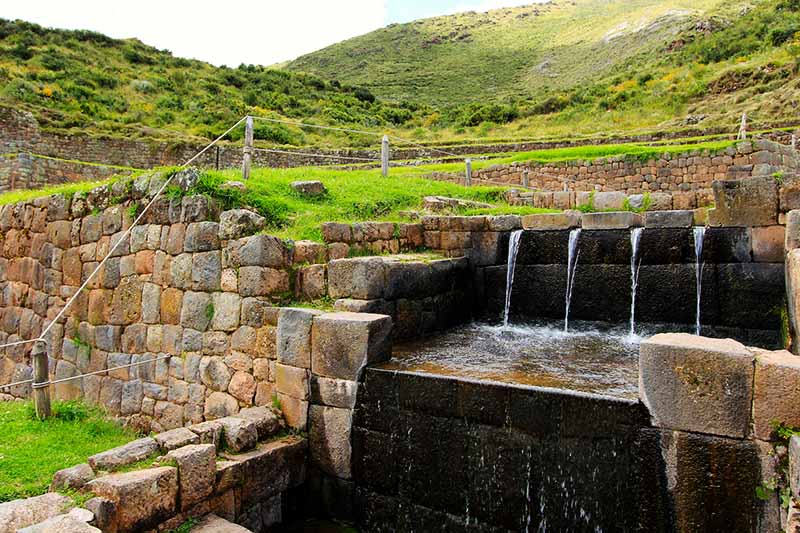
Farmers respond to signs of stress by adjusting conditions where possible, guiding water, protecting soil, or reinforcing vulnerable areas.
These actions help sustain resilience without removing the natural processes that strengthen growth.
Care and resilience work together. One provides support, the other develops strength.
Resilience as Continuity of Life
March teaches that growth is not defined by the absence of difficulty, but by the ability to continue through it.
Resilience allows life to persist, adapt, and remain connected to the relationships that sustain it.

As the season progresses, resilience becomes more visible. What once appeared fragile begins to show signs of strength. Growth stabilizes, not because conditions remain constant, but because life has learned to move within change.
Through resilience, the processes that began in earlier months continue toward maturity.
References
- Allen, C. J. (2002). The hold life has: Coca and cultural identity in an Andean community. Smithsonian Institution Press.
- Gose, P. (1994). Deathly waters and hungry mountains: Agrarian ritual and class formation in an Andean town. University of Toronto Press.
- Isbell, B. J. (1978). To defend ourselves: Ecology and ritual in an Andean village. Waveland Press.
This article draws on both academic literature and oral, lineage-based Andean knowledge. Teachings that originate from living traditions are cited in recognition of their ongoing transmission within Andean communities, while scholarly sources are used to support contextual interpretation.