
As March nears its final phase, the Andean landscape reflects a more established that need integration. What began as emergence has now developed into visible and sustained life. Plants interact more actively with their environment, and the fields begin to show density and variation.
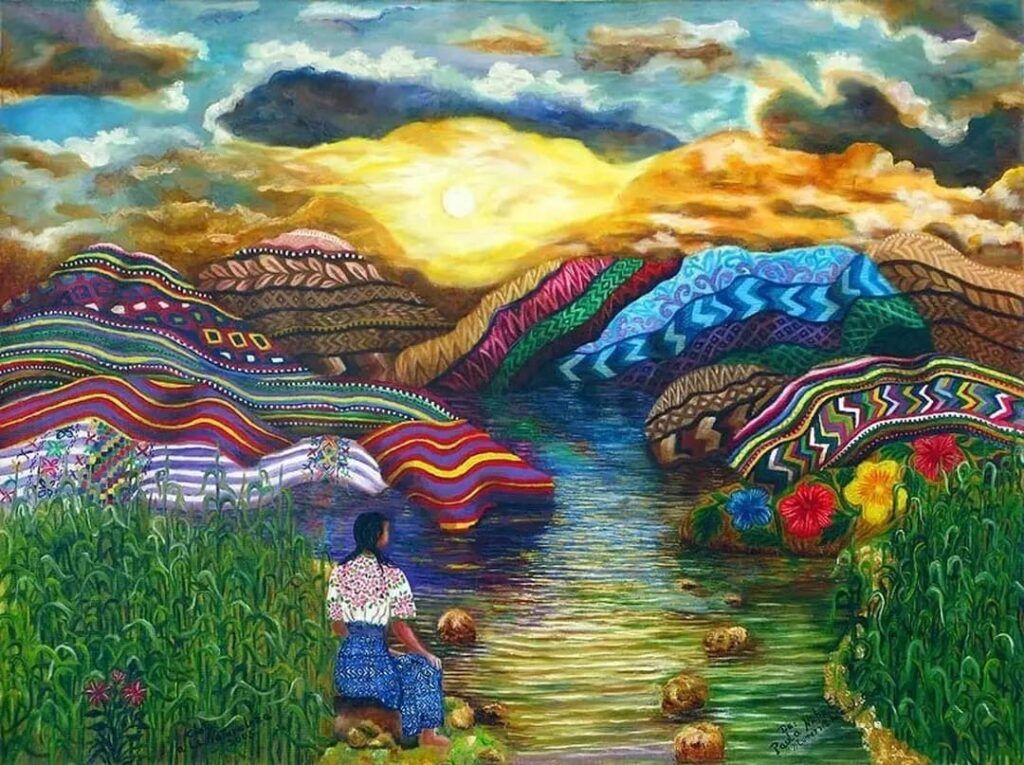
At this stage, growth becomes more complex.
Multiple forces, water, soil, sunlight, and human care, interact simultaneously. These interactions require integration in order to sustain continuity. Without integration, growth may become uneven or unstable.
Integration as Coherence
In Andean cosmology, integration does not mean uniformity. It means coherence among different elements.
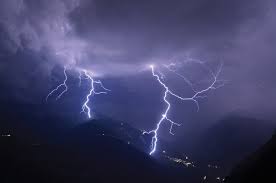
Each force maintains its own role while contributing to a larger process.
Through integration, diversity becomes strength rather than fragmentation.
Plants grow not only through their individual development, but through their relationship with surrounding elements. Roots connect with soil, leaves respond to light, and water moves through the entire system.
Integrating Change and Stability
As the season progresses, both stability and change continue to shape growth. Some conditions remain consistent, while others shift unexpectedly. Integration allows life to incorporate both.
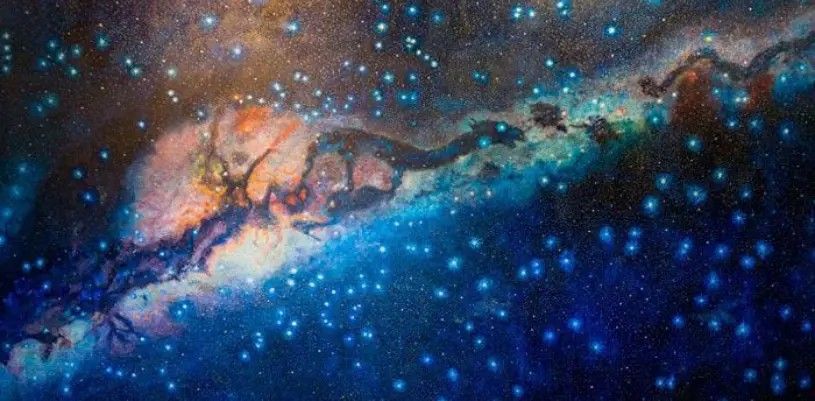
Rather than resisting change, Andean practices emphasize learning how to integrate it.
This ability supports continuity. Growth does not break when conditions shift; it adapts by reorganizing relationships. Integration becomes the process through which life maintains balance while evolving.
Human Participation in Integration
Human beings participate in this process by maintaining awareness of how different elements interact. Farmers observe how water flows, how soil responds, and how plants develop across the fields.

Their actions do not isolate one element from another. Instead, they help maintain the connections that allow the entire system to function. Integration becomes a shared responsibility between people and the land.
Integration as Preparation for Continuity
March teaches that growth must move toward coherence before it can fully mature.

What has emerged, been protected, and strengthened now requires integration.
This process prepares life for the next stages of the seasonal cycle.
Through integration, growth becomes more stable, more connected, and more capable of continuing beyond the present moment.
In this way, the season approaches its transition, not as an end, but as a movement toward deeper continuity.
References
- Allen, C. J. (2002). The hold life has: Coca and cultural identity in an Andean community. Smithsonian Institution Press.
- Urton, G. (1981). At the crossroads of the earth and the sky: An Andean cosmology. University of Texas Press.
- Rengifo Vásquez, G. (2001). La crianza de la chacra en los Andes. PRATEC – Proyecto Andino de Tecnologías Campesinas.
This article draws on both academic literature and oral, lineage-based Andean knowledge. Teachings that originate from living traditions are cited in recognition of their ongoing transmission within Andean communities, while scholarly sources are used to support contextual interpretation.