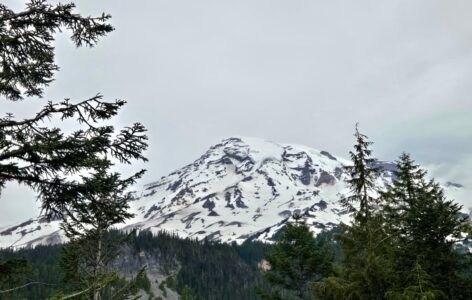
By the final days of July, the stillness of the mid-winter freeze gives way to a dynamic. It howls force across the high-altitude Abas (mountain passes). The sub-zero morning air shifts violently as the heat of the midday sun creates massive thermal currents. It triggers fierce, biting winds that roar through the rocky canyons of Cusco. Within Andean cultural traditions, this wind is not a simple atmospheric weather pattern; it is Wayra, a living, breathing cosmic broom.
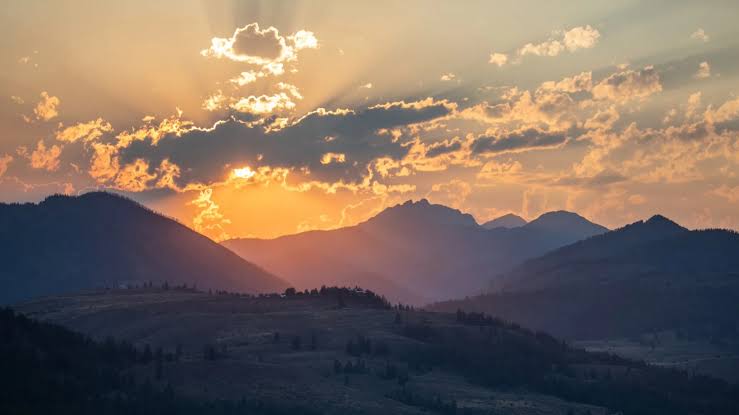
During this transition, the practitioner climbs to the high ridges to intentionally stand in the path of the gale. They use the wind to strip away the final remnants of their outdated personal history.
The Architecture of the Gale
In the high Punas, the late July Warya carry an unyielding, abrasive quality. They sweep across the dry, golden ichu grass, picking up fine dust and carrying the crisp chill of the glaciers down into the valleys.
This atmospheric scouring mirrors the vital transpersonal practice of Chuyanchakuy, the radical purification of the psychological self. Human consciousness naturally clings to old identities, worn-out stories, and the comforting weight of past traumas (Hucha).
When you stand on a high mountain pass in late July, Andean cultural traditions invite you to untie your hair, open your coat, and face the gale directly.
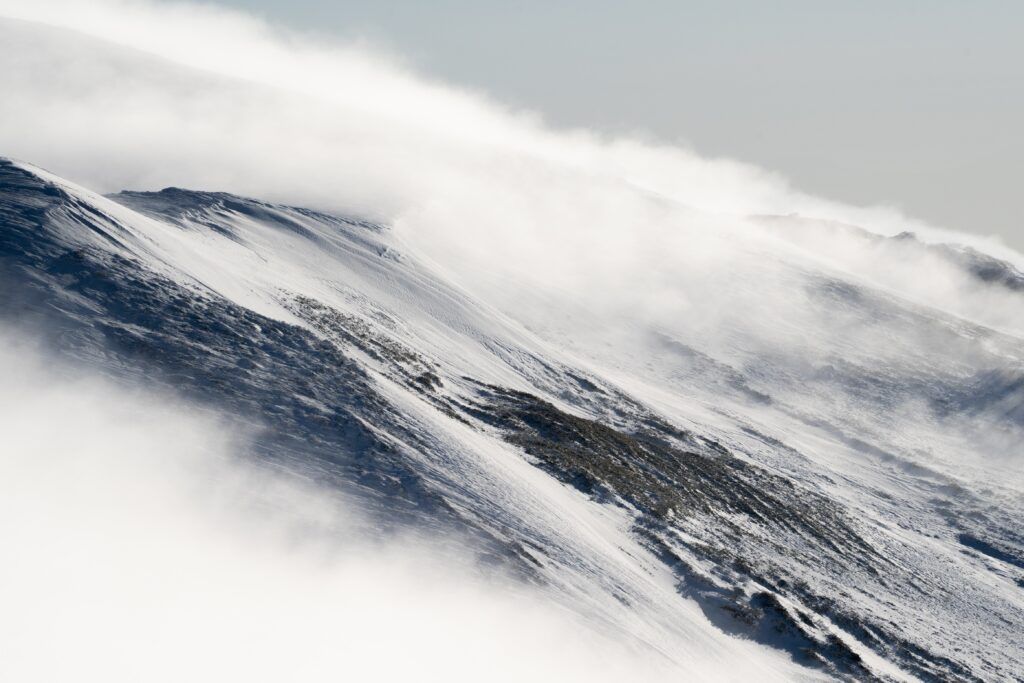
As the freezing air slams into your body, you perform a somatic release:
you command the wind to rip away your heavy psychological armor.
The velocity of Wayra shears through your mental chatter, forcing your awareness into the absolute present moment and scattering your accumulated emotional debris across the mountain peaks. You leave your energetic field completely clean, light, and streamlined.
The Ritual of Phukuy for Wayra
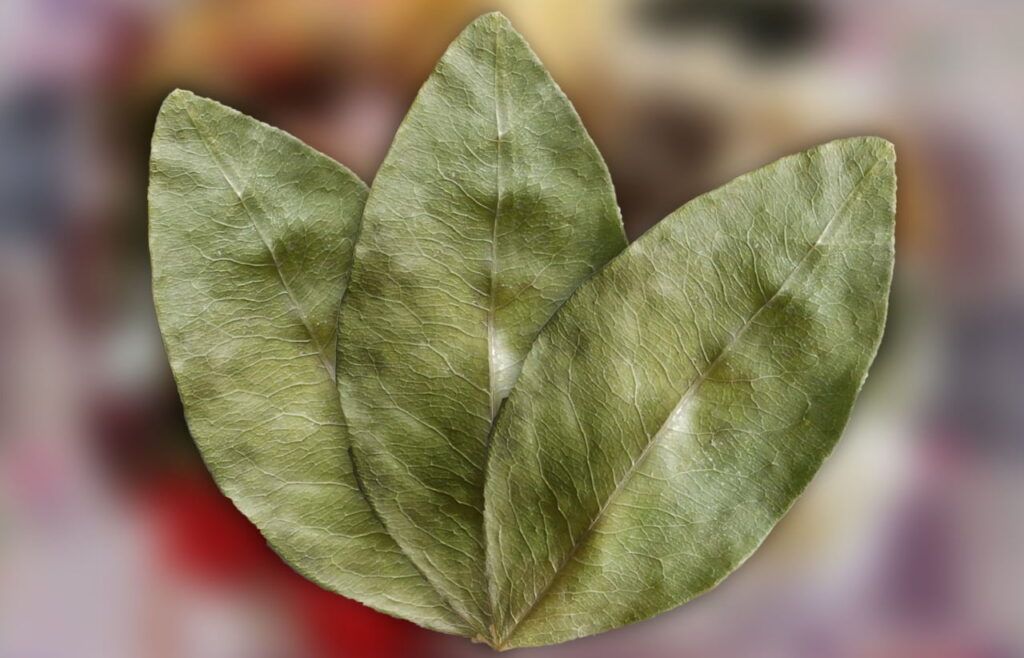
This aerial cleansing culminates in the precise practice of Phukuy, the intentional blowing of prayers into the wind.
Holding three sacred coca leaves (K’intu) up to the mountain horizon, the practitioner concentrates their refined essence (Sami) and blows through the leaves directly into the teeth of the gale.
This simple, powerful gesture reverses your relationship with the environment. You stop passively enduring the harsh winter elements and instead actively engage the wind as a fast-moving spiritual courier.
Wayra instantly catches your breath, carrying your gratitude, your longings, and your commitments straight into the jagged heart of the Apus. It ensures that your individual intent merges with the vast, collective metabolism of the earth.

“The wind does not blow against you; it blows to see what is loose. Let it rip away your dead leaves so your branches can dance in the coming spring.”
The Codes of Wayra
- Wayra: The wind, the breath, or the aerial intelligence that moves energy, carries prayers, and purifies the landscape.
- Chuyanchakuy: The active, intentional process of clearing, purifying, and making your energetic field completely transparent.
- Phukuy: The sacred act of blowing your life force, intent, and breath through coca leaves or power objects to transmit your prayers to nature.
The High Altars of the Wind
- The Mountain Pass of Abra Málaga: This high-altitude pass cuts through the rugged peaks between the Sacred Valley and the cloud forest.
- The Wind Ridges of Senqa: Towering directly over the northern entrance of the Cusco valley, the sharp crests of this mountain channel the freezing drafts rising from the deep canyons below.
References
- Nash, J. (1979). We Eat the Mines and the Mines Eat Us: Dependency and Exploitation in Bolivian Tin Mining Communities.
- Tschopik, H. (1946). The Aymara of Chucuito, Peru: Magic. American Museum of Natural History.
This article draws on both academic literature and oral, lineage-based Andean knowledge. Teachings that originate from living traditions are cited in recognition of their ongoing transmission within Andean communities, while scholarly sources are used to support contextual interpretation