
In the Andean world, not all sacred spaces are built with stone, earth, or offerings like regular Altars. Some of the most powerful shrines are invisible, woven out of intention, presence, and living energy.
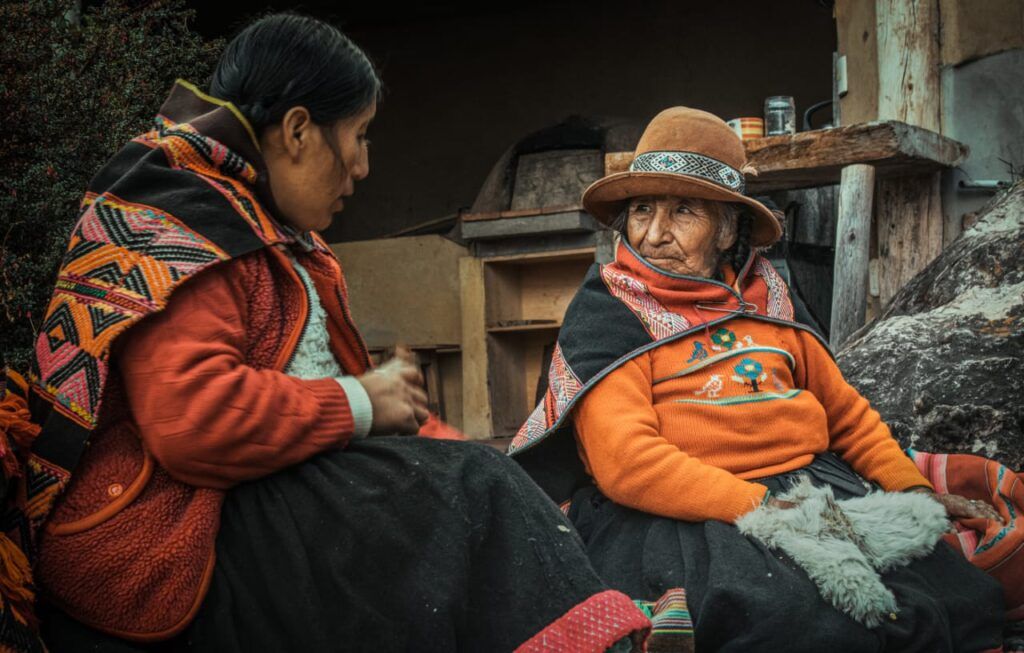
These altars, known as inner mesas or energetic temples, are constructed not with physical objects but with sami, memory, and consciousness.
In many Indigenous teachings, the greatest power is subtle. Andean paqos often say:
“The altar outside is a mirror of the altar within.”
When the inner altar is awakened, everything you touch becomes sacred.
What Is an Invisible Altar?
An invisible altar is a non-physical energetic structure built through:
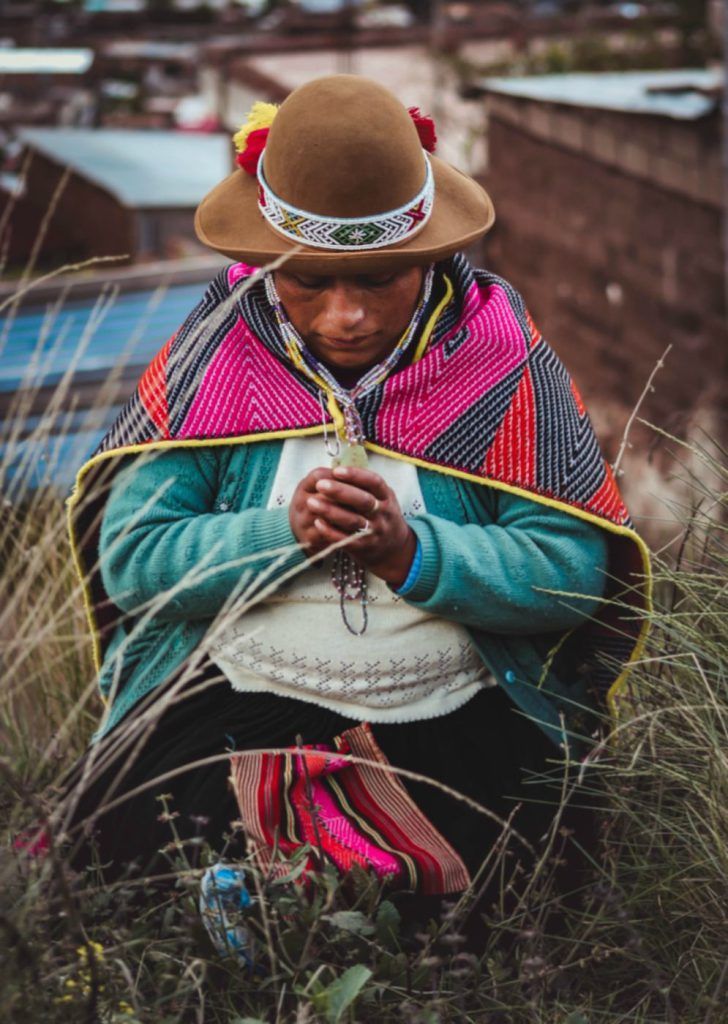
- Intention
- Focus
- Breath
- Memory
- Emotional clarity
- Relationship with Pachamama and the Apus
It is a living field of kawsay, a space where your energy organizes itself in harmony with the cosmos.
Anthropologist Catherine Allen (2002) describes Andean rituals as “relational technologies,” meaning the power lies not in objects but in relationships. This is the essence of invisible altars: a place of relationship, not display.
Why Invisible Altars Matter in Andean Spirituality
Physical altars can be stolen, damaged, or forgotten.
Energetic altars cannot, they exist in Hanan Pacha, Kay Pacha, and Uku Pacha simultaneously.
Invisible altars allow you to:
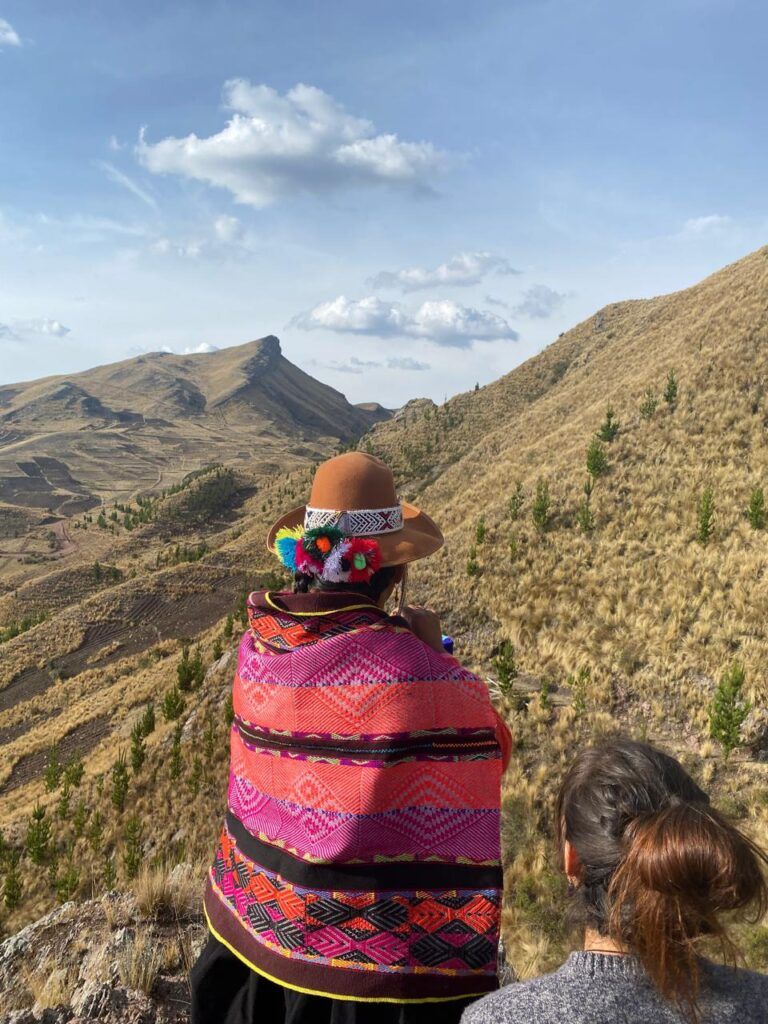
As Inge Bolin (1998) writes, Andean spirituality is “portable” carried in gestures, breath, and awareness. The invisible altar is the purest example of this portability.
How Invisible Altars Are Formed
Invisible altars emerge naturally when three energies meet:
1. Presence (Kawsay Ayni)
The willingness to be fully here, even for 30 seconds.
2. Intention (Munay)
A clear emotional posture, gratitude, love, or openness.
3. Alignment (Llankay + Yachay)
A coherent mind and body, moving in the same direction.
Even beginners can create one by breathing deeply and saying silently:
“Pachamama, I open this space with love.”
In the Andean view, intention is a form of architecture.
Practices for Building an Invisible Altar
1. The Heart Altar (Sonqo Misa)
Place your awareness in the center of your chest.
Inhale slowly.
Visualize a small glow of sami expanding like a flower.
This becomes a portable altar of coherence.
2. The Walking Altar
With each step say internally:
“I walk in ayni.”
Your footsteps become offerings.

3. The Breath Altar
Each inhale draws energy from the Apus.
Each exhale gives gratitude back.
Over time, this creates a vertical axis altar connecting you to Hanan Pacha above and Pachamama below.

4. The Dream Altar (Muskay Wasi)
Before sleep, declare:
“Tonight, I build a shrine for clarity.”
The subconscious completes the architecture.
Why Invisible Altars Are the Future of Andean Practice
As the world accelerates, many people find it hard to maintain physical ritual spaces. Invisible altars restore the ancient truth:
Sacredness lives inside your awareness, not on your table.
They allow modern practitioners to embody Andean spirituality with authenticity, mobility, and depth, without depending on external conditions.

Healers often create invisible altars before sessions.
A simple breath with intention can shift an entire room.
According to Óscar Fernández (2018), many Andean rituals include moments of profound stillness because silence is itself an altar, a container where energy reorganizes.
This is the heart of universal Andean healing.
References
- Allen, C. (2002). The Hold Life Has: Coca and Cultural Identity in an Andean Community.
- Bolin, I. (1998). Rituals of Respect: The Secret of Survival in the High Peruvian Andes.
- Fernández, Ó. (2018). Silencio Ritual en los Andes.
- Sherbondy, L. (1992). “Water and Power in the Andean World.”
- Oral wisdom from Q’ero Paqos, Inca Medicine School.