logo im

Mamakilla: The Feminine Presence in the Sky

Posted on

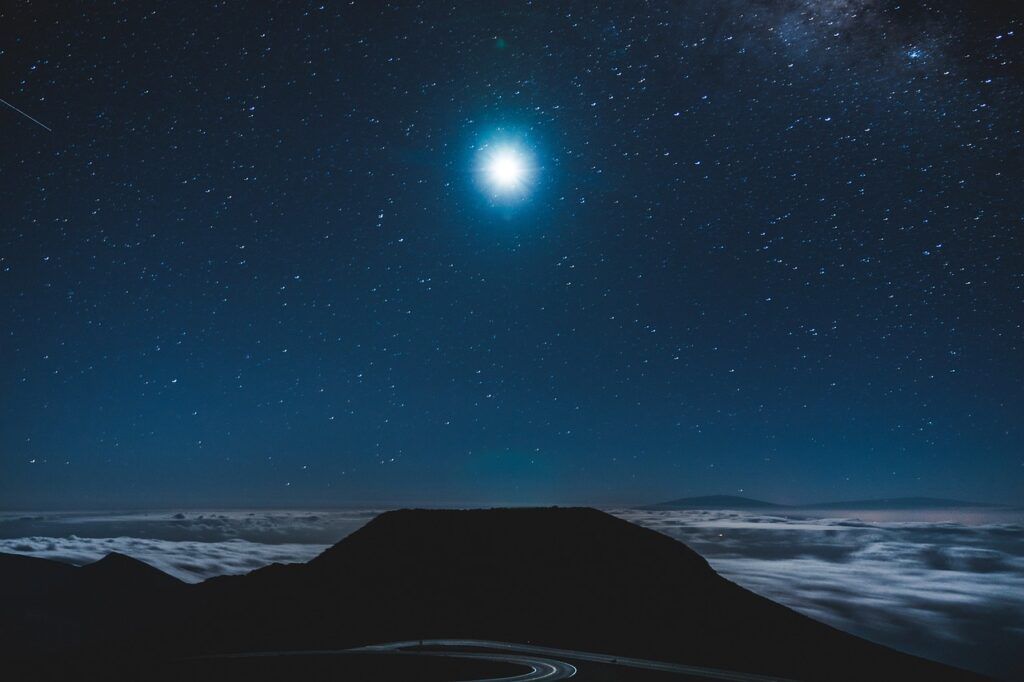
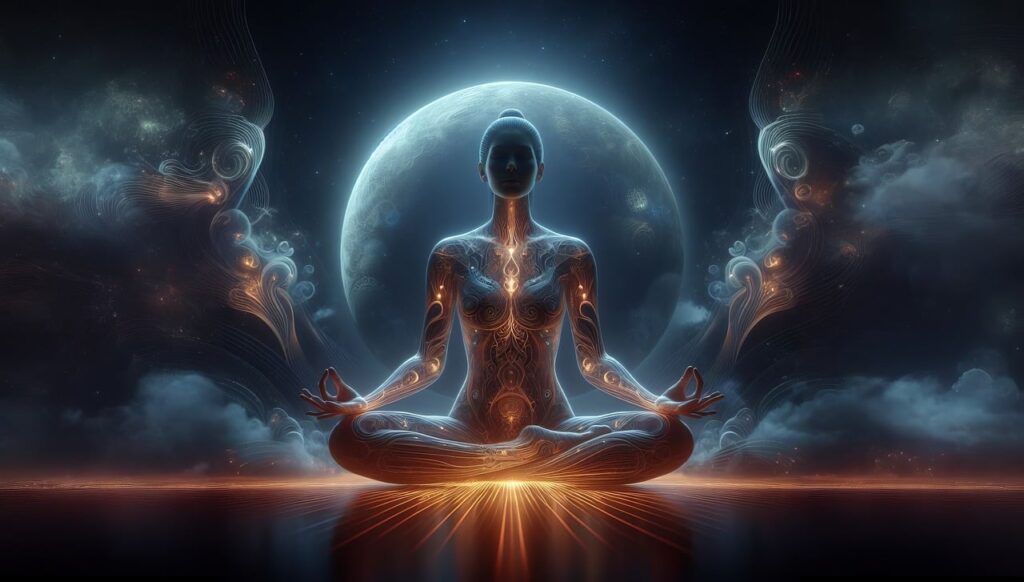
In Andean cosmology, Mamakilla, or “Mother Moon,” is one of the most revered deities. She is not only the consort of Inti (the Sun) but also the luminous guardian of women, fertility, water, and cycles of life. In the Andes, people revere the moon as a living presence, a goddess whose power weaves deeply into medicine, ritual, and the sacred feminine, unlike in Western traditions that reduce her to a celestial body.

For women, Mamakilla has always been understood as a spiritual ally. Her changing light reminds us that life itself is cyclical—birth, growth, death, and renewal. This cyclical vision of existence forms the backbone of Andean medicine.


Mamakilla and Women’s Cycles

Traditional Andean communities honored a woman’s menstrual cycle as sacred and aligned it with the rhythms of Mamakilla. They regarded blood not with shame but as a powerful offering to Pachamama (Mother Earth), carrying both life and fertility. They encouraged women to rest, reflect, and connect with the moon during menstruation, recognizing it as a time when their bodies entered their deepest dialogue with the cosmos.

Midwives and healers recognized that irregular cycles, infertility, or painful menstruation could be treated not only with herbs but also with rituals of lunar alignment. Women would pray, bathe in springs blessed by the moonlight, and wear silver ornaments—metal associated with Mamakilla—to invite balance back into their bodies.

Moonlight as Medicine

The Andean worldview acknowledges that light itself carries healing power. Just as Inti’s rays are a source of strength, Mamakilla’s soft light was believed to soothe, cool, and restore balance.

  • Healers encouraged women with insomnia or emotional heaviness to spend time under the moon, allowing her gentle presence to calm the mind and heart.
  • Pregnant women, in particular, sought her protection, invoking Mamakilla to guard their wombs and guide their births.

In some regions of Peru and Bolivia, women still sing to the moon during pregnancy, asking her to “pull” the baby into the world safely, reflecting the intimate bond between lunar energy and childbirth.

Ceremonies for Women under Mamakilla

Ceremonies dedicated to Mamakilla were often conducted at night, on open plains, or near sacred lakes where her reflection danced on the waters. These rituals were especially meaningful for women, who gathered to:

  • Seek fertility through offerings of coca leaves, maize, and silver.
  • Heal reproductive ailments, asking Mamakilla to illuminate and cleanse the womb.
  • Mark transitions, such as a girl’s first menstruation, a marriage, or the healing after a miscarriage or loss.

By honoring the moon, women reaffirmed their sacred role as guardians of life, mirroring the moon’s constant renewal.

Mamakilla and Water: Womb of Healing

Water and the moon are inseparable in Andean medicine.

Just as the moon influences tides, it was believed to affect the inner waters of women’s bodies. Midwives noticed the moon’s subtle pull on fertility, and ceremonies often combined lunar invocations with water rituals. Bathing in rivers or lakes under moonlight was thought to purify the womb, wash away grief, and restore the flow of energy.

Silver: The Metal of the Moon

Silver, known as the “metal of Mamakilla,” was worn especially by women as protection.

Earrings, pendants, and diadems carried not just beauty but also healing symbolism. Andean people believed silver absorbed the cool, feminine energy of the moon and protected the wearer from illness, infertility, and emotional imbalance. Even today, Andean silversmiths dedicate their work to Mamakilla, honoring her through sacred designs.

The Feminine Medicine of Mamakilla

Through her, women in the Andes have always found a mirror of their own strength, resilience, and capacity for renewal. Mamakilla teaches us to honor the feminine body as sacred, carrying wisdom and cycles that we must respect rather than suppress.

In a world that often ignores or devalues women’s rhythms, women reclaim ancient medicine when they return to Mamakilla’s teachings: they listen to their bodies, embrace their cycles, and recognize healing as cyclical, luminous, and deeply feminine.


References

  • Bastien, J. W. (1985). Mountain of the Condor: Metaphor and Ritual in an Andean Ayllu. Waveland Press.
  • Gose, P. (1994). Deathly Waters and Hungry Mountains: Agrarian Ritual and Class Formation in an Andean Town. University of Toronto Press.
  • Morphy, H., & Tilley, C. (2006). Sacred Landscapes and Cultural Politics. Berg.
  • Van den Berg, H. (1989). La organización social y el simbolismo ritual de los pastores andinos. Cuzco: Centro Bartolomé de las Casas.

The Qhapaq Ñan: Pilgrimage as a Path of Healing

Posted on

The Qhapaq Ñan, or the “Great Inca Road,” was more than a sophisticated network of stone-paved paths stretching across 30,000 kilometers of the Andes. For the Inca and their descendants, it remains a sacred artery connecting people, mountains, rivers, and the cosmos. To walk the Qhapaq Ñan was not merely an act of travel; it was a pilgrimage of healing, a path where the physical journey mirrored the inner journey of the soul.


The Sacred Spine of the Andes

The Qhapaq Ñan linked the four suyu (regions) of Tawantinsuyu: Chinchaysuyu, Antisuyu, Qollasuyu, and Kuntisuyu, converging in Cusco, the navel of the Inca world. Every route along this road connected not only communities but also huacas (sacred sites), apus (mountain spirits), and pachamama (the living earth). Walking it meant entering a dialogue with the land, honoring its power while receiving its medicine.

Pilgrims traveling the road often stopped at shrines, springs, and mountain passes, leaving offerings of coca leaves, chicha, or chicha morada. These acts symbolized reciprocity (ayni)—giving before receiving.


Pilgrimage as Healing Ritual

For the Andean people, healing was never separate from the journey. The physical challenge of altitude, weather, and terrain was a metaphor for inner obstacles: grief, illness, fear, or imbalance. Walking the Qhapaq Ñan demanded surrender, humility, and trust in Pachamama.

  • Physical Healing: The body adapted to high altitudes, cleansing through sweat, breath, and endurance.
  • Emotional Healing: The solitude of the road allowed pilgrims to release sorrow, supported by the vast silence of the Andes.
  • Spiritual Healing: The encounter with sacred mountains (apus) offered blessings, guidance, and a sense of belonging to the cosmos.

Key Pilgrimage Routes of Qhapaq Ñan

1. Cusco to Qollasuyu: The Path of the Apus

This route led southward into the altiplano, traversing lands of powerful apus such as Ausangate. Pilgrims believed the snow-capped mountain carried the power to cleanse hucha (dense energy) and replace it with sami (refined, light energy). Pilgrimage here was a ritual of purification.

2. Cusco to Antisuyu: The Path of the Jungle

Leading into the lush Amazon basin, this road connected highland and lowland medicine traditions. Here, Andean healers exchanged knowledge with Amazonian shamans, bringing together mountain herbs and jungle plants, embodying the union of worlds.

3. The Qoyllur Rit’i Pilgrimage

Still practiced today, this pilgrimage honors El Señor de Qoyllur Rit’i, blending Catholic and Andean cosmologies. Thousands ascend to the Sinakara Glacier to dance, pray, and renew their connection with the apus. The ritual of climbing ice-covered peaks symbolizes the death of the old self and rebirth into new life.


The Symbolism of Walking

The act of walking the Qhapaq Ñan itself carried profound meaning:

  • Each step was an offering to Pachamama.
  • Breath aligned the pilgrim with the rhythm of the cosmos.
  • Fatigue reminded the walker of humility and dependence on the land.
  • Arrival at shrines signified transformation—no pilgrim returned as the same person who began the journey.

Walking was considered an embodied prayer, where the body became the temple and the road became the altar.


The Qhapaq Ñan Today: A Living Medicine

Though centuries have passed since the Inca Empire, the Qhapaq Ñan remains alive. Many Andean communities still walk these paths to honor their ancestors, perform rituals, and maintain connection with Pachamama. For modern seekers, retracing these routes can awaken deep memories of interconnectedness and healing.

Pilgrimage along the Qhapaq Ñan offers a profound reminder: healing is not only found in destinations, but in the sacred act of walking with intention.

The Qhapaq Ñan was never simply a road

It was a path of initiation.


Bibliography

  • Bauer, B. S. (1998). The Sacred Landscape of the Inca: The Cusco Ceque System. University of Texas Press.
  • D’Altroy, T. (2014). The Incas. Wiley-Blackwell.
  • Hyslop, J. (1984). The Inka Road System. Academic Press.
  • Reinhard, J. (1985). Sacred Mountains: An Ethno-archaeological Study of High Andean Ruins. Mountain Research and Development, 5(4), 299–317.
  • Sherbondy, J. (1992). Water and Power: The Role of Irrigation Districts in the Transition from Inca to Spanish Cuzco. Society for American Archaeology.
  • Allen, C. J. (2002). The Hold Life Has: Coca and Cultural Identity in an Andean Community. Smithsonian Institution Press.

Pachamama’s Herbs: Andean Plants for Healing and Ceremony

Posted on

In the Andean worldview, Pachamama (Mother Earth) is not just soil and landscape—she is a living being, a cosmic womb, and the source of all Andean Plants.

Among her most sacred gifts are herbs and medicinal plants, which serve not only to restore the body but also to cleanse the spirit, align energy, and connect human beings with the sacred forces of the cosmos. For the Andean healer, herbs are not inert substances; they are beings of sami (refined energy), channels of ayni (reciprocity), and messengers of Pachamama’s wisdom.


The Spiritual Role of Andean Plants

  • Energetic Cleansing (Limpias): Herbs are used to remove hucha (dense, heavy energy) from the body and replace it with sami.
  • Offerings to Pachamama: Fresh or dried plants are often included in despachos (offerings), carrying prayers of gratitude.
  • Sacred Reciprocity: Before harvesting, the healer performs a small ritual—blowing coca leaves, sprinkling chicha (fermented corn drink), or offering words—to ask permission from Pachamama.
  • Bridge Between Worlds: Plants are seen as intermediaries, carrying the voice of humans to the apus (mountain spirits), Mama Killa (Moon), and Inti (Sun).

Key Andean Plants for Healing and Ceremony

1. Coca (Erythroxylum coca) – The Sacred Andean Plants

  • Healing Uses: Coca is chewed or brewed as a tea (mate de coca) to relieve altitude sickness, digestive discomfort, and fatigue.
  • Ceremonial Role: Known as the “messenger leaf”, coca is central to ritual. Healers read coca leaves in divination, offer them to Pachamama, and use them in energy transmissions (k’intus).
  • Spiritual Meaning: Coca embodies ayni—the reciprocal exchange between humans and the Earth.

2. Muña (Minthostachys mollis) – Andean Mint

  • Healing Uses: Relieves stomach pain, nausea, colds, and altitude sickness. It is also an excellent natural insect repellent.
  • Ceremonial Role: Burned as incense in purification rituals and included in healing baths to cleanse the aura.
  • Preparation: Taken as a tea or infused in alcohol for external use.
  • Symbolism: Represents clarity of thought and the renewal of breath.

3. Chachacoma (Senecio nutans) – The Altitude Protector

  • Healing Uses: Traditionally used for high-altitude sickness (soroche), respiratory issues, and circulation.
  • Ritual Use: Taken before pilgrimages to high sacred sites to strengthen the body and spirit.
  • Cosmological Role: Seen as a plant that helps humans walk between worlds—bridging the earthly (Kay Pacha) and the higher realms (Hanan Pacha).

4. Wira Wira (Gnaphalium dombeyanum) – The Guardian of the Lungs

  • Healing Uses: Known for treating bronchitis, asthma, coughs, and respiratory infections.
  • Ceremonial Use: Used in steams or smudging to cleanse spaces before ceremony.
  • Symbolism: Embodies the wind element, carrying prayers upward to the mountains and sky beings.

5. San Pedro (Echinopsis pachanoi) – The Cactus of Vision

  • Healing Uses: Considered a master plant, San Pedro opens the heart, treats depression, and harmonizes mind, body, and spirit.
  • Ceremonial Role: Central in shamanic rituals, it allows the healer to enter visionary states to diagnose illness and restore balance.
  • Cosmology: Associated with Wiracocha, the creator deity, and the path of light.

6. Ruda (Ruta graveolens) – The Protector Herb

Ruda Plant
  • Healing Uses: Used for digestive issues, menstrual problems, and as a tonic for circulation.
  • Ceremonial Use: Known as a spiritual protector, often planted at doorways or carried as an amulet against envy and negative energies.
  • Preparation: Used in baths, smudges, or as a tincture.
  • Symbolism: A fierce guardian of boundaries and spiritual sovereignty.

7. Molle (Schinus molle) – The Tree of Purification

  • Healing Uses: Its resin is antimicrobial, and its leaves treat wounds, fevers, and inflammation.
  • Ceremonial Use: Burned like incense to purify ritual spaces, much like sage in North America.
  • Symbolism: Seen as a fire-tree, a plant of transformation and release.

8. Achiote (Bixa orellana) – The Red Medicine

  • Healing Uses: Seeds used for skin conditions, digestion, and as a natural dye.
  • Ceremonial Use: Its red pigment is painted on the body during rituals, symbolizing vitality and protection.
  • Spiritual Role: Represents blood as life force and connection to Pachamama’s womb.

9. Eucalyptus (Eucalyptus globulus) – The Breath of the Andes

  • Physical use: Used for respiratory conditions and steam inhalations.
  • Ceremonial use: Leaves burned to clear spaces of stagnant energies, often part of despachos (offerings).
  • Symbolism: A plant of expansion and renewal, aligning breath with spirit.

Ritual Applications of Andean Plants

  • Despachos: Bundles of coca, muña, flowers, sugar, and other items offered to Pachamama.
  • Healing Baths (Baños de Florecimiento): Infusions of herbs like muña, ruda, and wira wira used to cleanse and invite prosperity.
  • Smudging (Sahumerio): Burning molle, eucalyptus, or ruda to purify homes and temples.
  • Pilgrimage Medicine: Herbs carried as allies during treks to sacred mountains (apus) and lagoons.

To walk with Andean herbs is to walk in relationship with Pachamama herself. Each plant carries not only medicinal compounds but also living energy that teaches, protects, and guides. In the Andean tradition, true healing comes not only from ingesting a plant but from listening to its spirit—honoring the ayni that binds humans, plants, and the cosmos.


Bibliography

  • Allen, C. J. (2002). The Hold Life Has: Coca and Cultural Identity in an Andean Community. Smithsonian Institution Press.
  • Bastien, J. W. (1987). Healers of the Andes: Kallawaya Herbalists and Their Medicinal Plants. University of Utah Press.
  • Beyer, S. V. (2009). Singing to the Plants: A Guide to Mestizo Shamanism in the Upper Amazon. University of New Mexico Press.
  • Cáceres, A. (1996). Plantas Medicinales de Uso Popular en Guatemala. Editorial Universitaria.
  • Classen, C. (1993). Inca Cosmology and the Human Body. Salt Lake City: University of Utah Press.
  • Estrella, E. (1995). Las Plantas Medicinales Andinas: Uso y Propiedades. Editorial Abya-Yala.
  • Polia, M. (1996). Las Lagunas de los Encantos: Medicina Tradicional Andina. Fondo Editorial PUCP.

Equinox and Solstice: Balance and Renewal in Andean Medicine

Posted on

In the Andean highlands, time does not simply pass—it breathes. The rhythm of life follows the cosmic balance of the Sun, Moon, and stars, marked by powerful turning points: the solstices (Inti Raymi and Qhapaq Raymi) and equinoxes (Pawqar Raymi and Killa Raymi).

These are not abstract dates; they are living gateways through which the Andean world aligns with the energies of the cosmos. In Andean medicine, these celestial moments are opportunities for cleansing, renewal, and rebalancing the body and spirit.


The Andean Calendar vs. the Western Calendar

Unlike the Western calendar, which divides the year into months with little connection to nature’s cycles, the Andean calendar (pacha unay) is rooted in agricultural and cosmic events. It aligns human activity with the movements of the Sun and the energies of the land.

  • Solstices mark extremes: the longest day or night, representing times of culmination and renewal.
  • Equinoxes mark balance: equal day and night, representing harmony and preparation for change.

The Four Festivals and Their Balance Significance

  • Inti Raymi (June Solstice)
    • Celebrates the rebirth of the Sun during the Andean winter.
    • Healing focus: Receiving new energy and nourishing the spirit after the longest night.
    • Rituals: Despachos to honor Inti, ceremonial fires to awaken vitality.
Inti Raymi in Plaza de Armas – Cusco
  • Pawqar Raymi (September Equinox)
    • Festival of Flowers, honoring spring in the Andes.
    • Healing focus: Planting intentions for the new cycle, renewing commitments to ayni (reciprocity).
    • Rituals: Flower offerings to Pachamama, personal cleansing in rivers or springs.
  • Qhapaq Raymi (December Solstice)
    • Time of great light, marking the summer in the Southern Hemisphere.
    • Healing focus: Illumination and clarity, releasing what no longer serves.
    • Rituals: Sun meditation, coca leaf divination to receive guidance.
  • Killa Raymi (March Equinox)
    • Moon Festival, honoring the feminine principle.
    • Healing focus: Balancing inner energies, nurturing emotional well-being.
    • Rituals: Moonlight vigils, offerings of silver-colored items or seeds.

Cosmic Balance Medicine: Why These Dates Matter

Andean healers (paqos) see solstices and equinoxes as times when cosmic doors open, allowing energy to flow more freely between the three worlds (Hanan Pacha, Kay Pacha, Uku Pacha). The energy of these days acts like a natural amplifier, making rituals, intentions, and healings especially potent.

As anthropologist Inge Bolin writes, “The people of the Andes live not in a landscape, but in a sacredscape—one shaped by cosmic rhythms” (Bolin, 2006, p. 78).

Practicing Balance the Andean Calendar Abroad

Even outside the Andes, you can align with these cosmic gateways:

  1. Mark the dates of solstices and equinoxes in your local time zone.
  2. Connect with nature—find a place where you can see the sunrise or sunset.
  3. Create a simple offering—flowers, seeds, or three harmonious leaves (as a symbolic k’intu).
  4. Meditate or breathe consciously during sunrise or sunset, focusing on your intention for the season.

The essence is to synchronize your personal cycle with the larger cosmic rhythm, just as Andean communities have done for centuries.


References

  • Bolin, I. (2006). Rituals of Respect: The Secret of Survival in the High Peruvian Andes. University of Texas Press.
  • Zuidema, R. T. (1982). Inca Observations of the Solar and Lunar Passages. In A. F. Aveni & G. Urton (Eds.), Ethnoastronomy and Archaeoastronomy in the American Tropics. New York Academy of Sciences.
  • Allen, C. J. (2002). The Hold Life Has: Coca and Cultural Identity in an Andean Community. Smithsonian Institution Press.

Saqsayhuaman: Fortress, Temple, and Energy Field

Posted on

High above the city of Cusco, massive zigzagging walls of perfectly fitted stone rise into the sky. Tourists call it a fortress. Historians debate whether it was a temple. The Paqos (Andean healers) simply call it a place of power. Saqsayhuaman is all of these things—and more. For those attuned to the Andean worldview, it is a living energy field, a place where human intention and the heartbeat of the earth meet.

Saqsaywaman

Historical and Cultural Context of Saqsayhuaman

Constructed in the 15th century under the Inca rulers Pachacuti and his successors, Saqsayhuaman (from the Quechua saqsay = “to be satisfied” and waman = “hawk”) was part of the larger ceremonial complex of Cusco, designed in the shape of a puma—Cusco’s guardian animal. The zigzagging walls represent the teeth of this celestial creature.

Chronicler Pedro Cieza de León described Saqsayhuaman as “the most magnificent structure that the Incas ever built” (Cieza de León, 1553). Archaeological evidence suggests it served multiple purposes:

  • Defensive stronghold against invasions.
  • Ceremonial temple for solstice rituals and offerings to the sun.
  • Cosmic observatory aligned with sacred mountain peaks (Apus).

The Energy of Saqsayhuaman

In the Andean spiritual tradition, Saqsayhuaman is not simply inert stone—it is living architecture. The megalithic blocks, some weighing over 100 tons, were placed with such precision that not even a blade of grass can fit between them.

Local paqos believe the site functions as a qocha energetica (energy reservoir), where ley lines from surrounding mountains converge. Visitors often report sensations of warmth, tingling, or a subtle pulse beneath their feet, especially when standing on specific platforms or between certain stones.

Rituals and Practices

During Inti Raymi (Festival of the Sun), Saqsayhuaman becomes the stage for reenacting Inca solstice rituals, honoring Inti (the Sun) and Pachamama (Mother Earth). In more private ceremonies, healers use the site for:

  • Cleansing rituals: using k’intus (three coca leaves) to absorb and release hucha (dense energy).
  • Energy alignment: standing between aligned stones to balance masculine (Inti) and feminine (Killa, the Moon) energies.
  • Offerings to the Apus: placing despachos in crevices as acts of ayni (reciprocity).

Anthropologist Juan Ossio describes Saqsayhuaman as a “cosmic switchboard” that connects people to both celestial and terrestrial forces (Ossio, 2014).

Modern Practice Beyond the Andes

While nothing can replace physically visiting Saqsayhuaman, those abroad can adapt its teachings:

  1. Identify a natural power spot in your local environment—hilltops, old trees, stone formations.
  2. Face the four cardinal directions in silence, feeling the energy in your body.
  3. Offer gratitude—a symbolic k’intu, a prayer, or a handful of local herbs.
  4. Visualize the zigzag walls and imagine their grounding energy flowing into your being.

The essence of Saqsayhuaman’s power lies in conscious presence in a sacred space—something possible anywhere if approached with respect.


References

  • Cieza de León, P. (1553). Crónica del Perú. Seville.
  • Ossio, J. (2014). Cosmovisión Andina: Pasado y Presente. Fondo Editorial del Congreso del Perú.
  • Protzen, J.-P. (1993). Inca Architecture and Construction at Ollantaytambo. Oxford University Press.

Kintu: The Three Sacred Coca Leaves

Posted on

In the high Andes, where the air is thin and the mountains hold stories older than memory, a small bundle of three coca leaves (Kintu) carries a significance far beyond its size. This bundle, called a kintu, is one of the most recognizable and powerful offerings in the living tradition of Andean medicine. To the uninitiated, it may appear as just a handful of leaves. To those who walk the path of the paqos (Andean healers), it is a sacred key—a bridge between worlds, a prayer made tangible, and a vessel for gratitude.


Historical and Cultural Context of Kintu

The coca plant (Erythroxylum coca) has been cultivated and revered in the Andes for thousands of years. Chronicler Garcilaso de la Vega noted that coca was considered a divine plant, offered to both Apus (mountain spirits) and Pachamama (Mother Earth) before any significant undertaking (de la Vega, 1609).

A kintu consists of three perfect coca leaves, carefully selected so that their size, color, and texture harmonize. These three leaves represent the three worlds of the Andean cosmology:

  • Hanan Pacha – the upper world of the sacred, the stars, and the future.
  • Kay Pacha – the present, the world of humans and earthly life.
  • Uku Pacha – the inner or underworld, the realm of ancestors and the seed of new beginnings.

By bringing these three realms together in a single offering, the kintu symbolizes unity, harmony, and reciprocity (ayni).

The Ritual of the Kintu

Traditionally, the paqos hold the kintu between their fingers and blow three breaths into it, each breath carrying intention and gratitude. This act, called phukuy, infuses the leaves with the person’s energy and message. The kintu is then placed on the earth, buried in a despacho (offering bundle), burned in a fire, or left in a sacred place such as a spring or a stone altar.

As anthropologist Catherine Allen notes, “To offer coca is to speak in the proper language to the sacred landscape” (Allen, 2002, p. 42). The kintu becomes both a message and a messenger—it carries human prayers to the spiritual forces and returns their blessings in kind.

Medicinal and Spiritual Dimensions

While coca leaves are known for their medicinal qualities—relieving altitude sickness, aiding digestion, and sustaining physical energy—the kintu is not consumed but rather dedicated. Its purpose is not to heal the body directly, but to heal relationships:

  • Relationship with the land: expressing gratitude for its gifts.
  • Relationship with the spiritual world: seeking guidance and protection.
  • Relationship with the self: aligning inner energy with universal flow.

Modern Practice Beyond the Andes

For those outside of Peru, authentic coca leaves may not be legally accessible. However, the principle of the kintu can be adapted with respect. In place of coca, one might use three harmonious leaves from local plants—oak, bay, laurel, or any leaf that feels significant and “alive” to the touch. The steps remain the same:

Choose three perfect leaves—symbolizing the three worlds.

Hold them together—feeling their texture and shape.

Breathe your intention into them—three slow, intentional breaths.

Offer them to the earth, water, or a sacred fire, with gratitude.

What matters most is the reciprocal intention—the same ayni that has guided Andean offerings for centuries.

The kintu teaches that the most profound offerings can be the simplest. Three leaves, a few breaths, and a heart full of gratitude can bridge the human and the sacred. In Andean medicine, this small gesture becomes a powerful act of alignment, inviting balance across all worlds—Hanan Pacha, Kay Pacha, and Uku Pacha.


References

  • Allen, C. J. (2002). The Hold Life Has: Coca and Cultural Identity in an Andean Community. Smithsonian Institution Press.
  • de la Vega, G. (1609). Comentarios Reales de los Incas. Lisbon.
  • Rostworowski, M. (1999). History of the Inca Realm. Cambridge University Press.