logo im

The Medicinal Waters of Machacancha and Lares

Posted on

High in the Peruvian Andes, there are places where the earth herself offers her warm embrace with these Medicinal Waters. The hot springs of Machacancha and Lares, both located in the Cusco region, have been cherished for centuries not only as physical remedies but as sacred spaces of renewal. In Andean cosmology, these waters are the flowing body of Mama Unu—the Water Mother—whose presence nourishes the land, cleanses the body, and purifies the soul.


Historical and Cultural Context of Medicinal Waters

The use of thermal springs in the Andes predates the Inca Empire. Archaeological evidence suggests that pre-Inca cultures recognized the healing qualities of these waters and incorporated them into both medicinal and ceremonial practices. Chroniclers such as Garcilaso de la Vega noted that water sources were often huacas—sacred places—where offerings were made before drinking or bathing (de la Vega, 1609).

Water is the second most important element for the existence of life.

In the Andean worldview, hot springs are not merely geological phenomena; they are living beings. The warmth is considered a sign of the earth’s kawsay (vital energy) moving through mineral-rich veins. Bathing in such waters is therefore an act of reciprocity (ayni), accepting the gift of healing while offering gratitude in return.

Medicinal Waters of Machacancha

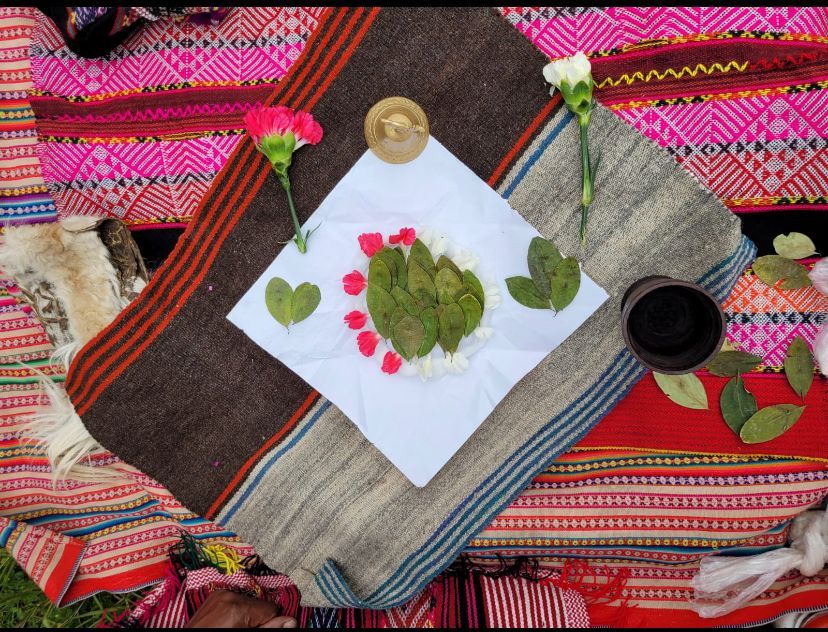
Machacancha’s pools, near Calca in the Sacred Valley, naturally contain sulphur, calcium, and magnesium, and these minerals alleviate joint pain, skin conditions, and respiratory ailments. Paqos (Andean healers) sometimes bring patients here for combined treatments: physical bathing followed by an energetic cleansing with flowers and coca leaves.

Here, guides encourage visitors to enter the water in silence and focus on their breath to release hucha (dense energy) into the earth, which then transforms it into sami (light, refined energy).

Lares: Gateway to the High Andes Medicinal Waters

Further north, the Lares hot springs are part of a pilgrimage route that connects the highland communities to the Sacred Valley. Nestled at nearly 3,200 meters above sea level, these pools are surrounded by towering peaks—seen as Apus (mountain spirits)—who guard the waters.


Traditionally, a visit to Lares was not only for relief from ailments, but also a rite of passage for travelers and herders returning from the puna (high plains). The bath served as a symbolic washing away of hardships before re-entering the community.


Medicinal and Spiritual Benefits

From a modern perspective, the minerals in these waters improve circulation, ease muscle tension, and support detoxification. But within Andean medicine, the benefits go deeper:

Physical: Relieves rheumatism, arthritis, and skin irritation.

Energetic: Cleanses stagnant or heavy energy accumulated through conflict, grief, or illness.

Spiritual: Reconnects the bather with Mama Unu, restoring harmony between body, mind, and nature.

As anthropologist Catherine Allen writes, “In the Andes, healing is always relational—between people, landscape, and the unseen world” (Allen, 2002, p. 58).

Modern Application

For those living far from Peru, the essence of this healing practice can be adapted. Seek out natural hot springs or thermal baths in your region. Approach the water with intentionality:

Offer gratitude—whisper a prayer or place flowers nearby.

Release hucha—as you soak, imagine heavy energy leaving your body and entering the water.

Receive sami—visualize the warmth filling you with light, vitality, and peace.

Even a simple hot bath at home, prepared with mineral salts and aromatic herbs, can become a sacred ritual when approached with the Andean principle of ayni.

The springs of Machacancha and Lares remind us that water is more than a physical necessity—it is a medicine of the earth, carrying the memory of mountains, clouds, and time itself. In Andean medicine, to enter these waters is to step into the embrace of Mama Unu, who restores not only the body but the spirit.


Bibliography

  • Allen, C. J. (2002). The Hold Life Has: Coca and Cultural Identity in an Andean Community. Smithsonian Institution Press.
  • de la Vega, G. (1609). Comentarios Reales de los Incas. Lisbon.
  • Gelles, P. H. (2000). Water and Power in Highland Peru: The Cultural Politics of Irrigation and Development. Rutgers University Press.

Living Temples: How Apus Are More Than Mountains

Posted on

In the high Andes, mountains are not scenery. They are sacred beings, ancestors, and guardians. Known as Apus, these majestic peaks are not passive forms of nature but living, breathing temples. They hold memory, identity, and protection for the communities that live in their embrace.

To the Andean people, an Apu is not simply a mountain—it is a cosmic presence that participates in the lives of humans and spirits alike.

Who Are the Apus?

The word Apu in Quechua translates loosely as “lord” or “spirit,” but its meaning is much more layered. Apus are often the highest mountains surrounding a village or region. Each community recognizes specific Apus as their protectors and benefactors.

Some of the most revered Apus in Peru include:

  • Apu Ausangate – The spiritual guardian of Cusco and a master of initiation.
  • Apu Salkantay – Associated with fierce transformation and deep medicine.
  • Apu Veronica (Wakay Willka) – A feminine mountain spirit of clarity and mystery.

But there are also small Apus—hills, rocks, even waterfalls—that hold power and awareness. In Andean spirituality, size does not determine sacredness.

Mountains as Conscious Beings

Western thought often reduces mountains to geological formations. But in the Andean cosmovision, mountains are alive, imbued with kawsay (living energy), and capable of communication. One does not “climb” a sacred mountain without first making an offering, asking permission, and establishing ayni, or sacred reciprocity.

Pilgrimages to Apus—such as the great Qoyllur Rit’i near Ausangate—are not about reaching a peak. They are acts of devotion and dialogue, where humans and spirits exchange offerings, prayers, and energy.

Mountains as Ancestors and Mirrors

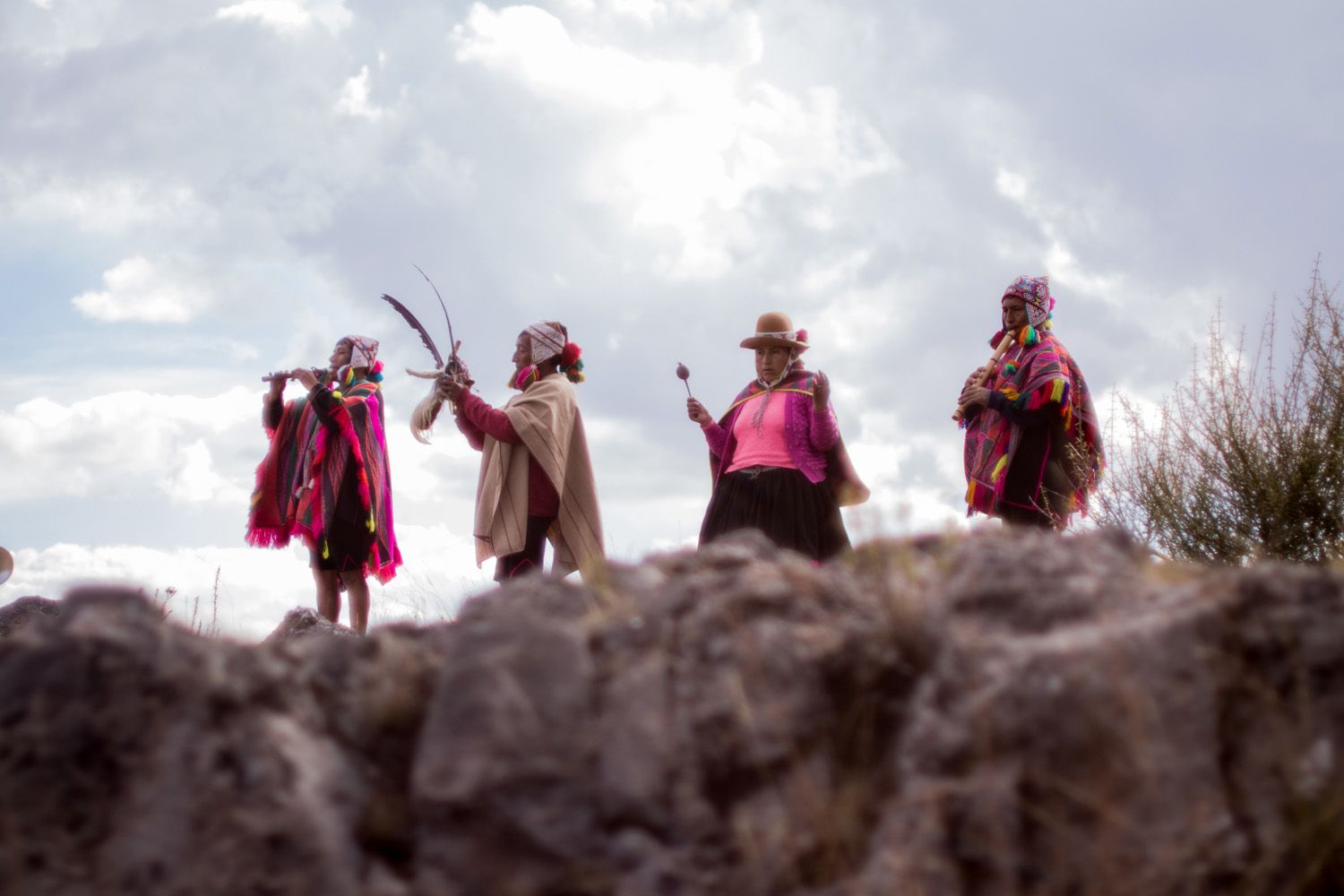
Many Apus are considered ancestors, guardians of lineage and wisdom. They are believed to hold the spirits of the dead, protect communities, and influence weather, fertility, and health. People often consult the Apus through despacho ceremonies, coca leaf readings, or direct communion in dreams and visions.

But Apus also act as mirrors. In their stillness, they reflect the inner mountains we must climb—our fears, desires, transformations. Standing before an Apu, a seeker is reminded of their smallness and sacredness, all at once.

Living Temples of the Earth

Temples do not have to be built. They can be found. For the Andean people, an Apu is a living temple—a place where the veil between worlds is thin, where Hanaq Pacha (upper world) speaks through thunder, snow, and silence.

They are the spirits of the mountains and physically inhabit them.

The Apus carry geological, spiritual, and energetic memory. Some traditions hold that each Apu corresponds with a specific animal guide, element, or star system. These connections reveal the Andean understanding of a multidimensional universe, where all planes—earthly and celestial—are woven together.

Reconnecting with the Mountains

In a time of ecological crisis and spiritual disconnection, the Apus offer more than myth. They offer a way back to relationship. Honoring an Apu is not about romanticizing Indigenous beliefs—it is about remembering that we are not above the land, but within it.


Bibliography

  • Allen, C. J. (1988). The Hold Life Has: Coca and Cultural Identity in an Andean Community. Smithsonian Institution Press.
  • Apffel-Marglin, F. (2012). Subversive Spiritualities: How Rituals Enact the World. Oxford University Press.
  • Quispe Singona, P. F. (2021). Andean Wisdom Teachings [Lecture Series].
  • Nuñez del Prado, J. (2013). The Andean Cosmovision. Four Winds Society.
  • Dean, C. (2010). Inka Bodies and the Body of Christ: Corpus Christi in Colonial Cuzco, Peru. Duke University Press.

Kawsay: The Living Energy that Connects All Things

Posted on

In the Andean spiritual worldview, life is not something we possess—it is something we participate in, and that is kawsay, living energy. But kawsay is far more than biological life. It is the animating force behind all beings—humans, animals, mountains, rivers, stars, and even the wind.

To walk the Andean path is to become aware of this sacred energy moving through all things. Kawsay is the thread that links the three worlds: Uku Pacha (the inner/underworld), Kay Pacha (the present world), and Hanaq Pacha (the upper/spiritual realm). When we are disconnected from this flow, we experience imbalance, illness, and suffering—not just personally, but collectively.

The World Is Alive

The Western worldview often separates spirit from matter, seeing nature as a resource rather than a relative. But in Andean cosmology, everything is alive and filled with kawsay. A rock is not “just” a rock—it may be an apu, a spirit of the mountain. A river is not a body of water—it is Yaku Mama, a living mother who remembers.

This is not poetry; it is cosmic reality.

As Incan scholar Juan Nuñez del Prado explains, “In the Andean tradition, energy is the first reality. Everything is energy, and all energy is sacred” (Nuñez del Prado, 2013).

Feeling the Flow of Kawsay

When we slow down and connect through breath, ritual, and presence, we can begin to feel the movement of kawsay in our lives. Practices such as saminchakuy (the act of receiving refined energy) and hucha mikuy (the act of transforming heavy energy) are techniques passed down by paqos, the Andean energy masters.

They remind us that energy is not inherently good or bad—it’s either sami (light, harmonious) or hucha (heavy, stagnant). Our role is to move and transform this energy with awareness and respect.

Living in Ayni with Kawsay

Central to all Andean relationships is the concept of ayni, or sacred reciprocity. To live in ayni with kawsay means to honor the livingness of the world. When we plant a seed, we offer pago a la tierra (a ceremonial offering to Pachamama). When we climb a mountain, we greet the apu and ask permission. This is not superstition—it is reverence.

Related to Natural Features or Sacred Landscapes.

As anthropologist Marisol de la Cadena observes, Indigenous ontologies challenge Western categories by showing us that mountains can be persons and persons can be places (de la Cadena, 2015). To live in ayni with kawsay is to undo colonial habits of control and restore our place in the great web of life.

Kawsay as Teacher and Guide

In the modern world, it is easy to forget that we are beings of energy. Our disconnection from the Earth, from silence, from cycles of death and renewal, creates a kind of soul-amnesia. But the Andean path offers a way back—a remembering that we are not separate from nature, but part of her dreaming.

Kawsay is not just what animates us; it is what awakens us.

When we learn to listen—to rivers, to wind, to stones—we are not being primitive. We are becoming whole again.


Bibliography

  • Nuñez del Prado, J. (2013). The Andean Cosmovision. Four Winds Society.
  • De la Cadena, M. (2015). Earth Beings: Ecologies of Practice across Andean Worlds. Duke University Press.
  • Rengifo, G. (2011). Sabiduría Andina. Lima: Universidad Ricardo Palma.
  • Apffel-Marglin, F. (2012). Subversive Spiritualities: How Rituals Enact the World. Oxford University Press.

Becoming a Chakaruna

Posted on

In the Andean spiritual tradition, a Chakaruna is more than a title—it is a living bridge. Formed from the Quechua words chaka (bridge) and runa (person), a Chakaruna is one who walks between worlds: spiritual and material, ancestral and modern, Indigenous and global. This role is not assigned—it is earned through initiation, humility, and devotion to service.

To become a Chakaruna is to live in two realities at once: to honor the deep, rooted wisdom of the Andes, while navigating the shifting complexity of the modern world. It requires courage, clarity, and a heart devoted to Ayni—sacred reciprocity.


The Meaning of Chakaruna: A Human Bridge

In traditional Andean communities, the bridge is not only physical—it is symbolic, energetic, and spiritual. A Chakaruna is called to:

  • Translate ancestral wisdom into forms modern people can receive
  • Carry spiritual technologies like despachos, k’intus, and mesa work across cultures
  • Protect the integrity of sacred traditions while making them accessible
  • Walk in two pachas (worlds) without losing center: Kay Pacha and the world beyond

“The Chakaruna does not belong to one place. They belong to the space between—and their work is to keep the bridge alive.”
(Miro-Quesada, 2010)


Walking Between Indigenous and Global Realities

To walk as a Chakaruna means holding the tension between Indigenous traditions and the globalized world—not by rejecting either, but by weaving them with discernment.

  • You move between ceremony and technology, ritual and reason.
  • You guide others into respectful connection, not cultural appropriation.
  • You listen to elders, and also educate outsiders.

This is not an easy path. It involves witnessing colonization, healing historical wounds, and standing for authenticity in a time of spiritual confusion.

“A Chakaruna is not someone who mixes everything. They are someone who walks with both feet rooted—in two worlds, in one soul.”
(MacLean, 2012)


Initiation: The Call to Carry the Bridge

Becoming a Chakaruna often begins with:

  • A crisis of identity or belonging
  • A strong intuitive pull toward ancestral medicine
  • Encounters with Paqos, Apus, or Ñustas in vision or ceremony
  • A deep grief for disconnection—from spirit, land, or lineage

Through despachos, karpays, and encounters with sacred sites like Ausangate, Qoyllur Rit’i, or Mama Qocha, the initiate receives guidance not from humans, but from the spirit world.

“It is not you who chooses to become a Chakaruna. It is the bridge that finds you.”
(Núñez del Prado, 2009)


The Courage Required: Challenges on the Path

Being a Chakaruna requires more than knowledge—it requires inner strength, ethical clarity, and constant self-purification.

You will face:

  • Misunderstanding or rejection from both Indigenous and Western communities
  • Pressure to commercialize or dilute sacred teachings
  • The loneliness of walking a path few understand
  • The responsibility to heal your own wounds before guiding others

But the bridge cannot hold others if it is not strong. This is why Chakarunas must continually walk with Munay (heart), Yachay (wisdom), and Llankay (service).


Living as a Chakaruna in the Modern World

A Chakaruna today may be a healer, a teacher, a translator, or a ceremonialist. But more than a role, it is a way of being:

  • Living with reciprocity and offering your gifts humbly
  • Honoring the sacredness of life in every task
  • Keeping the memory of the ancestors alive
  • Listening to both the elders and the Earth
  • Building bridges not only between people, but between realms

  • Honoring the sacredness of life in every taskKeeping the memory of the ancestors aliveListening to both the elders and the EarthBuilding bridges not only between people, but between realms

This path is not about becoming a guru. It’s about becoming a hollow bone, a conduit through which spirit and Earth meet again.

You may feel torn. That is the sign of the bridge.
You may not know where you belong. That is the doorway.
You may be asked to serve. That is the path of the Chakaruna.


Bibliography

  • Miro-Quesada, O. (2010). Lessons in Courage: Peruvian Shamanic Wisdom for Everyday Life. Boulder: Sounds True.
  • Wilcox, J. (2004). Keepers of the Ancient Knowledge: The Q’ero Mystics of Peru. Vermont: Inner Traditions.
  • MacLean, K. (2012). The Shape of the Inka Heart. UK: Heart of the Andes Press.
  • Núñez del Prado, J. (2009). The Andean Cosmovision. Cusco: Willka Nina Press.
  • Andean Oral Traditions, Q’ero Nation (2000–2022)

Andean Lucid Dreams

Posted on

In the Andean spiritual tradition, Lucid Dreams are more than symbols—they are portals. Every night, we enter the sacred geography of the Three Worlds. Each world holds teachings, visions, and spirit allies that help us remember who we are.

Lucid dreams, when practiced within the Andean cosmovision, becomes a tool of soul exploration and initiation. We don’t control the dream—we listen to it, walk within it, and honor the beings we meet there.


The Three Worlds in the Andean Lucid Dreams

Before we can dream consciously, we must understand where we are dreaming:

  • Ukhu Pacha – The inner or lower world; a place of ancestors, shadow, memory, and deep earth wisdom
  • Kay Pacha – The middle world; the space of human life, balance, and the here-and-now
  • Hanaq Pacha – The upper world; the realm of celestial beings, vision, prophecy, and future timelines

Each dream can take place in one or more of these realms—and knowing which world you’re in changes how you receive and work with the message.

Dreaming in Ukhu Pacha: Descent, Shadow, and Ancestral Contact

Dreams in Ukhu Pacha often feel underground, watery, or dark. They may include:

  • Caves, tunnels, wombs, or bones
  • Encounters with the dead or forgotten parts of yourself
  • Fears, serpents, or childhood themes

To walk in Ukhu Pacha is to return to the root and ask the soul: what was buried, and why?
(Miro-Quesada, 2010)

These are not nightmares—they are invitations to face the unconscious, reclaim lost power, and meet ancestors.

Dreaming in Kay Pacha: Integration and Soul Messages for the Now

Dreams in Kay Pacha are set in real-life scenarios, but something feels symbolic or heightened:

  • You see your home, job, or relationships—often from a new angle
  • You receive clear instructions, conversations with spiritual guides, or ritual tasks
  • You feel a deep emotional truth rising—something unresolved asking for action

These dreams are often the clearest and most instructive. They serve to guide decisions, realign energy, and help you live in Ayni.

Dreaming in Hanaq Pacha: Vision, Light, and Divine Contact

Dreams in Hanaq Pacha are rare, luminous, and transformative. Signs include:

  • Encounters with beings of light, Apus, or cosmic ancestors
  • Flying, floating, or ascending
  • Vivid colors, sacred geometry, or future events
  • Receiving Karpay (spiritual transmissions) or symbols of initiation

These dreams often mark a turning point in the soul’s journey. They are not always understood immediately—they require ceremony, humility, and listening.

“Hanaq Pacha dreams are gifts from the stars, wrapped in silence.”
(Núñez del Prado, 2009)

How to Practice Andean Lucid Dreams

Call on the Ñustas or Apus
Invite guidance from a specific spirit ally. For example:
“Ñusta Huaman Tiklla, show me what needs to be healed.”

Set an Intention at Night
Hold a coca leaf or place one near your bed. Say aloud: “Show me what I need to see.”

Keep a Dream Journal
Record all dreams—even fragments. Use symbols, feelings, or drawings.

Use Ritual After Powerful Dreams
If a dream feels sacred, make an offering, build a k’intu, or walk to a spring or mountain to process it.

Discern the World You Visited
Ask: Was this descent, daily life, or celestial vision? This tells you which world you traveled.

Why This Practice Matters

Dreaming is not escape—it is sacred work. Each time you sleep consciously, you return with messages, medicine, and soul fragments once forgotten. In a world full of distraction, Andean lucid dreams offers:

Access to ancestral wisdom

Emotional integration and healing

Guidance from the unseen realms

Alignment with your soul’s true path

This is why dreamwork is part of initiation among Paqos and curanderos—it is not just spiritual; it is essential.


Bibliography

  • Miro-Quesada, O. (2010). Lessons in Courage: Peruvian Shamanic Wisdom for Everyday Life. Boulder: Sounds True.
  • Wilcox, J. (2004). Keepers of the Ancient Knowledge: The Q’ero Mystics of Peru. Vermont: Inner Traditions.
  • Núñez del Prado, J. (2009). The Andean Cosmovision. Cusco: Willka Nina Press.
  • MacLean, K. (2012). The Shape of the Inka Heart. UK: Heart of the Andes Press.
  • Villoldo, A. (2005). Shaman, Healer, Sage. Hay House.
  • Q’ero Oral Teachings (2003–2020)

Initiation as Disintegration and Rebirth

Posted on

In the Andean spiritual path, death is not feared—it is welcomed as a necessary teacher. Before we can be reborn into a higher version of ourselves, the rebirth of our new us: identities, beliefs, relationships, and ways of being that no longer serve must dissolve.

This disintegration is not a metaphor—it is an energetic, emotional, and spiritual process. It often begins with a crisis, a loss, or a call from the Apus that we can no longer ignore. In the language of initiation, this is known as despachar lo viejo—offering the old self to Pachamama.


Initiation in the Andes: A Path of Real Rebirth

In traditional Andean teachings, initiation is not a title—it is a rite of passage that changes your vibration, your body, and your perception of reality. It comes when the spirits, not the ego, say you are ready.

This process is marked by:

What dies is the false self—the one you built to survive. What rises is the true self—the one that came to serve.”
(Miro-Quesada, 2010)

Signs You Are in Disintegration

  • You feel emotionally raw, exhausted, or confused
  • You no longer fit into your relationships or roles
  • Symbols, animals, or dreams appear with intensity
  • You feel grief for parts of yourself you once loved
  • You experience physical detox, disorientation, or heightened intuition.

This is not depression or failure—it is initiation. It is the sacred undoing before becoming.

Ceremonial Death: Offering the Old to the Fire and the Earth

In Andean rites, death is honored through rituals of release.

Practitioners will:

  • Enter ceremonial solitude to fast, pray, and wait
  • Write and burn stories that no longer serve
  • Bury objects or names in the Earth as offerings
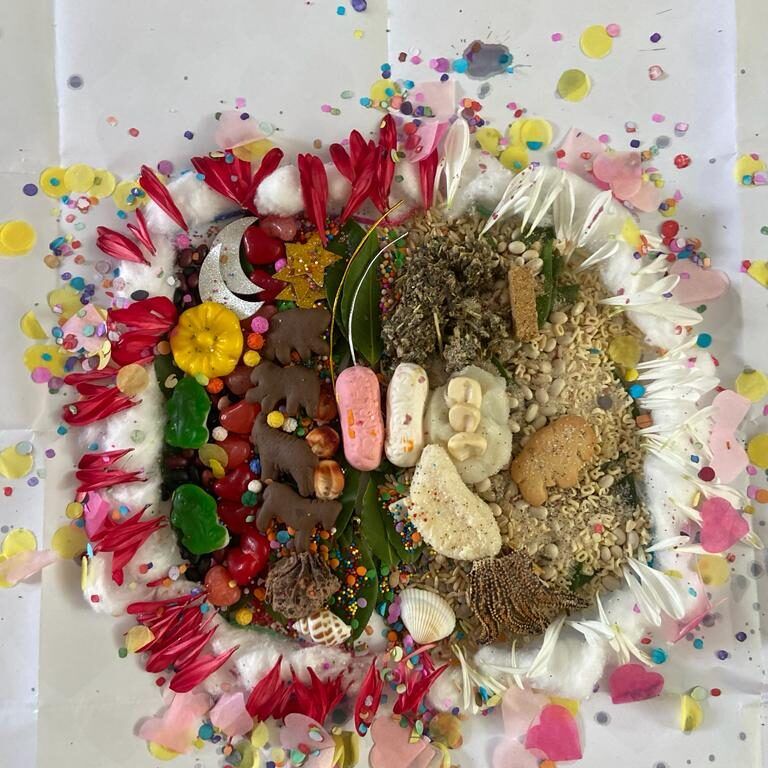
  • Create despachos dedicated to disintegration
  • Ask the Apus to witness the death of the old self

These rituals are not performances—they are soul technologies.

To die consciously is to live without fear.”
(Wilcox, 2004)

The Symbol of the Snake: Shed to Evolve

The amaru (sacred serpent) in Andean tradition is a symbol of deep transformation. Just as the serpent sheds its skin, the initiate must let go of all that binds them to the past. This often includes:

Family expectations

Cultural identity

Spiritual roles or titles

Attachments to safety or superiority

This is painful, but necessary. The serpent does not grieve the skin—it sheds and moves forward.

Rebirth: When the Soul Remembers Its Purpose

After the disintegration, something quiet begins to emerge. The soul, now emptied of illusion, begins to remember what it came here to do. This stage is marked by:

  • Simplicity and deeper presence
  • Authentic service from the heart
  • A renewed connection to Munay, Yachay, and Llankay
  • The arrival of new visions, companions, or spiritual allies
  • Gratitude for what broke you open

Rebirth in the Andean path is not a “better version of you.” It is the true one—the one who can now walk in Ayni with all beings.


Bibliography

  • Miro-Quesada, O. (2010). Lessons in Courage: Peruvian Shamanic Wisdom for Everyday Life. Boulder: Sounds True.
  • Wilcox, J. (2004). Keepers of the Ancient Knowledge: The Q’ero Mystics of Peru. Vermont: Inner Traditions.
  • Núñez del Prado, J. (2009). The Andean Cosmovision. Cusco: Willka Nina Press.
  • MacLean, K. (2012). The Shape of the Inka Heart. UK: Heart of the Andes Press.
  • Oral Teachings of the Q’ero Lineage (2000–2020)