logo im

Andean Stories and Spiritual Songs

Posted on

A Journey into the Soul of the Andes

People in the Andes Mountains have cultivated a rich and vibrant culture, passed down through generations through Stories and Songs.

These oral traditions not only entertain but also provide a way to connect with the past, learn about the natural world, and develop spiritual strength.

Benefits

  • Connection to the past: These are often based on ancient myths and legends. They provide a window into the past and help us to understand the beliefs and values of the people who came before us.
  • Connection to nature: Many people in the region consider the Andes Mountains a sacred place. By sharing stories and songs about the mountains, rivers, and other natural features, they foster a deeper connection with nature and cultivate an appreciation for its beauty.
  • Spiritual development: They often contain spiritual messages and can help us to develop our own spirituality, connecting with the divine.
  • Community building: People often share stories and songs within their communities. This sharing contributes to a stronger sense of community and belonging.
  • Language preservation: Many Andean stories and songs are passed down orally. This helps to preserve the indigenous languages of the region.
  • Cultural identity: Andean stories and songs are an important part of the cultural identity of the people who live in the Andes Mountains. They help to keep the culture alive and vibrant.

Andean Stories and Spiritual Songs in the Modern World

In the modern world, people continue to value Andean stories and songs as an important part of their culture.

They frequently perform these traditions at festivals and other special occasions. Additionally, educators incorporate Andean stories and songs into school curricula and other educational settings.

If you are interested in learning more about Andean stories and songs, there are many resources available.

Maestro Don Alejandro Apaza and his daughter Doña Marquesa Apaza are offering the first class of Stories and Songs taught by the Apaza family lineage workshop on March 21st, 2025.

The instructors will conduct the classes via video calls on Zoom. They will also create a WhatsApp group for all the students in this workshop to share important information.

More information:

incamedicineschool@gmail.com

How identify Black Magic and Healing with Andean Rituals

Posted on

Black Magic often stirs fear and curiosity because of its harmful intentions and energies. Many cultures have developed ways to combat black magic, and the Andean tradition offers unique ceremonies rooted in nature and spiritual harmony.

What Is Black Magic?

Black magic manipulates energy or spiritual forces to harm, confuse, or bring misfortune to others. It can appear in several ways, such as:

  • Persistent bad luck or obstacles.
  • Unexplained physical or emotional ailments.
  • Strained relationships or conflicts.
  • Nightmares, anxiety, or a sense of being “watched.”

Some dismiss these occurrences as coincidences, while others attribute them to negative energies or curses. Identifying the source and confirming its presence starts the journey toward resolution.

Identifying Black Magic with Coca Leaf Readings

In Andean culture, people regard the coca leaf as a sacred tool for communicating with the spiritual world.

  • Detect black magic or negative energy.
  • Identify the source or cause of imbalance.
  • Seek guidance from the spirits for remedies.

During a coca leaf reading, a master paqo arranges the leaves on a sacred cloth and interprets their patterns. The results reveal unseen influences affecting someone’s life.

Reversing Black Magic: Andean Cleansing Rituals

If someone detects black magic, Andean traditions provide several ways to cleanse and protect the individual. These rituals aim to restore balance and harmony without retaliation. Here are common practices:

1. Spiritual Cleansing

Limpias purify the body, mind, and spirit. Practitioners often use natural elements like herbs, flowers, eggs, and smoke from sacred plants such as palo santo or incense.

  • Sweeping the body with herbs to absorb negative energy.
  • Using an egg to “capture” harmful vibrations.
  • Smudging with smoke to clear the aura.

2. Soul Retrieval

Andean belief holds that intense fear, trauma, or black magic can cause a part of the soul to “leave” the body, leading to feelings of emptiness or disconnection.

  • Reconnect the individual with lost soul fragments.
  • Heal emotional wounds caused by external influences.
  • Restore inner strength and wholeness.

3. Offerings to Pachamama

Practitioners make offerings to Pachamama, the Andean Earth Mother, to reestablish harmony. These offerings, called “despachos,” include symbolic items such as grains, sweets, coca leaves, and flowers. This practice:

  • Restores harmony with the natural and spiritual worlds.
  • Removes blockages caused by negative energy.
  • Strengthens spiritual resilience.

Additional Protective Practices

Beyond ceremonies, Andean traditions encourage maintaining a strong spiritual connection to prevent future harm. Here are some tips:

  • Practice Daily Gratitude: Show appreciation to nature and ancestors to sustain a balanced energy field.
  • Carry Amulets: Use objects like the chakana (Incan cross) or protective stones like obsidian to ward off negativity.
  • Cleanse Regularly: Perform routine cleansings to keep your energy clear and vibrant, even without signs of black magic.

References

  • González, J. (2002). El regreso de los espíritus: Chamanismo y curanderismo en los Andes Peruanos. Editorial Cuzco.
  • Oropeza, C. (2005). La magia negra en el imaginario popular: Entre el mito y la realidad. Ediciones B.
  • Sierra, G. (2010). La cosmovisión andina y la espiritualidad: Sabiduría ancestral y su influencia en la salud. Editorial Andina.
  • Bravo, L., & López, P. (2017). La coca en la medicina andina: Entre la espiritualidad y la sanación. Revista de Estudios Andinos, 33(2), 151-169.
  • Andean Spirits: The Healing Power of Pachamama (2017). Directed by S. Aguirre.

Healing the Spirit: Rites and Ceremonies of Andean Wisdom

Posted on

The Andes are a land of breathtaking landscapes and profound spiritual traditions. For centuries, Andean communities have practiced ancient rituals and ceremonies designed to heal the spirit, restore harmony, and reconnect individuals with the sacred energies of nature.

These practices are not only therapeutic but also deeply transformative, offering a path to inner peace and balance.

The Spirit Foundations of Andean Healing

In Andean cosmology, the world is a living entity where every element—mountains, rivers, and the sky—is imbued with spirit.

Central to this worldview is the concept of Ayni, the sacred principle of reciprocity.

Healing ceremonies often honor this balance, addressing spiritual disconnections caused by trauma, illness, or life challenges.

Healers, known as paqos or Andean shamans, guide participants through rituals designed to cleanse, harmonize, and rejuvenate their inner energy.

Key Healing Practices

Cleansing and Soul Retrieval

This ritual, focuses on removing negative energies and restoring a fragmented soul.

During this ceremony, healers use sacred tools like kintu (a bundle of coca leaves) to connect with the spiritual realm.

Participants may feel a profound release, fostering a sense of wholeness and vitality.

Spirit Intrusion and Extraction

Negative energies or intrusive spirits, known as hucha, can cause spiritual imbalance and physical ailments.

Healers perform an extraction ceremony, that creates space for renewed energy, allowing participants to feel lighter and more aligned.

Distance Healing

Andean healing transcends physical presence, offering powerful results through distance healing.

Paqos tap into the Kawsay Pacha, the living energy of the universe, to send healing intentions across time and space.

Transforming the Spirit

Engaging in Andean spiritual healing can lead to:

  • Emotional Release: Letting go of past traumas and emotional burdens.
  • Spiritual Clarity: Reconnecting with your life’s purpose and spiritual path.
  • Energetic Renewal: Restoring harmony within your mind, body, and spirit.

References:

  1. Villoldo, A. (2017). The Heart of the Shaman: Stories and Practices of the Luminous Warrior. Hay House.
  2. Flores, J. (2015). Healing Practices in the Andes: The Role of Ritual and Ceremony. Andean Wisdom Press.
  3. Sharon, D., & Bussmann, R. W. (2006). “Plant-based spiritual healing in Peru: Rituals, plants, and cultural heritage.” Journal of Ethnopharmacology, 103(2), 229-242.
  4. Gade, D. W. (1999). Nature and Culture in the Andes. University of Wisconsin Press.

Herbs of Power

Posted on

The Andean region is a land rich in cultural heritage and natural herbs resources. Among its treasures are sacred herbs that have been used for centuries in traditional medicine and rituals. These plants—coca, muña, and maca—hold profound significance for Andean communities, offering not only physical benefits but also spiritual and cultural connections.

Coca Herbs: The Leaf of Vitality

The coca leaf has been a cornerstone of Andean culture for over 4,000 years. Indigenous communities consider coca sacred, using it in rituals, offerings to Pachamama (Mother Earth), and as a natural remedy.

Contrary to misconceptions, coca leaves in their natural state are not the same as their processed derivative, cocaine.

Instead, they provide a range of benefits:

  • Energy and Stamina: Coca leaves help Andean farmers endure long hours of physical labor, especially at high altitudes.
  • Altitude Sickness Relief: Chewing coca or drinking coca tea alleviates symptoms like headaches and nausea caused by altitude.
  • Digestive Aid: Coca leaves promote digestion and reduce bloating.

The spiritual significance of coca cannot be overstated. During ceremonies, shamans use coca leaves for divination, communication with spirits, and maintaining harmony with nature.

Muña: The Andean Mint

Muña, often called “Andean mint,” is a fragrant herb with multiple medicinal properties.

Indigenous people cultivate muña for its ability to:

  • Soothe Respiratory Ailments: Muña tea is a natural remedy for colds, asthma, and bronchial conditions.
  • Support Digestion: The herb alleviates stomach pain and promotes healthy digestion.
  • Repel Insects: Muña leaves are used as a natural insect repellent, protecting homes and crops.

Beyond its health benefits, muña plays a role in Andean spirituality. People often include muña in offerings to Pachamama, symbolizing purification and renewal.

Maca: The Superfood of the Andes

Maca, a root vegetable grown in the high-altitude plains of Peru, is celebrated for its nutritional and medicinal value. Known as “Andean ginseng,” maca is a dietary staple and a powerful adaptogen. Its benefits include:

  • Boosting Energy and Endurance: Maca enhances physical performance and combats fatigue, making it a vital food for Andean communities.
  • Enhancing Fertility and Libido: Traditionally, maca has been used to improve reproductive health for both men and women.
  • Supporting Hormonal Balance: Maca regulates hormonal functions and alleviates symptoms of menopause.

Maca also carries cultural significance. Farmers intertwine maca cultivation with Andean agricultural practices, emphasizing respect for the land and sustainable farming techniques.

Cultural and Spiritual Significance of Herbs

For Andean communities, these herbs represent more than remedies; they embody a harmonious relationship with nature. Rituals involving coca, muña, and maca reaffirm the importance of reciprocity and gratitude toward Pachamama. This holistic approach to health—integrating the physical, spiritual, and environmental—is a cornerstone of Andean life.


References

  1. Allen, C. J. (2002). The Hold Life Has: Coca and Cultural Identity in an Andean Community. Smithsonian Institution Press.
  2. National Research Council. (1989). Lost Crops of the Incas: Little-Known Plants of the Andes with Promise for Worldwide Cultivation. National Academies Press.
  3. Bussmann, R. W., & Sharon, D. (2006). “Traditional medicinal plant use in Northern Peru: Tracking two thousand years of healing culture.” Journal of Ethnobiology and Ethnomedicine, 2(1), 47.
  4. Gade, D. W. (1999). Nature and Culture in the Andes. University of Wisconsin Press.

The Andean religion

Posted on

Can we speak of an Andean religion?

The word religion and not for less, has many critics, its concept has imperialist, colonial dyes or in a few words, ways of seeing the human being from the modern West. 

In spite of this, in its deepest sense it means “religare” that is to say, to connect man with nature and mystery.

That is why for this essay we will understand religion not as a monopoly of some institutions, but from the perspective of Panikkar (2014):

“Ultimate core of human culture, giving meaning to life”.

What is that meaning?

Religion could be seen as a necessity in moral issues, and social order, but it would be a mistake to see religion only as a utility.

Kenji Nishitani (1999) says: when life becomes meaningless, when we lose someone we love or other causes of suffering, an emptiness appears that nothing in this world can fill, an abyss.

Kenji continues, this abyss is always at our feet.

Many people might notice this as an answer to suffering, in any case it is the oldest answer we have.

At this point it is worth distinguishing the religious not as a struggle of doctrines but a dialogue of symbols (Panikkar, 2014).

The Andean religion

It comes to contribute, not from an ideology, nor trying to convince others to convert. Inspired by the spirit of tinkuy, an encounter that fosters reciprocity and dialogue. Embracing differences while cultivating a shared space for meaningful connection. (Monteagudo,2023)

Due to the transcultural impact in Latin America and the Andes, the Quechua religion has accepted the Christian God. It is equivalent to the Andean God, who would be the creator of life, a god who rewards and punishes in the present life. (Marzal,2005). Followed by the intermediaries: the saints, the Apus and the Pachamama.

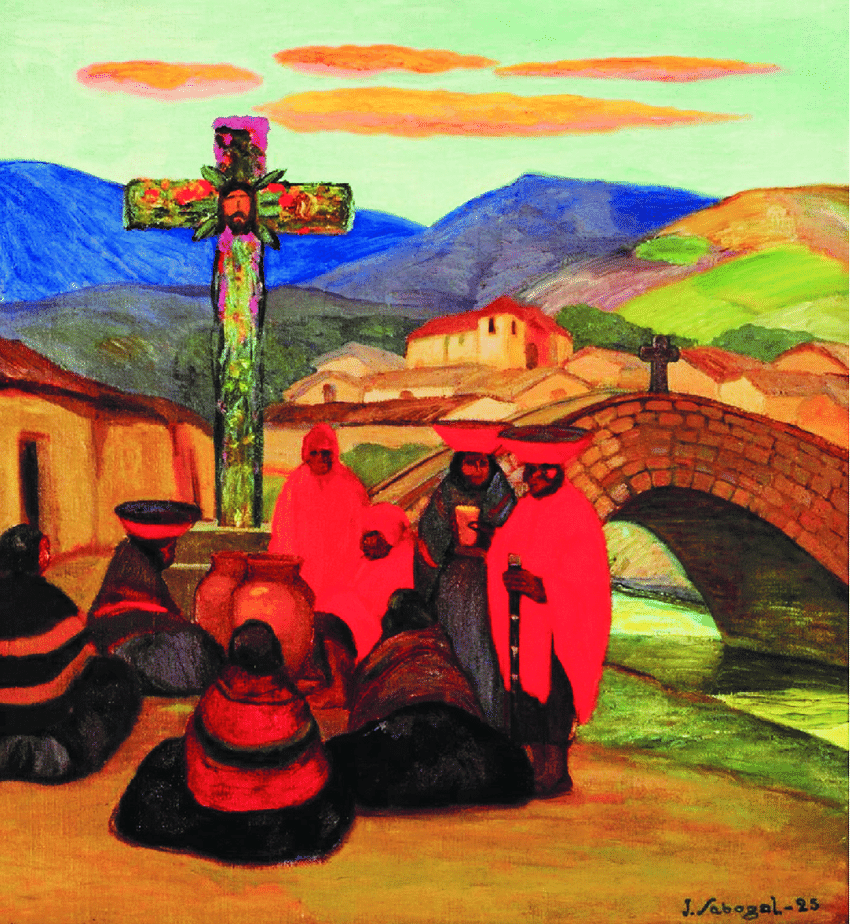
The saints are equivalent to the wakas, among them is Jesus who is called Taytacha and Mamacha to the Virgin Mary (Marzal,2005).

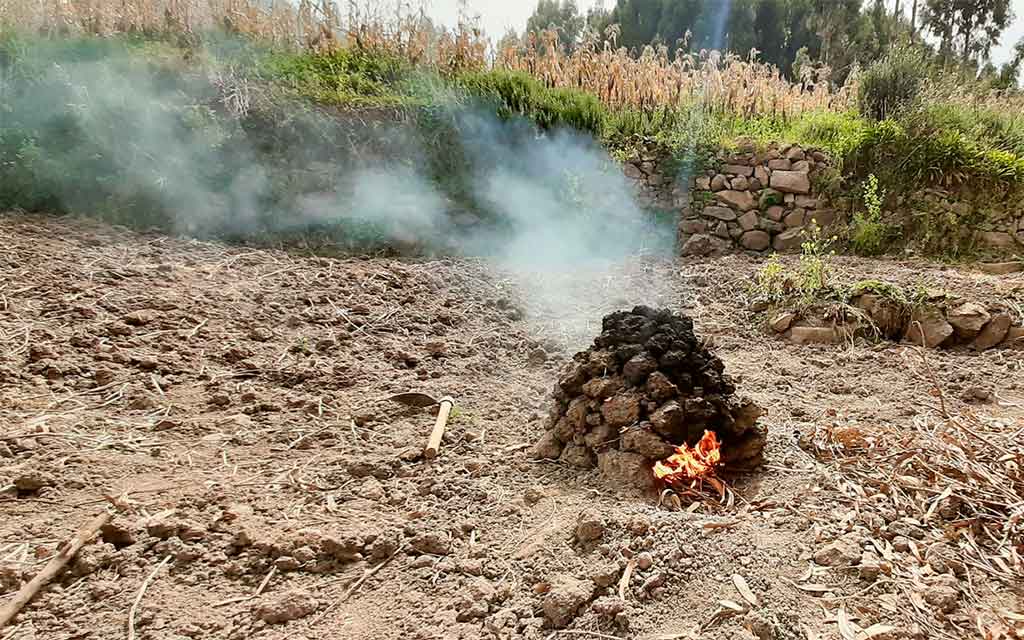
The Pachamama is a kind being, who in August should be given offerings, as well as offer a little of our drinks when they are taken, the Apus or Wamanis are the mountains that observe and protect as well as can also punish.

In the communities the relationship is more direct with the Pachamama and fulfills a harmony with God, both collaborate and work harmoniously.

Author: Joan De la colina Roman


References:

  • Keiji Nishitani (1999) La religión y la nada
  • Panikkar Raimon (2014) La religión, el mundo y el cuerpo
  • Monteagudo, Cecilia (2023) Comprender desde la vida: la reivindicación del comprender andino como aporte a la cultura universal, según J. M. Arguedas
  • Marzal Manuel M (2005) La religión quechua actual en Religiones Andinas

Llamañawi and Chacana

Posted on

The Llamañawi lies at the heart of the Andean worldview, a rich tapestry of spirituality, nature, and cosmic balance. Central to this philosophy is the Chacana Andina, which together serve as gateways to the wisdom and harmony inherent in Andean cultures.

What is the Llamañawi?

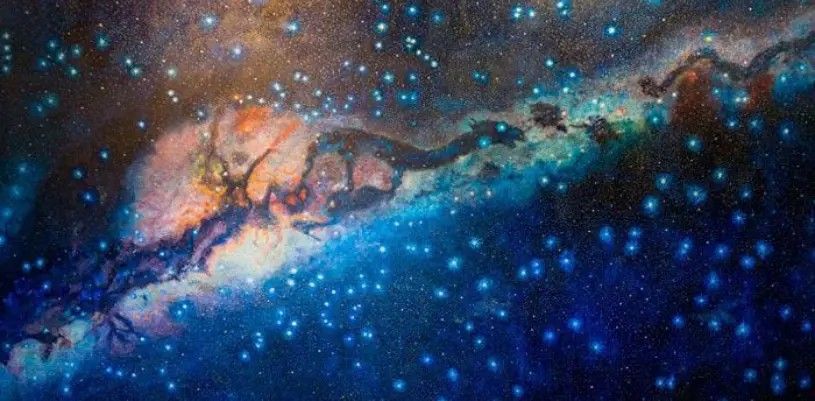
The Quechua and Aymara languages root the term Llamañawi in the symbol of the “eye of the llama,” with a meaning that transcends the literal. It represents a spiritual “third eye,” a tool for perceiving and understanding the subtle energies of the world.

Characteristics of the Llamañawi

  1. Spiritual Perception: The Llamañawi refers to an intuitive ability to perceive the energetic and spiritual dimensions of reality. It’s a heightened awareness, cultivated by paqos.
  2. Connection with Nature: Practitioners of the Llamañawi attune themselves to the Apus (sacred mountains), the Pachamama (Mother Earth), and other natural elements to gain insights and guidance.
  3. Ancestral Practice: This ancient knowledge has been passed down through generations as part of rituals, offerings, and ceremonial practices aimed at maintaining equilibrium between humans and nature.
  4. Energy Reading: The Llamañawi is used to interpret the flow of energies within individuals, communities, and the environment, ensuring harmony and reciprocity.

The Chacana Andina: A Sacred Symbol

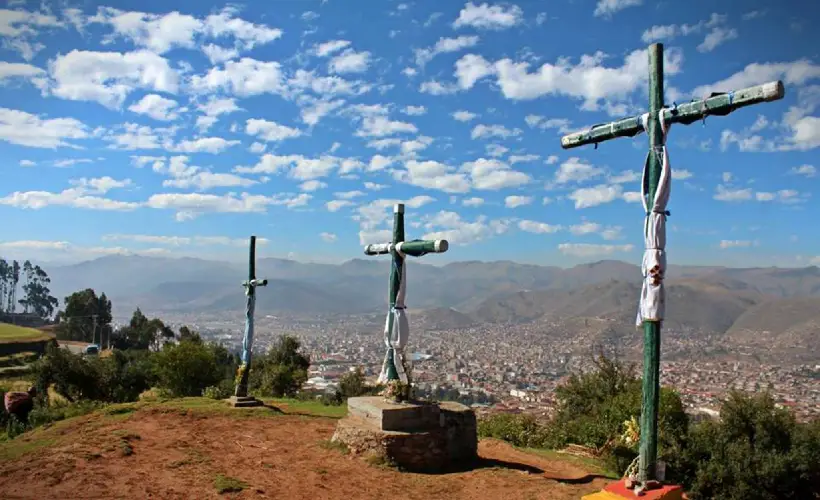
The Chacana, often referred to as the Andean Cross, is a geometric representation of the Andean worldview. It serves as a bridge between the physical and spiritual realms, embodying the principles of unity and balance.

Symbolism of the Chacana

  1. Four Levels: The Chacana is divided into four quadrants, representing the three worlds of Andean cosmology:
    • Hanan Pacha: The upper world of gods and celestial beings.
    • Kay Pacha: The earthly world of humans and nature.
    • Uku Pacha: The underworld, a realm of ancestors and hidden energies.
  2. Central Axis: The central point of the Chacana signifies the union of these realms, emphasizing the interconnectedness of all existence.
  3. Sacred Reciprocity: The Chacana is a reminder of Ayni, the principle of mutual exchange and balance, which underpins all Andean practices.
  4. Alignment with the Cosmos: The design of the Chacana reflects the alignment of constellations, such as the Southern Cross, and the cyclical patterns of nature.

The Intersection of Llamañawi and Chakana

The Llamañawi and the Chakana interconnect as integral aspects of the Andean spiritual framework.

While the Llamañawi is a tool for perceiving the energetic flows of the universe, the Chakana provides a symbolic map for understanding and navigating those energies.

Together, they guide practitioners toward spiritual harmony and reciprocity with the cosmos.


References

  • Bastien, J. W. (1985). Mountain of the Condor: Metaphor and Ritual in an Andean Ayllu. Waveland Press.
  • Mendoza, G. L. (2016). The Andean Worldview: An Indigenous Perspective. University of Colorado Press.
  • Van Kessel, J. (1996). Symbolism and Ritual in the Andes. Pontificia Universidad Católica del Perú.