logo im

Integration: Bringing All Forces Into Coherence

Posted on

As March nears its final phase, the Andean landscape reflects a more established that need integration. What began as emergence has now developed into visible and sustained life. Plants interact more actively with their environment, and the fields begin to show density and variation.

At this stage, growth becomes more complex.

Multiple forces, water, soil, sunlight, and human care, interact simultaneously. These interactions require integration in order to sustain continuity. Without integration, growth may become uneven or unstable.

Integration as Coherence

In Andean cosmology, integration does not mean uniformity. It means coherence among different elements.

Each force maintains its own role while contributing to a larger process.

Through integration, diversity becomes strength rather than fragmentation.

Plants grow not only through their individual development, but through their relationship with surrounding elements. Roots connect with soil, leaves respond to light, and water moves through the entire system.

Integrating Change and Stability

As the season progresses, both stability and change continue to shape growth. Some conditions remain consistent, while others shift unexpectedly. Integration allows life to incorporate both.

Rather than resisting change, Andean practices emphasize learning how to integrate it.

This ability supports continuity. Growth does not break when conditions shift; it adapts by reorganizing relationships. Integration becomes the process through which life maintains balance while evolving.

Human Participation in Integration

Human beings participate in this process by maintaining awareness of how different elements interact. Farmers observe how water flows, how soil responds, and how plants develop across the fields.

Their actions do not isolate one element from another. Instead, they help maintain the connections that allow the entire system to function. Integration becomes a shared responsibility between people and the land.

Integration as Preparation for Continuity

March teaches that growth must move toward coherence before it can fully mature.

What has emerged, been protected, and strengthened now requires integration.

This process prepares life for the next stages of the seasonal cycle.

Through integration, growth becomes more stable, more connected, and more capable of continuing beyond the present moment.

In this way, the season approaches its transition, not as an end, but as a movement toward deeper continuity.


References

  • Allen, C. J. (2002). The hold life has: Coca and cultural identity in an Andean community. Smithsonian Institution Press.
  • Urton, G. (1981). At the crossroads of the earth and the sky: An Andean cosmology. University of Texas Press.
  • Rengifo Vásquez, G. (2001). La crianza de la chacra en los Andes. PRATEC – Proyecto Andino de Tecnologías Campesinas.

This article draws on both academic literature and oral, lineage-based Andean knowledge. Teachings that originate from living traditions are cited in recognition of their ongoing transmission within Andean communities, while scholarly sources are used to support contextual interpretation.

Resilience: Life Through Change

Posted on

As March continues, the Andean landscape shows not only growth, but also variation. Some plants thrive, others struggle, and environmental conditions shift constantly. In Andean cosmology, these variations do not represent failure. They reveal the conditions through which resilience develops. Life does not grow in perfect stability. It strengthens through its ability to respond to change.

Adaptation

Resilience does not mean resistance to change. It means the capacity to adapt while maintaining continuity.

Plants adjust to fluctuations in water and temperature. Roots deepen when conditions become less stable. Leaves shift their orientation in response to light. Through these processes, growth continues.

In this way, resilience emerges as a relational process between life and its environment.

Human experience follows a similar pattern. Change does not interrupt growth; it shapes it.

Learning Through Difficulty

In Andean traditions, moments of difficulty are often understood as opportunities for learning.

When crops face stress, farmers observe carefully to understand what is happening. These observations inform future decisions and strengthen their relationship with the land.

Difficulty becomes a teacher of resilience.

Rather than seeking to eliminate all challenge, Andean practices recognize that certain conditions help life develop strength. Controlled exposure to variation allows plants, and people, to adapt more effectively.

Supporting Resilience Through Care

Although resilience develops through challenge, it still requires support.

Farmers respond to signs of stress by adjusting conditions where possible, guiding water, protecting soil, or reinforcing vulnerable areas.

These actions help sustain resilience without removing the natural processes that strengthen growth.

Care and resilience work together. One provides support, the other develops strength.

Resilience as Continuity of Life

March teaches that growth is not defined by the absence of difficulty, but by the ability to continue through it.

Resilience allows life to persist, adapt, and remain connected to the relationships that sustain it.

As the season progresses, resilience becomes more visible. What once appeared fragile begins to show signs of strength. Growth stabilizes, not because conditions remain constant, but because life has learned to move within change.

Through resilience, the processes that began in earlier months continue toward maturity.


References

  • Allen, C. J. (2002). The hold life has: Coca and cultural identity in an Andean community. Smithsonian Institution Press.
  • Gose, P. (1994). Deathly waters and hungry mountains: Agrarian ritual and class formation in an Andean town. University of Toronto Press.
  • Isbell, B. J. (1978). To defend ourselves: Ecology and ritual in an Andean village. Waveland Press.

This article draws on both academic literature and oral, lineage-based Andean knowledge. Teachings that originate from living traditions are cited in recognition of their ongoing transmission within Andean communities, while scholarly sources are used to support contextual interpretation.

The Discipline of Attention: Learning to See What Is Growing

Posted on

At this stage, growth requires more than favorable conditions. It requires attention.

Without it, even strong beginnings may weaken. Subtle changes in water, soil, or climate can affect development. For this reason, Andean traditions emphasize the importance of remaining present to what is growing.

It allows life to continue with stability.

A Form of Knowledge

In Andean cosmology, knowledge does not arise only from analysis.

It emerges through it to relationships. By observing carefully, people learn how the land communicates its needs.

Changes in color, texture, moisture, and rhythm provide information.

Through sustained attention, these signals become understandable. This form of knowing does not separate observation from participation.

To observe is already to engage with what is being observed.

Cultivating the Discipline of Attention

Attention is not passive. It requires discipline. Farmers walk through their fields regularly, returning to the same spaces to observe gradual changes over time.

By revisiting the same place, differences become visible. Growth patterns, irregularities, and subtle shifts can be recognized more easily.

This ongoing practice allows people to respond with precision rather than reaction.

Attention develops through consistency.

When Attention Guides Action

Action becomes more effective when it arises from attention.

Instead of acting based on assumption or urgency, people respond to what they have observed.

If soil becomes too compact, it can be loosened. If water accumulates excessively, it can be redirected. These actions do not impose change; they support existing processes.

Attention ensures that action remains aligned with what is actually happening.

Living With Attention

March teaches that growth is not sustained by movement alone, but by the quality of presence that accompanies it.

To live with attention means staying connected to the conditions that support life. It means recognizing that growth requires continuous awareness.

Through it, people remain in relationship with what is developing. They learn to see not only what is visible, but also what is changing.

In this way, attention becomes a form of care, a form of knowledge, and a way of sustaining life as it continues to grow.


References

  • Allen, C. J. (2002). The hold life has: Coca and cultural identity in an Andean community. Smithsonian Institution Press.
  • Urton, G. (1981). At the crossroads of the earth and the sky: An Andean cosmology. University of Texas Press.
  • Rengifo Vásquez, G. (2001). La crianza de la chacra en los Andes. PRATEC – Proyecto Andino de Tecnologías Campesinas.

This article draws on both academic literature and oral, lineage-based Andean knowledge. Teachings that originate from living traditions are cited in recognition of their ongoing transmission within Andean communities, while scholarly sources are used to support contextual interpretation.

Reciprocity in Motion: Nurturing Life Through Ayni

Posted on

At this stage, growth reveals something essential: it does not occur in isolation. It unfolds through reciprocity.

In Andean cosmology, life continues because relationships remain active. Nothing grows alone. Every process depends on exchange, between soil and water, sunlight and leaves, humans and land.

This principle is known as ayni, a form of reciprocity that sustains balance and continuity.

Ayni as a Living Practice

Ayni is not an abstract concept. It is a lived practice that shapes how people relate to the world around them. Farmers offer care to the land, and the land responds with nourishment.

This exchange does not follow a transactional logic, but a relational one.

Through reciprocity, each action contributes to the wellbeing of the whole.

During March, this principle becomes more visible. As plants grow, they require continued care. Water must be guided, soil must be maintained, and the presence of the field must be acknowledged.

Human participation becomes part of the ongoing cycle of reciprocity.

Reciprocity Sustains Growth

Growth that emerges in February and strengthens in March depends on continued reciprocity. Without it, the relationships that sustain life may weaken.

Farmers do not simply observe growth; they respond to it. Their actions, whether small or significant, maintain the flow of exchange between human beings and the environment.

This ongoing interaction supports the development of crops and ensures that growth remains connected to the conditions that sustain it.

Reciprocity, therefore, is not optional. It is foundational.

Giving and Receiving in Balance

Reciprocity requires both giving and receiving. In Andean traditions, these two movements remain interconnected. To receive without giving disrupts balance, just as giving without receiving may exhaust the one who offers.

March invites awareness of this balance.

As life grows, it also gives back, through beauty, nourishment, and continuity. Human beings participate by recognizing this exchange and responding with care.

In this way, reciprocity becomes a shared movement that sustains all forms of life.

Living Through Reciprocity

To live through reciprocity means recognizing that every action affects a wider network of relationships. It means understanding that growth depends on participation rather than control.

March teaches that life continues through exchange.

As the season unfolds, reciprocity deepens. What began as emergence now becomes interaction. What was once hidden now enters into relationship with everything around it.

Through reciprocity, growth becomes sustainable, relational, and alive.


References

  • Allen, C. J. (2002). The hold life has: Coca and cultural identity in an Andean community. Smithsonian Institution Press.
  • Isbell, B. J. (1978). To defend ourselves: Ecology and ritual in an Andean village. Waveland Press.
  • Rengifo Vásquez, G. (2001). La crianza de la chacra en los Andes. PRATEC – Proyecto Andino de Tecnologías Campesinas.

This article draws on both academic literature and oral, lineage-based Andean knowledge. Teachings that originate from living traditions are cited in recognition of their ongoing transmission within Andean communities, while scholarly sources are used to support contextual interpretation.
Balance in Growth: Sustaining Harmony After Emergence

Posted on

As March continues, the Andean landscape becomes increasingly active in balance. What first appeared as fragile emergence now expands, filling the fields with visible life. Plants grow taller, leaves widen, and the presence of life becomes undeniable.

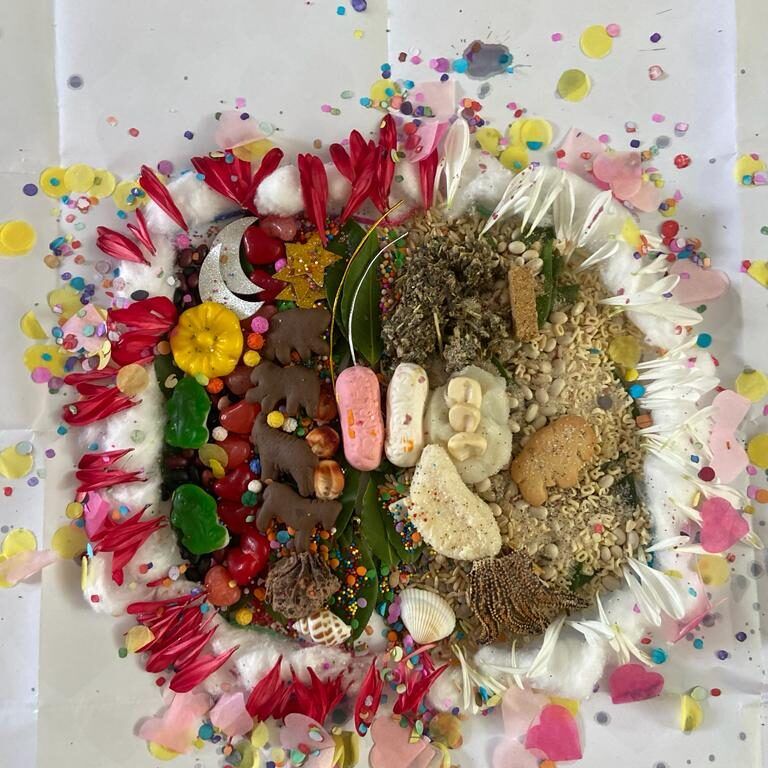
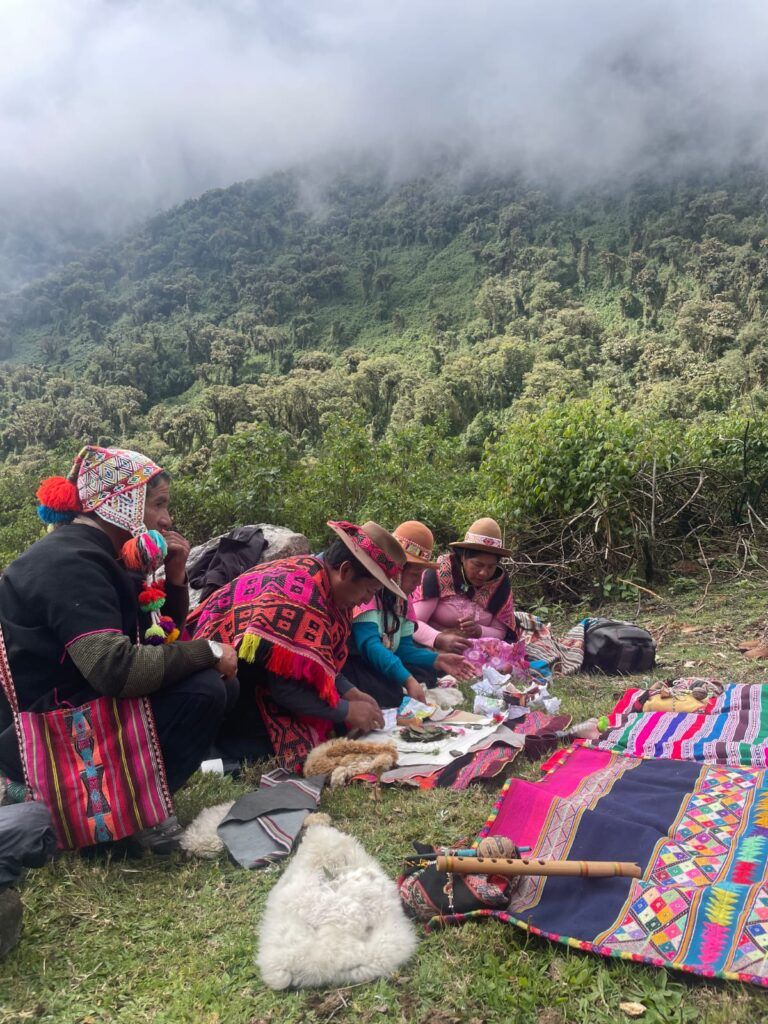
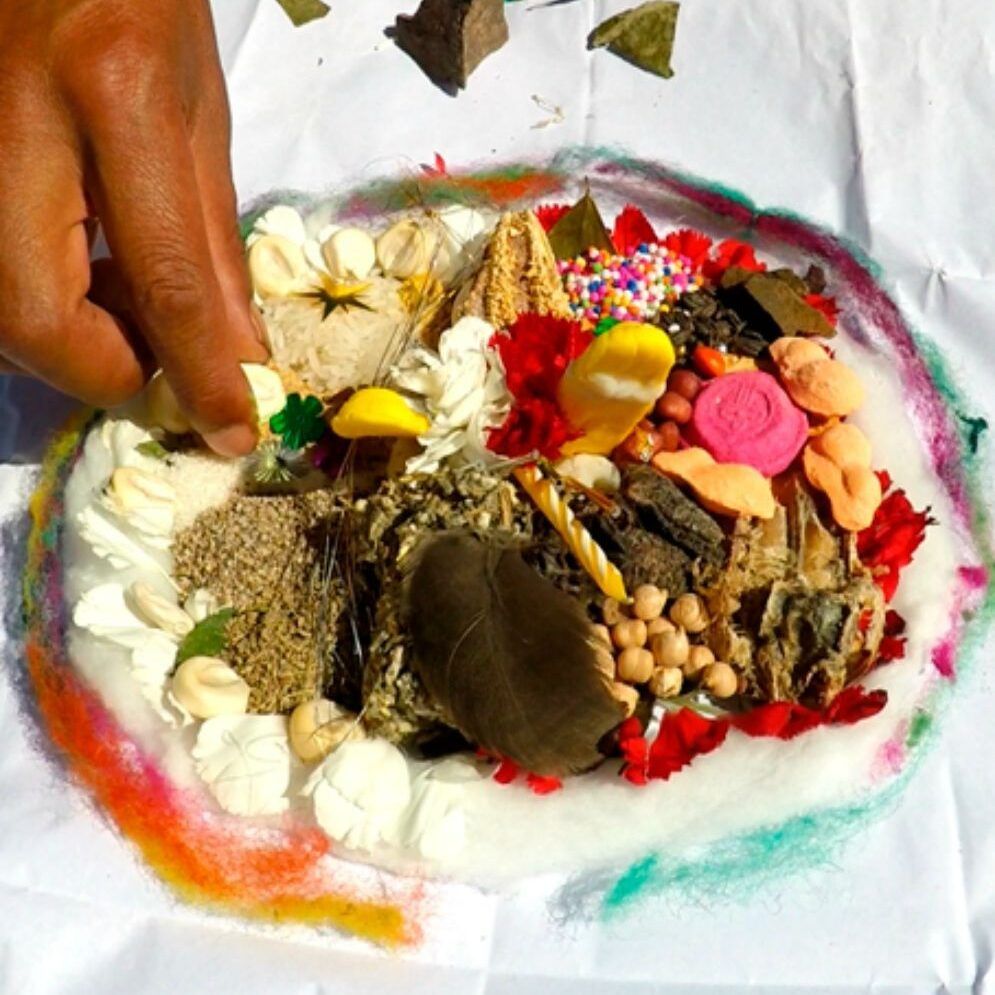
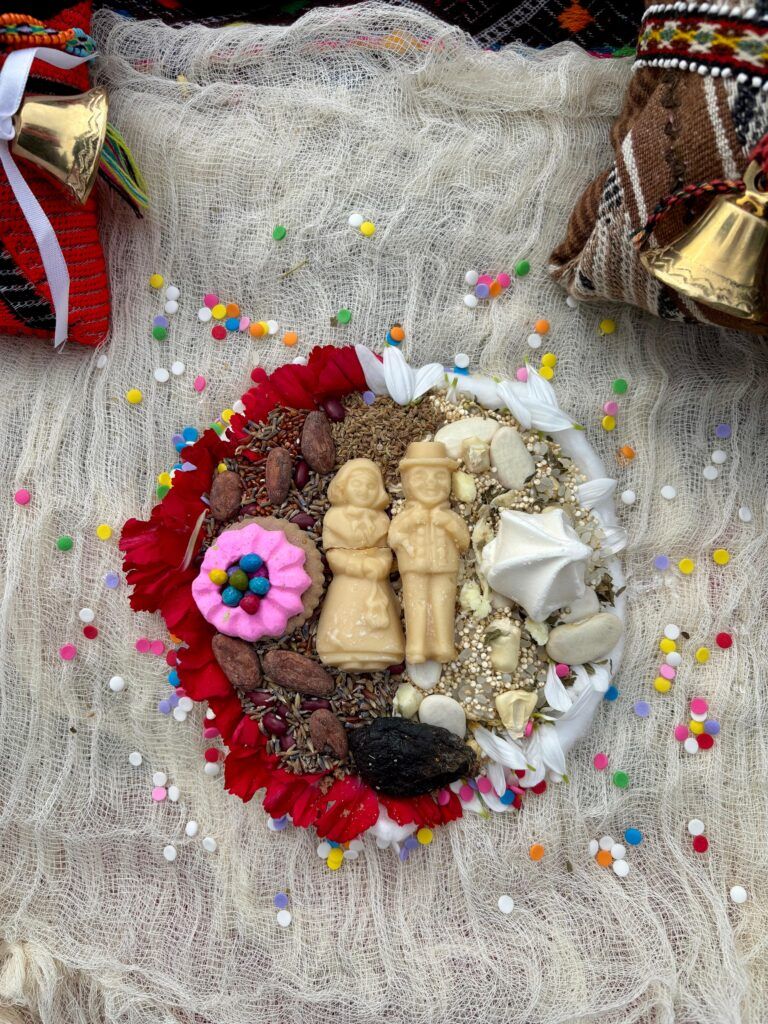
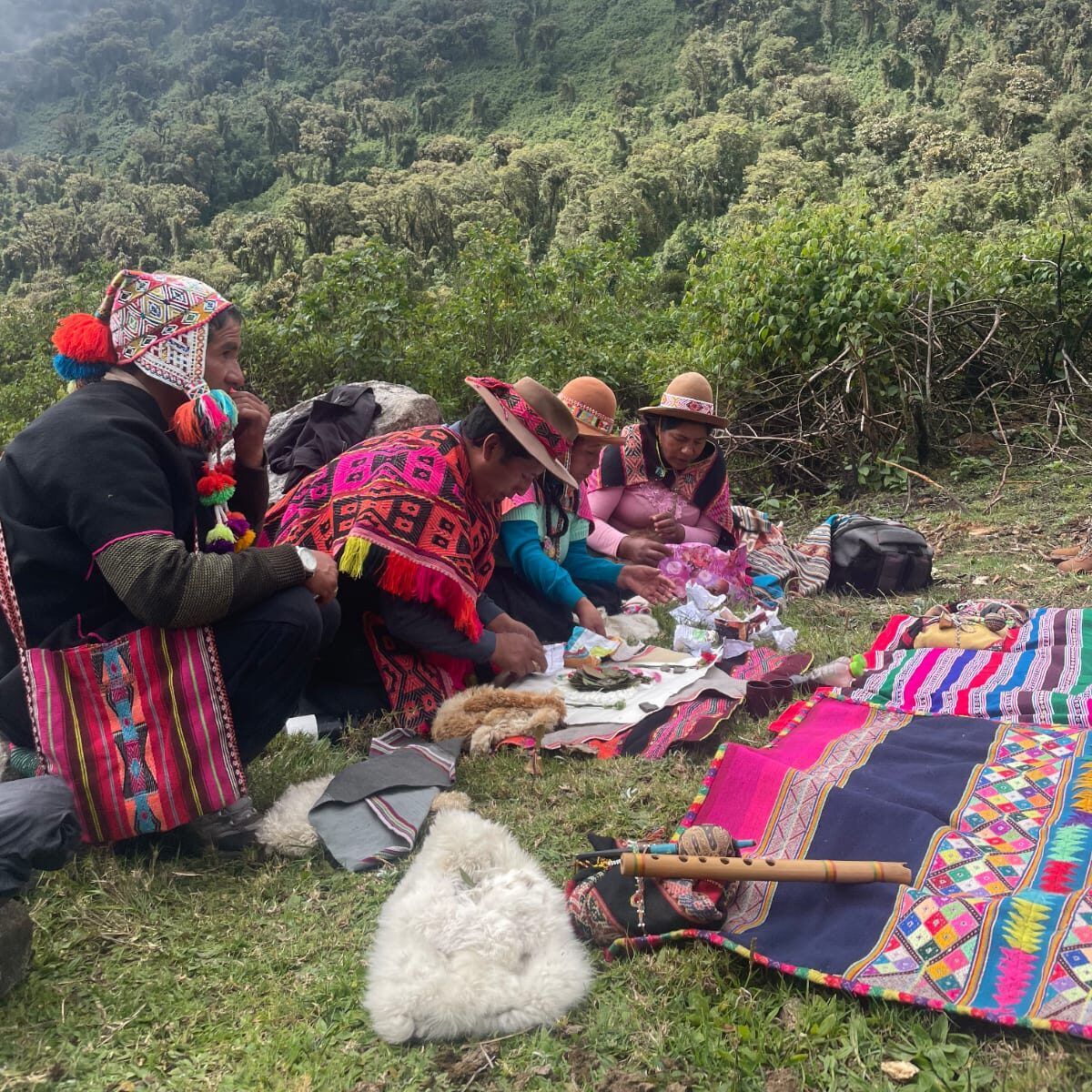
Pachamama loves to receive offerings of flowers, food, and coca leaves from her children.

Yet growth alone does not ensure continuity.

In Andean cosmology, sustained development depends on balance. Without it, growth can become unstable, vulnerable to disruption, or disconnected from the relationships that support it.

Balance allows life to continue without losing coherence.

Balance as Relationship

It is not understood as a fixed state. It is a dynamic relationship between multiple forces, rain and sun, soil and roots, human care and natural processes.

Each element contributes to maintaining equilibrium.

When rainfall becomes excessive, the soil may weaken. When it becomes scarce, growth may slow. Balance emerges through the constant interaction of these forces, adjusting over time.

In this way, balance is not something that is achieved once. It is something that must be continuously maintained.

Maintaining Balance Through Attention

Farmers in the Andes develop a careful awareness of how balance shifts throughout the season. They observe how plants respond to changing conditions and adjust their actions accordingly.

Small interventions, such as guiding water flow, protecting soil, or clearing space around plants, help maintain conditions that allow growth to continue. These actions do not dominate the land. They respond to it.

Balance, therefore, depends on the ability to notice subtle changes and respond with care.

Imbalance as a Natural Signal

In this cosmology, imbalance is not necessarily seen as failure. It is often understood as a signal.

When plants weaken, when soil hardens, or when growth slows unexpectedly, these changes indicate that relationships require adjustment. Imbalance reveals where attention is needed.

Rather than reacting with urgency, Andean practices encourage observation. By understanding the source of imbalance, people can restore balance without creating further disruption.

Living Within Balance

March teaches that growth must remain connected to the conditions that sustain it. Expansion without balance may weaken what has been carefully cultivated.

To live within balance means staying aware of relationships at all times.

It means recognizing that growth depends not only on movement, but also on the harmony between all elements involved. Through this awareness, life continues to develop in a way that remains stable, resilient, and connected.

Balance, then, is not the absence of change.
It is the condition that allows change to continue.


References

  • Allen, C. J. (2002). The hold life has: Coca and cultural identity in an Andean community. Smithsonian Institution Press.
  • Gose, P. (1994). Deathly waters and hungry mountains: Agrarian ritual and class formation in an Andean town. University of Toronto Press.
  • Rengifo Vásquez, G. (2001). La crianza de la chacra en los Andes. PRATEC – Proyecto Andino de Tecnologías Campesinas.

This article draws on both academic literature and oral, lineage-based Andean knowledge. Teachings that originate from living traditions are cited in recognition of their ongoing transmission within Andean communities, while scholarly sources are used to support contextual interpretation.

The Return of Movement: Action in Right Relationship

Posted on

As March progresses, the Andean landscape continues to transform, in movement. What first appeared as fragile emergence now begins to establish itself more firmly. Plants extend their leaves, roots deepen into the soil, and growth becomes more visible across the fields.

This shift signals not only the continuation of life, but the return of movement.

After the stillness and containment of previous months, life begins to move outward. Yet this movement does not arise from urgency or force. It emerges from processes that have already matured beneath the surface.

Movement as a Relational Process

In Andean cosmology, movement does not belong to a single being. It unfolds through relationships, between soil, water, sunlight, and human care. Each element participates in the unfolding of growth.

For this reason, movement must remain in right relationship.

When plants grow, they do so in response to the conditions that surround them. When people act, their actions also take place within a network of relationships that shape outcomes.

Movement that ignores these relationships risks creating imbalance. Movement that respects them supports continuity.

Action Without Disruption

As growth becomes more visible, the impulse to intervene or accelerate development may increase. However, Andean traditions emphasize that effective action does not disrupt what is already in motion.

Instead, action should support existing processes.

Farmers may adjust irrigation, reinforce soil, or clear small obstacles, but they do so carefully, without interfering with the natural rhythm of growth. Their actions respond to what is already happening rather than imposing an external direction.

This approach reflects a form of movement grounded in attentiveness rather than control.

Learning the Timing of Movement

Movement requires timing. Acting too early can interrupt development, while acting too late may allow conditions to deteriorate. March teaches the importance of recognizing when movement becomes appropriate.

This recognition develops through observation and experience.

By remaining attentive to subtle changes in the land, people learn when to act and when to wait. Movement, therefore, becomes a skill shaped by relationship rather than impulse.

Walking Forward With What Is Growing

As the season advances, both land and people begin to move more actively. Yet this movement remains connected to what has already been established. Growth continues because it is supported, not because it is forced.

To move in right relationship means walking forward with awareness of the conditions that sustain life. It means recognizing that every action participates in a larger process.

In this way, movement becomes not only an expression of growth, but a continuation of the relationships that make growth possible.


References

  • Allen, C. J. (2002). The hold life has: Coca and cultural identity in an Andean community. Smithsonian Institution Press.
  • Urton, G. (1981). At the crossroads of the earth and the sky: An Andean cosmology. University of Texas Press.
  • Gose, P. (1994). Deathly waters and hungry mountains: Agrarian ritual and class formation in an Andean town. University of Toronto Press.

This article draws on both academic literature and oral, lineage-based Andean knowledge. Teachings that originate from living traditions are cited in recognition of their ongoing transmission within Andean communities, while scholarly sources are used to support contextual interpretation.