
As our 10-part September series draws to a close, we move from cosmological understanding into personal practice. Whether you are tending an established sacred bundle (Mesa) or simply creating a quiet space in your home:
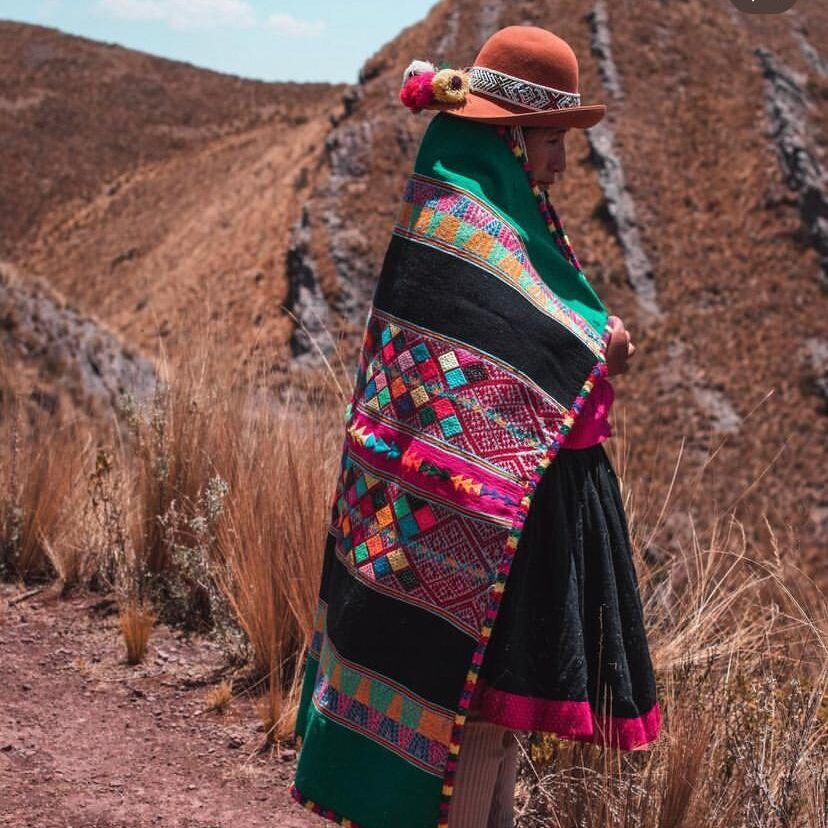
- Setting up a seasonal altar anchors the principles of Qoya Raymi
- The equinox threshold
- Ayni (reciprocity)
Into your daily environment.
This intentional alignment honors the subtle turning of the Earth during the equinox, inviting symmetry, renewal, and cosmic balance into your living space.
Section I: Step-by-Step Equinox Altar Setup
Creating an equinox sacred space is an act of intentional relationship. The goal is not perfection, but building an energetic micro-landscape that mirrors the balance of macro-cosmic forces.

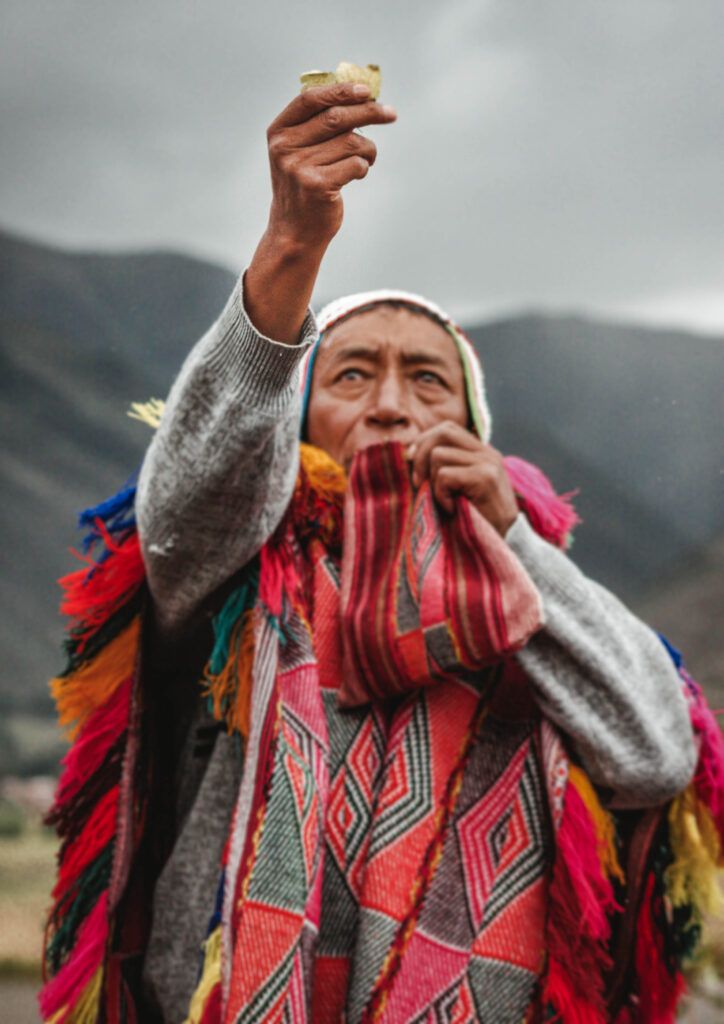


1. Base Layer: The Textile Boundary (Unkuña)
- Lay down a handwoven cloth, natural woven mat, or scarf to establish a sacred boundary separating the altar space from daily mundane activity.
2. Balancing the Four Directional Elements
- East (Fire / Sun): Place a white or gold candle to represent Inti (the Sun) and the expanding light of spring.
- West (Water / Moon): Place a small bowl of clean water or floral water (Puquio Yaku) to honor Mama Killa and emotional fluid balance.
- North (Air / Wind): Place incense, sacred smoke, or a feather to represent clear vision, breath (phukuy), and the mountain spirits (Apus).
- South (Earth / Pachamama): Place stones, native seeds (muyu), or a small dish of soil to ground your intentions into Mother Earth.
3. Center: The Equinox Balance (Yanantin)
- Place two complementary items at the center, such as a light stone and a dark stone, or two crossed flower stems, to embody the equilibrium of daylight and darkness meeting at the threshold.
Section II: September Community Reflection Q&A
Here are answers to the most common questions raised by our community throughout September’s exploration:

Q1: What if I don’t have access to traditional Andean items like coca leaves or an unkuña?
A: Sacred practice relies on intention, not specific material objects. You can substitute coca leaves with local leaves or flower petals (like bay leaves, rose petals, or mint). A clean cotton or wool scarf works beautifully as an altar cloth. What matters most is the reverence and heart you bring to the exchange.
Q2: How often should I update or clean my seasonal altar?
A: It is ideal to refresh the water daily and gently clear away dust or wilted offerings once a week. Refreshing the space keeps the energetic field (poq’po) vibrant and light (sami), preventing static heavy energy from accumulating.
Q3: How do I practically live “ayni” if I live in a busy modern city?
A: Reciprocity begins with conscious attention. You can practice ayni in a city by offering direct gratitude to the food you eat, supporting local community gardens, practicing active listening with friends, or taking quiet moments to acknowledge the earth beneath the pavement.
References
- Allen, C. J. (2002).The Hold Life Has: Coca and Cultural Identity in an Andean Community (2nd ed.).
- di Salvia, D. (2018).Contribución a la ontología animista andina: Funciones, poderes y figuras en los cultos telúricos de los Andes sur-peruanos. Revista Española de Antropología Americana, 48, 219–242.
- Urton, G. (1981).At the Crossroads of the Earth and the Sky: An Andean Cosmology.
This article draws on both academic literature and oral, lineage-based Andean knowledge. Teachings that originate from living traditions are cited in recognition of their ongoing transmission within Andean communities, while scholarly sources are used to support contextual interpretation.